
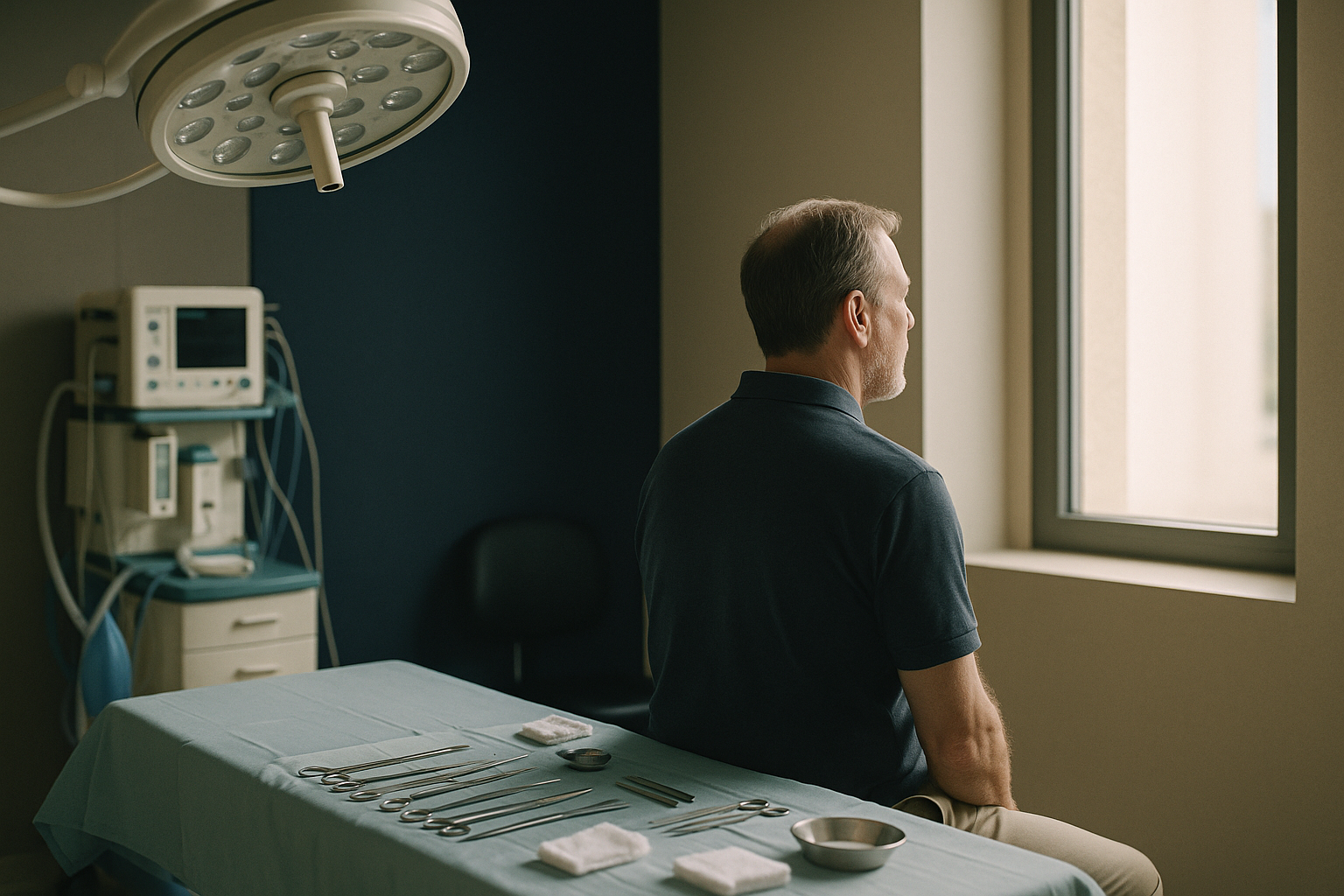
Nose surgery, or rhinoplasty, is a popular cosmetic procedure sought by individuals worldwide. Understanding the cost factors is crucial for those considering this surgery. This article delves into various aspects influencing the cost, including geographical location, surgeon expertise, and the type of procedure.
What Influences Nose Surgery Costs?
Nose surgery costs are influenced by several factors, each contributing to the overall expense. Firstly, geographical location is a significant determinant. For example, the cost of nose plastic surgery in NYC can be considerably higher than in less metropolitan areas. This is largely due to the elevated living expenses and the high demand for medical services in large cities. In contrast, smaller cities or rural areas might offer lower costs due to reduced overheads and competitive pricing among local clinics. Patients should weigh the potential cost savings against the convenience and peace of mind offered by undergoing surgery closer to home, which can simplify follow-up visits and post-operative care.
Secondly, the surgeon’s expertise and reputation heavily impact the cost. Surgeons who have a robust track record of successful surgeries, numerous positive patient testimonials, and advanced certifications often charge a premium for their services. For instance, a board-certified plastic surgeon with over 15 years of experience may charge between $10,000 to $15,000, whereas a less experienced surgeon might offer the same procedure for around $5,000 to $7,000. It’s important for patients to verify the surgeon’s credentials and ensure they are comfortable with their level of experience and specialization in rhinoplasty.
Lastly, the type and complexity of the procedure can also affect the cost significantly. A simple cosmetic adjustment, such as a minor tip reshaping, might cost less than $4,000, whereas a complex reconstructive surgery involving the nasal septum could range from $7,000 to $15,000. Additional factors such as the patient’s unique anatomy and the need for secondary or revision surgeries can also increase the overall cost. Patients should discuss these variables with their surgeon to understand the full scope of their surgery and potential cost implications.
How Much Does a Nose Job Cost?
The cost of a nose job, or rhinoplasty, varies widely across different regions and types of surgeries. In the United States, the average cost ranges from $5,000 to $15,000, depending on several factors such as the surgeon’s skill, the facility chosen, and the complexity of the surgery. In major cities like Los Angeles or New York City, the cost might be on the higher end of this spectrum due to the high demand for skilled plastic surgeons and advanced medical facilities. Understanding these regional cost differences can help patients set realistic expectations and budget accordingly.
In contrast, in countries like Mexico or Thailand, where medical tourism is prevalent, the cost may start at approximately $3,000 to $5,000. These countries often attract international patients due to competitive pricing and the availability of high-quality care. However, patients need to consider travel expenses, potential language barriers, and the logistics of post-operative care when opting for surgery abroad. It’s crucial to thoroughly research the credentials of international surgeons and facilities to ensure safety and quality.
It’s also important to consider additional costs that are often not included in the initial quote. These can include anesthesia fees, which might range from $600 to $1,000, and facility fees, which can add another $800 to $2,500 to the total cost. Patients should request a comprehensive breakdown of all associated costs to avoid unexpected expenses, ensuring a complete understanding of what the final bill will entail. This transparency helps in financial planning and decision-making.
Is Nose Plastic Surgery in NYC More Expensive?
Nose plastic surgery in NYC is typically more expensive than in other cities, and several factors contribute to this. Firstly, New York City’s cost of living is among the highest in the United States, and this is reflected in the rates charged by medical professionals. Surgeons in NYC often have access to the latest technology and advanced surgical techniques, which can also drive up costs. This investment in cutting-edge technology ensures that patients receive the best possible care but at a higher price point.
Furthermore, NYC is home to some of the most renowned plastic surgeons in the world. Patients often seek out these high-caliber surgeons for their expertise and proven track records, which naturally comes with a higher price tag. The reputation of NYC as a medical hub means that patients are often willing to pay a premium for the assurance of high-quality care and successful outcomes. The city’s competitive environment pushes surgeons to maintain high standards, further justifying higher fees.
For patients considering nose surgery in NYC, it’s essential to weigh the financial implications against the benefits of receiving treatment in a leading medical center. While the upfront costs may be higher, the investment in a skilled surgeon can offer peace of mind and potentially reduce the need for revision surgeries, which can be more costly in the long run. Evaluating the surgeon’s track record and patient satisfaction can provide valuable insights into the potential value of the investment.
How to Choose a Rhinoplasty Surgeon?
Choosing the right rhinoplasty surgeon is a critical step in ensuring a successful outcome. Prospective patients should begin by researching board-certified surgeons who specialize in rhinoplasty. Certification by recognized bodies such as the American Board of Plastic Surgery indicates that the surgeon has undergone rigorous training and adheres to high standards of practice. This certification is a baseline assurance of the surgeon’s commitment to quality and safety.
Experience is another important factor. Surgeons who have performed hundreds of rhinoplasty procedures are likely to have encountered a wide range of cases and developed a keen eye for aesthetics and functionality. Patients should look for surgeons with a high success rate and minimal complication rates, which are often reflected in patient reviews and testimonials. It’s advisable to ask for detailed case studies or before-and-after photos to better understand the surgeon’s capabilities.
A consultation is an invaluable opportunity for patients to assess a surgeon’s approach and compatibility with their needs. During this meeting, patients can discuss their desired outcomes, ask about the surgeon’s experience with similar cases, and review before-and-after photos of previous patients. This helps in setting realistic expectations and building trust in the surgeon’s capabilities. Open and honest communication is key to a successful surgical experience.
What Are the Risks and Considerations?
Like any surgery, rhinoplasty carries inherent risks, which patients must consider carefully. Common risks include infection, which can occur if post-operative care instructions are not followed meticulously. Additionally, some patients may experience breathing difficulties post-surgery, especially if the procedure involves significant structural changes to the nasal passages. Understanding these potential complications can help patients weigh the benefits and risks of the surgery.
Another consideration is the potential for dissatisfaction with the aesthetic results. Even with skilled surgeons, achieving the perfect outcome can be challenging due to individual healing responses and anatomical variations. Patients should discuss these risks with their surgeon during initial consultations to understand the likelihood and how any issues will be addressed. Surgeons often offer revision policies, which can provide reassurance in case of unsatisfactory outcomes.
The recovery period is another critical factor to consider. Recovery can range from a few weeks to several months, during which time patients might experience swelling, bruising, and discomfort. Understanding the post-operative care required, such as the use of nasal splints and avoiding certain activities, can aid in planning the recovery process effectively and minimizing complications. Patients should prepare for this downtime and arrange for adequate support during their recovery.
How to Budget for Nose Surgery?
Budgeting for nose surgery involves a comprehensive approach to all associated costs. Patients must consider not only the direct costs of the surgery but also ancillary expenses such as pre-operative tests, which can include blood work and nasal scans costing between $200 to $500. Post-operative care, including medications and follow-up visits, can add another $300 to $600 to the total expense. These additional costs should be factored into the overall budget to avoid financial strain.
Many clinics offer financing options or payment plans to help patients manage costs more effectively. These plans can range from interest-free options for short-term repayments to low-interest loans for longer periods, making the surgery more accessible to a broader range of patients. Patients should explore these options thoroughly, considering the terms and conditions to select the most suitable plan for their financial situation.
Insurance rarely covers cosmetic procedures like rhinoplasty. However, if the surgery is deemed medically necessary, such as to correct a deviated septum or improve breathing, insurance may cover a portion of the cost. Patients should consult with their insurance provider to determine potential coverage and ensure all necessary documentation is provided to support their claim. Understanding insurance policies and negotiating coverage can significantly reduce out-of-pocket expenses.
Conclusion: Making an Informed Decision
Understanding the factors influencing nose surgery costs allows patients to make informed decisions. While cost is a significant consideration, the choice of surgeon and location should align with personal expectations and safety standards. It’s important to prioritize quality and expertise over cost alone to ensure the best possible outcome. Thorough research and careful selection can lead to a successful surgical experience and satisfactory results.
Ultimately, thorough research and careful planning can ensure a satisfactory surgical experience and outcome. Patients are encouraged to take their time in selecting a surgeon, consider all financial aspects, and prepare for the recovery process to achieve the desired results. By balancing the various factors involved, patients can embark on their rhinoplasty journey with confidence. The decision should be based on a comprehensive understanding of all elements contributing to the surgery’s success and cost.
Proven result
20 to 200 hair-transplant patients a month from Australia
Aesthetic surgery group
Frequently asked questions
How much does a nose job cost on average?
The average cost of a nose job ranges from $5,000 to $15,000 in the US, depending on various factors.
Is nose surgery cheaper in other countries?
Yes, nose surgery can be cheaper in countries like India or Mexico, often starting at $3,000, but travel and accommodation costs should be considered.
Does insurance cover rhinoplasty?
Insurance rarely covers cosmetic rhinoplasty, but if it is for medical reasons, such as correcting a breathing issue, partial coverage might be possible.
What should I ask a potential surgeon?
Ask about their experience, success rates, and view before-and-after photos. Discuss the risks and your expectations openly.
How long is the recovery period for nose surgery?
The recovery period can vary but generally lasts from a few weeks to several months, with initial swelling reducing after about 3-4 weeks.
Related guides

What Is a Medical Travel Facilitator and Why Use One?
A lower treatment quote can look compelling until you try to compare what it actually includes: surgeon fees,…

What Hospital Accreditation Reviews Really Tell You
A hospital can have polished facilities, prominent surgeons, and hundreds of five-star ratings, yet those signals do not…

International Patient Onboarding Guide for Hospitals
An international patient inquiry is not simply a lead. It is a person weighing a major medical decision…