
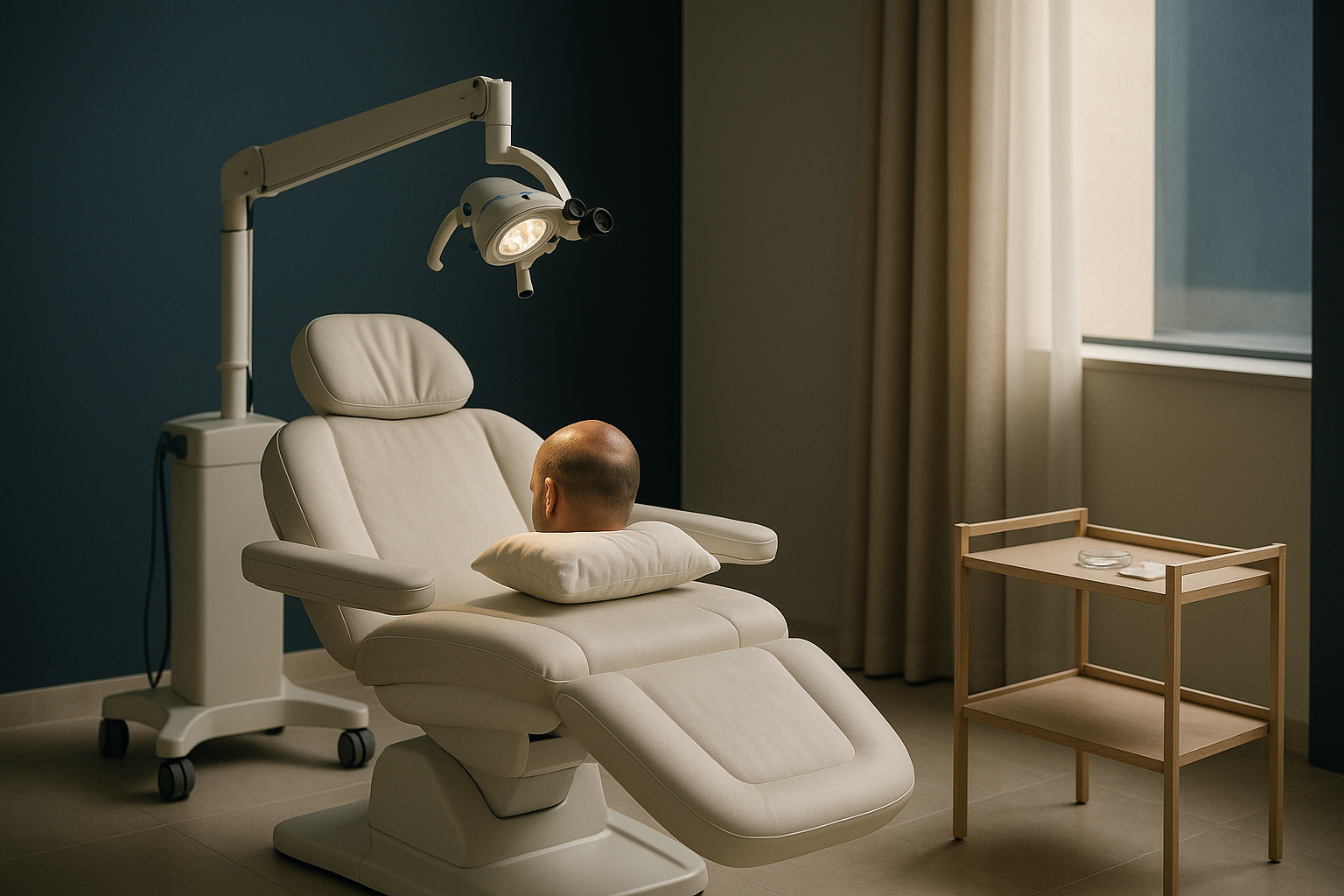
The decision to undergo a hair transplant, specifically a no-shave follicular unit extraction (FUE) procedure, requires careful consideration of costs, timelines, and safety protocols. Understanding these facets can help international patients make informed decisions about their hair restoration journey.
What Is No-Shave FUE Hair Transplant?
No-shave FUE hair transplant is a minimally invasive procedure that allows patients to maintain their existing hairstyle during and after the transplant process. Unlike traditional methods, this approach doesn’t require shaving the donor area, making it an attractive option for those concerned about aesthetics. This technique is ideal for individuals who have professional or social commitments that make a sudden change in appearance undesirable. The ability to blend the new hair with existing hair seamlessly without a drastic change in appearance is one of its standout features.
In this procedure, individual hair follicles are extracted from the donor site and implanted into the balding areas. This technique ensures a natural look without the need for significant downtime or visible post-operative changes to the hairstyle. Typically, the extraction process uses a specialized tool that creates a tiny circular incision around each follicle unit, minimizing damage and ensuring the integrity of each graft. The precision of this method contributes to the natural appearance of the results, as hair can be transplanted in patterns that replicate natural hair growth, accommodating the unique direction, angle, and density of the patient’s hair.
No-shave FUE is particularly popular among busy professionals and individuals who prefer discretion in their cosmetic procedures. The procedure’s subtlety is a significant advantage, allowing patients to return to their daily routines without noticeable evidence of surgery. This is especially beneficial for those in public-facing roles or industries where appearance is crucial. Additionally, because the procedure is less invasive than traditional methods, patients often experience less swelling and discomfort, which further facilitates a quick return to everyday activities.
How Much Does No-Shave FUE Hair Transplant Cost?
The cost of a no-shave FUE hair transplant varies significantly depending on several factors such as the geographical location of the clinic, the expertise of the surgeon, and the complexity of the procedure. Typically, prices range from £3,000 to £10,000. The extent of hair loss and the number of grafts needed are primary determinants of the total cost. For instance, a procedure requiring 1,000 grafts may cost significantly less than one requiring 3,000 grafts, as each graft involves meticulous handling and placement.
Patients should consider that costs might also include pre-operative consultations, post-operative care, and any additional services such as follow-up visits or supplementary treatments. It’s crucial to verify what is included in the quoted price to avoid unexpected expenses. Some clinics may offer package deals that include all necessary components of the treatment, whereas others might charge separately for each service. Patients should inquire about these details during initial consultations to fully understand the financial commitment involved.
Comparing costs across different regions can be beneficial. For instance, some countries offer competitive pricing due to lower operational costs while maintaining high standards of care. Researching these options thoroughly can lead to substantial savings without compromising quality. For example, countries like Turkey and India have become popular destinations for medical tourism, offering advanced facilities and experienced surgeons at a fraction of the cost found in Western countries. However, it is essential to ensure that the chosen clinic maintains international accreditation and adheres to strict medical and safety standards.
What Are the Benefits of FUE Hair Transplant?
FUE hair transplant offers numerous benefits, including minimal scarring, natural results, and a quicker recovery period compared to traditional strip methods. The no-shave variant enhances these advantages by allowing patients to keep their existing hairstyle intact. This is particularly advantageous for those who cannot afford significant downtime or a marked change in appearance, as it allows for a seamless transition and integration of new hair growth.
The minimally invasive nature of the procedure reduces the risk of complications and typically results in less discomfort post-surgery. Patients can expect a smooth recovery process and often resume normal activities within a few days. This rapid recovery is facilitated by the small size of the incisions made during the procedure, which heal faster and with less risk of infection or noticeable scarring. Additionally, the absence of a linear scar, common in strip methods, means patients can wear their hair short if they choose without worrying about visible scarring.
Moreover, FUE’s precision in follicle extraction and placement ensures consistent and natural-looking results. This meticulous approach is especially beneficial for creating realistic hairlines and improving overall hair density. The ability to strategically place each follicle allows surgeons to recreate the natural patterns of hair growth, which is crucial for achieving a natural appearance. This precision also means that the results are long-lasting, with transplanted hair continuing to grow over a lifetime, requiring only standard hair maintenance.
How to Choose a Hair Transplant Surgeon?
Choosing the right surgeon is a critical step in achieving successful hair transplant results. Patients should look for board-certified professionals with extensive experience in FUE procedures, particularly the no-shave variant. Board certification ensures that the surgeon has received specialized training and adheres to the highest standards of medical practice. Experience in performing no-shave FUE procedures is particularly important, as it requires a delicate balance of skill and artistry to achieve natural results.
Researching the surgeon’s credentials, including their training, certifications, and patient reviews, can provide valuable insights. It’s advisable to schedule consultations with multiple surgeons to discuss individual needs and assess their approach to patient care. During these consultations, prospective patients should inquire about the surgeon’s approach to hairline design, the technology they use, and their success rate with similar cases. Observing before-and-after photos of previous patients can also offer a glimpse into the surgeon’s capabilities and style.
Additionally, patients should inquire about the clinic’s accreditation and safety standards. Reputable clinics will adhere to international healthcare protocols, ensuring a safe and effective treatment environment. The quality of the clinical facilities, the professionalism of the staff, and the level of post-operative care provided are all important factors to consider. Patients should feel comfortable and confident in the clinic’s ability to provide high-quality care throughout the entire process.
What Are the Potential Risks and Safety Measures?
While no-shave FUE hair transplants are generally safe, there are potential risks, such as infection, scarring, or graft failure. To mitigate these risks, patients should ensure their chosen clinic follows strict hygienic practices and employs qualified medical staff. A clean and sterile environment minimizes the risk of infection, which is a primary concern in any surgical procedure. The clinic should provide comprehensive information on their sterilization procedures and how they maintain a hygienic environment.
Understanding the clinic’s safety protocols, such as sterilisation techniques and emergency preparedness, is crucial. Patients should also receive clear instructions on post-operative care to prevent complications and promote optimal healing. This includes guidance on how to care for the scalp, what signs of complications to watch for, and when to seek medical attention. Surgeons should provide a detailed post-operative care plan and be available for follow-up consultations to monitor the healing process.
Discussing any medical conditions or medications with the surgeon beforehand can help tailor the procedure to individual health needs, minimising potential risks. Patients should provide a complete medical history and disclose all medications, supplements, and allergies. This allows the medical team to make informed decisions about the procedure and any necessary adjustments to ensure patient safety and optimal results.
How to Prepare for a No-Shave FUE Hair Transplant?
Preparation for a no-shave FUE hair transplant involves several steps to ensure a smooth procedure and recovery. Patients should follow their surgeon’s specific instructions, which may include discontinuing certain medications or supplements before the surgery. These medications could include blood thinners or anti-inflammatory drugs that may increase the risk of bleeding during the procedure. Patients should also discuss any herbal supplements they are taking, as these can sometimes interfere with healing.
Maintaining a healthy lifestyle, including a balanced diet and regular exercise, can also aid in recovery. A nutritious diet supports the body’s natural healing processes, and regular exercise can improve circulation, which is beneficial for scalp health. Patients should avoid alcohol and smoking in the weeks leading up to the surgery to enhance healing and reduce the risk of complications. Smoking, in particular, can impair blood flow and delay healing, so cessation is strongly advised before and after the procedure.
It’s also advisable to arrange for post-operative support, such as transportation and assistance with daily activities for the first few days after the procedure. Having a friend or family member available to help can alleviate stress and allow the patient to focus on recovery. Additionally, patients should plan to take time off work and avoid strenuous activities for a few days to facilitate proper healing and achieve the best possible results.
Conclusion: Making Informed Decisions
Choosing to undergo a no-shave FUE hair transplant is a significant decision that requires careful consideration of costs, benefits, and potential risks. By understanding the intricacies of the procedure and conducting thorough research, patients can make informed decisions that align with their aesthetic goals and budget. The decision-making process should involve evaluating personal priorities, such as the importance of discretion, the desired timeline for recovery, and long-term financial considerations.
Empowered with knowledge, prospective international patients can confidently embark on their hair restoration journey, ensuring optimal outcomes and a satisfying experience. Comprehensive research and consultation with experienced professionals are key to achieving the desired results. Ultimately, the goal is to enhance one’s appearance and confidence while ensuring the process is as smooth and safe as possible.
Proven result
20 to 200 hair-transplant patients a month from Australia
Aesthetic surgery group
Frequently asked questions
What is the recovery time for a no-shave FUE hair transplant?
Recovery time is generally quick, with most patients resuming normal activities within a few days. Full healing may take a few weeks.
Is no-shave FUE suitable for everyone?
No-shave FUE is suitable for most individuals, but a thorough consultation with a qualified surgeon is necessary to determine candidacy.
How long do the results of a no-shave FUE last?
Results are typically long-lasting, with transplanted hair continuing to grow naturally over the years. Maintenance may be required.
What factors influence the cost of a no-shave FUE hair transplant?
Factors include clinic location, surgeon expertise, procedure complexity, and any additional services like follow-up care.
Are there financing options available for hair transplants?
Many clinics offer financing plans or payment options to make the procedure more affordable. Discuss these options during the consultation.
Related guides

What Is a Medical Travel Facilitator and Why Use One?
A lower treatment quote can look compelling until you try to compare what it actually includes: surgeon fees,…

What Hospital Accreditation Reviews Really Tell You
A hospital can have polished facilities, prominent surgeons, and hundreds of five-star ratings, yet those signals do not…

International Patient Onboarding Guide for Hospitals
An international patient inquiry is not simply a lead. It is a person weighing a major medical decision…