
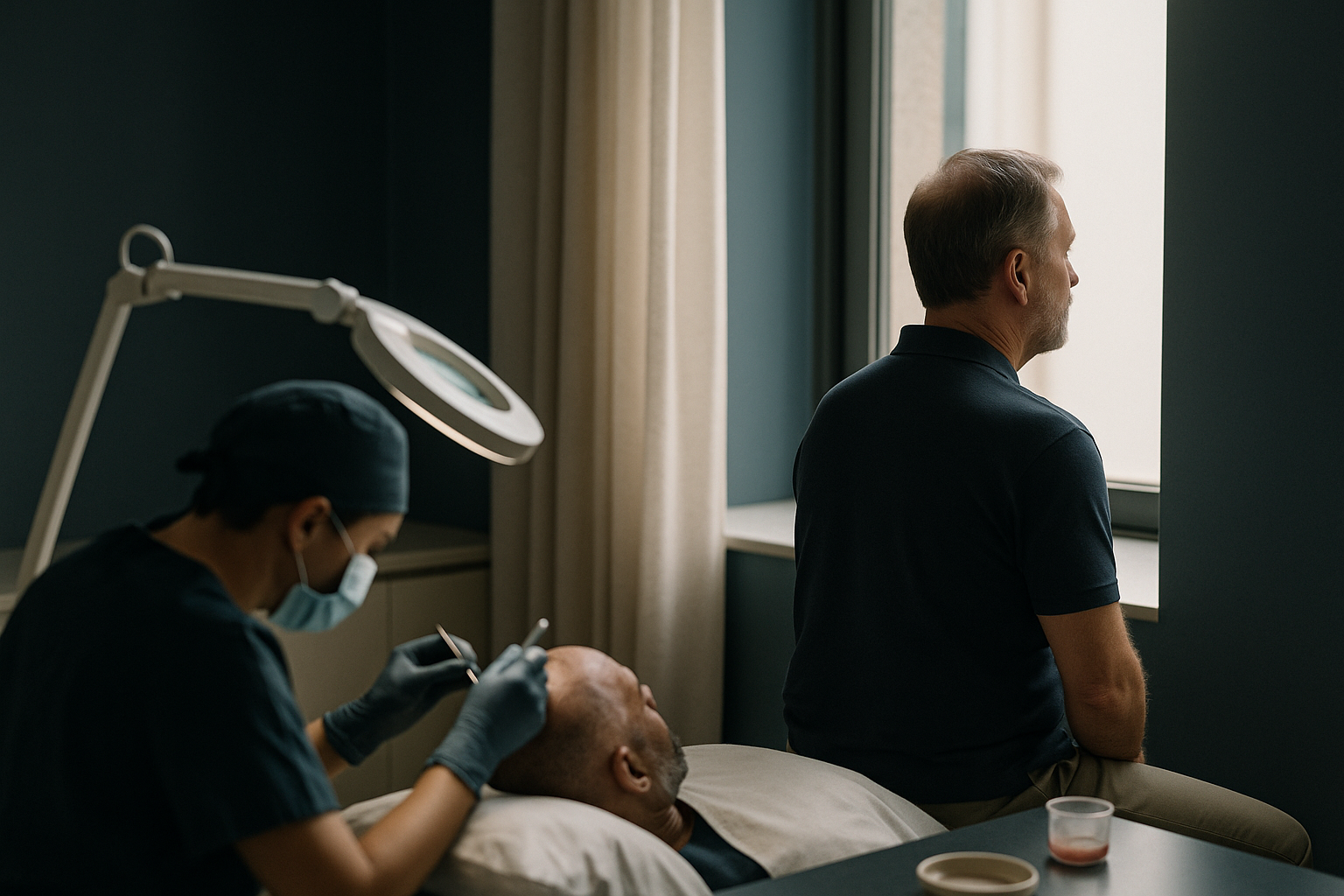
Black hair transplant procedures are tailored to meet the unique needs of individuals with Afro-textured hair. Understanding the intricacies involved is crucial for achieving optimal results. This guide explores the personalised solutions available, ensuring safe and effective treatment for those considering this transformative procedure.
What is a Black Hair Transplant?
A black hair transplant is a specialised procedure designed to cater to the unique texture and growth patterns of Afro-textured hair. Unlike straight or wavy hair types, Afro-textured hair presents specific challenges due to its curl pattern and follicle structure. The process involves harvesting follicles from a donor area, usually the back or sides of the head, and meticulously implanting them into areas experiencing hair loss. This careful placement ensures that the natural curl and density of black hair are maintained, resulting in a seamless and aesthetically pleasing outcome.
One of the key distinctions in black hair transplants is the nature of the follicles themselves. Unlike other hair types, black hair follicles are often curved, which requires a highly skilled approach to avoid damage during both extraction and implantation. This curvature can make the follicles more susceptible to transection, a term used to describe accidental cutting or damage to the follicle during removal. Therefore, it is imperative to seek surgeons with experience in handling black hair transplants to achieve the desired results. These surgeons must be adept at using specific techniques that respect the natural structure of Afro-textured hair to ensure a successful procedure.
Moreover, a successful black hair transplant not only addresses hair loss but also considers the aesthetic aspects of hairline design. Surgeons must take into account the unique hairline shapes often seen in individuals with Afro-textured hair, such as a rounded or less defined hairline. This requires a creative and artistic touch, alongside technical skill, to create a natural look that complements the individual’s facial features and personal style. This involves understanding the cultural and stylistic preferences that may influence how an individual wishes their new hairline to appear, ensuring satisfaction and confidence post-procedure.
Why is Expertise Important in Black Hair Transplants?
The success of a black hair transplant greatly depends on the expertise of the surgeon. Experienced professionals understand the specific challenges posed by the texture and curl pattern of black hair. These challenges include the aforementioned follicle curvature, as well as the hair’s density and the unique way it grows. Surgeons with extensive experience in black hair transplants utilise advanced techniques to preserve follicle integrity, which is crucial for optimal growth and overall success of the transplant.
One of these techniques is the Follicular Unit Extraction (FUE) method, which is often preferred for black hair transplants. This method involves extracting individual follicular units directly from the scalp, minimizing visible scarring and preserving the natural curl of the hair. The precision required in this method ensures that each follicle is carefully handled to prevent damage and promote successful engraftment. Experienced surgeons are adept at adjusting their techniques to account for the unique characteristics of black hair, thus enhancing the likelihood of natural-looking results.
Choosing a surgeon with a proven track record in black hair transplants ensures that the procedure is conducted with precision and care. This expertise minimizes the risk of complications, such as follicle damage or unnatural hair growth patterns, and enhances the likelihood of a successful outcome. In addition to technical skill, experienced surgeons also provide valuable guidance throughout the entire process, from the initial consultation to post-operative care, ensuring that patients are well-informed and comfortable with their decision. They are also likely to have a comprehensive understanding of the latest innovations and technologies in the field, allowing them to offer the most advanced solutions available.
How is the Procedure Tailored for Black People?
Hair restoration for black men and women requires a customised approach that respects the inherent diversity within Afro-textured hair types. The procedure begins with a thorough consultation to assess the individual’s hair type, density, and growth pattern. This step is critical in developing a personalised treatment plan that addresses specific concerns and goals, such as achieving a natural-looking hairline or increasing overall hair density. During this consultation, the surgeon will discuss the patient’s medical history and any previous hair treatments to ensure the procedure is safe and suitable.
During the transplant, the surgeon will strategically place follicles to mimic the natural growth pattern of black hair. This involves careful consideration of the direction and angle of each hair follicle to ensure that the transplanted hair blends seamlessly with the existing hair. Surgeons employ various mapping techniques to plan the placement of follicles, taking into account the natural curl and coil patterns that define Afro-textured hair. This meticulous planning is crucial to achieving a cohesive and natural appearance, minimizing the risk of an unnatural look.
Another important aspect of tailoring the procedure is addressing potential areas of concern, such as traction alopecia, which is common in individuals who frequently style their hair in tight braids or weaves. Surgeons must consider these factors when planning the transplant to ensure the longevity and health of the transplanted hair. Additionally, post-operative care is tailored to include specific guidance on hair care practices that support healthy growth and maintenance of the newly transplanted hair. This may involve recommendations for particular products or techniques that are gentle and nourishing for Afro-textured hair.
What are the Costs Involved in a Black Hair Transplant?
The cost of a black hair transplant varies depending on several factors, including the extent of hair loss, the number of grafts required, and the clinic’s location. On average, prices can range from $4,000 to $15,000. The cost per graft typically falls between $3 and $8, and since most procedures require between 1,500 and 3,000 grafts, this contributes significantly to the overall expense. It’s important to consider these costs in the context of the results and confidence a successful procedure can bring, as well as the long-term benefits of investing in a reputable clinic.
Geographical location plays a significant role in pricing, with clinics in metropolitan areas often charging higher fees due to increased operational costs. Additionally, clinics with a reputation for excellence and a high success rate may charge a premium for their services. While affordability is a consideration, prospective patients should prioritize quality and expertise over cost. Investing in a reputable surgeon with a history of successful black hair transplants can significantly impact the overall outcome and satisfaction with the procedure.
Some clinics offer financing options or payment plans to help make the procedure more accessible. It’s advisable for patients to discuss these options during their initial consultation. Furthermore, understanding what is included in the quoted price, such as follow-up appointments and post-operative care, is essential for budgeting effectively and ensuring there are no unexpected expenses. Patients should also inquire about the clinic’s policy on revisions or touch-ups should the initial results not meet expectations, as this can affect long-term satisfaction and financial planning.
What Safety and Accreditation Considerations Should Be Made?
Safety is paramount when considering a black hair transplant. Patients should seek clinics that adhere to international standards and hold accreditations from reputable medical boards. These accreditations serve as an assurance that the clinic follows stringent safety protocols and employs qualified medical staff who are trained in the latest techniques and technologies. Accreditation bodies often perform regular checks to ensure compliance with industry standards, providing peace of mind to prospective patients.
In addition to checking for accreditation, prospective patients should inquire about the clinic’s safety record and any history of complications or malpractice. A transparent clinic will be forthcoming with this information and will provide detailed explanations of their safety measures. This includes their sterilization procedures, emergency protocols, and post-operative care practices, which are crucial for minimizing risks and ensuring a smooth recovery. Clinics that prioritize ongoing staff training and education tend to be at the forefront in terms of safety and patient care.
Furthermore, discussing potential risks and complications with the surgeon during the initial consultation helps in setting realistic expectations and preparing for the recovery process. It is important for patients to be aware of potential side effects, such as swelling, redness, or infection, and to understand the steps they can take to mitigate these risks. By choosing a clinic that prioritizes safety and patient education, individuals can feel confident in their decision to undergo a black hair transplant. Patients are encouraged to ask questions about the materials used, such as the type of anesthesia, and to understand the policies in place for handling any emergencies that may arise during the procedure.
How Long is the Recovery and What Can Patients Expect?
Recovery from a black hair transplant typically spans one to two weeks. During this time, patients may experience mild swelling, redness, and scabbing in the treated area, which are normal parts of the healing process. It’s essential to follow the post-operative care instructions provided by the surgeon to facilitate a smooth recovery and ensure the longevity of the transplant results. These instructions often include guidelines on washing the scalp, avoiding certain activities, and using prescribed medications to reduce discomfort.
Most patients can return to work and normal activities within a week, although strenuous activities should be avoided for a few weeks to ensure optimal healing and follicle stability. It’s also important to protect the scalp from direct sunlight and to avoid wearing tight headgear that could irritate the treated area. Surgeons may provide specific recommendations for hair care products that support healing and promote healthy hair growth. Patients should also be aware of the importance of maintaining a healthy diet and lifestyle to support overall recovery and hair health.
Patients should also be aware that the full results of a black hair transplant may not be immediately visible. Initial hair shedding is common as the follicles settle, but new growth typically begins within three to four months post-procedure. Full results are usually observed after a year, at which point patients can enjoy a fuller, natural-looking head of hair. Regular follow-up appointments with the surgeon help monitor progress and address any concerns that may arise during the recovery period. Patients are encouraged to document their progress with photos and notes to share with their surgeon during these visits, fostering ongoing communication and support.
Conclusion: Making an Informed Decision
Deciding to undergo a black hair transplant is a significant step towards restoring confidence and self-image. By selecting a qualified and experienced surgeon, patients can ensure a personalised approach that respects the unique characteristics of black hair. Thorough research and careful consideration of all factors involved, including the surgeon’s expertise, clinic reputation, and safety protocols, will help in achieving the best possible outcome.
Prospective patients should not hesitate to ask questions and seek second opinions if necessary. Engaging with online forums or support groups can provide additional insights and firsthand experiences from individuals who have undergone similar procedures. Ultimately, making an informed decision requires a balance of due diligence and personal readiness, ensuring that the choice to undergo a black hair transplant aligns with the individual’s goals and expectations. By taking these steps, individuals can embark on their hair restoration journey with confidence, knowing they have made the best possible decision for their unique needs and aspirations.
Proven result
20 to 200 hair-transplant patients a month from Australia
Aesthetic surgery group
Frequently asked questions
What makes black hair transplants different?
Black hair transplants require specialised techniques to handle the unique curl and growth pattern of Afro-textured hair.
Are black hair transplants more expensive?
While costs vary, the complexity of black hair transplants can sometimes lead to higher prices. Quality and expertise should be a priority.
How long does recovery take after a black hair transplant?
Recovery usually takes one to two weeks, with most patients resuming normal activities within a week.
What qualifications should my surgeon have?
Ensure your surgeon has specific experience in black hair transplants and holds relevant accreditations.
Can women undergo black hair transplant procedures?
Yes, women can benefit from black hair transplants. The procedure is tailored to the individual’s specific hair loss pattern.
Related guides

What Is a Medical Travel Facilitator and Why Use One?
A lower treatment quote can look compelling until you try to compare what it actually includes: surgeon fees,…

What Hospital Accreditation Reviews Really Tell You
A hospital can have polished facilities, prominent surgeons, and hundreds of five-star ratings, yet those signals do not…

International Patient Onboarding Guide for Hospitals
An international patient inquiry is not simply a lead. It is a person weighing a major medical decision…