
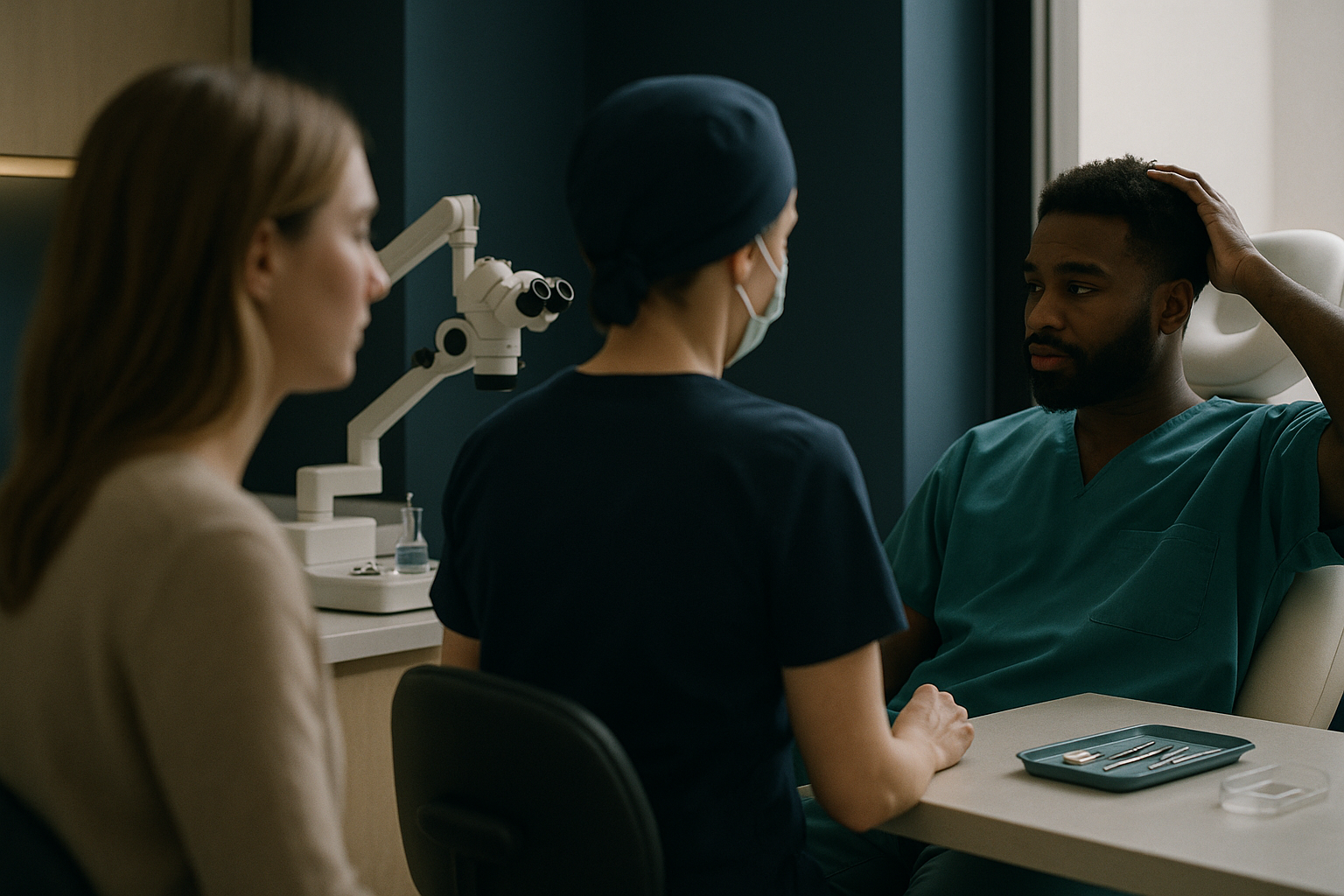
Hair transplants have become a viable solution for many individuals experiencing hair loss, including black patients. The unique characteristics of black hair require specific considerations, making it essential to understand the options available. This guide explores the nuances of hair transplants for black patients, covering costs, timelines, safety, and accreditation.
What Makes Hair Transplants for Black Patients Unique?
The distinct structure and curl pattern of black hair require specialized techniques during hair transplant procedures. Black hair is often tightly coiled and varies in thickness, which can present both challenges and advantages. For example, the curvature of the hair can make extraction and implantation more complex, necessitating a nuanced approach by the surgeon. Follicular Unit Extraction (FUE) is frequently preferred for black patients due to its precision in handling these tightly coiled hair follicles. FUE involves extracting individual hair follicles from a donor site and transplanting them to the balding area, allowing for a more natural appearance.
Moreover, hair density and scalp characteristics are important factors in determining the best approach. Black patients tend to have a higher hair density, which can be advantageous during a transplant because it allows for fuller coverage with fewer grafts. However, the natural tight curls of black hair can sometimes result in an uneven graft survival rate if not handled correctly. Therefore, it is essential for surgeons to have experience with the unique properties of black hair to avoid complications such as keloid scarring, which is more prevalent in individuals with darker skin tones.
Understanding these unique aspects is crucial for both patients and surgeons. Surgeons experienced in performing transplants on black patients can better anticipate challenges such as keloid formation. This expertise helps ensure a successful outcome, preserving the natural look and feel of the transplant. Selecting a qualified professional who understands these nuances can significantly enhance the overall satisfaction with the results and minimize any potential risks or complications.
How to Choose the Right Clinic for a Black Hair Transplant?
Choosing the right clinic is pivotal for a successful hair transplant. Prospective patients should prioritize clinics with a proven track record of successful procedures on black patients. One of the most critical steps in this process is ensuring that the clinic has surgeons who are not only board-certified but also have substantial experience working specifically with black hair types. This experience can be verified by asking about the surgeon’s past cases, specifically those involving black patients, and requesting to see before-and-after photos of those patients. These images can provide a clear indication of the clinic’s ability to handle the unique challenges presented by black hair transplants.
Accreditation by recognized medical boards adds an extra layer of credibility and assurance. Clinics should ideally be accredited by organizations such as the International Society of Hair Restoration Surgery (ISHRS) or other relevant bodies. This accreditation ensures that the clinic adheres to international standards and practices, which is vital for patient safety and successful outcomes. Patients are encouraged to conduct thorough research into the clinic’s history and reputation, including reading reviews and testimonials from past patients. These reviews can offer valuable insights into the clinic’s reputation, success rates, and patient satisfaction.
Additionally, it is advisable for patients to consult multiple clinics to compare services, costs, and the overall approach to patient care. During these consultations, patients should inquire about the specific techniques used by the clinic, the level of personalized care offered, and the availability of post-operative support. By taking these steps, patients can make a well-informed decision on which clinic is best suited to meet their unique hair restoration needs.
What Are the Costs Involved in a Black Hair Transplant?
The cost of a black people hair transplant varies significantly across the globe, influenced by factors such as the clinic’s location, surgeon’s expertise, and the complexity of the case. Generally, prices range from $4,000 to $15,000, but this can fluctuate based on several key factors. First, the geographical location of the clinic plays a major role in determining the cost. Clinics situated in major metropolitan areas or in regions renowned for medical tourism often charge higher fees. For instance, a clinic in New York City or London may demand a premium compared to one located in a less populous area.
- Geographical location: Clinics in major cities or popular medical tourism destinations may charge higher fees.
- Surgeon’s experience: More experienced surgeons may command higher fees due to their expertise.
- Extent of hair loss: Larger areas of hair loss require more grafts, increasing the overall cost.
Another factor affecting the cost is the surgeon’s experience and reputation. Highly experienced surgeons, particularly those with a specialization in black hair transplants, may charge more for their services. This surcharge is often justified by their expertise and the higher likelihood of achieving optimal results. Furthermore, the extent of hair loss also influences the cost. Larger areas of baldness require more grafts, which naturally increases the overall expense. Patients are advised to obtain detailed quotes from multiple clinics and verify what is included in the quoted price, such as post-operative care and follow-up consultations.
Lastly, some clinics offer financing options to help manage the expense of a hair transplant. Patients should inquire about any available payment plans or financing opportunities that can make the procedure more affordable. By understanding the various cost components and exploring different financial options, patients can better plan for the financial aspect of their hair restoration journey.
How Long Does the Hair Transplant Process Take?
The timeline for a hair transplant procedure involves several stages, from initial consultation to full hair growth. Typically, the procedure itself is performed in a single day, lasting between 4 to 8 hours depending on the number of grafts required. This duration can vary significantly based on the extent of the hair loss and the specific techniques employed. For instance, while smaller areas may only require a few hours, larger or more complex cases might extend to a full day. The initial consultation usually involves a detailed examination and discussion of the patient’s hair restoration goals, during which the surgeon will develop a personalized treatment plan.
Post-surgery, patients should expect a recovery period of about 2 weeks. During this time, it is crucial to follow the surgeon’s care instructions meticulously to minimize complications and promote optimal healing. These instructions typically include guidelines on washing and caring for the transplanted area, avoiding strenuous activities, and protecting the scalp from direct sunlight. Any swelling or discomfort experienced during this period can generally be managed with prescribed pain relief medications.
Hair growth is gradual, with noticeable changes occurring after 3 to 6 months, and full results visible around 12 to 18 months post-procedure. This gradual timeline allows patients to plan their schedules around the procedure, ensuring sufficient recovery time and managing expectations regarding the slow but steady nature of hair growth. Regular follow-up appointments are also important to monitor progress and address any concerns that may arise during the recovery period. These check-ups provide an opportunity for the surgeon to evaluate the success of the transplant and make any necessary adjustments to the patient’s care plan.
What Are the Safety Considerations for Black Hair Transplants?
Safety is paramount in any medical procedure, including hair transplants. For black patients, specific safety considerations must be addressed, such as the risk of hypertrophic or keloid scarring. These types of scarring occur more frequently in people with darker skin tones and can lead to unsightly and uncomfortable results if not properly managed. Therefore, choosing an experienced surgeon familiar with these risks is essential to mitigate potential complications. Surgeons with experience in treating black patients can employ techniques that minimize the risk of scarring and optimize healing.
Ensuring the clinic adheres to international health and safety standards is critical. Prospective patients should confirm that the clinic uses sterilized equipment and follows strict hygiene protocols. This includes verifying that all tools and surfaces are properly sanitized to prevent infections. Additionally, understanding the post-operative care instructions is vital to prevent infections and promote proper healing. Patients should be given comprehensive guidelines on how to care for their scalp in the days and weeks following the surgery.
- Accreditation: Verify if the clinic is accredited by reputable medical boards.
- Sterilization protocols: Ensure the clinic follows rigorous hygiene standards.
- Post-op instructions: Follow care guidelines to minimize complications.
Patients should also inquire about the clinic’s emergency protocols and the availability of post-operative support. Knowing that there is a plan in place in case of any complications can provide peace of mind. By taking these precautions, patients can significantly reduce the risk of adverse outcomes and ensure a safe and successful hair transplant experience.
Is Medical Tourism a Viable Option for Hair Transplants?
Medical tourism offers an attractive option for patients seeking affordable hair transplants without compromising on quality. Many countries boast state-of-the-art facilities with experienced surgeons at competitive prices. For example, Turkey, Thailand, and India have become popular destinations for hair transplants due to their combination of quality care and cost-effectiveness. These countries often offer procedures at a fraction of the cost compared to Western nations, attracting patients from around the globe. However, thorough research is necessary to ensure the chosen destination meets high medical standards.
When considering medical tourism, patients should weigh the cost savings against potential travel expenses. This includes airfare, accommodation, and any other associated costs that might arise during the trip. It is also important to consider the logistics of follow-up care and ensure that the chosen clinic provides adequate support for international patients. Access to international patient coordinators can facilitate a smoother experience by assisting with travel arrangements and overcoming language barriers. These coordinators can also help ensure that all necessary documentation and medical records are in order, further streamlining the process.
Nonetheless, verifying the credentials of clinics and surgeons remains critical to ensure a safe and successful outcome. Patients should look for clinics that are accredited by international medical organizations and have a strong reputation for quality care. By carefully evaluating all aspects of the medical tourism option, including cost, quality, and logistical considerations, patients can make informed decisions that align with their hair restoration goals.
What to Expect Post-Procedure?
Post-procedure care is crucial for the success of a hair transplant. Patients should follow the surgeon’s instructions carefully, which may include avoiding strenuous activities, protecting the scalp from direct sunlight, and using prescribed medications to aid healing. Adhering to these guidelines can significantly impact the overall success of the transplant, as well as the speed and quality of the hair regrowth. The initial days following the procedure are particularly critical, as this is when the newly transplanted hair follicles are most vulnerable.
In the days following the procedure, patients may experience mild swelling or discomfort, which can be managed with prescribed pain relief. The transplanted hair typically falls out within a few weeks, a normal part of the process, before new growth begins. This shedding phase, known as “shock loss,” is temporary and should not be a cause for concern. Following this phase, new hair growth will gradually begin to appear, with most patients noticing significant changes after about three months.
Regular follow-up appointments are essential to monitor progress and address any concerns. These check-ups allow the surgeon to assess the healing process and make any necessary adjustments to the patient’s care plan. They also provide an opportunity for the patient to discuss any issues or questions they may have about the procedure or recovery. By maintaining open communication with the surgeon and adhering to the recommended care regimen, patients can maximize the success of their hair transplant and achieve the desired results.
Conclusion
Hair transplants for black patients require careful consideration of unique hair characteristics and potential challenges. By selecting experienced professionals and accredited clinics, patients can achieve natural and satisfactory results. Understanding the process, costs, and safety considerations empowers individuals to make informed decisions about their hair restoration journey. With the right approach and professional guidance, black patients can successfully navigate the complexities of hair transplantation and enjoy renewed confidence with their restored hair.
Proven result
20 to 200 hair-transplant patients a month from Australia
Aesthetic surgery group
Frequently asked questions
What is the best hair transplant method for black patients?
Follicular Unit Extraction (FUE) is often preferred for black patients due to its precision in handling curly hair.
How much does a black hair transplant cost?
Costs vary from $4,000 to $15,000, depending on factors like location, surgeon’s expertise, and the extent of hair loss.
How long does it take to see results from a hair transplant?
Noticeable hair growth occurs within 3 to 6 months, with full results visible around 12 to 18 months post-procedure.
Are there specific risks for black patients undergoing hair transplants?
Black patients may be more prone to keloid scarring, so choosing an experienced surgeon familiar with this risk is important.
Is medical tourism safe for hair transplants?
Medical tourism can be safe if thorough research is conducted to ensure clinics meet international standards and have accredited surgeons.
Related guides

What Is a Medical Travel Facilitator and Why Use One?
A lower treatment quote can look compelling until you try to compare what it actually includes: surgeon fees,…

What Hospital Accreditation Reviews Really Tell You
A hospital can have polished facilities, prominent surgeons, and hundreds of five-star ratings, yet those signals do not…

International Patient Onboarding Guide for Hospitals
An international patient inquiry is not simply a lead. It is a person weighing a major medical decision…