
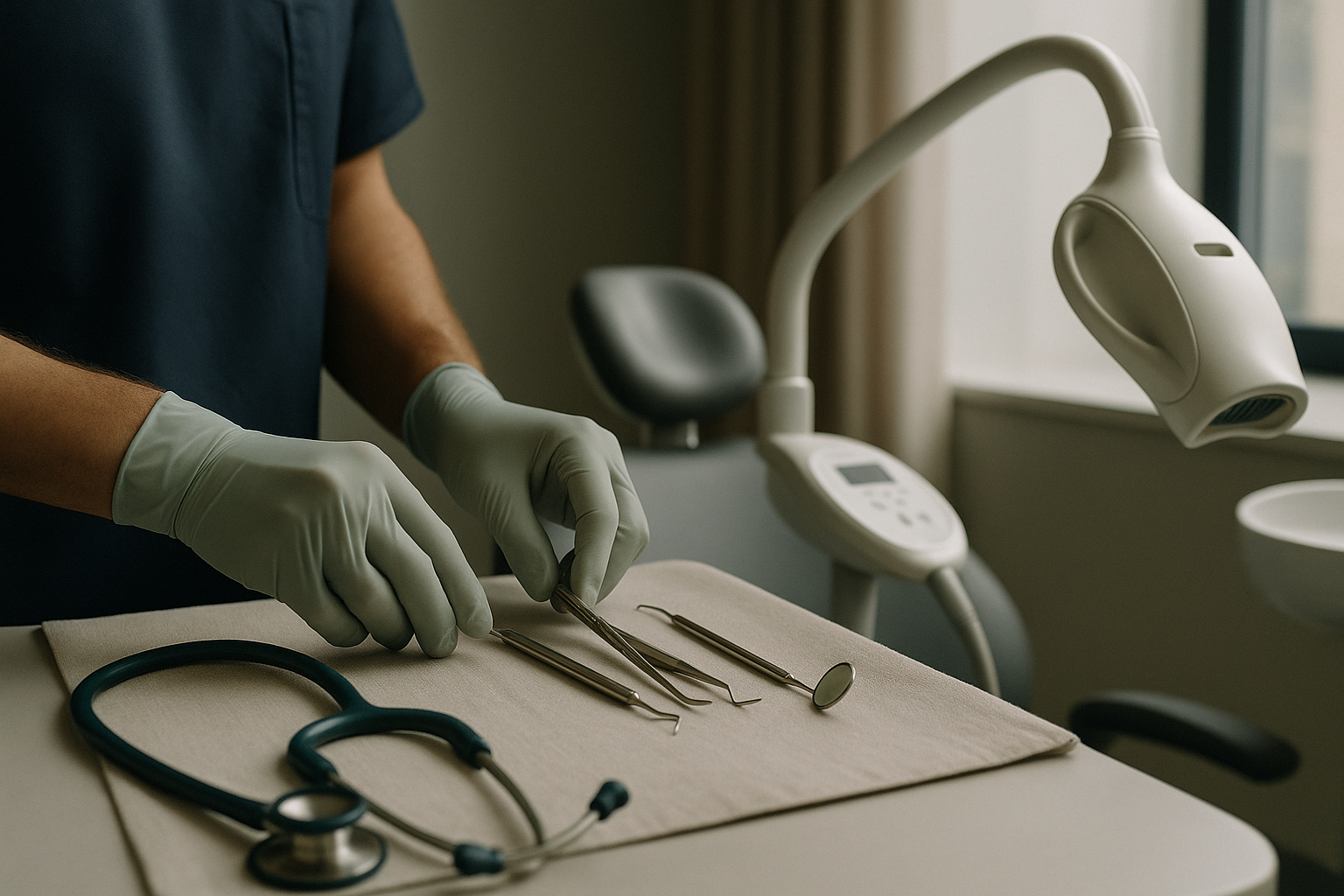
Teeth whitening has become a popular cosmetic dental procedure for those seeking a brighter smile. Understanding the process, costs, and results of teeth whitening before and after treatment is essential for making informed decisions. This article provides a comprehensive overview of what to expect when considering teeth whitening, particularly in Turkey.
What is Teeth Whitening?
Teeth whitening is a cosmetic dental procedure designed to lighten the color of your teeth. It helps remove stains and discoloration, creating a brighter, more appealing smile. The process involves using a bleaching agent, usually hydrogen peroxide or carbamide peroxide, to break down stains on the tooth surface. This procedure can be transformative for individuals dealing with stains caused by food, drinks, tobacco, or aging. The bleaching agents work by penetrating the enamel and breaking down the compounds that cause discoloration, effectively lightening the tooth’s natural color.
There are primarily two methods for teeth whitening: in-office and at-home treatments. In-clinic treatments typically offer more immediate and noticeable results due to the use of high-concentration bleaching agents and specialized equipment. These can lighten teeth by several shades in just one session. For instance, in-office treatments can achieve up to eight shades lighter in about an hour. On the other hand, at-home kits, which often include gels, strips, or trays, may take several weeks to achieve the desired effect. They are generally more affordable and convenient but require consistent application and patience.
Choosing between these methods depends on personal preference, budget, and time availability. If you need quick results for an event, in-office treatment might be best. However, if you prefer a gradual change or are on a budget, starting with an at-home kit could be more appropriate. Consulting with a dental professional can guide you to the most suitable approach based on your teeth’s condition and your specific goals. They may recommend a combination of both methods to optimize results and maintain them over time.
How Does Teeth Whitening Work?
The teeth whitening process involves applying a bleaching agent to the teeth, which penetrates the enamel to reach the discolored molecules. The oxygen molecules from the bleaching agent react with the discolored molecules in your teeth, breaking them apart and making them less visible. This chemical reaction is what results in the whitening effect, effectively reversing years of staining. The effectiveness of the whitening process can be influenced by the concentration of the bleaching agent and the duration of the application.
Professional teeth whitening treatments are often more effective due to the higher concentration of bleaching agents used. These treatments are typically performed in a dental clinic under the supervision of a qualified dentist to ensure safety and optimal results. The dentist may use techniques like laser or light activation to enhance the bleaching effect, reducing the time needed to achieve noticeable results. This is particularly beneficial for individuals with time constraints or those seeking immediate improvements.
At-home whitening kits usually contain a lower concentration of the active ingredient, requiring more frequent applications to achieve similar results. While these kits can be convenient and are a good starting point for minor discoloration, they may not be as effective for severe discoloration. Patients with deep intrinsic stains might require a combination of both professional treatments and at-home maintenance to achieve and maintain the desired level of whiteness. It’s crucial to follow the instructions carefully to avoid overuse, which can lead to tooth sensitivity or gum irritation. Regular evaluations by a dental professional can help track progress and adjust treatments as needed.
Teeth Whitening Before and After: What to Expect
When considering teeth whitening before and after results, it’s important to set realistic expectations. The degree of whitening can vary based on several factors, including the initial shade of your teeth, the type of staining, and the method used. For example, teeth with yellow tones generally respond better to whitening treatments compared to teeth with brown or gray shades. This is because yellow stains are usually on the surface, making them easier to remove compared to deeper, intrinsic stains.
In-clinic treatments often result in a noticeable improvement after just one session, with teeth appearing several shades lighter. This immediate effect is ideal for those seeking quick enhancements, such as brides before their wedding day or professionals before important meetings. However, the longevity of the results largely depends on individual habits, such as coffee or wine consumption, smoking, and oral hygiene practices. It’s important to note that maintaining results requires ongoing care and may involve periodic touch-ups.
At-home treatments may take several weeks to achieve similar results, but they can be a more affordable option for those on a budget. They offer flexibility and can be used to maintain the results of professional treatments. It’s essential to follow post-treatment care instructions provided by your dentist to maintain the results and minimize the risk of sensitivity or other side effects. Regular dental check-ups and good oral hygiene practices, including brushing with whitening toothpaste and flossing, are also crucial for sustaining the whitening effects and ensuring overall oral health. Implementing lifestyle changes, such as using a straw when drinking colored beverages, can also help prolong the effects of teeth whitening.
How Much Does Teeth Whitening Cost in Turkey?
The cost of teeth whitening in Turkey can vary depending on the clinic, the type of treatment, and the expertise of the dental professionals involved. On average, professional teeth whitening in Turkey ranges from £100 to £300. This price includes the cost of the materials, the dentist’s time, and the use of specialized equipment. It’s a fraction of what similar treatments might cost in countries like the UK or the US, where prices can range from £400 to £1,000 for similar procedures.
This cost is often significantly lower than in many Western countries, making Turkey an attractive destination for dental tourism. The affordability, coupled with high-quality dental services, has contributed to the growing popularity of teeth whitening in Turkey. Many clinics offer package deals that include accommodation and transportation, providing added convenience for international patients. These packages can be an economical choice for those seeking to combine dental care with travel.
It’s important to research and choose a reputable clinic with experienced professionals to ensure safety and satisfactory results. Consider factors such as clinic accreditation, patient reviews, and the qualifications of the dental staff. Look for clinics that offer transparent pricing and comprehensive consultations to avoid unexpected costs. Inquire about the type of whitening products used and any additional services offered, such as follow-up care or touch-up treatments. A well-informed decision can lead to a successful and satisfying teeth whitening experience.
Choosing a Teeth Whitening Clinic in Turkey
When selecting a teeth whitening clinic in Turkey, it’s crucial to consider several factors to ensure a safe and effective treatment experience. Start by researching clinics with positive patient reviews and testimonials. Online platforms, dental forums, and social media can be valuable resources for gathering insights from past patients. Look for clinics that are accredited and have experienced dental professionals on staff. Accreditation by recognized dental associations is a strong indicator of a clinic’s commitment to quality and patient safety.
Verify the credentials of the dental team and ensure they are qualified to perform cosmetic dental procedures. This includes checking their education, certifications, and any specialized training they may have undergone. It’s also beneficial to inquire about the specific whitening methods offered and the expected results based on your individual dental condition. Some clinics may also offer digital previews of potential results, which can help set realistic expectations and give you a clearer picture of what to expect from the treatment.
Consider scheduling a consultation before committing to a treatment plan. This allows you to discuss your expectations, concerns, and any questions you may have with the dental team. A reputable clinic will provide transparent information about the procedure, costs, and potential risks. During the consultation, take note of the clinic’s cleanliness, the professionalism of the staff, and the level of patient care. These factors can significantly impact your overall experience and the success of the treatment. Ensuring you feel comfortable and confident with your choice is key to a positive outcome.
Safety and Accreditation in Dental Tourism
Dental tourism, including teeth whitening, can offer cost-effective solutions for those seeking high-quality dental care. However, it’s essential to prioritize safety and accreditation when choosing a clinic abroad. Accreditation by recognized dental associations and regulatory bodies ensures that the clinic adheres to specific standards of quality and safety in dental care. This provides an additional layer of assurance that the procedures will be performed under appropriate conditions.
Ensure the clinic is accredited by relevant dental associations and regulatory bodies. Accreditation signifies that the clinic meets specific standards of quality and safety in dental care. It’s also important to verify the qualifications of the dental professionals involved in your treatment. This can often be done through the clinic’s website or by directly contacting the professional bodies in Turkey. Checking for membership in international dental organizations can also indicate a commitment to continued education and adherence to global standards.
Communicate openly with the clinic about any medical conditions or medications you are taking, as these can affect the suitability of whitening treatments. A responsible clinic will assess your individual needs and provide personalized recommendations. Be wary of clinics that promise guaranteed results without a thorough initial examination or consultation. Transparency and a patient-centered approach are key indicators of a trustworthy clinic. Additionally, inquire about aftercare services and support in case you experience any side effects or require further assistance post-treatment. This ensures you have access to necessary care and guidance even after returning home.
Conclusion: Achieving a Brighter Smile
Teeth whitening can significantly enhance your smile and boost your confidence. By understanding the process, costs, and what to expect before and after treatment, you can make informed decisions about your dental care. The visual impact of teeth whitening before and after can be quite striking, offering a renewed sense of self-assurance. Many people find that whiter teeth contribute to a more youthful appearance and a positive first impression.
Turkey offers an attractive destination for those seeking affordable and high-quality teeth whitening treatments. By choosing a reputable clinic and following professional advice, you can achieve the desired whitening results safely and effectively. The combination of affordability and quality makes Turkey a leading choice for many international patients. Additionally, the opportunity to combine dental care with a travel experience adds value to the overall journey.
Whether you opt for an in-clinic treatment or an at-home kit, maintaining good oral hygiene and regular dental check-ups is essential for preserving the brightness of your smile. Consider adopting lifestyle changes to prevent staining, such as reducing coffee intake or quitting smoking. With the right care and maintenance, the effects of teeth whitening can last for several months, keeping your smile bright and radiant. Regular touch-ups and dental visits can help sustain the effects, ensuring your investment in your smile remains visible and vibrant over time.
Proven result
20 to 200 hair-transplant patients a month from Australia
Aesthetic surgery group
Frequently asked questions
How much is teeth whitening in Turkey?
Teeth whitening in Turkey typically ranges from £100 to £300, depending on the clinic and treatment method.
What should I expect from teeth whitening before and after?
Teeth whitening can lighten your teeth by several shades. In-clinic treatments often provide immediate results, while at-home kits may take weeks.
Is teeth whitening in Turkey safe?
Yes, if you choose a reputable and accredited clinic with qualified professionals, teeth whitening in Turkey can be safe and effective.
How do I choose a teeth whitening clinic in Turkey?
Research clinics with positive reviews, verify accreditation, and ensure the dental team is qualified. Consider scheduling a consultation.
What is the difference between in-clinic and at-home teeth whitening?
In-clinic treatments use higher concentrations of bleaching agents for quicker results, while at-home kits offer convenience and affordability.
Related guides

What Is a Medical Travel Facilitator and Why Use One?
A lower treatment quote can look compelling until you try to compare what it actually includes: surgeon fees,…

What Hospital Accreditation Reviews Really Tell You
A hospital can have polished facilities, prominent surgeons, and hundreds of five-star ratings, yet those signals do not…

International Patient Onboarding Guide for Hospitals
An international patient inquiry is not simply a lead. It is a person weighing a major medical decision…