
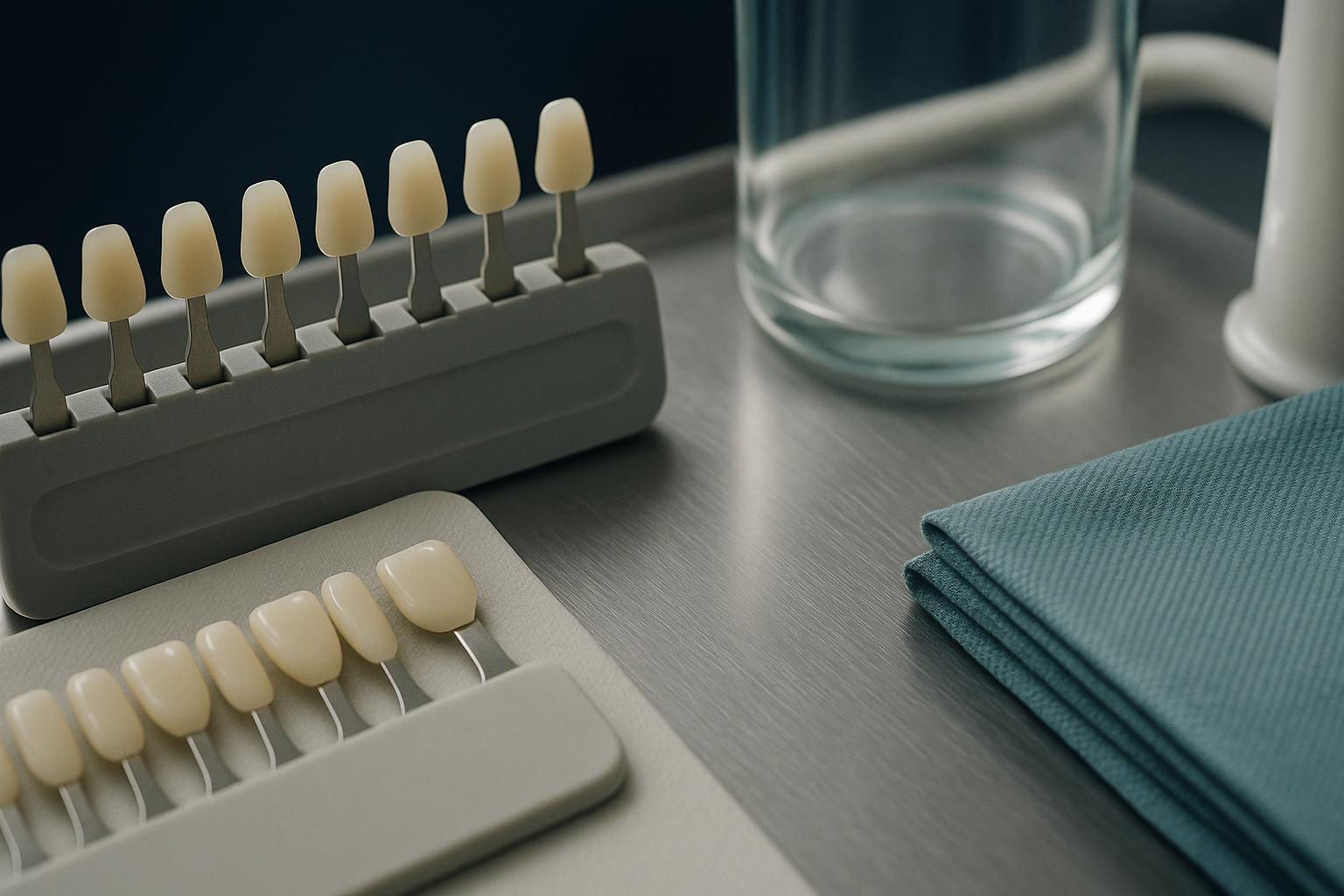
Tooth bleaching, a popular cosmetic dental procedure, can dramatically alter the appearance of your smile. By understanding the effects before and after treatment, you can make informed decisions about undergoing this procedure abroad. This guide covers essential aspects, including costs, timelines, and safety considerations.
What is Tooth Bleaching and How Does it Work?
Tooth bleaching is a process that uses chemical agents to lighten the colour of teeth. The most common agents include hydrogen peroxide or carbamide peroxide, which penetrate the enamel and break down the stains. This procedure is often performed in a dental clinic but can also be done at home with professional kits.
The effectiveness of tooth bleaching depends on the concentration of the bleaching agent and the duration of application. Typically, in-office treatments yield faster results due to the higher concentration of bleaching agents used under professional supervision. At-home kits, while effective, usually take longer to achieve the desired results. For example, an in-office treatment might take just one hour to lighten teeth several shades, whereas at-home treatments could require several weeks of consistent use to achieve a similar outcome.
It’s essential to understand that tooth bleaching is primarily for removing extrinsic stains caused by food, beverages, or smoking. Intrinsic stains, which are deeper within the tooth, may require alternative treatments such as veneers. Understanding the type of staining is crucial, as it determines the most effective treatment method. Consulting with a dental professional can provide clarity on whether tooth bleaching is suitable for your specific dental condition. Additionally, those with restorations like crowns or fillings should note that these materials do not bleach, potentially leading to uneven coloring.
What Should You Expect Before and After Tooth Bleaching?
Before undergoing tooth bleaching, a thorough dental evaluation is crucial. This assessment helps determine if your teeth and gums are healthy enough for the procedure. Dentists often recommend a professional cleaning session to remove plaque and tartar, ensuring the bleaching agent can work effectively. The pre-treatment evaluation also allows for the detection of any underlying dental issues that might need addressing before bleaching.
After tooth bleaching, patients typically notice a significant improvement in the whiteness of their teeth. The degree of whitening can vary based on the initial condition of the teeth and the method used. Immediate results can be seen, especially with in-office treatments, though the full effect may take a few days to become apparent. It is not uncommon for patients to experience slight sensitivity post-treatment, but this usually subsides within a few days.
Post-treatment care is vital to maintain the results. Dentists advise avoiding staining foods and beverages, such as coffee, tea, and red wine, for at least 48 hours after the procedure. Regular dental check-ups and proper oral hygiene also play a crucial role in prolonging the effects of tooth bleaching. Using a soft-bristled toothbrush and a non-abrasive toothpaste can help maintain the new whiteness without damaging the enamel. Furthermore, incorporating a fluoride rinse into your routine can help reduce sensitivity and strengthen tooth enamel, ensuring long-lasting results.
How Much Does Tooth Bleaching Cost?
The cost of tooth bleaching varies significantly depending on the location, the type of procedure, and the dental professional’s expertise. In-office treatments generally range from £300 to £600 per session, whereas at-home kits provided by dentists may cost between £100 and £400. Prices can also fluctuate based on geographic location and the reputation of the dental clinic.
It’s essential to consider that while at-home kits are cheaper, they require a longer commitment and may not be as effective as professional treatments. Patients should weigh the cost against the benefits of achieving a brighter smile in a shorter time frame. For instance, if time is a critical factor, investing in an in-office treatment might be worth the additional cost.
Some dental insurance plans may cover a portion of the cost if the procedure is deemed medically necessary. However, as tooth bleaching is primarily cosmetic, many plans do not offer coverage. It’s advisable to check with your insurance provider to understand your coverage options. Additionally, some dental practices offer financing plans or discounts for multiple treatments, which can help alleviate the financial burden. Another cost-saving strategy is to inquire about package deals that combine tooth bleaching with other dental services, potentially offering better overall value.
How Safe is Tooth Bleaching?
Tooth bleaching is generally considered safe when performed by a qualified dental professional. The procedure has been extensively studied and is deemed effective for most patients. However, some individuals may experience temporary sensitivity or gum irritation, which usually resolves shortly after treatment. It is important to communicate any discomfort to your dentist, as they can adjust the treatment protocol accordingly.
To minimize risks, it’s crucial to follow the dentist’s instructions and avoid overusing at-home kits. Overuse can lead to enamel damage and increased tooth sensitivity. Dental professionals can tailor the treatment to your needs, ensuring the procedure is safe and effective. They can also provide desensitizing treatments post-bleaching to alleviate any discomfort.
The safety of tooth bleaching also depends on the quality of products used. It’s advisable to seek treatments with products approved by relevant health authorities to ensure they meet safety standards. Products that are not regulated may contain harmful additives that could damage teeth or cause adverse reactions. Furthermore, consulting with your dentist about any pre-existing conditions, such as enamel erosion or gum disease, can help mitigate potential risks and ensure a safer bleaching experience.
What are the Alternatives to Tooth Bleaching?
For those who may not be suitable candidates for tooth bleaching, there are alternative cosmetic dentistry procedures available. Veneers and crowns can cover intrinsic stains or significantly discoloured teeth. These options are more invasive and costly but provide a permanent solution to tooth discolouration. Veneers, for instance, involve placing a thin layer of porcelain over the teeth, which can last several years with proper care.
Other alternatives include whitening toothpaste and strips, which can help maintain the whiteness achieved through bleaching. However, these products are generally less effective for deep stains and work best as part of a comprehensive oral care routine. Whitening toothpaste, for example, may only lighten teeth by a shade or two, whereas bleaching can result in a more noticeable improvement.
Discussing with a dental professional can help you explore all possible options and choose the most suitable treatment based on your dental health and aesthetic goals. They can assess the condition of your teeth and recommend the best course of action, whether it’s bleaching or an alternative treatment. For those interested in non-invasive options, laser whitening might be a viable alternative, offering quick results with minimal discomfort.
Is Dental Treatment Abroad a Viable Option?
Considering dental treatment abroad can be a cost-effective option for many patients. Countries known for medical tourism, such as Hungary, Thailand, and Mexico, offer competitive prices for dental procedures, including tooth bleaching. These destinations often provide the same standard of care as in western countries but at a fraction of the price.
When choosing a destination for dental treatment abroad, it’s crucial to research the clinic’s accreditation and the dentist’s qualifications. Accredited clinics adhere to international standards of care, ensuring a safe and effective treatment experience. Many clinics in popular medical tourism destinations are certified by international bodies, providing reassurance about their credibility.
Patients should also factor in travel costs, accommodation, and potential follow-up visits. While the initial cost might be lower, these additional expenses can add up. Planning ahead and creating a detailed budget can help manage costs effectively. It’s also wise to account for recovery time when scheduling travel back home, as some treatments may require a period of rest before it’s advisable to fly. Moreover, considering the language barrier and cultural differences is important to ensure a smooth treatment process and comfortable experience.
How to Choose the Right Dental Clinic Abroad?
Choosing the right dental clinic abroad involves thorough research and careful planning. Start by reading reviews and testimonials from previous patients. This feedback can provide valuable insights into the quality of care and patient satisfaction. Websites like Dental Departure and WhatClinic can be excellent resources for gathering information about different clinics and patient experiences.
Verify the clinic’s accreditation with reputable international bodies, ensuring they meet global standards of dental care. Additionally, confirm that the dental professionals have the necessary qualifications and experience in cosmetic dentistry. Many clinics provide profiles of their practitioners, detailing their education, certifications, and specialties.
Communication is key when receiving treatment abroad. Ensure that the clinic can communicate effectively in your preferred language to avoid misunderstandings and ensure that you can follow post-treatment care instructions accurately. Some clinics offer multilingual staff or translation services to facilitate communication, which can significantly enhance the treatment experience. Furthermore, checking for aftercare services and support offered by the clinic can add an extra layer of assurance during your recovery.
Conclusion
Tooth bleaching offers a safe and effective way to enhance your smile, with noticeable before and after effects. Whether you choose to undergo this treatment at home or abroad, understanding the process, costs, and safety considerations is essential. By making informed decisions, you can achieve the bright, confident smile you desire. It’s always wise to consult with a dental professional who can guide you through the options and ensure that your treatment aligns with your dental health needs and cosmetic goals.
Proven result
20 to 200 hair-transplant patients a month from Australia
Aesthetic surgery group
Frequently asked questions
How long do the effects of tooth bleaching last?
The effects of tooth bleaching can last from six months to two years, depending on lifestyle factors and oral hygiene practices.
Can tooth bleaching be repeated?
Yes, tooth bleaching can be repeated as needed. However, it’s advisable to consult with your dentist to avoid overuse and potential enamel damage.
Is tooth bleaching suitable for everyone?
Tooth bleaching is not suitable for everyone. Individuals with gum disease, significant enamel erosion, or intrinsic stains may require alternative treatments.
What should I do if I experience sensitivity after bleaching?
If you experience sensitivity, use toothpaste for sensitive teeth and avoid hot or cold foods and beverages until the discomfort subsides.
Related guides

What Is a Medical Travel Facilitator and Why Use One?
A lower treatment quote can look compelling until you try to compare what it actually includes: surgeon fees,…

What Hospital Accreditation Reviews Really Tell You
A hospital can have polished facilities, prominent surgeons, and hundreds of five-star ratings, yet those signals do not…

International Patient Onboarding Guide for Hospitals
An international patient inquiry is not simply a lead. It is a person weighing a major medical decision…