
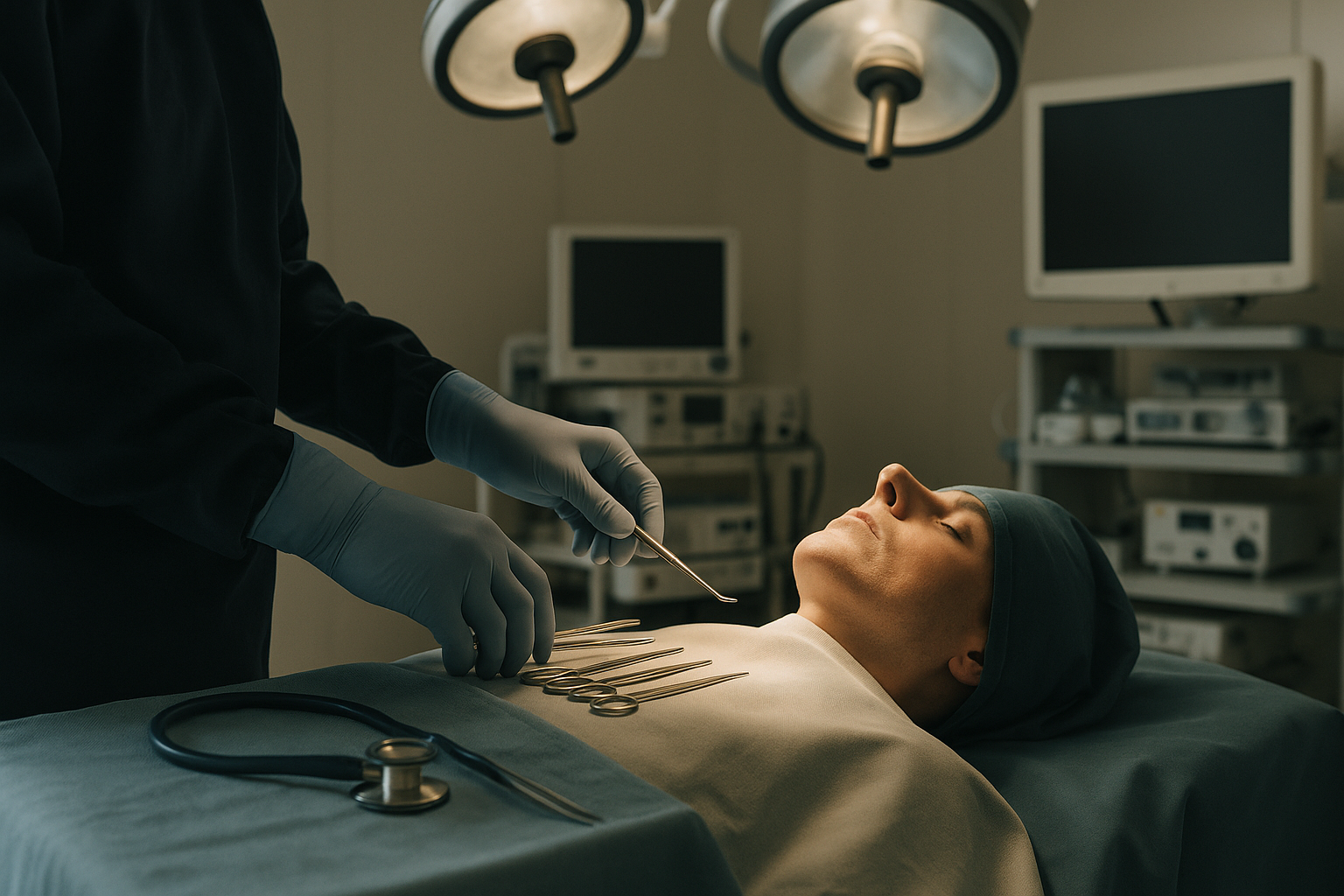
Rhinoplasty, commonly referred to as a ‘nose job’, is a surgical procedure aimed at reshaping the nose for aesthetic or functional reasons. Turkey has become a popular destination for rhinoplasty due to its competitive pricing and skilled surgeons. Understanding the rhinoplasty in Turkey price is crucial for prospective patients considering this option.
What Is the Average Cost of Rhinoplasty in Turkey?
Rhinoplasty in Turkey is known for its affordability compared to many Western countries. The average cost typically ranges from $2,500 to $4,500. This price range can vary based on several factors including the surgeon’s expertise, the complexity of the surgery, and the clinic’s location. It’s important to consider these variables when budgeting for the procedure. For instance, a more complex surgery requiring reconstruction might push the price to the higher end of the spectrum, while a straightforward cosmetic adjustment might be less expensive. Additionally, the clinic’s reputation and the surgeon’s experience can greatly influence the cost.
Turkey’s lower cost of living and favorable exchange rates contribute to the competitive pricing for medical procedures. For example, the cost of living index in Turkey is significantly lower than in the United States, which translates to lower operational costs for clinics. This allows Turkish clinics to offer attractive pricing without compromising the quality of care. However, prospective patients should be wary of deals that seem too good to be true, as they might indicate subpar service or inexperienced practitioners. Always balance cost with the assurance of safety and quality.
However, it’s essential to ensure that the lower cost doesn’t compromise the quality of care. Prospective patients should research and select accredited clinics and experienced surgeons to ensure a successful outcome. Accreditation from organizations such as the Joint Commission International (JCI) can be an indicator of the clinic’s adherence to high standards of care and safety. Patients should also consider the post-operative care offered by the clinic, as proper follow-up is crucial for recovery and achieving the desired results.
How to Choose the Right Surgeon for Rhinoplasty in Turkey?
Choosing a qualified and experienced surgeon is paramount when considering rhinoplasty in Turkey. Start by researching surgeons’ credentials, including their training and board certifications. Look for specialists who have extensive experience in performing rhinoplasty and have a portfolio of successful outcomes. It’s beneficial to choose a surgeon who has performed at least 100 rhinoplasty procedures, as this indicates a high level of expertise. An experienced surgeon will not only have technical skill but also the aesthetic sense necessary to achieve a natural-looking result that complements the patient’s facial features.
Patient reviews and testimonials can provide valuable insights into the surgeon’s reputation and the quality of care provided. Websites such as RealSelf and WhatClinic offer reviews and ratings from past patients, which can be invaluable in assessing the surgeon’s track record. Additionally, consider scheduling a consultation to discuss your expectations and assess the surgeon’s communication skills and approach to patient care. This step is crucial in building trust and confidence in the chosen medical professional. Effective communication ensures that the surgeon understands your goals and can provide realistic expectations.
During the consultation, inquire about the surgeon’s approach to rhinoplasty and their experience with cases similar to yours. This discussion can provide clarity on whether the surgeon’s methodology aligns with your goals. Furthermore, ensure that the surgeon is affiliated with a reputable clinic known for its safety and patient satisfaction standards. Ask about the clinic’s postoperative care and support services, which are important for a smooth recovery. A good surgeon will provide comprehensive guidance on preoperative preparations and postoperative care, enhancing the overall surgical experience.
What Are the Risks of Rhinoplasty and How to Avoid Failure?
Like any surgical procedure, rhinoplasty carries potential risks, including infection, bleeding, and anesthesia complications. Specific to rhinoplasty are risks such as nasal obstruction, asymmetry, and dissatisfaction with the aesthetic results. To mitigate these risks, selecting a highly qualified surgeon is essential. A surgeon with a robust track record significantly reduces the likelihood of complications. Ensuring that the surgery is performed in a well-equipped, accredited clinic further minimizes risks.
Understanding the possibility of rhinoplasty fail is important. A failed rhinoplasty may require revision surgery, which can be more complex and costly. Revision surgeries often cost 50% to 100% more than the initial procedure. To avoid rhinoplasty failure, follow preoperative and postoperative care instructions meticulously and maintain open communication with your surgeon. It’s critical to attend all scheduled follow-up appointments and report any concerns promptly to your medical team.
Preoperative care includes avoiding certain medications that can increase bleeding risk, such as aspirin and ibuprofen, and refraining from smoking, which can impair healing. Postoperative care involves following the surgeon’s guidelines for activity restrictions, wound care, and follow-up appointments. Adherence to these protocols is crucial for a successful outcome and minimizing the risk of complications. Additionally, maintaining a healthy lifestyle and staying well-hydrated can support the healing process. Supplements and medications should only be taken if approved by your surgeon.
What to Expect During the Rhinoplasty Procedure?
Rhinoplasty in Turkey typically involves a few key steps. Initially, patients will undergo a comprehensive evaluation and consultation to discuss their goals and expectations. The surgeon will outline the surgical plan and describe the techniques to be used, which may include open or closed rhinoplasty approaches depending on the desired outcome. It is important for patients to fully understand the procedure, including the potential risks and benefits, to make an informed decision.
The procedure is usually performed under general anesthesia and can take one to three hours, depending on the complexity. During surgery, the surgeon makes precise incisions to access the nasal bones and cartilage. Adjustments are then made to achieve the desired shape and function, whether it’s reducing the size, altering the angle, or correcting a deviated septum. The choice between an open or closed approach depends on the specific changes needed and the surgeon’s expertise; open rhinoplasty provides more visibility for complex alterations, while closed rhinoplasty offers reduced recovery time.
Post-surgery, patients may experience swelling and bruising, which can last several weeks. Recovery protocols will be provided to facilitate healing and achieve the desired results. Patients are typically advised to keep their heads elevated and apply cold compresses to minimize swelling. It’s also common for patients to wear a nasal splint for the first week to support the new shape. The initial stages of recovery might require assistance with daily activities, and patients should arrange for support at home during the first few days post-surgery.
How Long Is the Recovery Time for Rhinoplasty in Turkey?
Recovery time for rhinoplasty varies among individuals, but most patients can expect to resume normal activities within two weeks. Swelling and bruising are common initially, with significant improvement seen within two months. It is essential to follow the recovery guidelines provided by the surgeon to ensure optimal healing and avoid complications. Activities such as heavy lifting, strenuous exercise, and bending over should be avoided during the initial recovery phase to prevent increased swelling or bleeding.
Final results may take up to a year to manifest fully as the nose continues to heal and settle into its new shape. During this time, subtle changes in the nasal contour may occur as swelling decreases and tissues adapt. Patients should attend all scheduled follow-up appointments to monitor progress and address any concerns. These follow-ups allow the surgeon to assess the healing process and make any necessary adjustments to the care plan.
Follow-up appointments with the surgeon are crucial to monitor progress and address any concerns during the recovery phase. Patients are advised to avoid strenuous activities and protect the nose from trauma during the healing process. Activities such as swimming and wearing glasses should be avoided until the surgeon gives clearance. Wearing protective headgear during sports and avoiding crowded places can also help prevent accidental injury to the nose during recovery.
How to Plan for Your Rhinoplasty Trip to Turkey?
Planning a medical trip for rhinoplasty in Turkey involves several steps. Begin by researching and selecting a reputable clinic and surgeon. Once the medical arrangements are in place, coordinate travel logistics such as flights, accommodation, and transportation. Consider proximity to the clinic and availability of support services, as these can impact convenience and comfort during the recovery period. Choosing a hotel or accommodation close to the clinic can reduce stress and make it easier to attend follow-up appointments.
It’s advisable to plan for a stay of at least one to two weeks to accommodate preoperative consultations, surgery, and initial recovery. This duration allows time for any necessary adjustments and ensures you are well-prepared for the procedure. Ensure that you have travel insurance that covers medical procedures abroad, which can provide peace of mind in case of unexpected events. Comprehensive travel insurance should cover not only medical expenses but also trip cancellation or interruption, which can be crucial if plans change unexpectedly.
Understand the visa requirements for entry into Turkey, as these can vary depending on your country of origin. Most visitors can obtain an e-Visa online, which is a straightforward process that can be completed prior to travel. Additionally, familiarize yourself with the local culture and language, although many clinics have English-speaking staff to assist international patients. Bringing a travel companion who can assist with communication and provide emotional support can also be beneficial during your stay.
What Are the Accreditation and Safety Standards for Clinics in Turkey?
Turkey’s healthcare sector is regulated by the Ministry of Health, which ensures that clinics and hospitals adhere to international standards of care. Many clinics in Turkey are accredited by reputable organizations such as the Joint Commission International (JCI), which attests to their commitment to quality and patient safety. JCI accreditation is a mark of excellence and indicates that the clinic meets rigorous safety and care standards. Patients should seek out clinics with such accreditations as a way to ensure they are receiving care at a facility that prioritizes quality and safety.
When selecting a clinic, verify its accreditation status and inquire about its safety protocols. High standards of hygiene, modern equipment, and skilled staff are indicators of a clinic’s commitment to patient care and successful surgical outcomes. Clinics should employ sterilization practices that meet or exceed international norms to prevent infections and other complications. Patients can also ask about the qualifications and training of the medical staff to ensure they are in capable hands.
It’s also important to consider the clinic’s experience with international patients. A clinic that regularly treats foreign patients is likely to be well-equipped to handle the logistical and communication challenges that can arise. Ask about the clinic’s patient coordination services, which can provide valuable support throughout the process, from initial inquiries to follow-up care. These services often include transportation arrangements, translation assistance, and guidance on local accommodations, all of which contribute to a smoother overall experience.
Conclusion
Rhinoplasty in Turkey offers an attractive option for those seeking quality care at a reasonable price. By understanding the cost considerations, choosing the right surgeon, and planning effectively, prospective patients can ensure a safe and successful experience. Comprehensive research and informed decision-making are key to achieving the desired aesthetic and functional outcomes. Patients who take the time to thoroughly prepare and select the right medical professionals are more likely to be satisfied with their results and enjoy a positive recovery journey.
Proven result
20 to 200 hair-transplant patients a month from Australia
Aesthetic surgery group
Frequently asked questions
How much is rhinoplasty in Turkey?
The cost of rhinoplasty in Turkey generally ranges from $2,500 to $4,500, depending on various factors such as surgeon expertise and procedure complexity.
Is rhinoplasty in Turkey safe?
Yes, rhinoplasty in Turkey is generally safe, especially when conducted in accredited clinics by experienced surgeons who adhere to international standards.
What should I consider when choosing a rhinoplasty surgeon in Turkey?
Consider the surgeon’s credentials, experience, patient reviews, and ensure they are board-certified with a track record of successful surgeries.
What are the risks of rhinoplasty failure?
Risks include infection, asymmetry, and dissatisfaction with results. Choosing a qualified surgeon and following care instructions can minimise these risks.
How long is the recovery period after rhinoplasty in Turkey?
Recovery usually takes about two weeks for normal activities, but full results can take up to a year as swelling subsides.
Related guides

What Is a Medical Travel Facilitator and Why Use One?
A lower treatment quote can look compelling until you try to compare what it actually includes: surgeon fees,…

What Hospital Accreditation Reviews Really Tell You
A hospital can have polished facilities, prominent surgeons, and hundreds of five-star ratings, yet those signals do not…

International Patient Onboarding Guide for Hospitals
An international patient inquiry is not simply a lead. It is a person weighing a major medical decision…