
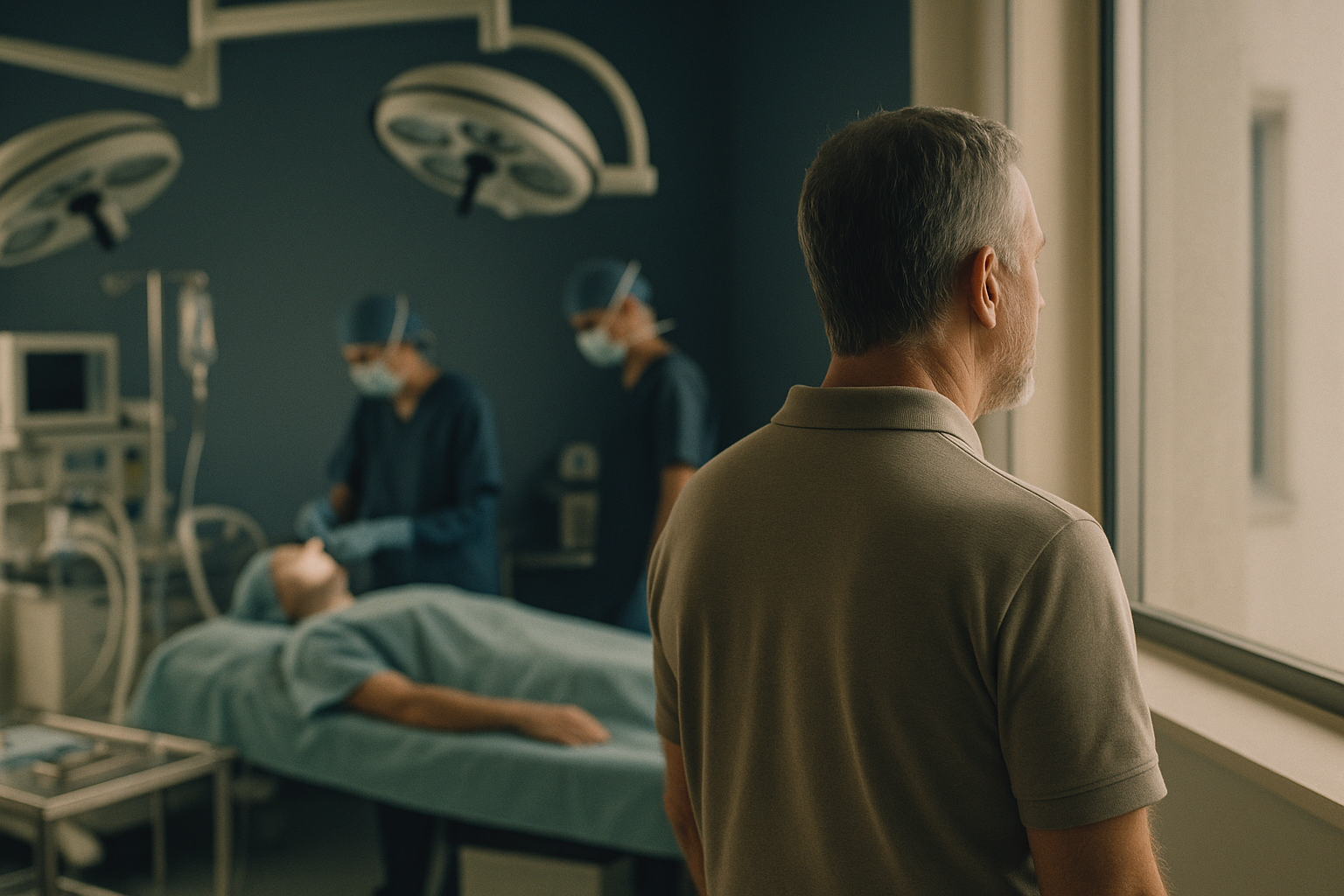
Rhinoplasty, commonly known as a nose job, is a highly sought-after cosmetic procedure. However, the risk of a rhinoplasty fail is a concern for many considering this surgery. Understanding the potential pitfalls and how to avoid them is crucial.
What Causes a Rhinoplasty Fail?
A rhinoplasty fail can result from several critical factors. Inadequate surgical planning is one primary cause. Surgeons must meticulously analyze the patient’s nasal structure, skin type, and facial symmetry to devise a suitable surgical plan. A failure to do so can lead to imbalanced or unnatural results. Comprehensive pre-operative consultations are essential to align the surgical approach with the patient’s expectations and anatomical limitations.
Poor execution during the surgery itself is another significant factor. This includes technical issues such as improper incision placement, which can result in visible scarring, or over-resection of cartilage, which can lead to structural instability or breathing difficulties. Surgeons must have a profound understanding of nasal anatomy and employ precise techniques to avoid these errors. The use of advanced imaging techniques, like 3D modeling, can aid surgeons in visualizing the surgical outcomes beforehand, reducing the margin for error.
Patient expectations also play a crucial role. Unrealistic expectations can lead to dissatisfaction despite technically successful surgeries. It’s vital for patients to discuss their goals candidly with their surgeon and to understand the realistic outcomes and limitations of the procedure. This dialogue can prevent disappointments and ensure the patient has a clear picture of the achievable results. Educational materials and detailed consultations can help set these realistic expectations.
How to Choose a Qualified Surgeon for Rhinoplasty
Choosing the right surgeon is pivotal in preventing a rhinoplasty fail. Prospective patients should prioritize board-certified surgeons who specialize in rhinoplasty and have a robust portfolio of successful cases. Board certification ensures that the surgeon has undergone rigorous training and adheres to high standards of medical ethics and practice. In the U.S., for example, the American Board of Plastic Surgery certification is a key credential to look for.
A transparent and communicative surgeon is crucial. Patients should feel comfortable asking questions about the surgeon’s experience, techniques, and complication rates. Reviewing before-and-after photos of previous patients can provide additional insight into the surgeon’s skill. These photos should be recent and cover a range of cases, showcasing the surgeon’s ability to handle different nasal structures and desired outcomes. A portfolio demonstrating a variety of surgical techniques, such as open versus closed rhinoplasty, is also beneficial.
Reading reviews and testimonials from past patients can offer valuable perspectives on the surgeon’s competence and bedside manner. Online platforms or personal referrals can be useful resources. Furthermore, verifying the surgeon’s qualifications with relevant medical boards and associations can provide peace of mind. Memberships in professional organizations, such as the American Society of Plastic Surgeons, indicate a commitment to ongoing education and professional excellence. Additionally, the surgeon’s involvement in continuing education courses can be a testament to their dedication to staying updated with the latest advancements in rhinoplasty techniques.
Understanding Rhinoplasty in Turkey Price
Rhinoplasty in Turkey is becoming increasingly popular due to its competitive pricing and high standards of care. The cost typically ranges from $2,000 to $4,000, making it an attractive option for those seeking quality surgery at an affordable price. However, prices can vary depending on factors such as the surgeon’s expertise, the complexity of the procedure, and the clinic’s location and reputation. Major cities like Istanbul often house clinics with higher fees due to their popularity and advanced facilities.
For comparison, rhinoplasty procedures in the United States or the United Kingdom can cost upwards of $7,000 to $10,000. This substantial difference makes Turkey an appealing destination for medical tourists. However, cost should not be the sole determining factor. Patients must ensure that the lower price does not come at the expense of quality and safety. It’s advisable to scrutinize the qualifications of the medical team and the accreditation status of the clinic.
To ensure a safe and successful experience, patients are advised to thoroughly research potential clinics. Selecting clinics with international accreditation and positive reviews from past patients is essential. Accreditation from bodies like the Joint Commission International (JCI) guarantees that the clinic meets high standards of patient care and safety, which is crucial in avoiding a rhinoplasty fail. Moreover, some clinics offer packages that include accommodation and transport, which can be a convenient option for international patients.
How to Avoid Rhinoplasty Failure
To avoid a rhinoplasty fail, it’s essential to set realistic expectations and communicate clearly with your surgeon about your desired results. This involves a detailed pre-operative discussion where the surgeon evaluates your nasal structure and discusses potential outcomes. Visual aids like computer imaging can help both parties visualize the expected results. Such technology can offer a realistic preview, helping to align the patient’s expectations with achievable outcomes.
Patients must adhere strictly to pre- and post-operative instructions to ensure optimal healing and outcomes. This includes avoiding certain medications, refraining from smoking, and managing any health conditions that could impair recovery. Following these guidelines minimizes complications and supports the body’s natural healing processes. For instance, avoiding aspirin and other blood-thinning medications can reduce the risk of excessive bleeding.
- Choose a reputable clinic with experienced surgeons.
- Understand the risks and manage expectations.
- Adhere to all medical advice and post-surgery care instructions.
Regular follow-up appointments with the surgeon are also essential. These visits allow the surgeon to monitor the healing process, address any concerns, and make timely interventions if necessary. A commitment to this ongoing care can significantly impact the success of the surgery and help avoid a rhinoplasty fail. Continuous communication with the healthcare team ensures that any potential complications are swiftly addressed.
Recovery Timeline for Rhinoplasty
Recovery from rhinoplasty typically spans several weeks, with initial swelling and bruising subsiding within the first two weeks. However, it’s important to note that complete healing and the final result can take up to a year as the nasal tissues gradually settle into their new shape. Patience during this period is key, as the nose may undergo subtle changes over time.
During the initial recovery phase, patients should avoid strenuous activities and follow their surgeon’s guidelines closely. Activities that increase blood pressure, such as heavy lifting or intense exercise, should be avoided to prevent complications like bleeding or prolonged swelling. This cautious approach aids in a smoother recovery process and enhances the final results. Light activities, like walking, can promote circulation without risking harm.
Adhering to a healthy lifestyle is also crucial. Proper nutrition, hydration, and rest can promote healing and reduce recovery time. Additionally, protecting the nose from injury and sun exposure during recovery is vital. Wearing a hat or using sunscreen can prevent skin damage, which could otherwise affect the aesthetic outcome of the surgery. Adequate rest and elevation of the head during sleep can also help in minimizing swelling.
Accreditation and Safety in Medical Tourism
Ensuring the safety and accreditation of the clinic is crucial when considering rhinoplasty abroad. Patients should seek clinics accredited by international health organizations, which ensures adherence to global standards of care and safety. Accreditation bodies like the JCI or the International Organization for Standardization (ISO) provide benchmarks for quality and safety. These accreditations signal that the clinic has met stringent criteria relating to patient care and operational standards.
- Check for affiliations with global health bodies.
- Verify the qualifications of the medical team.
- Ensure the clinic follows international safety protocols.
Accreditation guarantees that the clinic adheres to high standards of patient care and safety. This includes having qualified staff, proper facilities, and protocols for handling emergencies. Patients should also inquire about the clinic’s policies on post-operative care and how they handle any complications that may arise, ensuring a comprehensive approach to patient safety and satisfaction. Understanding the clinic’s infection control measures and emergency response protocols can further assure patients of their commitment to safety.
Conclusion: Ensuring a Successful Rhinoplasty
By thoroughly researching and choosing a qualified surgeon and accredited clinic, patients can significantly mitigate the risk of a rhinoplasty fail. This involves evaluating the surgeon’s credentials, understanding the clinic’s safety standards, and ensuring clear communication of expectations. Utilizing resources such as patient forums and professional organizations can assist in making informed decisions.
Realistic expectations and stringent adherence to medical advice are key to a successful outcome. Patients should remain engaged in their care process, from initial consultations to post-operative follow-ups. With careful planning and execution, rhinoplasty can enhance both appearance and self-confidence, providing a rewarding experience for those seeking cosmetic enhancement. The journey to achieving desired results is collaborative, requiring active participation from both patient and surgeon.
Proven result
20 to 200 hair-transplant patients a month from Australia
Aesthetic surgery group
Frequently asked questions
What should I do if I experience a rhinoplasty fail?
Consult with your surgeon immediately to assess the situation. Depending on the issue, revision surgery may be necessary for correction.
How much does rhinoplasty cost in Turkey?
The cost of rhinoplasty in Turkey ranges from $2,000 to $4,000, depending on the surgeon’s experience and clinic location.
How can I choose the best surgeon for rhinoplasty in Turkey?
Look for board-certified surgeons with a strong portfolio of successful rhinoplasty procedures and positive patient reviews.
What are the risks of rhinoplasty failure?
Risks include unsatisfactory results, breathing difficulties, and the need for revision surgery. Choosing an experienced surgeon can minimize these risks.
How long does it take to recover from rhinoplasty?
Initial recovery takes about two weeks, but complete healing can take up to a year. Follow your surgeon’s guidelines for best results.
Related guides

What Is a Medical Travel Facilitator and Why Use One?
A lower treatment quote can look compelling until you try to compare what it actually includes: surgeon fees,…

What Hospital Accreditation Reviews Really Tell You
A hospital can have polished facilities, prominent surgeons, and hundreds of five-star ratings, yet those signals do not…

International Patient Onboarding Guide for Hospitals
An international patient inquiry is not simply a lead. It is a person weighing a major medical decision…