
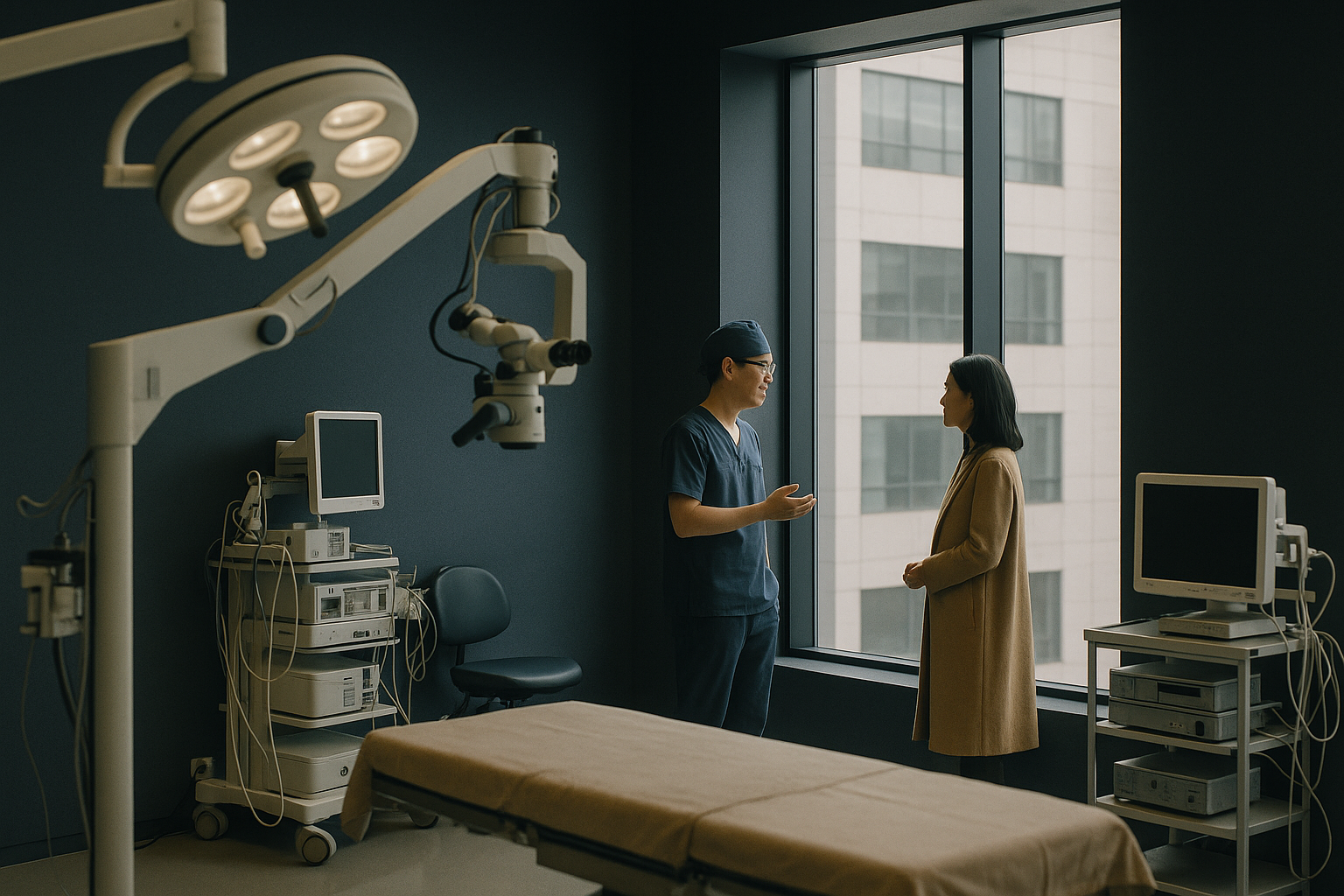
Choosing to undergo plastic surgery abroad requires careful consideration of various factors, including the country with the most plastic surgery procedures. South Korea stands out as a global leader, offering advanced techniques and a high volume of surgeries.
Why is South Korea the Country with Most Plastic Surgery?
South Korea is recognized as the country with the most plastic surgery procedures due to its innovative approaches and cultural acceptance of cosmetic enhancements. In South Korea, cosmetic surgery is not only normalized but often encouraged as a means to enhance career prospects and social standing. This societal acceptance has cultivated a booming industry with a wide range of procedures such as rhinoplasty, double eyelid surgery, jaw reduction, and skin rejuvenation treatments. The focus on maintaining a youthful and attractive appearance is deeply ingrained in Korean culture, which significantly drives the demand for cosmetic procedures.
The country’s expertise in procedures like rhinoplasty, eyelid surgeries, and contouring draws numerous international patients. South Korean surgeons are renowned for their precision and artistry, often setting global trends in aesthetic surgery. Clinics are equipped with state-of-the-art technology, providing patients with world-class surgical outcomes. The use of advanced 3D imaging, minimally invasive techniques, and personalized surgical plans are common practices that contribute to high satisfaction rates among patients. The meticulous attention to detail and the esthetic finesse that South Korean surgeons bring to their work often result in superior aesthetic outcomes, attracting patients from all over the world.
Moreover, the competitive pricing compared to Western countries makes South Korea an attractive destination for those seeking quality yet affordable cosmetic procedures. For example, a typical rhinoplasty procedure in South Korea ranges from $3,000 to $5,000, which is significantly lower than the $5,000 to $10,000 range in the USA. This affordability, combined with high-quality outcomes, makes South Korea a preferred choice for many seeking cosmetic enhancements. Additionally, South Korea’s medical tourism infrastructure supports international patients with language assistance, travel arrangements, and post-operative care, ensuring a seamless experience. The comprehensive nature of these services reduces the logistical burden on patients, allowing them to focus on their recovery and cosmetic goals.
What Factors Make a Country a Leader in Plastic Surgery Volume?
Several factors contribute to a country achieving a high volume of plastic surgery procedures. Firstly, the availability of skilled surgeons is crucial. Countries with rigorous medical education and training programs tend to produce highly competent surgeons who are capable of performing a wide range of procedures safely and effectively. For instance, South Korean surgeons undergo extensive training and are required to stay updated with the latest advancements in cosmetic surgery techniques. This ongoing education ensures that they are well-versed in the most current and effective surgical methods, which increases their ability to attract and retain patients.
Cutting-edge technology also plays a pivotal role. Countries that invest in the latest surgical equipment and technologies, such as laser treatments and robotic-assisted surgeries, can offer more precise and less invasive options to patients. This technological edge not only enhances the quality of outcomes but also attracts international patients seeking the best possible care. Moreover, a supportive healthcare infrastructure, including well-regulated clinics and hospitals, ensures that patients receive consistent, high-quality care. The integration of technology into everyday practice allows for more efficient procedures and often quicker recovery times, which is a significant consideration for patients.
In addition, cultural attitudes towards cosmetic surgery significantly impact a country’s plastic surgery volume. In societies where aesthetic enhancements are socially accepted or even encouraged, there is a higher demand for such procedures. Affordability and accessibility of treatments further boost a country’s standing in the global plastic surgery arena. Countries that offer affordable pricing, without compromising on quality, attract patients from around the world. Finally, the quality of aftercare and patient satisfaction are critical, as these factors encourage word-of-mouth referrals, further increasing the volume of procedures. Patient testimonials and success stories play a crucial role in influencing potential patients, thereby sustaining the industry’s growth.
Comparing Costs: South Korea Versus Other Countries
Cost is a major consideration for international patients seeking plastic surgery. While South Korea is known for its affordability, prices vary depending on the procedure and the clinic. For instance, rhinoplasty can range from $3,000 to $5,000 in South Korea, compared to $5,000 to $10,000 in the USA, and $2,500 to $7,000 in Brazil. Similarly, a facelift procedure in South Korea might cost between $7,000 and $10,000, whereas in the USA, it ranges from $8,000 to $15,000.
| Procedure | South Korea | USA | Brazil |
|---|---|---|---|
| Rhinoplasty | $3,000 – $5,000 | $5,000 – $10,000 | $2,500 – $7,000 |
| Facelift | $7,000 – $10,000 | $8,000 – $15,000 | $4,000 – $8,000 |
Despite the competitive costs, South Korea maintains high standards of safety and quality, ensuring patients receive excellent value for their investment. The clinics in South Korea are often accredited by international health organizations, which ensures that they adhere to stringent safety standards and protocols. This commitment to safety and quality, combined with affordable pricing, makes South Korea a top choice for patients worldwide. The rigorous accreditation processes ensure that patients are treated in well-maintained facilities by highly qualified professionals, further enhancing patient confidence and satisfaction.
Additionally, many clinics offer comprehensive packages that include not only the surgery but also accommodation, transportation, and post-operative care. This all-inclusive approach provides convenience and peace of mind for international patients, allowing them to focus solely on their recovery. Patients are advised to thoroughly research and compare costs across different countries and clinics to ensure they are getting the best possible deal without compromising on the quality of care. Comparison shopping and detailed research can reveal hidden costs or savings that might not be immediately apparent, allowing patients to make more informed financial decisions.
Which Country is Best for Hair Transplant?
When it comes to hair transplant procedures, Turkey emerges as the best country due to its reputation for skilled surgeons and state-of-the-art clinics. The country has become a hub for hair restoration, attracting thousands of patients annually. Turkey offers a range of hair transplant techniques, with Follicular Unit Extraction (FUE) being particularly popular due to its minimally invasive nature and natural-looking results. The FUE method involves extracting individual hair follicles and transplanting them to the desired area, minimizing scarring and ensuring a more natural appearance.
Patients also benefit from comprehensive care packages, including accommodation and transportation, making the process convenient and stress-free. Clinics in Turkey often provide detailed consultations and personalized treatment plans tailored to each patient’s specific needs. This level of customization ensures optimal results and high satisfaction rates among patients. The detailed consultations allow patients to understand what to expect from the procedure, set realistic expectations, and tailor the treatment to their unique hair loss patterns and goals.
The cost-effectiveness of treatments in Turkey further enhances its appeal to international patients. Typically, hair transplant procedures in Turkey can cost between $1,500 and $3,500, significantly lower than in many Western countries. This affordability, combined with the high success rate of procedures, contributes to Turkey’s standing as a top destination for hair transplants. The country’s strategic location and robust medical tourism infrastructure also make it easily accessible for patients from Europe, the Middle East, and beyond. The combination of skilled practitioners, advanced techniques, and affordability makes Turkey a compelling choice for those considering hair restoration abroad.
Ensuring Safety and Accreditation in Plastic Surgery Abroad
Safety is paramount when considering plastic surgery abroad. Prospective patients should verify the accreditation and reputation of clinics and surgeons. Look for certifications from recognized international bodies, such as the Joint Commission International (JCI) or the International Society of Aesthetic Plastic Surgery (ISAPS), which ensure adherence to global safety standards. Accreditation by these bodies indicates that a clinic follows rigorous protocols for patient care, infection control, and surgical outcomes. These standards are designed to protect patients and ensure that they receive care that meets international quality benchmarks.
It’s crucial to check the clinic’s track record and patient reviews to gauge the quality of care provided. Many clinics feature testimonials from past patients on their websites, which can offer insights into the experiences and satisfaction levels of previous clients. Additionally, online platforms and forums can be valuable resources for gathering unbiased reviews and recommendations. Engaging with previous patients and reading their experiences can provide a realistic picture of what to expect and help potential patients identify trusted clinics and surgeons.
Personal consultations with surgeons can also help patients make informed decisions. During these consultations, patients should feel comfortable asking questions about the surgeon’s experience, the clinic’s facilities, and the specifics of the procedure. A transparent and open dialogue with the surgeon is essential for building trust and ensuring that patients have realistic expectations about the outcomes. This level of communication helps to align expectations and reduce the risk of dissatisfaction post-surgery, as patients will have a clearer understanding of the potential results and recovery process.
Patients should also be aware of the healthcare policies in the chosen country, including the availability of emergency care and post-operative support. Understanding the legal and regulatory framework can help patients navigate any unforeseen issues and ensure they receive the necessary care throughout their surgical journey. Being informed about the local healthcare system can equip patients to handle complications should they arise, ensuring that they have access to necessary medical resources when needed.
Timeline and Planning for Plastic Surgery Overseas
Planning for plastic surgery overseas involves several steps and timelines. Patients should start by researching potential countries and clinics, allowing ample time for consultations and decision-making. This initial research phase might take several weeks to months, depending on the complexity of the procedure and the patient’s specific requirements. It’s important to use this time to gather as much information as possible about the potential options, including the cost, surgeon expertise, and clinic reputation.
Once a clinic is chosen, scheduling the procedure typically requires booking several weeks in advance. Patients need to plan for pre-operative assessments, which might include medical tests and consultations with the surgical team. These assessments are crucial for ensuring that the patient is fit for surgery and for minimizing any risks associated with the procedure. The pre-operative phase is also a time for patients to prepare mentally and physically for the surgery, ensuring they are in optimal health to undergo the procedure.
Post-operative care is another critical aspect that requires careful planning. Patients should be prepared to stay in the country for a period after the surgery to attend follow-up appointments and ensure proper healing. Recovery timelines vary depending on the procedure; for example, a rhinoplasty might require a week’s recovery, whereas more extensive surgeries like a tummy tuck could necessitate a longer convalescence. Patients should ensure they have adequate time off work and support systems in place for a smooth recovery process. Planning for this phase includes arranging for help at home, if necessary, and understanding the physical limitations they may face during recovery.
Additionally, it’s important to consider travel logistics, such as visa requirements, accommodation, and transportation. Some clinics offer packages that include these elements, simplifying the planning process. Thorough preparation and a well-structured timeline can significantly enhance the overall experience and outcomes of undergoing plastic surgery abroad. By meticulously planning each step of the journey, patients can ensure a smoother, more comfortable experience with fewer unexpected challenges.
Conclusion: Making Informed Choices in Cosmetic Surgery
Choosing the country with the most plastic surgery procedures, such as South Korea, requires careful consideration of various factors including costs, surgeon expertise, and safety standards. By conducting thorough research and planning, patients can make informed decisions that align with their aesthetic goals. The process of selecting the right country and clinic should involve a comprehensive evaluation of all available options, weighing the pros and cons of each. Patients should prioritize their individual needs and ensure that their chosen option aligns with their expectations for outcomes and experiences.
International patients should prioritize safety and accreditation, ensuring they receive quality care throughout their surgical journey. This includes verifying the credentials of the surgeons and the accreditation status of the clinics. Patients should also be proactive in understanding the legal and healthcare regulations in the chosen country to safeguard their health and well-being. By being informed about these crucial aspects, patients can minimize risks and enhance the likelihood of a successful surgery and recovery.
Ultimately, the decision to undergo plastic surgery abroad should be made with careful consideration of personal goals, financial constraints, and the potential risks involved. By approaching the process with diligence and an informed mindset, patients can achieve their desired outcomes while minimizing any potential setbacks. The key is to remain patient and thorough in the research phase, ensuring that every aspect of the journey is well-planned and executed. This thoughtful approach can lead to a positive experience and satisfactory results, fulfilling the patient’s aesthetic aspirations while maintaining their health and safety.
Proven result
20 to 200 hair-transplant patients a month from Australia
Aesthetic surgery group
Frequently asked questions
What country is best for hair transplant?
Turkey is considered the best country for hair transplants due to its skilled surgeons, advanced techniques, and affordable pricing.
Which country is the best for hair transplant?
Turkey leads in hair transplants, offering top-notch facilities and diverse techniques like FUE, ensuring excellent results for patients.
Why choose South Korea for plastic surgery?
South Korea offers advanced cosmetic procedures, competitive pricing, and a high volume of surgeries, making it a leader in plastic surgery.
How to ensure safety in plastic surgery abroad?
Verify clinic accreditation, check surgeon credentials, and read patient reviews to ensure safety and quality in plastic surgery abroad.
Related guides

What Is a Medical Travel Facilitator and Why Use One?
A lower treatment quote can look compelling until you try to compare what it actually includes: surgeon fees,…

What Hospital Accreditation Reviews Really Tell You
A hospital can have polished facilities, prominent surgeons, and hundreds of five-star ratings, yet those signals do not…

International Patient Onboarding Guide for Hospitals
An international patient inquiry is not simply a lead. It is a person weighing a major medical decision…