
RF microneedling has gained popularity as a non-surgical procedure for skin rejuvenation, particularly for addressing the common concern of turkey neck. This treatment combines microneedling with radiofrequency energy to enhance skin texture and elasticity. In this article, we will explore the effectiveness, costs, and safety of RF microneedling for turkey neck.
What is RF Microneedling?
RF microneedling is a cosmetic procedure that integrates traditional microneedling with radiofrequency energy. Microneedling involves creating micro-injuries in the skin using fine needles, which stimulates the body’s natural healing process and boosts collagen production. The addition of radiofrequency energy enhances this effect by delivering heat to the deeper layers of the skin, promoting further tightening and rejuvenation. This dual-action process not only encourages the production of new collagen and elastin but also improves the overall texture and tone of the skin.
This procedure is minimally invasive and can be performed on various parts of the body, including the neck, to improve skin texture and firmness. The combination of mechanical and thermal effects helps in reducing the appearance of wrinkles and sagging skin, making it a popular choice for those seeking non-surgical skin tightening. Typically, a session can be completed in under an hour, and the recovery time is minimal, allowing patients to resume their daily activities without significant interruption.
While RF microneedling is beneficial for a wide range of skin types and concerns, it’s particularly effective for those experiencing the early signs of aging. The treatment can be customized based on the patient’s skin condition and desired outcomes, making it a versatile option for both men and women. In addition to its aesthetic benefits, RF microneedling can also address issues like acne scars and enlarged pores, offering a comprehensive solution for skin rejuvenation.
How Effective is RF Microneedling for Turkey Neck?
The effectiveness of RF microneedling for turkey neck largely depends on the individual’s skin condition and the number of sessions undertaken. Most patients report noticeable improvements in skin tightness and texture within a few weeks post-treatment. Multiple sessions, usually spaced a few weeks apart, are often recommended to achieve optimal results. For instance, a treatment plan might consist of three to four sessions spaced four to six weeks apart, allowing the skin ample time to heal and regenerate between treatments.
Clinical studies have shown that RF microneedling can significantly enhance collagen production, leading to firmer and more youthful-looking skin. It is particularly effective for those with mild to moderate skin laxity, offering a non-surgical alternative to more invasive procedures. A study published in a dermatology journal highlighted that patients saw up to a 30% improvement in skin tightness and elasticity after completing a series of RF microneedling sessions.
Moreover, the results of RF microneedling are not limited to immediate post-treatment effects. As collagen continues to build over time, patients may notice further improvements in skin texture and firmness up to six months after their final session. This gradual enhancement makes it an attractive option for individuals seeking subtle yet significant improvements without the drastic changes associated with surgical procedures. The procedure’s ability to deliver long-lasting results with minimal downtime is a key factor contributing to its growing popularity.
What Are the Costs and Timelines for Treatment?
The cost of RF microneedling varies depending on the clinic, geographical location, and the extent of the treatment area. On average, patients can expect to pay between $500 to $2,500 per session. It’s important to consult with a qualified practitioner to obtain a personalized quote and treatment plan. Prices can vary significantly, with urban areas typically commanding higher rates due to increased demand and overhead costs. In contrast, clinics in smaller towns may offer more competitive pricing.
As for the timeline, each session typically lasts between 30 to 60 minutes, with minimal downtime required afterward. Most individuals can return to their daily activities immediately, although some may experience mild redness or swelling for a few days. It’s recommended to avoid direct sun exposure and to use a high-SPF sunscreen to protect the skin during the healing process. The downtime associated with RF microneedling is generally short, with most patients experiencing only minor skin irritation that resolves quickly.
When planning for RF microneedling, it’s crucial to consider the total cost of multiple sessions, as a single treatment is unlikely to yield the desired results. Practitioners often offer package deals for a series of sessions, which can provide cost savings and ensure a comprehensive approach to skin rejuvenation. Additionally, some clinics offer financing options to make these treatments more accessible to a wider range of patients. This financial flexibility allows individuals to invest in their skin health without the burden of upfront costs.
Is RF Microneedling Safe?
RF microneedling is considered a safe procedure when performed by a qualified and experienced practitioner. The risks associated with this treatment are minimal, with common side effects including temporary redness, swelling, and minor discomfort. These usually resolve within a few days. Rarely, more serious complications such as infection or prolonged erythema can occur, typically due to improper technique or inadequate post-procedure care.
To ensure safety, it’s crucial to have a thorough consultation with your practitioner to discuss any potential risks and to ensure you are a suitable candidate for the treatment. Always verify the credentials of the clinic and practitioner before proceeding. A qualified practitioner will evaluate your medical history, skin type, and specific concerns to tailor the treatment plan to your needs. They will also provide detailed aftercare instructions to maximize results and minimize the risk of adverse effects.
Patients with certain skin conditions, such as active acne or rosacea, may require additional precautions or alternative treatments. It’s essential to disclose all relevant medical information during the initial consultation to ensure the procedure is appropriate for your skin type and concerns. By choosing a reputable clinic and adhering to recommended guidelines, patients can enjoy the benefits of RF microneedling with confidence in its safety and efficacy. The procedure’s track record of safety and patient satisfaction continues to make it a preferred choice for non-surgical skin rejuvenation.
What Should You Expect During the Procedure?
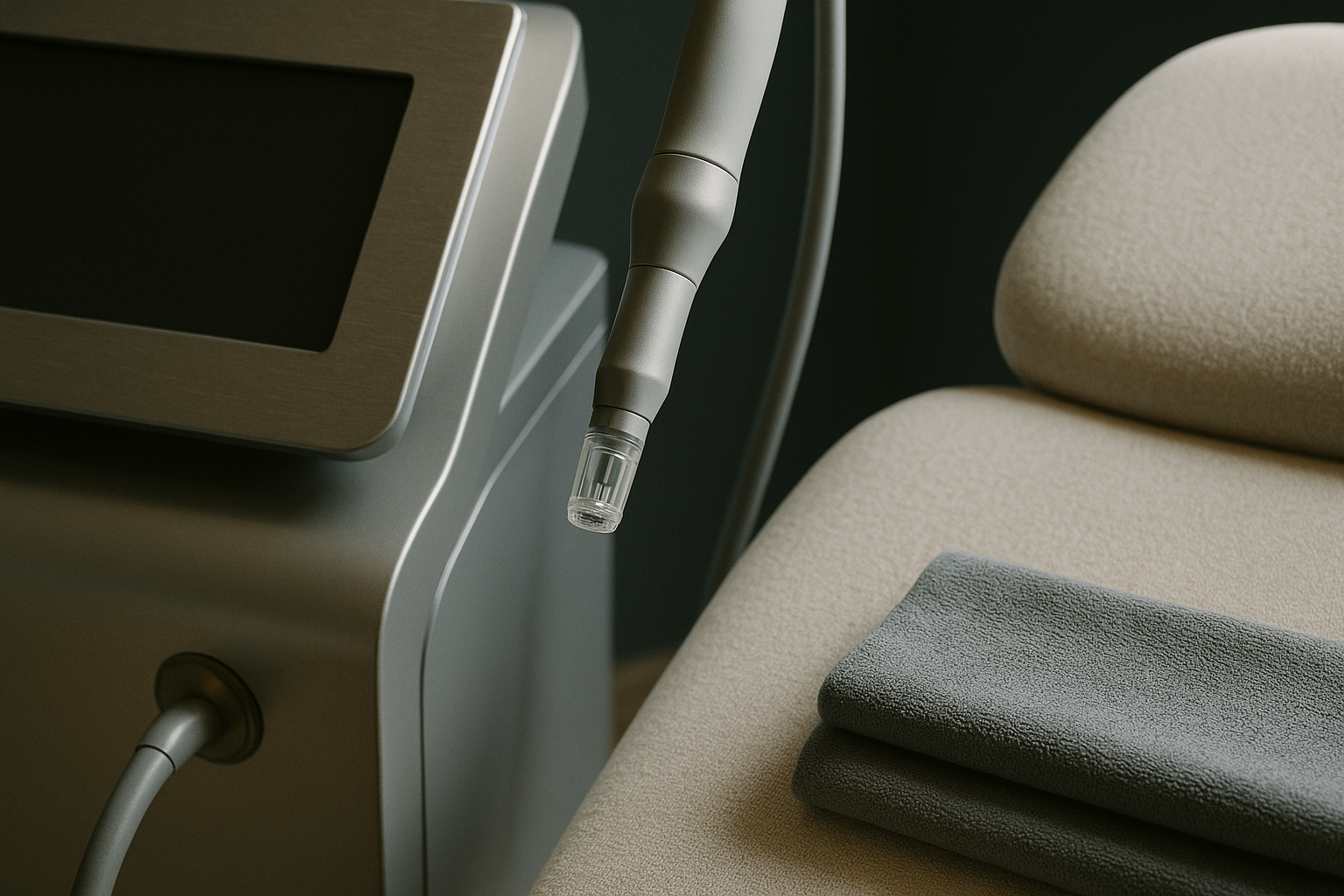
During an RF microneedling session, a topical anaesthetic is typically applied to the treatment area to minimize discomfort. The practitioner uses a handheld device equipped with microneedles to create controlled micro-injuries while simultaneously delivering radiofrequency energy to the skin. This ensures that both the superficial and deeper layers of the skin are treated, promoting comprehensive rejuvenation.
The procedure is generally well-tolerated, with most patients experiencing only mild discomfort. The sensation is often described as a mild tingling or prickling as the device glides over the skin. After the treatment, a soothing serum or cream may be applied to help calm the skin and promote healing. Some practitioners may also recommend using specific skincare products to enhance the treatment’s effects and speed up recovery.
Post-procedure, it’s common to experience some redness and swelling, similar to a mild sunburn, which typically subsides within a few days. To aid recovery, patients are advised to avoid strenuous activities and excessive heat exposure, such as saunas or hot showers, for the first 48 hours. Following these guidelines helps ensure optimal results and minimizes the risk of complications. As the skin heals, patients will begin to notice improvements in texture and firmness, with continued enhancement over the following weeks as collagen production increases.
How to Choose a Qualified Clinic for RF Microneedling?
Choosing a qualified clinic is crucial for ensuring a safe and effective RF microneedling treatment. Look for clinics that are accredited by reputable medical bodies and have experienced practitioners specializing in cosmetic procedures. Accreditation ensures that the clinic adheres to high standards of medical practice and patient care, providing peace of mind that your treatment is in capable hands.
- Verify the practitioner’s credentials and experience with RF microneedling. A practitioner with extensive experience and specialized training in this procedure is more likely to deliver satisfactory results.
- Check reviews and testimonials from previous patients. Positive reviews and high patient satisfaction rates can indicate a clinic’s reliability and expertise.
- Ensure the clinic uses FDA-approved devices and follows strict hygiene protocols. This reduces the risk of complications and ensures that you receive the most advanced and effective treatment available.
Consult with multiple clinics if necessary to find one that meets your expectations and provides a detailed treatment plan and cost estimate. During your consultations, pay attention to the professionalism and communication style of the staff, as these factors can greatly influence your overall experience. A clinic that takes the time to thoroughly explain the procedure, address your concerns, and customize a treatment plan is more likely to ensure a positive outcome. By doing your due diligence, you can confidently select a clinic that aligns with your needs and expectations for RF microneedling.
Conclusion
RF microneedling offers a promising solution for those looking to improve the appearance of turkey neck without resorting to surgery. With its ability to stimulate collagen production and enhance skin texture, it provides a viable option for non-surgical skin tightening. As with any cosmetic procedure, it’s essential to choose a qualified practitioner and have realistic expectations regarding the results. Patients should also be committed to following post-procedure care instructions to maximize the benefits and longevity of their results.
In conclusion, RF microneedling represents a significant advancement in the field of aesthetic medicine, offering a safe, effective, and minimally invasive alternative to traditional surgical approaches. By addressing both superficial and deep skin layers, it provides comprehensive rejuvenation that can be tailored to individual needs. As more people seek out non-surgical options for skin tightening, RF microneedling continues to stand out as a preferred choice for achieving natural-looking and long-lasting improvements in skin quality.
Proven result
20 to 200 hair-transplant patients a month from Australia
Aesthetic surgery group
Frequently asked questions
How long do results from RF microneedling last?
The results of RF microneedling can last for several months, depending on individual skin conditions and lifestyle factors. Maintenance sessions may be required for prolonged effects.
Can RF microneedling be combined with other treatments?
Yes, RF microneedling can be combined with other non-surgical treatments like chemical peels or laser therapy for enhanced results. Consult your practitioner for a personalized plan.
Is RF microneedling painful?
RF microneedling is generally well-tolerated, with most patients experiencing only mild discomfort. A topical anaesthetic is usually applied to minimize any pain during the procedure.
Who is a good candidate for RF microneedling?
Individuals with mild to moderate skin laxity, fine lines, or uneven skin texture are good candidates. A consultation with a qualified practitioner can determine suitability.
What should I do to prepare for an RF microneedling session?
Avoid sun exposure and discontinue the use of topical retinoids a few days before the procedure. Follow any specific pre-treatment instructions given by your practitioner.
Related guides

What Is a Medical Travel Facilitator and Why Use One?
A lower treatment quote can look compelling until you try to compare what it actually includes: surgeon fees,…

What Hospital Accreditation Reviews Really Tell You
A hospital can have polished facilities, prominent surgeons, and hundreds of five-star ratings, yet those signals do not…

International Patient Onboarding Guide for Hospitals
An international patient inquiry is not simply a lead. It is a person weighing a major medical decision…