
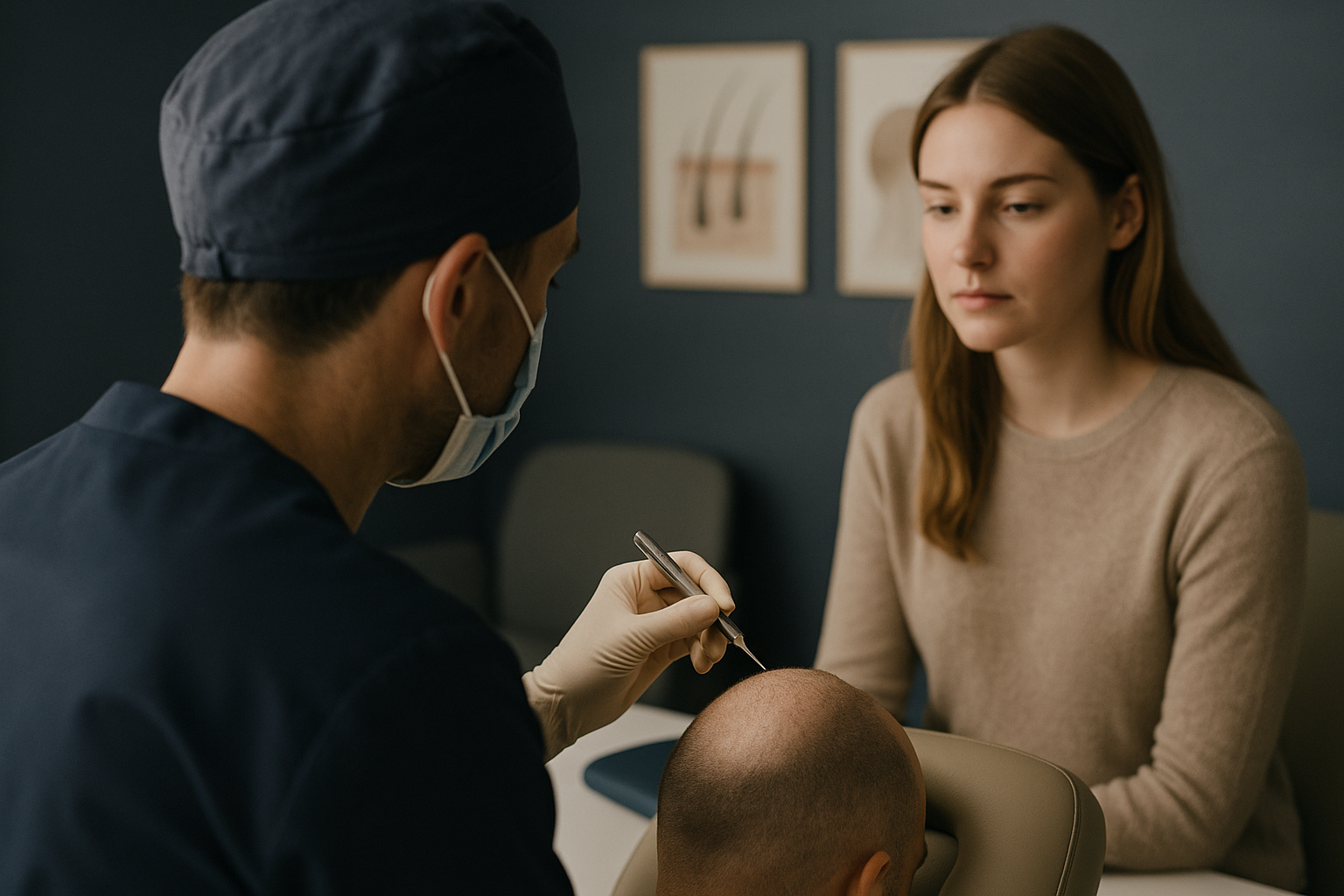
Hair transplants are a popular solution for those seeking to restore hair density and combat baldness. This guide explores the different hair transplant methods, costs, and safety measures, providing essential information for prospective international patients.
What is a Hair Transplant?
A hair transplant is a surgical procedure where hair follicles are moved from a part of the body, typically the back or side of the scalp, to a thinning or bald area. This can significantly enhance hair density and appearance. The procedure is generally performed in a clinic setting by a qualified surgeon. Over the years, advancements in technology have made hair transplants more accessible and effective, catering to various hair types and conditions.
The procedure involves local anaesthesia, making it relatively safe and comfortable for patients. It is minimally invasive, with risks limited to mild discomfort and swelling, which typically subside within a few days. Hair transplants are suitable for both men and women, offering a tailored approach to meet individual needs. Techniques can be adapted to address different patterns of hair loss, ensuring that the results blend naturally with the existing hair.
The results of a hair transplant are permanent and natural-looking. Once transplanted, the follicles continue to grow hair in their new location for a lifetime. This permanence is one of the key benefits, offering a long-term solution to hair loss. Patients can expect to see initial results within three to six months, with full results visible after about a year, depending on the individual’s hair growth cycle.
How Much Does a Hair Transplant Cost?
The cost of a hair transplant varies based on several factors, including the technique used, the extent of hair loss, and the country where the procedure is performed. On average, prices range from $4,000 to $15,000 USD. The price can be influenced by the number of grafts required, with some clinics charging per graft. For example, a clinic might charge $3 to $8 per graft, with the total number of grafts ranging from 1,000 to 3,000 for most patients.
It’s important to consider additional expenses such as travel, accommodation, and post-operative care when planning for a hair transplant abroad. Some clinics offer packages that include these costs, providing more predictable financial planning. For instance, clinics in countries like Turkey might offer all-inclusive packages for around $2,000 to $4,000, which can be more cost-effective.
Consultations with multiple clinics can help you understand the cost implications and choose the best option for your needs. During these consultations, inquire about the payment plans available, as some clinics offer financing options to make the procedure more affordable. It’s also wise to compare the services included in the price, such as follow-up visits and additional treatments like PRP therapy, which can enhance the outcomes of the transplant.
What is FUE Hair Transplant?
Follicular Unit Extraction (FUE) is a popular hair transplant technique where individual hair follicles are harvested from the donor area. This method is minimally invasive and leaves no linear scar, making it a preferred choice for many. FUE involves using a small punch tool to extract follicles, which are then implanted in the recipient area, allowing for precise placement and natural-looking results.
FUE is suitable for those looking to achieve natural results with minimal downtime. The procedure can take several hours, depending on the number of grafts needed, and typically requires a few days for recovery. Patients can usually return to work within a week, though strenuous activities might need to be avoided for a bit longer. Post-operative care involves gentle washing and avoiding direct sunlight and excessive sweating for a couple of weeks.
The FUE method is versatile and can be used for hair restoration in various parts of the body, including the beard and eyebrows. This versatility makes FUE an attractive option for individuals seeking to enhance their appearance in multiple areas. The technique’s precision also allows for high-density restoration, which is particularly beneficial for patients with more advanced hair loss stages or those seeking to refine their hairlines and temple areas.
Do Most Surgeons Use Manual FUE or Neograft?
Both manual FUE and Neograft are widely used by hair transplant surgeons, with the choice often depending on the surgeon’s expertise and patient needs. Manual FUE involves the surgeon extracting each follicle by hand, offering precision and control. This method allows for adjustments based on the hair’s natural angle and direction, which can be crucial for achieving the most natural look.
Neograft is a semi-automated technique that uses a machine to assist in the extraction process. This can speed up the procedure and reduce fatigue for the surgeon, potentially benefiting patients with larger areas to cover. The machine’s suction-assisted extraction can also minimize trauma to the follicles, increasing the survival rate of the grafts.
Patients should discuss with their surgeon which method is most suitable for their specific case. Factors to consider include the size of the area needing coverage, the desired density, and personal preferences regarding recovery time and potential scarring. Surgeons might also recommend one technique over another based on their training and the equipment available at their clinic.
Safety and Accreditation: What to Look For
When choosing a clinic for your hair transplant, safety and accreditation should be top priorities. Ensure that the clinic is accredited by reputable organisations and that the surgeons are board-certified with experience in hair restoration. Look for certifications from bodies such as the International Society of Hair Restoration Surgery (ISHRS) or the American Board of Hair Restoration Surgery (ABHRS).
Researching patient reviews and success stories can provide insight into the clinic’s reputation and the quality of care offered. Websites like RealSelf and Trustpilot can be useful resources for finding genuine patient testimonials. It’s also important to confirm that the clinic adheres to international health and safety standards, such as those set by the Joint Commission International (JCI).
A reputable clinic will provide a detailed consultation, explaining the procedure, potential risks, and expected outcomes. During this consultation, ask about the clinic’s infection control measures and what to expect in terms of aftercare and follow-up appointments. Transparency in these areas is a good indicator of a clinic’s professionalism and commitment to patient safety.
Hair Transplants for Women
Hair transplants are not just for men; many women also seek this procedure to address hair thinning and pattern baldness. Female hair loss can be due to various factors, including genetics, hormonal changes, and medical conditions. Women often experience diffuse thinning across the scalp, which requires a different approach compared to the typical male pattern baldness.
Techniques used for women can differ slightly, focusing on preserving existing hair and achieving a natural look. Women may require a different approach in terms of graft placement to match their unique hairline and density needs. Surgeons often use smaller grafts and place them strategically to enhance the overall appearance without causing additional trauma to the existing hair.
A thorough consultation with a specialist experienced in female hair transplants is crucial to achieving the best results. Discussing the underlying causes of hair loss and any ongoing treatments is essential to creating an effective and personalized treatment plan. It’s also important for women to have realistic expectations, understanding that the goal is to improve density and appearance rather than completely restore a youthful hairline.
Preparing for Your Hair Transplant Abroad
Preparing for a hair transplant abroad involves careful planning and research. Begin by selecting a destination known for high-quality medical care and experienced surgeons. Countries like Turkey, India, and Mexico are popular for medical tourism due to their affordable prices and skilled practitioners.
Consider factors such as the clinic’s accreditation, surgeon qualifications, and patient reviews. It’s also beneficial to understand the local healthcare regulations and support systems available for international patients. Some clinics offer dedicated patient coordinators who assist with travel arrangements and provide language support, making the process smoother.
Plan your travel and accommodation in advance, and ensure you have a clear understanding of the procedure, recovery time, and any follow-up care required. Make sure your passport and visas are in order, and consider purchasing travel insurance that covers medical procedures. Knowing the local culture and customs can also enhance your experience, allowing for a more comfortable stay abroad.
Conclusion
Understanding hair transplants is essential for anyone considering this procedure. By researching techniques, costs, and safety measures, patients can make informed decisions and achieve optimal results. Whether opting for FUE or another method, choosing a reputable clinic and experienced surgeon is key to a successful hair restoration journey. Additionally, being well-prepared for the procedure, especially when traveling abroad, can ensure a smoother experience and enhance the overall outcome.
Proven result
20 to 200 hair-transplant patients a month from Australia
Aesthetic surgery group
Frequently asked questions
What is FUE hair transplant?
FUE, or Follicular Unit Extraction, is a method where individual hair follicles are extracted from the donor area and transplanted, offering natural results and minimal scarring.
How much does a FUE hair transplant cost?
FUE hair transplant costs can range from $4,000 to $15,000 USD, depending on various factors including the clinic, location, and extent of hair loss.
Do most hair transplant surgeons use manual FUE or Neograft?
Many surgeons use both manual FUE and Neograft, depending on the patient’s needs and the surgeon’s expertise. Each method has its advantages.
What should I consider when choosing a hair transplant clinic?
Ensure the clinic is accredited, the surgeon is experienced and board-certified, and patient reviews are positive. Safety and quality standards are crucial.
Related guides

What Is a Medical Travel Facilitator and Why Use One?
A lower treatment quote can look compelling until you try to compare what it actually includes: surgeon fees,…

What Hospital Accreditation Reviews Really Tell You
A hospital can have polished facilities, prominent surgeons, and hundreds of five-star ratings, yet those signals do not…

International Patient Onboarding Guide for Hospitals
An international patient inquiry is not simply a lead. It is a person weighing a major medical decision…