
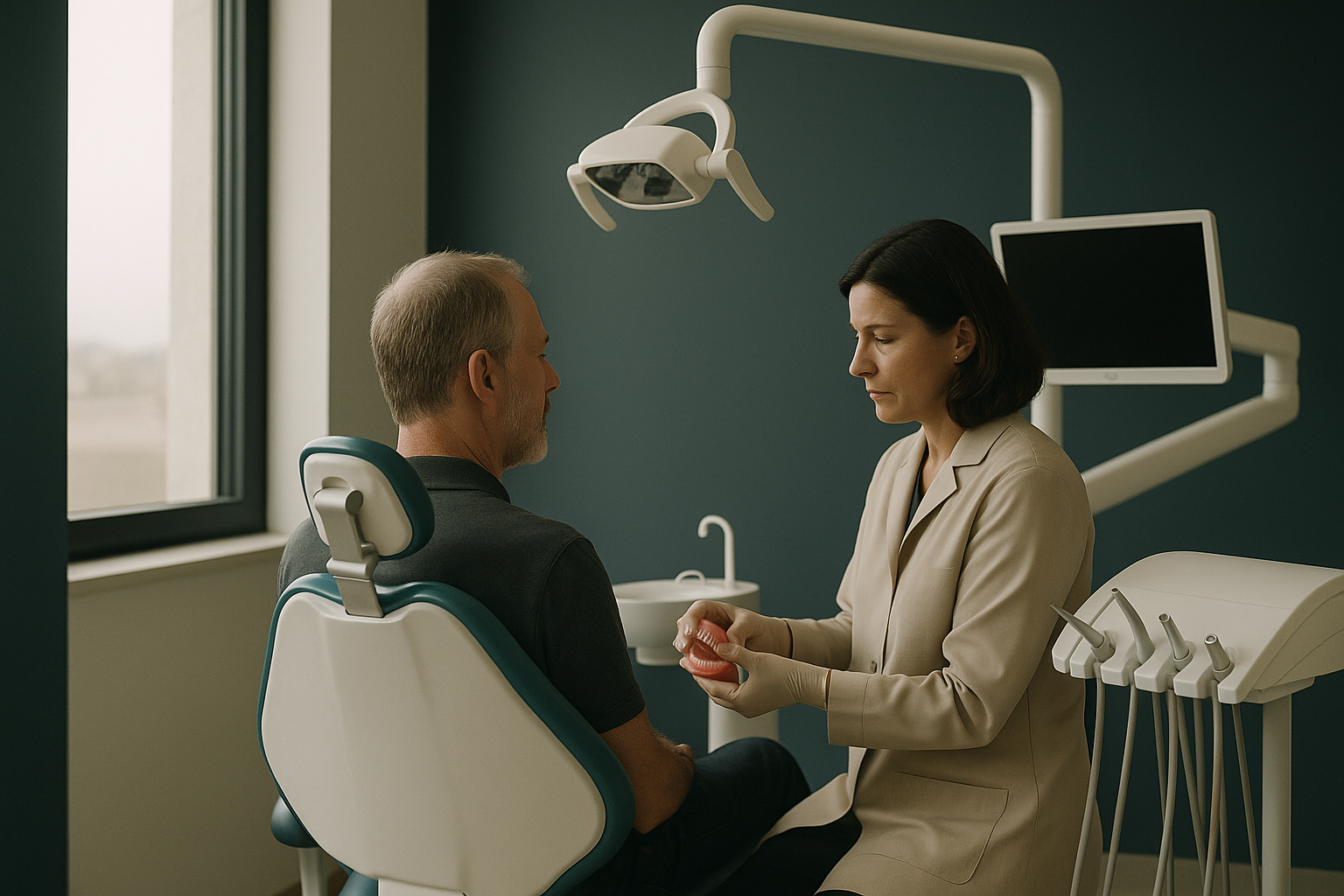
Replacing missing teeth is crucial for maintaining oral health and overall well-being. Denture implants provide a modern, effective solution for those looking to restore their smile and functionality. This article explores the benefits, costs, and considerations of denture implants, offering guidance for prospective international patients.
What Are Denture Implants?
Denture implants, also known as implant-supported dentures, are a hybrid solution that combines traditional dentures with dental implants. This innovative approach offers improved stability and function compared to conventional dentures. By anchoring the denture to implants surgically placed in the jawbone, patients experience less slippage and discomfort, thus enhancing the overall denture-wearing experience.
This method is particularly ideal for individuals who are missing multiple teeth or those who have struggled with the fit and function of traditional dentures. Denture implants provide a more secure fit, allowing for better chewing ability and speech clarity, which are often compromised with conventional dentures. Additionally, they help preserve the jawbone, preventing the bone loss that often accompanies tooth loss, which can lead to changes in facial structure and appearance over time.
The process typically involves placing two to six implants in the jawbone, which act as anchors for the denture. The number of implants depends on the underlying bone structure and the specific needs of the patient. Once healed, the denture is attached to these implants, creating a stable and secure solution for tooth replacement. This procedure not only restores oral functionality but also significantly boosts the patient’s confidence and quality of life.
How Does the Dental Implant Procedure Work?
The dental implant procedure for denture implants involves several meticulous stages, each crucial for the success of the treatment. Initially, a comprehensive dental examination is conducted to assess the patient’s oral health and suitability for implants. This assessment may include imaging studies like X-rays or CT scans to evaluate bone density and structure, ensuring that the jawbone is robust enough to support the implants.
Once deemed suitable, the surgical placement of the implants is performed. This is usually done under local anaesthesia, though sedation options are available for those who prefer them, often to alleviate anxiety. The implants are inserted into the jawbone through precise surgical techniques, ensuring optimal positioning for the future denture attachment. This step requires a high level of expertise to avoid complications and ensure the longevity of the implants.
After the implants are placed, a healing period of several months is required to allow the bone to integrate with the implant, a process known as osseointegration. During this time, patients may wear temporary dentures to maintain functionality and aesthetics. Once healing is complete, the permanent denture is custom-made and attached to the implants, offering a final durable and comfortable solution. This permanent attachment marks the culmination of the implant process, providing patients with a reliable and aesthetically pleasing outcome.
What Are the Benefits of Denture Implants?
Denture implants offer numerous benefits over traditional dentures and other tooth replacement options, making them a preferred choice for many. One significant advantage is the increased stability and comfort they provide. Unlike conventional dentures, which can slip or cause discomfort, implant-supported dentures are securely anchored, allowing for greater confidence in eating and speaking without the fear of embarrassment or inconvenience.
Another substantial benefit is the preservation of the jawbone. Dental implants stimulate the bone, preventing the resorption that typically occurs after tooth loss. This helps maintain facial structure and reduces the risk of further oral health issues, such as changes in facial contour and premature aging. By preserving the jawbone, denture implants contribute to a healthier oral environment and overall well-being.
Additionally, denture implants offer a natural appearance, as they are custom-designed to match the patient’s existing teeth and oral structure. This customization ensures that the dentures blend seamlessly with the patient’s smile, enhancing their overall appearance and self-esteem. They also require less maintenance than traditional dentures, which need regular relining and adjustment. The reduced maintenance not only saves time but also decreases the long-term costs associated with denture care.
- Stability and comfort
- Preservation of jawbone
- Natural appearance
- Reduced maintenance
What Is the Cost of Denture Implants?
The cost of denture implants can vary widely depending on several factors, including the number of implants required, the materials used, and the location of the treatment. On average, patients can expect to pay between £1,500 and £6,000 per implant, with complete procedures costing upwards of £30,000. These figures can fluctuate based on the complexity of the case, the expertise of the dental professional, and the geographical location of the clinic.
However, many patients opt for dental tourism to manage costs. Countries like Hungary, Thailand, and Mexico are popular dental tourism destinations, offering high-quality dental care at a fraction of the price in the UK or US. It’s essential to consider travel and accommodation expenses when calculating the total cost of treatment abroad, as these can significantly impact the overall budget.
Despite the cost, many patients find the long-term benefits of denture implants, such as improved quality of life and reduced need for future dental work, justify the investment. Consulting with a dental professional can provide a more accurate estimate tailored to individual needs. Additionally, some dental clinics offer financing options to help make the procedure more accessible to a broader range of patients, spreading the cost over manageable payments.
How Safe Are Denture Implants?
Denture implants are considered a safe and reliable method for tooth replacement when performed by experienced dental professionals. The procedure has a high success rate, with studies indicating success rates of over 95% when proper care is followed. This success is attributed to advancements in dental technology, improved surgical techniques, and thorough pre-operative assessments.
Potential risks include infection, implant failure, and nerve damage, though these are rare when proper protocols are followed. It’s crucial to discuss all potential risks and benefits with a qualified dentist before proceeding. Patients should also be informed about the importance of post-operative care and regular maintenance to ensure the longevity of the implants and minimize complications.
Ensuring the dental practice is accredited and follows international standards is also vital. Accreditation bodies like the Joint Commission International (JCI) provide a benchmark for quality and safety in healthcare settings, including dental clinics. Choosing an accredited clinic ensures that the highest standards of care and safety protocols are adhered to, significantly reducing the risk of complications and enhancing patient outcomes.
How to Choose the Right Clinic for Denture Implants?
Choosing the right clinic for denture implants involves considering several critical factors to ensure a successful outcome. Firstly, ensure the clinic has the necessary accreditations and a track record of successful implant procedures. Accreditation from reputable organizations assures patients of the clinic’s commitment to quality and safety standards.
Research the qualifications and experience of the dental team, including any specialisations in implant dentistry. Experienced professionals are more likely to navigate complex cases successfully and manage any unforeseen challenges during the procedure. Furthermore, inquire about the team’s ongoing education and training, as this indicates their commitment to staying abreast of the latest advancements in dental implantology.
Reading patient reviews and testimonials can provide insights into the quality of care and patient satisfaction. Positive feedback from previous patients can offer reassurance about the clinic’s reputation and the outcomes of their treatments. It’s also helpful to assess the clinic’s facilities and technology, as modern equipment can enhance the precision and outcome of the procedure, providing a smoother and more efficient process.
For those considering treatment abroad, language proficiency and communication are key factors. Ensure the clinic offers services in a language you are comfortable with to facilitate clear communication throughout the treatment process. Language barriers can lead to misunderstandings, so it’s essential to choose a clinic where you feel confident discussing your needs and concerns.
Conclusion: Is Denture Implants Right for You?
Denture implants offer a modern, effective solution for those seeking to replace missing teeth. With improved stability, comfort, and a natural appearance, they can significantly enhance quality of life. While the procedure involves a significant investment, many find the long-term benefits worthwhile, including improved oral health and aesthetics.
By understanding the process, costs, and safety considerations, prospective patients can make informed decisions about their dental health. Whether seeking treatment locally or considering dental tourism, ensure you choose a reputable clinic to ensure the best possible outcome. A thorough consultation with a dental professional can provide personalized advice, helping you weigh the benefits and potential drawbacks specific to your situation.
Consulting with a dental professional can provide personalized advice and help determine if denture implants are the right choice for your specific needs. This decision should consider your oral health status, lifestyle, and financial situation, ultimately aiming to restore both function and confidence in your smile.
Proven result
20 to 200 hair-transplant patients a month from Australia
Aesthetic surgery group
Frequently asked questions
How long do denture implants last?
Denture implants can last 15-20 years or more with proper care and maintenance, making them a durable tooth replacement option.
Are denture implants painful?
Most patients report minimal discomfort during the procedure, with local anaesthesia used to manage pain. Post-operative discomfort is typically manageable with over-the-counter pain relief.
Can anyone get denture implants?
Candidates for denture implants generally need adequate bone density and good oral health. A dental assessment can determine eligibility.
What is the recovery time for denture implants?
Recovery from implant placement typically takes a few days, but full osseointegration can take 3-6 months before the final denture is attached.
How do denture implants differ from traditional dentures?
Denture implants are anchored to the jaw with implants, offering greater stability than traditional dentures, which simply rest on the gums.
Related guides

What Is a Medical Travel Facilitator and Why Use One?
A lower treatment quote can look compelling until you try to compare what it actually includes: surgeon fees,…

What Hospital Accreditation Reviews Really Tell You
A hospital can have polished facilities, prominent surgeons, and hundreds of five-star ratings, yet those signals do not…

International Patient Onboarding Guide for Hospitals
An international patient inquiry is not simply a lead. It is a person weighing a major medical decision…