
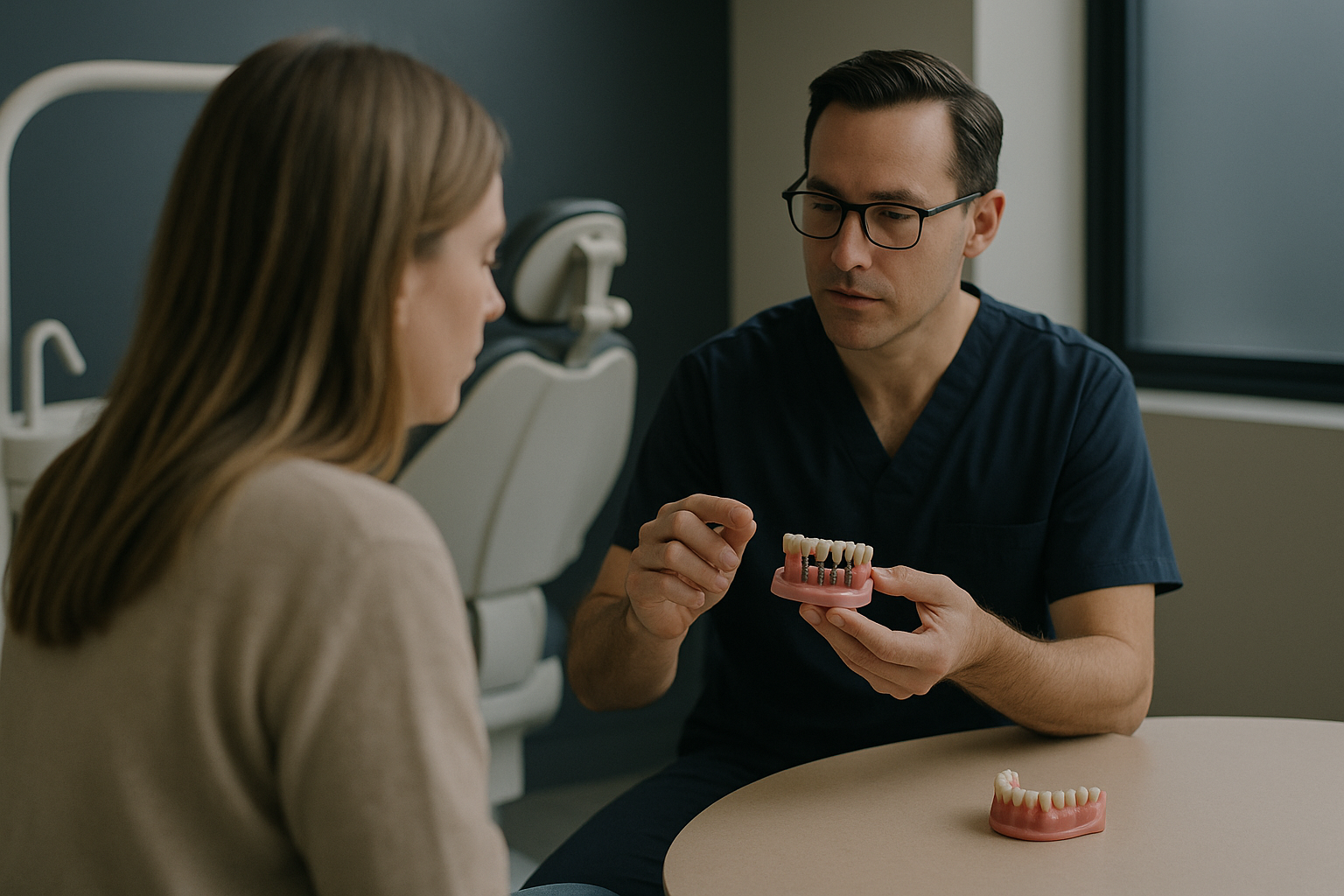
Implant-supported dentures represent a revolutionary approach to dental restoration, providing patients with a stable and aesthetically pleasing solution for missing teeth. Designed to mimic the natural tooth structure, these dentures offer a secure fit and improved functionality over traditional options.
Understanding the benefits, costs, and care involved with implant dentures is crucial for prospective patients considering this treatment.
What Are Implant Dentures?
Implant-supported dentures are a type of overdenture that is attached to dental implants. Unlike conventional dentures that rest on the gums, implant dentures are anchored to the jawbone, providing enhanced stability and function. This approach not only improves chewing efficiency but also prevents bone loss, a common issue with traditional dentures. The process involves surgically placing titanium posts into the jawbone, which then act as roots for the denture. Over time, these implants fuse with the bone in a process known as osseointegration, which is key to their stability.
Patients typically report greater comfort and confidence as these dentures do not slip or require adhesive for support. Additionally, the design of implant dentures allows for a natural look and feel, enhancing the patient’s ability to eat and speak without the fear of dentures shifting or falling out. Implant dentures are suitable for individuals with significant tooth loss and sufficient jawbone density. However, for those with insufficient bone, pre-treatment procedures such as bone grafting might be necessary to ensure successful implantation.
The decision to opt for implant dentures should be based on a thorough evaluation by a dental professional, considering factors like overall health, bone density, and personal preferences regarding aesthetics and functionality. The initial consultation will often include imaging studies such as X-rays or CT scans to assess the condition of the jawbone and plan the precise placement of the implants. This customized approach ensures that each patient receives a solution tailored to their specific dental needs.
What Are All On 4 Dental Implants?
All-on-4 dental implants are a specific type of implant-supported denture system that uses four strategically placed implants to support a full arch of replacement teeth. This method provides a solid foundation for dentures and can often be completed in a single day. The All-on-4 technique is particularly advantageous for patients with significant bone loss, as it strategically places implants in areas of the jaw where bone density is higher, often avoiding the need for bone grafting.
The All-on-4 system is ideal for individuals who have suffered bone loss and may not qualify for traditional implant methods. This innovative approach minimizes the need for bone grafting and reduces overall treatment time. Patients benefit from the immediate load-bearing capability of the implants, meaning that temporary dentures can be placed on the same day as the surgery, allowing patients to leave the dental office with a new set of teeth.
The procedure typically involves a comprehensive pre-surgical assessment, including 3D imaging to plan the precise placement of the implants. These images help in determining the optimal angle and position of the implants, ensuring maximum stability and support for the denture. The surgery itself is generally completed under local anesthesia, although sedation options are available for those who experience dental anxiety.
Post-surgery, patients are monitored closely to ensure proper healing and integration of the implants with the jawbone. While the initial recovery period might entail some dietary restrictions, many patients find that the transition to their new teeth is smoother than expected. Regular follow-up appointments are crucial for monitoring the healing process and ensuring the long-term success of the implants.
How Much Do All On 4 Dental Implants Cost?
The cost of All-on-4 dental implants can vary significantly based on geographical location, the complexity of the case, and the materials used. On average, patients can expect to pay between £12,000 and £20,000 per arch in the UK. This price range typically includes the cost of the implants, the temporary and final dentures, and any necessary preparatory procedures such as extractions or bone grafting.
While upfront costs may seem substantial, the long-term benefits and reduced need for future dental work often make this a cost-effective solution. Unlike traditional dentures that may require frequent adjustments or replacements, implant dentures are designed for durability, often lasting many years with proper care. Patients are encouraged to discuss financing options and potential insurance coverage with their dental provider. Many dental practices offer payment plans or work with third-party financing companies to make the procedure more accessible.
It’s essential for patients to consider the total value of the investment rather than just the initial expense. Factors such as improved quality of life, increased confidence, and the ability to eat a wider variety of foods should be considered when evaluating the cost. Additionally, the reduced need for future dental interventions can result in long-term savings. Patients should consult with their dental insurance provider to understand what portion, if any, of the procedure might be covered under their plan.
Ultimately, the decision to proceed with All-on-4 implants should be made after a comprehensive consultation with a dental professional who can provide a detailed cost breakdown and discuss any potential financial assistance available. This ensures that patients can make an informed decision based on their individual financial and health circumstances.
How to Clean All On 4 Dental Implants
Proper maintenance of All-on-4 dental implants is essential to ensure their longevity and prevent complications. Daily cleaning involves brushing with a soft-bristle toothbrush and non-abrasive toothpaste, focusing on the gum line and implant-supported areas. This helps in removing plaque and food particles that can contribute to gum disease or implant failure.
Regular flossing or using interdental brushes can help remove debris and plaque from between the teeth. Water flossers are another excellent tool to gently clean around implants, especially for those who find traditional flossing challenging. Patients should also schedule regular check-ups with their dentist to monitor the condition of the implants and surrounding tissues. These visits typically include professional cleanings and an assessment of any potential issues.
- Use a soft-bristle toothbrush
- Floss daily or use interdental brushes
- Schedule regular dental check-ups
- Consider using a water flosser for added cleaning efficiency
- Attend professional cleanings as recommended by your dentist
In addition to daily oral hygiene, patients should be mindful of their diet and habits post-surgery. Avoiding hard or sticky foods can prevent undue stress on the implants, particularly during the initial healing phase. Smoking cessation is also crucial, as smoking can impede healing and increase the risk of implant failure.
By adhering to these cleaning protocols and lifestyle recommendations, patients can significantly increase the lifespan of their All-on-4 implants, ensuring they remain a functional and aesthetic solution for years to come. Consultation with a dental hygienist can provide personalized advice and demonstrate proper cleaning techniques tailored to the individual’s needs.
How Long After All-On-4 Dental Implants Can I Eat Normally?
Following the placement of All-on-4 dental implants, patients are typically advised to follow a soft-food diet for the first few weeks. This allows time for the implants to integrate with the jawbone, ensuring a stable foundation for the dentures. Foods such as yogurt, mashed potatoes, and smoothies are recommended initially, allowing the mouth to heal without the risk of damaging the new implants.
Most patients can gradually return to a normal diet within three months, although this timeline can vary based on individual healing responses. The process of osseointegration — where the implants fuse with the jawbone — is critical during this period and can influence the speed of recovery. It’s important to follow your dentist’s specific dietary recommendations to promote optimal healing. Regular follow-up appointments will help track progress and adjust dietary guidelines as needed.
It’s also essential for patients to pay attention to any signs of complications, such as swelling or discomfort, and report these to their dentist promptly. In some cases, the dentist might recommend a longer period before reintroducing certain foods, particularly if there are concerns about the healing process or implant stability.
To facilitate a smoother transition back to a regular diet, patients can gradually introduce foods with varying textures and hardness, observing how their mouth responds. This gradual approach helps in building confidence and ensures that the implants are well-integrated before subjecting them to the stresses of harder foods. Ultimately, following the guidance of your dental care team is paramount to ensure the success and longevity of your All-on-4 implants.
Are Implant Dentures Safe?
Implant dentures are considered a safe and effective option for tooth replacement. The procedure is well-established with a high success rate, especially when performed by experienced dental professionals. Success rates for implant dentures are typically above 95%, making them a reliable choice for many patients seeking long-term solutions for tooth loss.
As with any surgical procedure, there are potential risks, including infection or implant failure. However, these risks are minimized through proper patient selection, planning, and post-operative care. Factors such as maintaining good oral hygiene and attending regular dental check-ups also play a crucial role in the success of implant dentures. Patients should ensure their dental provider is qualified and experienced in implant dentistry to further reduce risks.
Pre-surgical assessments typically include a thorough evaluation of the patient’s oral and general health, ensuring that any conditions that might affect healing, such as diabetes or smoking, are managed appropriately. Advanced imaging techniques, such as 3D CBCT scans, are often used to plan the precise placement of implants, further enhancing safety and success rates.
Patient education is also a critical aspect of ensuring the safety of implant dentures. Understanding the importance of post-operative care, recognizing signs of complications, and adhering to dietary and hygiene recommendations all contribute to successful outcomes. With advancements in implant technology and techniques, the safety profile of implant dentures continues to improve, offering patients a reliable and transformative solution for tooth replacement.
Comparison: Implant Dentures vs. Traditional Dentures
| Feature | Implant Dentures | Traditional Dentures |
|---|---|---|
| Stability | Anchored to jawbone | Rest on gums |
| Bone Preservation | Prevents bone loss | May contribute to bone loss |
| Comfort | Secure fit, no slipping | Can slip, require adhesive |
| Longevity | Can last 10-20 years | Typically last 5-7 years |
| Aesthetics | Natural appearance | May look artificial |
Implant dentures offer significant advantages over traditional options, including improved comfort, function, and aesthetics. Traditional dentures, while more affordable initially, often come with limitations such as reduced stability and the potential for bone loss over time. Implant-supported solutions, by contrast, provide long-term benefits that can outweigh the initial investment.
One of the most compelling benefits of implant dentures is their ability to preserve jawbone health by preventing bone resorption, a common issue with traditional dentures. This not only maintains facial structure but also contributes to the overall stability and function of the dentures. The enhanced stability of implant dentures allows for a wider variety of dietary options, positively impacting nutrition and quality of life.
In terms of comfort, implant dentures do not slip or require adhesive, eliminating common frustrations associated with traditional dentures. Patients with implant dentures often report a more natural feel, as the dentures are anchored securely, mimicking the function of natural teeth. This stability can significantly boost confidence, particularly in social situations where speech and eating are involved.
Ultimately, the choice between implant and traditional dentures should consider the patient’s lifestyle, budget, and dental health goals. Consulting with a dental professional can provide personalized insights and help guide patients toward the most suitable option for their needs. The transformative impact of implant dentures on both oral health and overall well-being makes them an increasingly popular choice for those seeking a permanent solution to tooth loss.
Conclusion
Implant-supported dentures are a transformative solution for those seeking a reliable and natural-looking replacement for missing teeth. By understanding the benefits and maintenance involved, patients can make informed decisions about their oral health and overall well-being. The decision to pursue implant dentures should be made in consultation with a dental professional, who can provide a comprehensive assessment and tailored recommendations based on the patient’s unique needs and circumstances.
Discussing your needs and concerns with a qualified dental professional can help determine if implant dentures are the right choice for you. This conversation should include a thorough review of the patient’s medical history, lifestyle, and expectations to ensure the chosen treatment aligns with their goals. As advancements in dental technology continue to evolve, the accessibility and effectiveness of implant dentures are likely to expand, offering even more patients the opportunity to restore their smiles with confidence.
With proper care and maintenance, implant dentures can provide a long-lasting solution that enhances both the function and appearance of your teeth. The investment in implant dentures is not just in a set of teeth, but in a renewed quality of life, offering patients the freedom to enjoy their favorite foods, speak clearly, and smile confidently. As such, implant dentures represent not only a medical solution but a significant enhancement to the overall quality of life for those who choose them.
Proven result
10 to 70 oncology patients a month from Canada
International oncology provider
Frequently asked questions
What are all on 4 dental implants?
All on 4 dental implants are a system using four implants to support a full arch of replacement teeth, offering stability and function.
How much do all on 4 dental implants cost?
The cost varies but typically ranges from £12,000 to £20,000 per arch. Prices depend on location and complexity.
How to clean all on 4 dental implants?
Clean them daily with a soft-bristle toothbrush and non-abrasive toothpaste, and floss or use interdental brushes regularly.
How long after all-on-4 dental implants can I eat normally?
Most patients can eat normally within three months, but it’s important to follow your dentist’s specific dietary guidelines.
Related guides

What Is a Medical Travel Facilitator and Why Use One?
A lower treatment quote can look compelling until you try to compare what it actually includes: surgeon fees,…

What Hospital Accreditation Reviews Really Tell You
A hospital can have polished facilities, prominent surgeons, and hundreds of five-star ratings, yet those signals do not…

International Patient Onboarding Guide for Hospitals
An international patient inquiry is not simply a lead. It is a person weighing a major medical decision…