
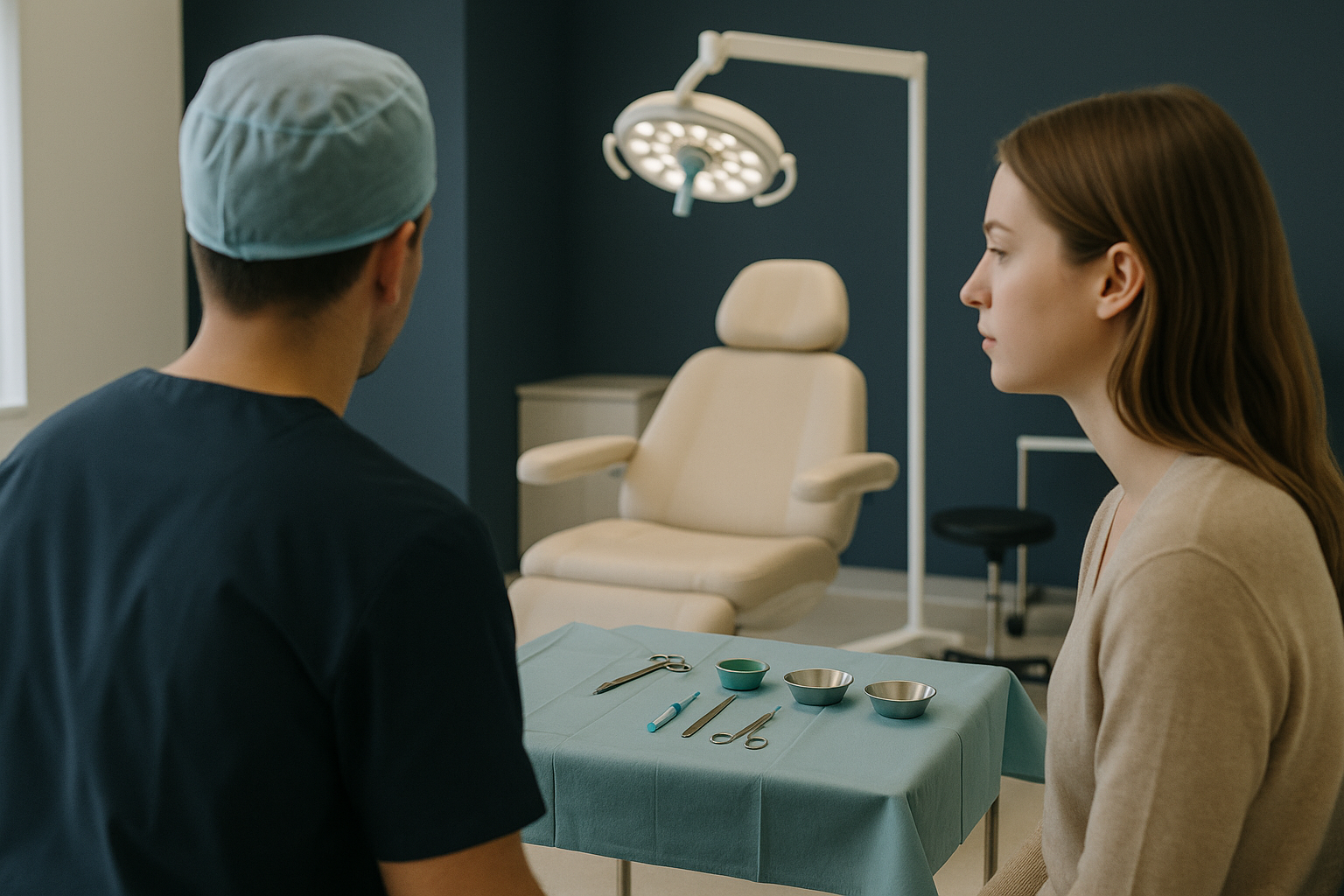
Hairline surgery is an increasingly popular procedure sought by individuals looking to restore a natural and youthful hairline. This article delves into the mechanics of hairline surgery, offering insights into the costs, timelines, and expected outcomes for those considering treatment abroad.
What is Hairline Surgery?
Hairline surgery, often synonymous with hair transplants, is a specialized cosmetic procedure designed to restore hair to a thinning or receding hairline. It involves the meticulous transplantation of hair follicles from a donor site—typically the back or sides of the scalp, where hair tends to be more resistant to balding—into the desired hairline area. This method can significantly enhance one’s appearance, offering a fuller and more youthful look. Hairline surgery is particularly beneficial for individuals experiencing male or female pattern baldness, as it provides a customized solution tailored to their specific hair loss patterns.
There are several techniques available for hairline surgery, each varying in approach and effectiveness. The choice of method hinges on the patient’s unique needs, the extent of hair loss, and the surgeon’s expertise. Among the common techniques are Follicular Unit Transplantation (FUT) and Follicular Unit Extraction (FUE). FUT involves the removal of a strip of skin from the donor area, which may result in a linear scar. In contrast, FUE entails extracting individual follicles directly from the scalp, minimizing scarring and recovery time.
The surgery is typically conducted under local anaesthesia, ensuring a painless experience for the patient. Recovery time is relatively swift, allowing individuals to resume their normal activities within a few days. However, patients are advised to avoid strenuous activities for at least a week to prevent any complications. Ultimately, the choice between FUT and FUE depends on the patient’s preference, the desired amount of hair restoration, and the likelihood of achieving the desired results. Hence, a thorough consultation with a specialist is essential to determine the most suitable approach.
How does Hairline Surgery Work?
The journey of hairline surgery begins with a comprehensive consultation with a specialist. During this initial meeting, the surgeon assesses the patient’s hair loss pattern, scalp condition, and overall health to determine the most suitable surgical approach. This detailed assessment is crucial for laying the foundation for a successful outcome. The surgeon evaluates factors such as hair density, scalp elasticity, and the availability of donor hair, ensuring that the newly designed hairline will complement the patient’s facial structure and age for a natural appearance.
In the FUE technique, which is widely favored for its minimally invasive nature, individual hair follicles are carefully extracted from the donor area and implanted into the recipient area. This process requires a high degree of precision and expertise, as the surgeon must consider the angle, depth, and density of each follicle to mimic natural hair growth effectively. The procedure can last several hours, depending on the extent of the hairline restoration, and involves the use of fine instruments to create tiny incisions, minimizing trauma to the scalp and promoting faster healing.
Post-surgery, patients might experience minor swelling and discomfort, which can be managed with prescribed medication. Full recovery and noticeable new hair growth typically occur within a few months. Initially, the transplanted hair may shed before regrowing, as it enters a new growth cycle. The success of the procedure heavily relies on the surgeon’s skill and the patient’s commitment to following post-operative care instructions. These instructions often include gentle washing techniques, avoiding direct sunlight, and adhering to a specific hair care regimen to ensure optimal results.
How Do Hair Transplants Work?
Hair transplants are a cosmetic procedure that involves relocating hair follicles from a donor area, often the back or sides of the scalp where hair is more resilient, to areas experiencing thinning or baldness. The primary methods used in hair transplantation are Follicular Unit Transplantation (FUT) and Follicular Unit Extraction (FUE). In FUT, a strip of scalp is surgically removed from the donor area, and individual follicular units are then extracted from this strip. FUE, in contrast, involves the direct extraction of individual follicles from the scalp, which is less invasive and leaves minimal scarring.
Both methods aim to provide natural-looking results, with FUE often being the preferred choice due to its minimally invasive nature and quicker recovery time. After the procedure, the transplanted hair will typically fall out after a few weeks—a phase known as “shock loss.” However, new hair growth will begin in about three to four months, with most patients seeing the full growth potential of their hair around a year later. This initial shedding is a normal part of the process and should not be a cause for concern.
The success of a hair transplant depends on several factors, including the skill and experience of the surgeon, the quality and density of the donor hair, and the patient’s adherence to post-operative care instructions. High-quality donor hair is crucial, as it determines the density and natural appearance of the final result. Patients are encouraged to maintain a healthy lifestyle and follow specific dietary recommendations to promote optimal hair growth and retention, ensuring the longevity and success of the transplant.
How Does DHI Hair Transplant Work?
Direct Hair Implantation (DHI) is an advanced technique derived from the Follicular Unit Extraction (FUE) method, designed to further enhance the precision and outcome of hair transplants. The hallmark of DHI is the use of a specialized tool known as the Choi Implanter Pen, which allows for the direct implantation of hair follicles into the scalp without the need for prior channel creation. This tool ensures a higher survival rate for the grafts and results in a more natural hairline appearance.
The DHI method is particularly effective for individuals seeking a denser hairline and wishing to minimize scarring. This technique provides the surgeon with better control over the depth, angle, and direction of the implanted hair, allowing for a more tailored and natural look. The ability to mimic the natural hair growth pattern with precision is one of the significant advantages of DHI, making it a preferred choice for many seeking hair restoration.
Patients undergoing DHI can expect a minimally invasive procedure with a relatively short recovery period. The results are long-lasting, offering a permanent solution to hairline restoration. The precision of the technique helps reduce the risk of complications and enhances the overall aesthetic outcome. However, due to the intricacy of the procedure, DHI requires a highly skilled surgeon. Therefore, selecting a qualified practitioner is paramount to achieving the desired results and ensuring the success of the transplant.
How Effective is DHI Hair Transplant?
DHI hair transplants are renowned for their high success rates and natural-looking results. The precision of the procedure allows for a dense and natural appearance that is difficult to distinguish from naturally grown hair. The use of the Choi Implanter Pen is instrumental in achieving this level of detail, as it facilitates the direct placement of follicles into the scalp with minimal handling, reducing the potential for graft damage.
Studies have shown that DHI transplants have a high graft survival rate, which translates into better hair density and an improved aesthetic outcome. The effectiveness of the procedure also hinges on the surgeon’s skill and the patient’s adherence to post-operative care guidelines. Surgeons often recommend specific shampoos and medications to aid in the healing process and support new hair growth, which can significantly impact the success of the transplant.
Most patients report high satisfaction with their results, noting significant improvements in hair thickness and overall appearance. The long-term success of the transplant largely depends on maintaining a healthy lifestyle and following the surgeon’s recommendations. Regular follow-up appointments are crucial to monitor progress and address any concerns that may arise during the recovery phase. This proactive approach helps ensure the longevity and success of the transplant, providing patients with a renewed sense of confidence.
How Much Does DHI Hair Transplant Cost?
The cost of a DHI hair transplant can vary significantly depending on several factors, such as the extent of hairline restoration required, the clinic’s location, and the surgeon’s expertise. On average, prices can range from $3,000 to $15,000 globally. This wide range reflects differences in local economies, the reputation of the clinic, and the complexity of the procedure. In some regions, particularly those with a high cost of living, prices may be on the higher end of the spectrum.
It’s crucial for prospective patients to consider not just the cost, but the quality and safety of the service provided. While low-cost options might seem appealing, they may compromise the quality of care, potentially affecting the results. Patients should prioritize clinics that offer comprehensive consultations and transparent pricing to avoid unexpected charges and ensure they are fully informed about the procedure.
Patients are advised to research thoroughly and choose a reputable clinic with experienced surgeons to ensure optimal results and value for money. Online reviews, patient testimonials, and before-and-after photos can provide valuable insights into a clinic’s track record. Investing in a high-quality procedure can lead to better results and greater satisfaction in the long term, making it a worthwhile consideration for those seeking hair restoration solutions.
What to Expect Post-Surgery?
After undergoing hairline surgery, patients can expect some swelling and mild discomfort, which typically resolves within a few days. It’s crucial to follow the surgeon’s post-operative care instructions to ensure proper healing and optimal results. These instructions often include guidelines on how to wash the hair, medication schedules, and activities to avoid during the recovery period. Adhering to these recommendations is vital for minimizing the risk of complications and promoting successful outcomes.
New hair growth typically begins within three to four months, with full results visible after approximately 12 months. It’s normal for the transplanted hair to fall out initially, as this is part of the natural growth cycle. Patients are encouraged to be patient during this time, as the hair growth process is gradual and results improve over time. The initial shedding should not be a cause for concern, as it is a temporary phase that precedes new growth.
Regular follow-up appointments with the surgeon are recommended to monitor progress and address any concerns. These check-ins provide an opportunity to assess the success of the transplant and make any necessary adjustments to the post-operative care plan. Maintaining a healthy lifestyle and using recommended hair care products can also enhance the longevity of the results. Surgeons often provide personalized care plans to help patients achieve and maintain the best possible outcome, emphasizing the importance of ongoing care and monitoring to ensure the success of the transplant.
Conclusion
Hairline surgery, including DHI hair transplants, offers a viable solution for those seeking to restore their hairline and improve their appearance. With advancements in techniques and technology, patients can achieve natural and lasting results. However, thorough research and choosing a qualified surgeon are essential to ensure a successful outcome. Patients should approach hairline surgery as a significant investment in their appearance and self-confidence, ensuring they make informed decisions every step of the way.
Proven result
20 to 200 hair-transplant patients a month from Australia
Aesthetic surgery group
Frequently asked questions
How does DHI hair transplant work?
DHI involves using a special tool to implant hair follicles directly into the scalp, offering precise and natural results.
How effective is DHI hair transplant?
DHI is highly effective, providing natural-looking results with a high graft survival rate. Success depends on the surgeon’s skill and patient care.
How long does DHI hair transplant last?
DHI hair transplant results are permanent, with new hair growth visible within 3-4 months and full results by 12 months.
How much does a DHI hair transplant cost?
The cost varies widely, typically ranging from $3,000 to $15,000, depending on the procedure’s complexity and location.
Related guides

What Is a Medical Travel Facilitator and Why Use One?
A lower treatment quote can look compelling until you try to compare what it actually includes: surgeon fees,…

What Hospital Accreditation Reviews Really Tell You
A hospital can have polished facilities, prominent surgeons, and hundreds of five-star ratings, yet those signals do not…

International Patient Onboarding Guide for Hospitals
An international patient inquiry is not simply a lead. It is a person weighing a major medical decision…