
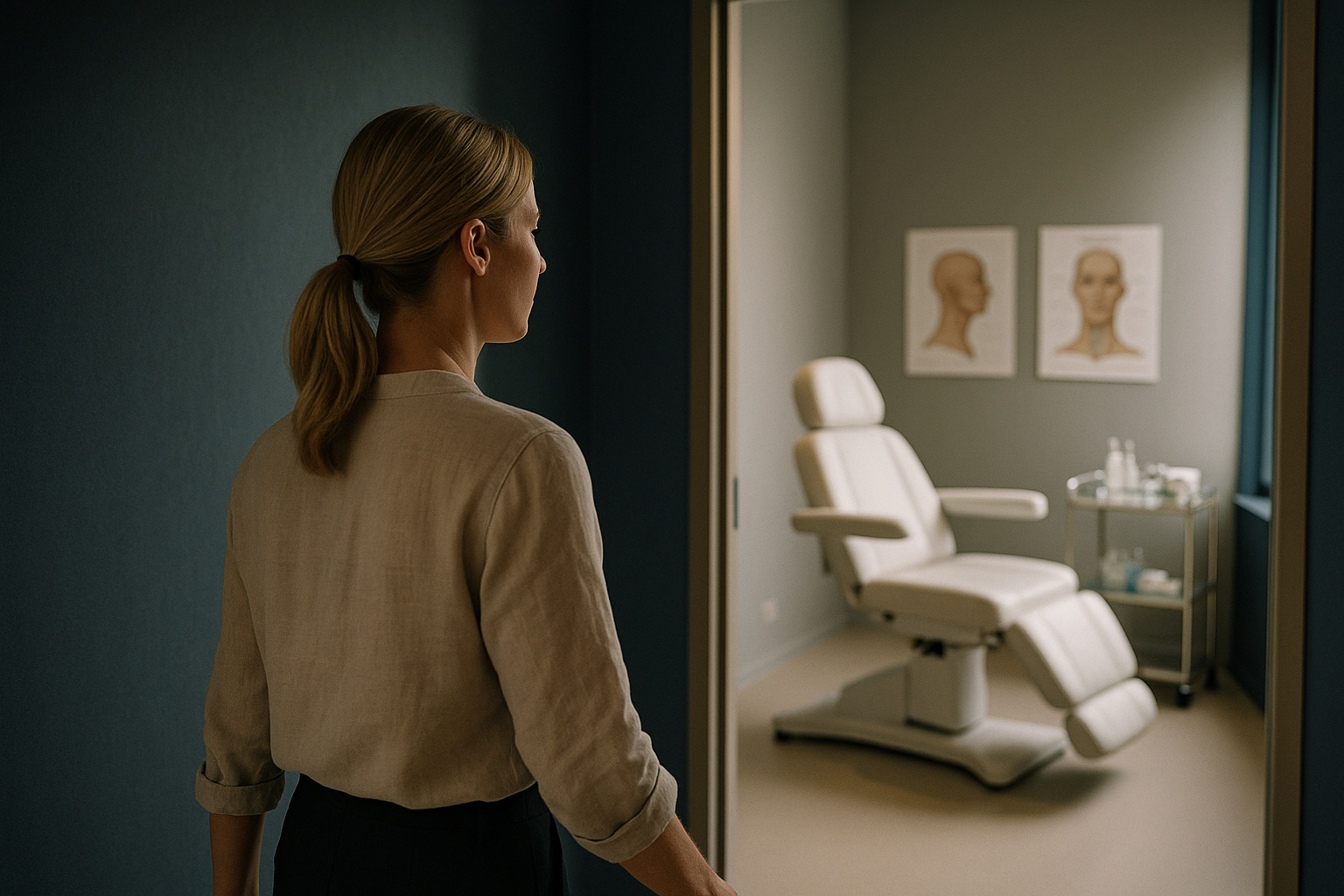
Turkey neck is a common cosmetic concern, characterised by sagging skin and muscles around the neck. Many individuals seek treatments to restore a youthful neck appearance, and Botox is one option that may help. This article explores how Botox can address the issue of turkey neck, offers practical guidance on costs, timelines, and safety considerations, and provides a comprehensive overview for those considering this procedure.
What is a Turkey Neck?
The term ‘turkey neck’ refers to the loose, wrinkled skin that can develop under the chin and along the neck as people age. This condition is primarily caused by a combination of factors, including skin elasticity loss, muscle weakening, and excess fat. The skin loses its firmness as collagen and elastin fibers degrade over time. Coupled with gravity’s pull, this leads to the characteristic sagging appearance. Additionally, the platysma muscle, which runs along the front of the neck, can form prominent vertical bands as it separates, further contributing to the turkey neck appearance.
Genetics play a significant role in how and when these changes occur. Individuals with a family history of loose skin may notice signs earlier. Environmental factors such as prolonged sun exposure can accelerate skin aging by breaking down collagen fibers, while smoking can reduce blood flow to the skin, depriving it of essential nutrients and hastening degradation. Lifestyle choices, including poor diet and lack of exercise, can exacerbate these factors by contributing to fat accumulation and poor skin tone.
Understanding the underlying causes of turkey neck is essential for selecting the most appropriate treatment. While surgical options like neck lifts provide dramatic results, non-invasive procedures like Botox are gaining popularity due to their minimal downtime and lower risk profile. These non-invasive options are particularly appealing for individuals who may not be ready for surgery or who prefer less drastic interventions. They allow for gradual improvements that can be adjusted over time and tailored to the individual’s needs.
How Does Botox Work for Turkey Neck?
Botox, a neurotoxin produced by the bacterium Clostridium botulinum, temporarily paralyzes specific muscles to reduce the appearance of wrinkles. In the case of turkey neck, Botox is injected into the platysma muscle bands, which contribute to the sagging appearance. The platysma muscle, when contracted, can create visible vertical bands on the neck. By targeting these muscles with Botox, the contractions are reduced, which in turn smooths the neck’s appearance.
The procedure is relatively quick, typically lasting about 10 minutes, and involves several small injections into the neck area. The amount of Botox required will vary depending on the severity of the sagging and the individual’s anatomy. Most practitioners will start with a conservative dose to see how the patient responds and adjust in subsequent sessions. It’s crucial for patients to have realistic expectations as Botox will not remove excess skin but rather improve muscle-related issues.
However, it’s important to note that Botox is not a substitute for surgery and may not address severe cases of sagging skin. For those with significant loose skin or fat deposits, surgical options like a neck lift or liposuction might be more appropriate. Botox is best suited for individuals with mild to moderate sagging, where muscle relaxation can provide noticeable improvement. Patients should discuss their specific concerns and goals with a qualified practitioner to determine the best course of action.
Will Botox Help Turkey Neck?
For many individuals, Botox can be an effective treatment for reducing the appearance of a turkey neck. It is particularly beneficial for those with mild to moderate sagging and prominent neck bands. The procedure offers a non-invasive solution that can be completed quickly, with minimal discomfort and no downtime. Patients often appreciate the subtle yet noticeable improvements that Botox provides, which can enhance their overall facial harmony and boost self-confidence.
While Botox can improve neck aesthetics, it is not a permanent solution. The effects typically last 3 to 6 months, after which repeat treatments are necessary to maintain results. This temporary nature allows patients to adjust their treatment over time, responding to changes in their skin or preferences. However, it also means a commitment to ongoing maintenance, which should be factored into the decision-making process.
Consulting with a qualified practitioner is crucial to determine if Botox is suitable for your specific needs. An experienced provider can assess the degree of sagging, evaluate skin quality, and recommend the most appropriate treatment plan. They can also discuss alternative or complementary treatments if Botox alone may not achieve the desired results. A comprehensive approach ensures that patients receive the most effective and personalized care, tailored to their unique situation.
What Are the Costs and Timelines?
The cost of Botox for turkey neck varies depending on the number of units required and the practitioner’s expertise. On average, treatments can range from £200 to £500 per session. Factors influencing cost include geographical location, the clinic’s reputation, and the provider’s qualifications. Some clinics may offer package deals for multiple sessions, which can provide cost savings for those planning to maintain their results over time.
As for timelines, the procedure itself is relatively quick, usually taking 10 to 30 minutes. Patients can typically return to their daily activities immediately, as there is no significant recovery time required. Full results are typically visible within 1 to 2 weeks post-treatment, as the neurotoxin takes time to fully effect muscle relaxation. Some patients notice improvements as soon as a few days post-injection, with peak results appearing after a couple of weeks.
It’s essential to plan treatments strategically, especially if preparing for an event or wanting to align with other cosmetic procedures. Discussing goals and timelines with your practitioner can help ensure optimal scheduling and achieve the best possible outcome. This proactive approach can maximize the benefits of Botox while minimizing any potential disruptions to your routine or lifestyle.
Is Botox Safe for Turkey Neck?
Botox is considered a safe procedure when performed by a qualified healthcare professional. It has been extensively studied and used for cosmetic purposes for decades, with a well-documented safety profile. However, like any medical treatment, it carries potential risks and side effects, such as bruising, swelling, or asymmetry. These side effects are typically mild and resolve within a few days, though in rare cases, more serious complications can occur.
To minimize risks, ensure your practitioner is experienced and follows strict safety protocols. Look for credentials such as board certification in dermatology or plastic surgery, and seek out providers with a proven track record in administering Botox for neck treatments. A thorough consultation should include a discussion of your medical history, any medications you are taking, and your aesthetic goals. This information helps the provider tailor the treatment to your needs and identify any potential contraindications.
- Choose a licensed and experienced practitioner.
- Discuss your medical history and goals with your provider.
- Understand the potential risks and side effects.
Discuss any medical conditions or medications with your provider, as these may affect the treatment’s suitability. For instance, individuals with neuromuscular disorders or allergies to Botox components should avoid treatment. By being candid and thorough during the consultation, you can help ensure that the procedure is safe and effective for your unique situation.
How Does Botox Compare to Other Treatments?
When considering neck rejuvenation options, Botox is one of several treatments available. Other non-surgical options include dermal fillers and laser therapy, each with distinct mechanisms and results. Fillers, for instance, are used to add volume and smooth out wrinkles by injecting substances like hyaluronic acid into the skin. They can be particularly effective for addressing volume loss in the lower face and neck.
Laser therapy, on the other hand, improves skin texture and tone by using focused light energy to stimulate collagen production and promote cellular turnover. This treatment is beneficial for individuals with sun-damaged skin or those seeking an overall improvement in skin quality. However, lasers may require multiple sessions and have a longer recovery time compared to Botox.
Botox is most effective for muscle-related issues, while fillers can add volume to sagging areas, and lasers improve skin texture. A combination of treatments might be recommended for optimal results. For example, a patient with muscle bands and volume loss might benefit from both Botox and fillers, whereas someone with significant sun damage might consider combining Botox with laser therapy. Each treatment has its own set of benefits and considerations, and a personalized approach ensures the best outcomes.
| Treatment | Benefits | Considerations |
|---|---|---|
| Botox | Reduces muscle bands | Temporary, repeat sessions needed |
| Fillers | Adds volume | May not address muscle bands |
| Laser Therapy | Improves skin texture | Multiple sessions required |
Conclusion
Botox can be a viable option for those seeking to improve the appearance of a turkey neck. It offers a non-invasive solution with minimal recovery time, suitable for individuals with mild to moderate sagging. The treatment is particularly appealing for those looking for a quick fix with subtle yet appreciable results. However, it is essential to have realistic expectations and consult with a qualified practitioner to determine the best treatment plan for your needs.
A thorough consultation will help identify the most suitable approach, whether it involves Botox alone or in combination with other treatments like fillers or laser therapy. Understanding the nuances of each option and how they can complement each other is crucial for achieving the desired outcome. Patients should be informed of the temporary nature of Botox and be prepared for ongoing maintenance to sustain results.
Ultimately, the decision to undergo Botox treatment for a turkey neck should be based on a comprehensive evaluation of one’s aesthetic goals, budget, and lifestyle. With the guidance of an experienced practitioner, patients can enjoy the benefits of a rejuvenated neck with improved confidence and satisfaction. By taking a thoughtful and informed approach, individuals can achieve a more youthful and harmonious appearance, enhancing their overall sense of well-being.
Proven result
20 to 200 hair-transplant patients a month from Australia
Aesthetic surgery group
Frequently asked questions
Will Botox completely get rid of my turkey neck?
Botox can improve the appearance of a turkey neck by smoothing out muscle bands, but it may not completely eliminate sagging skin.
How long do the effects of Botox last for turkey neck?
The effects of Botox for turkey neck typically last 3 to 6 months. Repeat treatments are necessary to maintain results.
Is Botox safe for treating turkey neck?
Botox is generally safe when administered by a qualified professional. Potential side effects include bruising and swelling.
How does Botox compare to other neck treatments?
Botox is effective for muscle-related issues, while fillers add volume and lasers improve skin texture. A combination may be recommended.
Related guides

Understanding the Intricacies of the ICSI Procedure
Quick answerThe ICSI procedure is a specialised form of IVF where a single sperm is injected directly into…

What to Know Before Choosing Cosmetic Surgery Abroad
Quick answerCosmetic surgery abroad can be cost-effective due to lower operational costs and favourable exchange rates. Ensure the…

Using Botox for Turkey Neck: Efficacy and Options
Quick answerBotox can help reduce the appearance of a turkey neck by relaxing the muscles responsible for neck…