
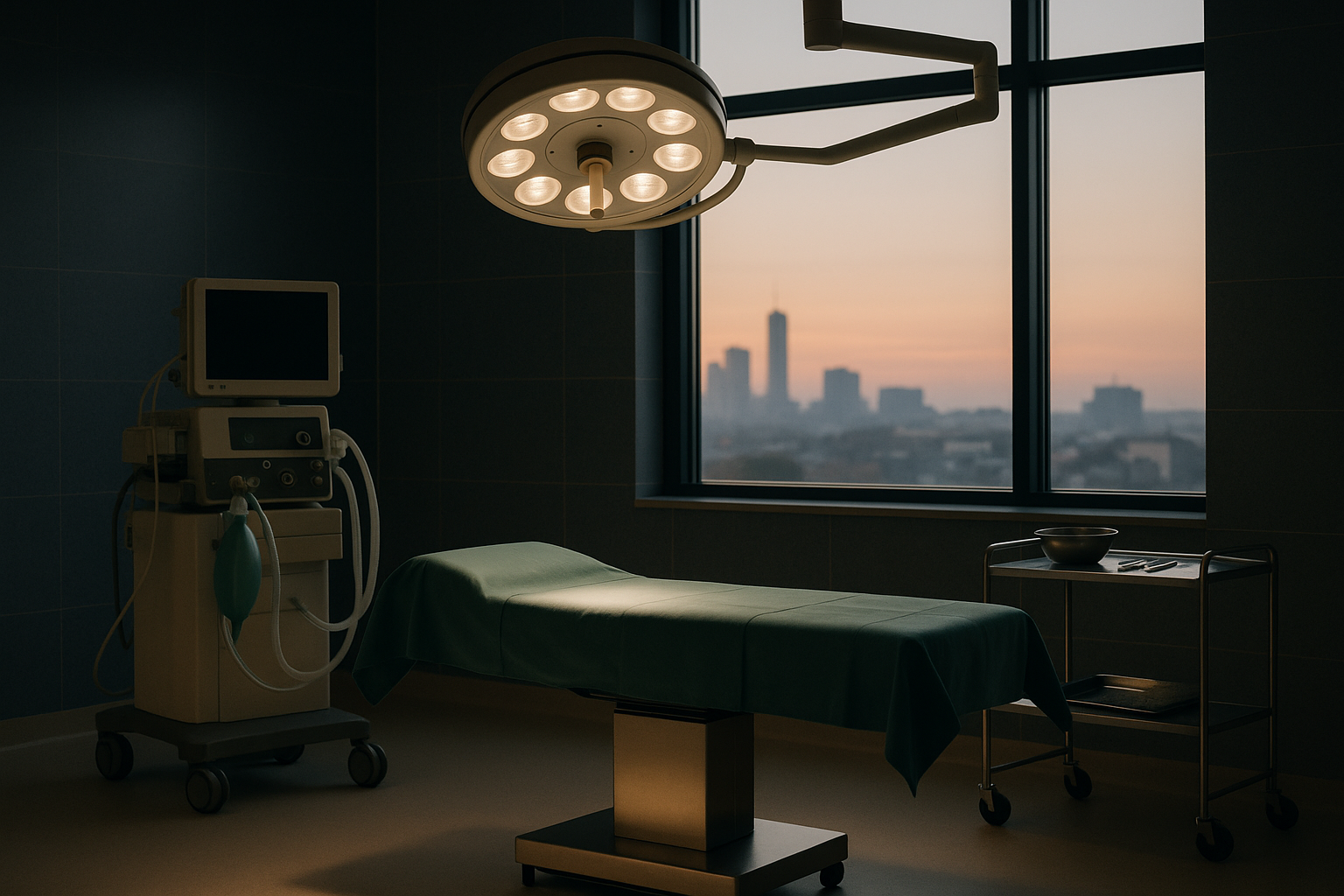
Turkey has become a popular destination for rhinoplasty, offering high-quality services at competitive prices. Known for its skilled surgeons and modern facilities, Turkish rhinoplasty attracts international patients seeking effective nasal surgery. This article explores the practical steps, costs, and safety measures involved in undergoing a rhinoplasty in Turkey.
What Makes Turkish Rhinoplasty Popular?
Turkish rhinoplasty is renowned for its combination of affordability and quality. Patients benefit from advanced surgical techniques, often performed by internationally trained surgeons. Surgeons in Turkey frequently undergo extensive training both domestically and abroad, ensuring they are up-to-date with the latest advancements in rhinoplasty techniques. This expertise is coupled with the use of cutting-edge technology, such as 3D imaging and simulation, which allows patients to visualize potential outcomes before surgery.
The costs are significantly lower compared to many Western countries, making Turkey an attractive option for those seeking aesthetic enhancements without breaking the bank. In addition to cost savings, patients often experience shorter wait times for surgery, which can be a significant advantage compared to the lengthy queues in some countries. For example, while a patient might wait months for surgery in the UK or US, in Turkey, the wait time is often reduced to just weeks.
Additionally, Turkey’s strategic location between Europe and Asia makes it accessible for international travelers. The country is equipped with state-of-the-art medical facilities, ensuring that patients receive care that adheres to international standards. The blend of cultural hospitality and medical professionalism enhances the overall experience, with many clinics offering translation services, transportation, and personalized care packages tailored to foreign patients. Furthermore, the rich cultural history of Turkey offers patients an opportunity to combine medical travel with tourism, exploring destinations like Istanbul’s historical sites or the beaches of Antalya during their recovery.
Patient testimonials and success stories further contribute to Turkey’s reputation as a leading destination for rhinoplasty. Many individuals report high satisfaction with their outcomes, highlighting the expertise of Turkish surgeons and the comprehensive aftercare provided. The personal touch and attention to detail often mentioned in reviews reflect the deep commitment of Turkish medical professionals to patient satisfaction and successful outcomes. This commitment is evidenced by the fact that many clinics offer extensive post-operative support, including follow-up consultations and access to medical professionals for any concerns that might arise after the patient has returned home.
How Much Does Rhinoplasty Cost in Turkey?
The cost of rhinoplasty in Turkey can vary based on the complexity of the procedure and the surgeon’s experience. On average, prices range from $2,000 to $4,500. This cost includes pre-surgery consultations, the surgery itself, post-operative care, and sometimes accommodation. Factors influencing the cost include the type of rhinoplasty being performed — whether it’s a primary rhinoplasty or a revision surgery — and the specific techniques utilized, such as open or closed rhinoplasty.
Comparatively, rhinoplasty in countries like the United States or the United Kingdom can exceed $10,000, making Turkey a cost-effective alternative. It’s important for prospective patients to consider all potential expenses, including travel and accommodation, to budget effectively for their medical journey. A comprehensive budget should also account for any unforeseen expenses, such as extended stays due to recovery needs or additional follow-up consultations. Travel expenses can vary widely depending on the patient’s home country, with flights ranging from $500 to $1,500 on average.
Many clinics offer package deals that bundle the surgery with hotel stays and airport transfers, providing convenience and peace of mind for international patients. These packages can be tailored to individual needs, ensuring a personalized experience. For example, some packages may include guided tours or cultural experiences, allowing patients to enjoy a bit of leisure and sightseeing as part of their medical trip. Clinics may also include additional perks such as spa treatments or wellness activities to promote relaxation and recovery.
To ensure the best financial decision, patients should request detailed breakdowns of what is included in the cost and verify any additional expenses that might arise. Comparing packages from multiple clinics and seeking recommendations from previous patients can also help in making an informed choice. Patients should also inquire about the payment options available, as some clinics offer installment plans or financing options to make the cost more manageable.
What Are the Steps for Planning a Rhinoplasty in Turkey?
Planning a rhinoplasty in Turkey involves several key steps. Initially, patients should research and select a reputable Turkish hospital or clinic known for its expertise in rhinoplasty. This process can begin with online research, reading reviews, and participating in forums where former patients share their experiences. Consulting with multiple surgeons via online platforms or telemedicine is advisable to understand different approaches and outcomes. Platforms like Zoom or Skype can facilitate these consultations, allowing patients to communicate their goals and ask questions directly.
Once a surgeon is chosen, patients should schedule a detailed consultation. This often includes a discussion of medical history, desired outcomes, and a physical examination. It’s crucial to address any questions or concerns during this stage to ensure clarity and comfort with the planned procedure. Patients should prepare a list of questions regarding the surgeon’s experience, potential risks, recovery expectations, and aftercare services offered. Understanding the surgeon’s track record with similar cases can provide insights into their expertise and the likely success rate of the surgery.
Travel arrangements should be coordinated well in advance. Patients must acquire necessary travel documents, including a valid passport and any required visas. Arranging accommodations near the clinic and planning for recovery time is also essential for a smooth experience. Patients should consider recovery-friendly accommodations that offer comfort and convenience, such as proximity to the clinic, quiet surroundings, and additional amenities like room service or transportation to follow-up appointments. Choosing accommodations that include meals can also be beneficial, as patients may have dietary restrictions following surgery.
It’s advisable to have a support plan in place, such as bringing a friend or family member along for assistance during the initial recovery period. This companion can help manage logistics and provide emotional support, particularly in the early days post-surgery. They can also assist with communication if language barriers exist, ensuring that patients fully understand medical instructions and advice. Additionally, having someone familiar around can provide comfort and reassurance during the recovery period.
How Safe Is Rhinoplasty in Turkey?
Safety is a top priority for those considering rhinoplasty in Turkey. Many Turkish hospitals and clinics hold international accreditations, demonstrating adherence to global healthcare standards. The Joint Commission International (JCI) is one such body that accredits numerous Turkish hospitals, ensuring quality and safety. Such accreditations are a testament to the rigorous standards maintained in these facilities, covering areas like surgical procedures, patient care, and infection control.
Prospective patients should verify the credentials of their chosen surgeon, considering their training, experience, and patient reviews. Researching the surgeon’s educational background and any participation in professional organizations can provide insights into their expertise and commitment to ongoing professional development. It’s also important to understand the facility’s protocols for infection control and emergency procedures. The World Health Organization provides guidelines on healthcare safety that can be useful for patient reference.
Patients should follow pre- and post-operative instructions meticulously to minimize risks and promote healing. Instructions may include guidelines on medication use, dietary restrictions, and activity limitations. Open communication with the healthcare team about any concerns or unusual symptoms is essential for a successful recovery. Maintaining regular contact with the healthcare provider, whether through follow-up appointments or virtual check-ins, can help address any issues promptly and ensure peace of mind. Patients should also inquire about the availability of 24/7 emergency services in case complications arise after hours.
Additionally, many clinics offer 24/7 support lines for post-operative care, ensuring that patients have access to professional advice and assistance at any time. This level of care and availability is crucial in managing complications, should they arise, and enhancing the overall safety of the surgical experience. Patients should confirm that their chosen clinic has a clear protocol for handling any post-surgical complications and that they feel confident in the medical team’s ability to provide timely and effective care.
What Is the Recovery Process Like After Turkish Rhinoplasty?
Recovery from rhinoplasty in Turkey typically involves an initial stay of 7 to 10 days. Patients are advised to rest and avoid strenuous activities during this period to facilitate healing. Swelling and bruising are common in the first week but gradually subside. During this initial phase, patients should follow specific guidelines provided by their surgeon, such as keeping their head elevated, avoiding direct sunlight, and adhering to prescribed medication regimens.
Follow-up appointments are scheduled to monitor healing progress and address any complications. Clinics often provide detailed post-operative care plans, including instructions on wound care and hygiene. Patients should adhere to prescribed medications and use cold compresses to manage discomfort and swelling. The use of soft foods and avoiding hot beverages can also support a smoother recovery by minimizing facial movements. Patients might also be advised to wear protective dressings or splints to support the newly shaped nose.
After returning home, it’s important to continue following the surgeon’s instructions. Most patients can resume normal activities after three weeks, but full recovery can take several months. Regular follow-ups, either in person or via telemedicine, help ensure optimal results. These follow-ups are vital in assessing the progress of healing and making any necessary adjustments to the recovery plan. During these consultations, patients should report any persistent swelling, discomfort, or other unusual symptoms to their healthcare provider.
Patients should be patient with their recovery, understanding that final results can take up to a year to fully manifest as swelling dissipates and the nose settles into its new shape. Engaging in light physical activities, like walking, can aid circulation and promote healing, but any rigorous exercise should be avoided until the surgeon gives clearance. Adhering to a healthy lifestyle, including a balanced diet and adequate hydration, can further support recovery and enhance overall well-being.
Are There Additional Procedures Available Alongside Rhinoplasty?
Many patients opt for additional cosmetic procedures during their trip to Turkey. Commonly combined with rhinoplasty are procedures like dental work, often referred to as “Turkish teeth”, and other facial surgeries. Combining procedures can enhance overall aesthetic results and reduce total recovery time. For instance, patients might choose to undergo a facelift or eyelid surgery along with rhinoplasty, taking advantage of the comprehensive surgical expertise available in Turkey.
It’s crucial to discuss the possibility of additional procedures with the surgeon during the initial consultation. Understanding the potential risks and benefits of combined surgeries is essential for making informed decisions. Surgeons will assess the patient’s overall health and suitability for multiple procedures, ensuring that the combined approach does not compromise safety or recovery outcomes. Patients should also consider the increased demands of recovery from multiple procedures, as this may extend the downtime and require more intensive aftercare.
Cost-wise, combining procedures can offer better value, as clinics may provide discounts for bundled services. However, patients should ensure they are physically and mentally prepared for multiple procedures and the extended recovery process. The psychological and physical demands of multiple surgeries should not be underestimated, and adequate support systems should be in place. It is important to have realistic expectations and a clear understanding of the potential outcomes of each procedure.
Planning for combination procedures should include a detailed review of the recovery timeline, as well as potential impacts on daily activities and work commitments. A thorough understanding of the post-operative care requirements for each procedure is vital in ensuring a smooth and successful recovery journey. Patients should communicate openly with their healthcare team about their goals and any concerns, ensuring a clear and coordinated care plan.
Conclusion
Rhinoplasty in Turkey presents a compelling option for those seeking quality nasal surgery at an affordable price. With experienced surgeons, modern facilities, and comprehensive patient care, Turkey stands out as a leader in medical tourism. For prospective patients, thorough research, careful planning, and open communication with healthcare providers are key to a successful and satisfying experience. By considering the unique benefits and resources available, patients can achieve their desired aesthetic outcomes while enjoying a seamless and supportive medical journey.
Proven result
20 to 200 hair-transplant patients a month from Australia
Aesthetic surgery group
Frequently asked questions
Is rhinoplasty in Turkey safe for international patients?
Yes, many Turkish hospitals are JCI-accredited, ensuring high safety standards. Patients should verify surgeon credentials and follow all pre- and post-operative instructions.
How long should I stay in Turkey after rhinoplasty?
A stay of 7 to 10 days is recommended for initial recovery. Follow-up appointments help monitor healing before returning home.
Can I combine rhinoplasty with other procedures in Turkey?
Yes, many patients opt for additional procedures like dental work. Discuss combined surgeries with your surgeon to understand risks and benefits.
What are the costs for rhinoplasty in Turkey?
Rhinoplasty in Turkey costs $2,000 to $4,500 on average. This includes surgery, consultations, and sometimes accommodation.
What should I consider when planning rhinoplasty in Turkey?
Research reputable clinics, consult multiple surgeons, and plan travel and accommodation. Ensure you have all necessary travel documents.
Related guides
Selecting the Right Nose Surgeon in Turkey
Quick answerNose surgery in Turkey typically costs between $2,000 and $4,000, offering competitive pricing compared to Western countries,…

Rhinoplasty in Istanbul: Key Considerations
Quick answerRhinoplasty in Istanbul offers high-quality procedures at competitive prices, attracting many international patients. Costs typically range from…
Exploring Nose Surgery Options in Turkey
Quick answerTurkey is a leading destination for medical tourism due to its high-quality healthcare services, affordable costs, and…