

Dental veneers are a popular cosmetic solution for improving the appearance of teeth. Understanding the cost of veneers dental is crucial for prospective patients considering this treatment option. This article explores the factors influencing costs, compares global prices, and provides practical steps for international patients considering veneers.
What Are Dental Veneers and Their Benefits?
Dental veneers are thin shells applied to the front surface of teeth, enhancing their appearance by altering color, shape, size, or length. Typically made from porcelain or resin composite materials, veneers offer a natural tooth appearance and are stain-resistant. They are an excellent option for individuals with chipped, discolored, or misaligned teeth. Porcelain veneers are particularly favored for their realistic appearance, closely mimicking the light-reflecting properties of natural teeth. They are also highly resistant to staining from coffee, tea, and red wine, making them a long-lasting solution for aesthetic dental concerns.
The primary benefit of veneers is their ability to provide a long-lasting aesthetic improvement. Unlike dental crowns, which cover the entire tooth, veneers require less tooth reduction. They are custom-made to fit each patient’s teeth, ensuring a seamless look that boosts confidence and enhances smiles. In addition to cosmetic enhancement, veneers can provide a protective layer for teeth that have worn enamel, reducing sensitivity and further tooth wear. This dual function makes veneers an attractive option for those looking to improve both appearance and oral health.
While veneers are primarily cosmetic, they can also protect damaged teeth from further harm. Their durability makes them a worthwhile investment for those seeking a comprehensive dental enhancement. Veneers can last between 10 to 15 years with proper care, such as regular brushing, flossing, and dental check-ups. This long lifespan, combined with their ability to cover a wide range of imperfections, from minor chips to significant discoloration, underscores their value as a cosmetic dental solution. Patients can also choose between different shades for their veneers, allowing for precise color matching with existing teeth or a complete transformation for a brighter smile.
How Much Do Dental Veneers Cost?
The cost of veneers dental can vary significantly depending on several factors. On average, the price ranges from $250 to $2,500 per tooth. The material chosen—porcelain or composite resin—greatly affects the cost, with porcelain veneers generally being more expensive due to their superior durability and natural look. Porcelain veneers, while costlier, often provide a more aesthetic and lasting result, whereas composite veneers, though cheaper, may need replacement sooner, typically within 5-7 years. This makes porcelain veneers a better investment for those seeking longevity.
Geographical location also plays a crucial role in determining costs. For example, dental veneers in the United States might be more expensive than in countries like Mexico or Thailand, where lower overheads and living costs translate to more affordable dental care. In the U.S., average prices can be upwards of $1,500 per tooth, while in Mexico, the same procedure might cost between $300 and $800, offering significant savings. This price difference is often attributed to lower operational costs and favorable exchange rates in these countries, which benefit international patients.
Additionally, the dentist’s expertise and the clinic’s reputation can influence the price. High-end clinics with experienced dentists may charge more but often provide exceptional results and customer service. For instance, a renowned cosmetic dentist in a metropolitan area may charge $2,000 per veneer due to their specialization and experience, while a general dentist might offer the same service for $1,000. Patients should weigh the potential benefits of experienced practitioners against their budget, as expertise often translates into better outcomes and fewer complications.
Factors Influencing the Cost of Veneers Dental
Several factors can influence the cost of veneers dental. Firstly, the material of the veneers is a significant determinant. Porcelain veneers, known for their durability and aesthetic appeal, are typically more costly than composite veneers, which are less durable but more affordable. Porcelain is also less likely to stain and can last over a decade with proper care. In contrast, composite veneers are more prone to chipping and staining, necessitating more frequent replacements, which can add to the overall cost over time.
Another factor is the number of veneers required. A full set of veneers will naturally cost more than a single veneer. Additionally, the complexity of the case, including any preparatory work required, can impact the overall cost. For example, if a patient has significant tooth misalignment or decay, additional procedures such as orthodontics or fillings might be needed before veneers can be applied, increasing the total expenditure. These preparatory treatments ensure that the veneers not only enhance the smile but also fit securely and function effectively.
Location is another important consideration, as dental costs can vary widely between countries and even within regions. For instance, dental treatments in metropolitan areas might be priced higher than those in rural settings. In cities like New York or Los Angeles, the cost of living and operational expenses are higher, which is reflected in dental procedure pricing. Conversely, patients might find more affordable options in smaller towns or cities, though they should ensure that the quality of care and materials used are not compromised in pursuit of lower costs.
Comparing the Cost of Veneers with Other Dental Treatments
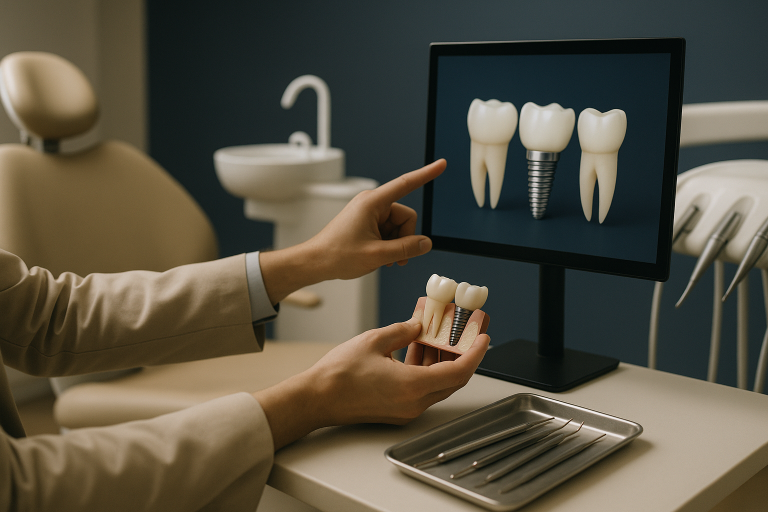
When considering dental veneers, it’s helpful to compare their costs with other dental treatments. For example, the cost of full mouth dental implants can be significantly higher, often ranging from $24,000 to $50,000, depending on the complexity and materials used. Dental implants involve surgically placing a metal post in the jawbone, which serves as an anchor for artificial teeth, offering a permanent solution for tooth loss but at a considerably higher expense than veneers.
Similarly, the cost of dental implants for a single tooth can range from $3,000 to $4,500, which may be more than veneers but offers a permanent tooth replacement solution. In contrast, the cost of porcelain veneers, while lower per tooth, is primarily for cosmetic purposes. Veneers do not replace missing teeth but enhance the appearance of existing ones. This makes veneers a more suitable option for those whose primary concern is aesthetics rather than functionality.
A table comparing these costs can offer clarity:
| Treatment | Average Cost |
|---|---|
| Single Porcelain Veneer | $250 – $2,500 |
| Full Mouth Dental Implants | $24,000 – $50,000 |
| Single Dental Implant | $3,000 – $4,500 |
Other alternatives include dental bonding and teeth whitening. Bonding, which involves applying a tooth-colored resin to repair minor chips and gaps, typically costs between $100 and $400 per tooth. Teeth whitening, a purely cosmetic treatment, ranges from $300 to $800, depending on the method used. While bonding and whitening are less expensive than veneers, they do not offer the same durability or dramatic transformation that veneers provide, making veneers a preferred choice for significant cosmetic changes.
Steps for International Patients Seeking Veneers
For international patients considering veneers, researching and planning are essential. Begin by identifying potential countries where the treatment is both affordable and reputable. Countries such as Turkey, Mexico, and Thailand are popular for offering quality dental care at lower costs. These destinations often have clinics that cater specifically to international patients, providing packages that include not only treatment but also accommodation and transportation, making the process more convenient.
Next, gather information about clinics and dentists, checking credentials, accreditations, and patient reviews. Many clinics provide online consultations to discuss treatment plans and estimate costs. During the consultation, inquire about the materials used, the experience of the dental team, and any additional services offered. This step is crucial to ensure that the clinic meets your expectations and adheres to international healthcare standards.
- Research destination countries and clinics.
- Check qualifications and reviews of dentists.
- Consider online consultations for initial assessments.
- Confirm the availability of post-procedure care and follow-up services.
Once you have chosen a clinic, plan your travel and accommodation, ensuring you allocate time for recovery and follow-up appointments if necessary. It’s important to budget for additional expenses such as travel insurance, which can cover unexpected medical costs or changes in travel plans. Additionally, understanding the local language, culture, and healthcare system can help ease the experience and ensure a smoother process from arrival to completion of treatment.
Understanding the Safety and Accreditation of Dental Clinics
Safety and accreditation are paramount when choosing a dental clinic abroad. Look for clinics that are accredited by internationally recognized bodies. Accreditations ensure that the clinic adheres to global standards of hygiene, safety, and patient care. Organizations such as the Joint Commission International (JCI) or the International Society for Quality in Health Care (ISQua) provide accreditation that ensures adherence to stringent healthcare protocols, offering patients peace of mind regarding the quality of care they will receive.
It’s advisable to inquire about the clinic’s infection control measures, sterilization protocols, and emergency procedures. Reputable clinics will have no issue providing this information. Patients should also verify the qualifications of the dental team, ensuring that they have received training from recognized institutions and have experience in cosmetic dentistry. This level of diligence can help in avoiding clinics that cut corners on safety or quality in order to offer lower prices.
- Verify clinic accreditation.
- Inquire about hygiene and safety protocols.
- Research patient testimonials and experiences.
- Check the clinic’s history of any malpractice issues or complaints.
Ensuring the clinic’s adherence to high standards can significantly enhance your treatment experience and outcome. Selecting a clinic with a track record of successful procedures and satisfied patients reduces the risk of complications and ensures that you receive the best possible care. Patients are encouraged to communicate any concerns they have prior to treatment and to ensure they understand all aspects of the procedure, including potential risks and expected outcomes.
Conclusion: Making Informed Decisions about Dental Veneers
Understanding the cost of veneers dental is an essential step in making an informed decision about your dental health. By considering the factors influencing costs, comparing them with other treatments, and thoroughly researching international options, you can make a choice that aligns with your budget and aesthetic goals. Being informed about the cost implications helps in planning and ensures that patients are prepared for both the financial and procedural aspects of getting veneers.
Remember, investing in quality dental care often yields long-term benefits, enhancing not only your smile but also your confidence and overall wellbeing. A beautiful smile can have a profound impact on personal and professional interactions, making the investment worthwhile. However, it is crucial to prioritize quality and safety over cost alone when making decisions about dental care. By doing so, patients can enjoy the aesthetic and functional benefits of veneers without compromising their oral health.
Ultimately, the decision to get dental veneers should be based on a comprehensive understanding of the procedure, costs, and potential outcomes. Consulting with a trusted dental professional can provide valuable insights and guidance tailored to your specific needs. With careful planning and consideration, veneers can be a transformative investment in your dental health and personal confidence.
Proven result
80 to 240 dental patients a month from France
High-volume dental clinic, Istanbul
Frequently asked questions
What factors affect the cost of dental veneers?
The cost is influenced by material (porcelain or composite), location, dentist expertise, and the number of veneers needed.
Are dental veneers more expensive than dental implants?
Generally, veneers are less expensive per tooth than implants, but implants offer a permanent solution, which may justify their higher cost.
How can I find a reputable dental clinic abroad?
Research clinics’ accreditations, check patient reviews, and consider online consultations to assess their services and credentials.
What are the benefits of choosing porcelain veneers?
Porcelain veneers offer durability, a natural appearance, and stain resistance, making them a popular choice for aesthetic dental treatments.
How long do dental veneers typically last?
With proper care, dental veneers can last between 10 to 15 years, though this may vary depending on the material and individual oral hygiene.
Related guides

How Much Do Veneers Cost? A Patient’s Guide
Quick answerVeneers typically cost between £300-£1,000 per tooth, depending on materials, location, and the dentist's expertise. Costs vary…

Pricing Dental Veneers: Key Factors to Consider
Quick answerPrices for dental veneers vary globally, influenced by material, location, and specialist fees. Expect €250-€2,500 per tooth,…
Breaking Down the Cost of Dental Implants
Quick answerDental implant costs vary globally, typically ranging from $1,000 to $4,000 per implant. Factors include location, dentist…