
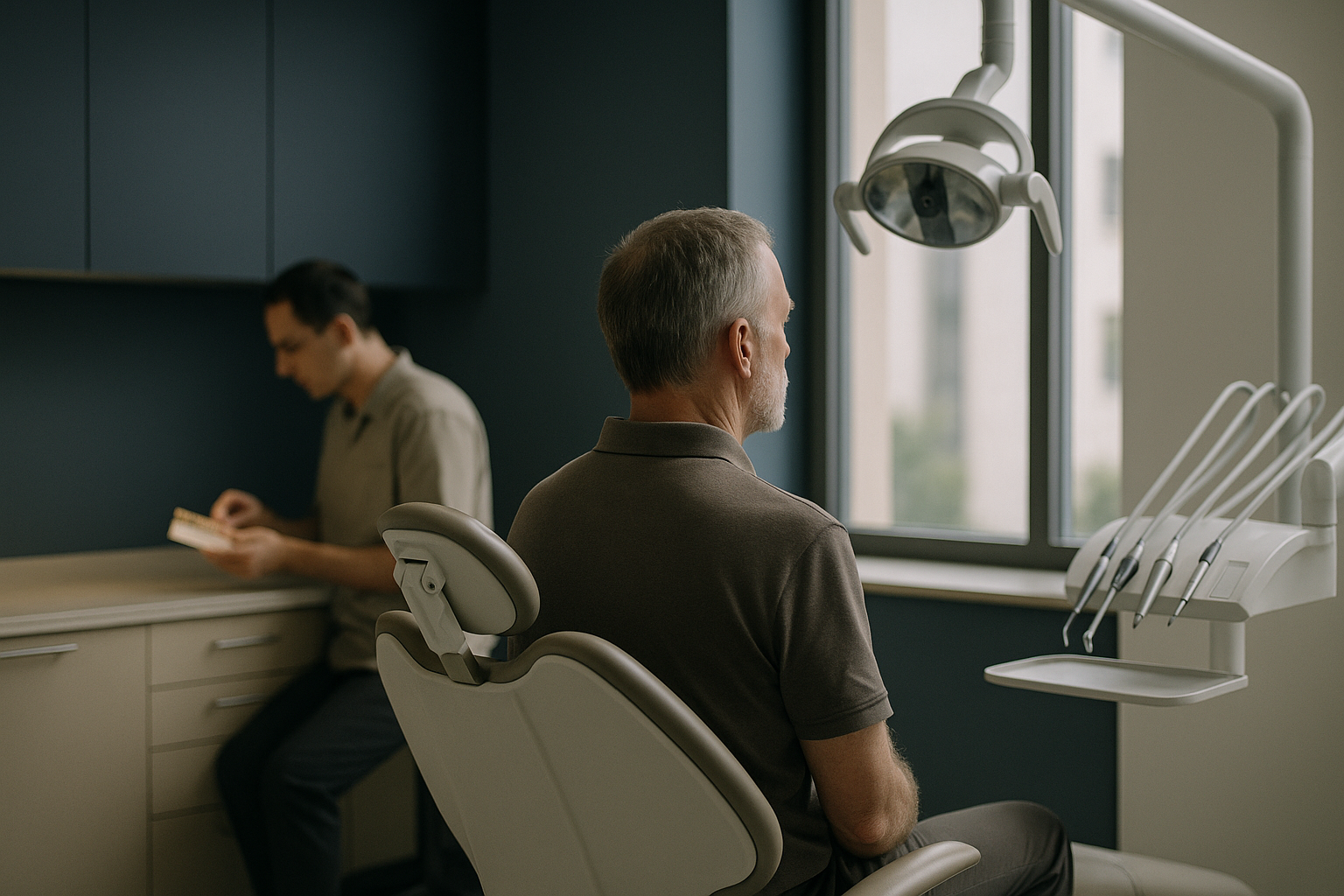
Teeth veneers are an increasingly popular dental solution for individuals seeking to enhance their smile aesthetically. These thin shells of porcelain or composite resin are custom-made to fit over the front surface of teeth, providing a natural appearance and improving both function and aesthetics.
What are Teeth Veneers?
Teeth veneers are custom-designed shells that cover the front side of teeth. Made from porcelain or composite resin, they are used to correct a variety of dental issues, such as discolouration, gaps, and minor misalignments. Veneers are a versatile solution, offering a durable and natural-looking smile enhancement. These veneers are particularly beneficial for those looking to address multiple cosmetic concerns simultaneously. For instance, if a patient has both stained and slightly misaligned teeth, veneers can address both issues at once, eliminating the need for separate treatments like whitening or orthodontics.
The process of getting veneers typically requires two dental visits. During the first visit, the dentist prepares the teeth by removing a thin layer of enamel, which is necessary for achieving a natural appearance and proper fit. This preparation is crucial because it allows the veneer to sit flush with the rest of the tooth, ensuring a seamless transition between the veneer and the natural tooth surface. The dentist then takes an impression of the teeth, which serves as a model for fabricating the custom veneers.
Once the impressions are taken, they are sent to a dental laboratory where the veneers are crafted. This process can take one to two weeks, during which temporary veneers might be placed to protect the prepared teeth. At the second appointment, the veneers are fitted and bonded to the teeth. The dentist ensures that the veneers match the desired shade and shape before permanently affixing them. This attention to detail is vital, as it affects the overall aesthetics and functionality of the veneers. Once bonded, the veneers are polished to achieve a natural, glossy appearance.
How Much Do Teeth Veneers Cost?
The cost of teeth veneers varies significantly depending on the material used and geographical location. On average, porcelain veneers can range from $800 to $2,500 per tooth, while composite veneers are generally less expensive, costing between $250 and $1,500 per tooth. Factors such as the dentist’s expertise and clinic location can also influence the overall cost. For instance, dental practices in urban areas or regions with a high cost of living may charge more than those in rural settings. Additionally, dentists with advanced certifications or reputations for cosmetic dentistry might price their services higher.
When considering the cost, patients should evaluate the long-term value of their investment. Porcelain veneers, although more expensive upfront, tend to last between 10 and 15 years, offering superior durability and aesthetics. Composite veneers might need replacement after 5 to 7 years. Therefore, the initial higher cost of porcelain could be offset by its longevity and reduced need for maintenance or replacement. It’s also worth noting that some dental insurance plans might cover part of the cost, especially if the veneers are deemed necessary for health reasons rather than purely cosmetic.
It is important for patients to consider the long-term investment of veneers, as porcelain options often last longer and offer superior aesthetic results. Consultation with a dental professional can provide a detailed cost estimate tailored to individual needs. Many clinics offer financing options to make the treatment more affordable. Patients should inquire about payment plans or partnerships with financing companies that can help spread the cost over several months or years, making the investment in their smile more manageable.
How Much Do Veneers Cost for Front Teeth?
Front teeth veneers are commonly sought for their aesthetic impact. Porcelain veneers for front teeth typically cost between $1,000 and $2,500 per tooth. These veneers are crafted to match the natural colour and shape of surrounding teeth, ensuring a harmonious smile. This meticulous customization is crucial, as the front teeth are the most visible and play a significant role in the overall appearance of a person’s smile. The process involves selecting the right shade of porcelain and shaping the veneer to align perfectly with the adjacent teeth.
Composite veneers for front teeth are a more budget-friendly option, often ranging from $250 to $1,500 per tooth. While they may not last as long as porcelain, they offer a quick and effective solution for enhancing the appearance of front teeth. Composite veneers can be applied directly in a single appointment, making them a convenient option for those with time constraints. However, patients should be aware that composites are more prone to staining and might require more frequent maintenance than porcelain.
When deciding between porcelain and composite for front teeth, patients should consider factors such as durability, appearance, and budget. Porcelain is generally more durable and resistant to staining, making it a better long-term investment for those concerned with maintaining a bright, natural look. On the other hand, composites might be suitable for individuals looking for a temporary or less expensive solution. Consulting with a dentist can help patients weigh these factors and make an informed decision based on their specific needs and financial situation.
Is the Dental Veneer Procedure Safe?
The dental veneer procedure is considered safe when performed by a qualified dental professional. Before undergoing the procedure, a comprehensive dental examination is essential to assess oral health and suitability. This examination ensures that the patient’s teeth and gums are healthy enough to support veneers and that any underlying issues are addressed beforehand. Conditions such as gum disease or tooth decay need to be treated prior to veneer placement to avoid complications.
Patients should ensure that their chosen clinic adheres to international safety standards and possesses necessary accreditations. Accreditation from organizations such as the Joint Commission International (JCI) or the Global Clinic Rating (GCR) can provide assurance of quality and safety. These accreditations indicate that the clinic follows rigorous protocols for hygiene, sterilization, and patient care.
Potential risks include tooth sensitivity and damage to natural tooth structure. However, these risks are minimal when the procedure is conducted by an experienced dentist. The removal of enamel during the preparation phase is irreversible, but this step is crucial to ensure the veneers fit properly and look natural. Patients should discuss any concerns during the initial consultation, where the dentist can explain the procedure in detail and address any questions. Following post-procedure instructions, such as maintaining good oral hygiene and avoiding hard foods, can further minimize risks and ensure a successful outcome.
What is the Timeline for Getting Teeth Veneers?
The timeline for receiving teeth veneers typically spans two to four weeks. Initially, a consultation and examination are conducted to create a treatment plan. This phase is critical as it allows the dentist to understand the patient’s goals and assess their suitability for veneers. The first appointment involves tooth preparation and impression-taking, which is then sent to a laboratory for veneer fabrication. The lab usually takes about one to two weeks to create the custom veneers.
Once the veneers are ready, a second appointment is scheduled for fitting and bonding. This visit is crucial as the dentist will ensure the veneers fit perfectly, make any necessary adjustments, and then bond them to the teeth. Some clinics offer expedited services, but it is crucial to ensure that quality is not compromised for speed. Expedited services might be beneficial for patients with time constraints, such as those traveling from abroad, but they should verify that the quality of materials and workmanship meets high standards.
Patients should plan their travel and accommodation accordingly if seeking treatment abroad. Dental tourism has become popular due to cost savings, but it requires careful planning. Patients should consider factors such as the country’s healthcare standards, travel restrictions, and post-procedure care. It’s advisable to schedule some extra days in case follow-up visits are needed. Ensuring clear communication with the clinic about the timeline and expectations can help prevent misunderstandings and ensure a smooth treatment process.
How to Choose the Right Dental Clinic for Veneers?
Choosing the right dental clinic involves considering factors such as the dentist’s qualifications, clinic accreditation, and patient reviews. Accreditation by reputable organisations ensures adherence to safety and quality standards. For example, clinics accredited by the American Dental Association (ADA) or the European Dental Association (EDA) are likely to follow stringent protocols for patient care. Prospective patients should also consider the clinic’s experience with international patients and language assistance services, especially if seeking treatment abroad.
Additionally, requesting before-and-after photos of previous patients can provide insight into the quality of work. These photos offer a visual representation of the dentist’s skills and the potential outcomes of the procedure. Direct communication with the clinic can also help clarify any questions or concerns regarding the procedure. It’s a good practice to prepare a list of questions related to the procedure, recovery, and costs to ensure all aspects are covered during consultations.
- Check clinic accreditations
- Review patient testimonials
- Assess communication and support services
- Consider the dentist’s experience with veneer procedures
- Inquire about technology and materials used
Choosing a clinic with modern technology and high-quality materials can significantly impact the results. Advanced imaging technologies, such as digital impressions, can increase the precision of veneer fabrication, leading to better fitting and more aesthetically pleasing results. Patients should feel confident in their choice and ensure that they are comfortable with the clinic’s approach and the dentist’s expertise.
Conclusion
Teeth veneers offer a transformative solution for those seeking to enhance their smile. Understanding the costs, procedure, and considerations involved is crucial for making an informed decision. By choosing a qualified dental professional and considering all aspects of the treatment, patients can achieve the desired outcome and enjoy a confident smile. The decision to invest in veneers should be based on thorough research and personal priorities, including budget, aesthetic goals, and long-term dental health.
- Evaluate the longevity and aesthetics of veneer materials
- Consider geographical cost variations
- Ensure the clinic adheres to safety standards
- Research payment options and insurance coverage
- Plan for post-procedure care and follow-up visits
By taking these steps, individuals can ensure that their investment in veneers is both a worthwhile and rewarding experience. The benefits of a bright, even smile can extend beyond aesthetics, potentially boosting self-confidence and improving quality of life. As with any significant health decision, a well-informed choice can lead to the best possible outcomes.
Proven result
20 to 200 hair-transplant patients a month from Australia
Aesthetic surgery group
Frequently asked questions
How long do teeth veneers last?
Porcelain veneers typically last between 10 to 15 years, while composite veneers may last around 5 to 7 years with proper care.
Can veneers be removed?
Veneers are a permanent solution; removal would require replacing them. It’s important to decide carefully before proceeding.
Do veneers damage your teeth?
Minimal enamel removal is necessary, but when done correctly by a skilled dentist, veneers do not damage teeth.
Are teeth veneers painful?
The procedure is generally pain-free, with local anaesthesia used to ensure comfort during tooth preparation.
Can anyone get veneers?
Most people are candidates for veneers, but a dental examination is necessary to ensure suitability and oral health.
Related guides

Hospital Accreditation Standards Guide for Patients
A hospital’s lobby, equipment, and online reviews can create a strong first impression. They cannot, on their own,…

Healthcare Content Compliance Guide for Growth
A high-performing treatment page can generate international patient inquiries within hours. It can also create material risk if…

Turkey Hospitals vs Local Hospitals Compared
A lower procedure quote can get a patient’s attention. It should not make the decision on its own.…