
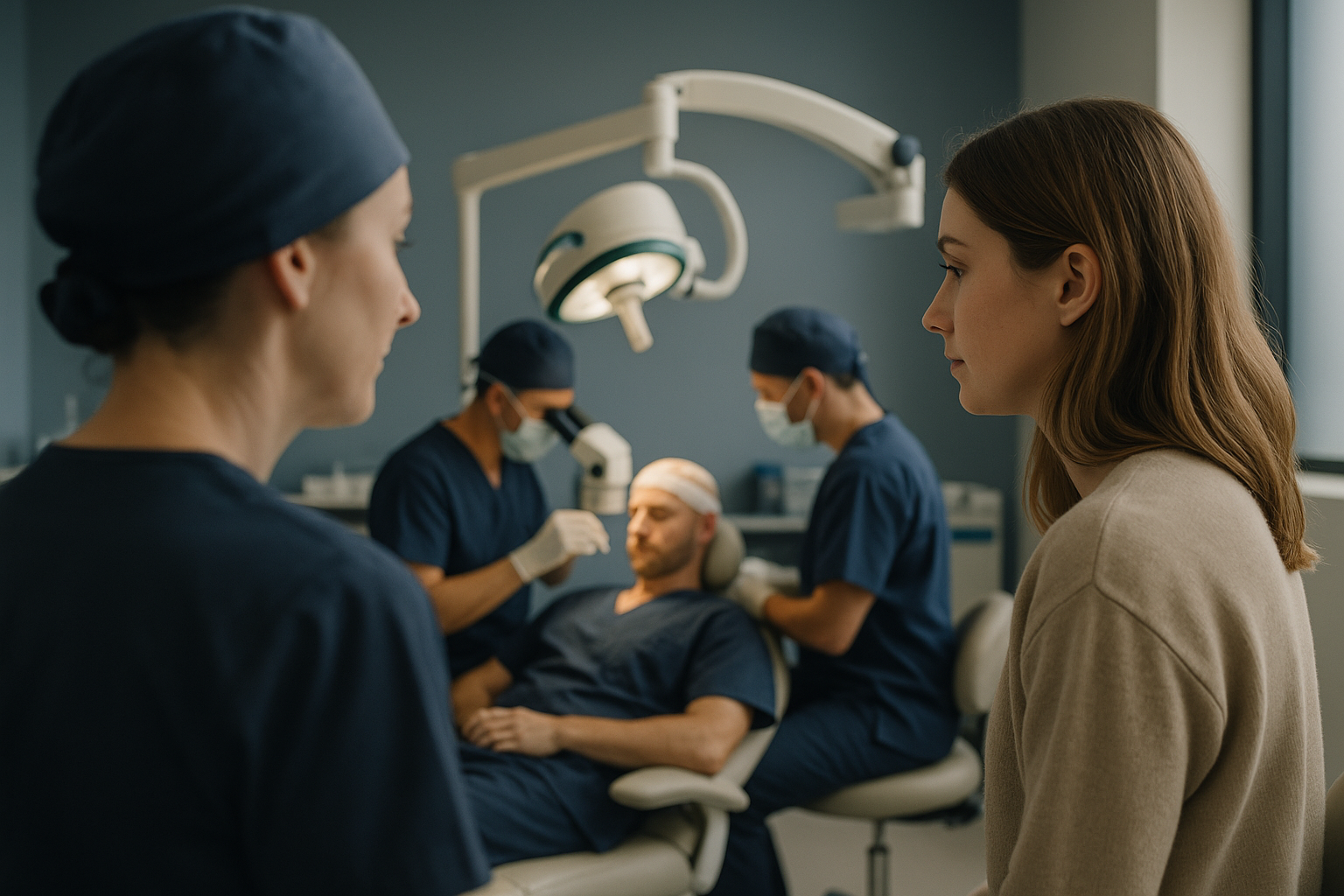
Hair transplants have become a common solution for those seeking to restore their hairline and confidence. Understanding how much is a hair transplant in USA helps prospective patients make informed decisions about their treatment options. This article delves into the costs, procedures, and other essentials of hair transplants in America.
How Much Does a Hair Transplant Cost in the USA?
The cost of a hair transplant in the USA varies significantly based on several factors, including the type of procedure and the clinic’s location. Typically, the price ranges from $4,000 to $15,000. This range reflects differences in the surgical technique used, the extent of hair loss, and the number of grafts required. For instance, a patient requiring around 1,500 grafts might expect to pay on the lower end of the spectrum, whereas someone needing 3,000 grafts could be looking at costs on the higher end. Each graft contains one to four hair follicles, and the total number required depends on the severity of hair loss and the desired density. It is crucial for prospective patients to consult with specialists to determine the exact number of grafts needed for optimal results.
FUE (Follicular Unit Extraction) and FUT (Follicular Unit Transplantation) are the most common methods. Although FUE is generally more expensive, costing around $6,000 to $15,000, it offers a less invasive approach with quicker recovery. This method involves individually extracting hair follicles from the donor area, which leads to minimal scarring. Conversely, FUT can be more affordable, ranging from $4,000 to $10,000, but it involves removing a strip of skin from the donor site, resulting in a linear scar. The choice between FUE and FUT often depends on personal preference and the surgeon’s recommendation based on the patient’s specific hair and scalp conditions. Patients should discuss the pros and cons of each method with their surgeon to make an informed decision.
Location plays a crucial role in pricing. Major metropolitan areas often command higher prices due to increased overhead costs, while smaller cities might offer more competitive rates. For example, a clinic in New York City or Los Angeles might charge significantly more than a clinic in a smaller city like Cleveland or Tulsa. Consulting multiple clinics for quotes is advisable to gauge the best option for your budget. Additionally, some clinics offer financing options or payment plans to make the procedure more accessible. It’s important to weigh the cost against factors such as the clinic’s reputation, the surgeon’s experience, and the expected results. Patients should also consider the potential need for follow-up visits and the convenience of the clinic’s location in relation to their home.
What Factors Influence the Cost of Hair Transplants?
Several factors determine how much a hair transplant costs in the USA. The number of grafts needed is a primary factor, directly affecting the overall price. More extensive hair loss necessitates more grafts, which increases the cost. A patient needing 2,000 grafts may pay more than one needing 1,000, but the per-graft cost might decrease with higher quantities due to economies of scale. Clinics often provide a cost per graft, ranging from $2 to $10, which can help patients calculate the approximate total cost based on their needs. Understanding these pricing structures can help patients plan financially for their hair restoration journey.
The surgeon’s expertise and reputation also play a vital role. Renowned specialists with extensive experience may charge a premium due to their success rates and patient satisfaction. Surgeons who have performed thousands of procedures and have a portfolio of successful outcomes can justify higher fees, as their skill can significantly impact the final result. Additionally, the type of clinic, whether it is a well-established facility or a newer practice, can impact the pricing structure. Established clinics with a long track record of successful transplants may have higher overheads, translating to higher prices for patients. Patients should consider the value of investing in a highly skilled surgeon to ensure the best possible outcome.
Technology and equipment used in the procedure contribute to the cost. Clinics that invest in the latest technology and maintain high standards of care might charge more, justifying the price with advanced results and lower complication rates. Advanced robotic systems like the ARTAS system, which improves precision in follicle extraction, might be available at a premium price. Furthermore, clinics that offer personalized service, such as custom hairline design or follow-up care, add value that some patients might find worth the higher cost. Patients should evaluate whether these additional services align with their goals and budget.
How to Choose the Right Hair Transplant Clinic
Choosing the right clinic is crucial for a successful hair transplant. Start by researching clinics’ reputations and reading patient reviews. Look for board-certified surgeons who specialize in hair restoration to ensure you receive expert care. Certification from reputable organizations like the American Board of Hair Restoration Surgery can be a good indicator of a surgeon’s qualifications. Additionally, word of mouth and patient testimonials can provide insight into the quality of care and service provided by a clinic. Prospective patients should take the time to gather as much information as possible to make an informed choice.
It’s beneficial to schedule consultations with multiple clinics. During these visits, assess the clinic’s cleanliness, the staff’s professionalism, and the surgeon’s willingness to answer your questions. A transparent discussion about the expected outcomes and potential risks is essential. Ask about the surgeon’s experience, view before-and-after photos of past patients, and inquire about the specifics of the procedure, including recovery time and potential side effects. This due diligence can help ensure that you choose a clinic that aligns with your expectations and needs. Patients should feel comfortable and confident in the clinic they choose for their procedure.
Consider the clinic’s location and its impact on your convenience and travel costs. Clinics in larger cities may offer more advanced services, but those in smaller towns might provide more personalized care at lower prices. Proximity to the clinic can also be important for follow-up appointments, which are crucial for monitoring progress and ensuring optimal results. Weighing these factors along with your budget can lead you to a clinic that provides both value and quality care. Patients should also consider the long-term relationship they may have with the clinic for post-operative care and any future treatments.
Comparing Hair Transplant Costs in the USA and Turkey
Turkey has become a popular destination for hair transplants due to its competitive pricing. On average, hair transplants in Turkey range from $2,000 to $4,000, significantly lower than in the USA. This price difference is primarily due to lower operational costs and competitive market dynamics in Turkey. Many Turkish clinics bundle services, including accommodation and transport, in their package prices, making it an attractive option for international patients. The cost savings can be substantial, especially for those requiring large numbers of grafts. Patients should carefully consider whether the potential savings are worth traveling abroad for the procedure.
While cost is an important consideration, it’s crucial to weigh the benefits and risks. The quality of care, surgeon expertise, and accreditation of the facility should be priority factors. Patients opting for international procedures should factor in travel expenses and post-operative care needs. The overall cost could increase when accounting for flights, accommodations, and the potential need for follow-up visits. Furthermore, language barriers and differences in medical standards are important considerations for those considering international surgery. Patients should thoroughly research clinics and surgeons abroad to ensure they receive the best care possible.
Ultimately, the decision should be based on a balance between cost, quality, and personal preferences, ensuring that you receive the best possible care and results. Some patients may prioritize cost savings and be comfortable with the risks, while others may prefer the peace of mind that comes with staying local, despite the higher expense. Thorough research and careful consideration of all factors will help ensure that the choice made is the right one for the individual’s specific circumstances. Patients should weigh their priorities and consult with professionals to guide their decision-making process.
Realistic Expectations and Recovery Timeline
Understanding the recovery timeline is essential for those considering a hair transplant. Immediately after the procedure, patients can expect mild discomfort, swelling, and redness in the treated area. These symptoms usually subside within a week. During this initial period, patients may be advised to sleep with their head elevated to minimize swelling and to avoid touching or washing the scalp for a few days to allow the grafts to settle. Following these guidelines can help ensure a smooth recovery process and protect the newly transplanted hair follicles.
Hair shedding might occur in the first few weeks, which is a normal part of the process. New growth typically begins at three months, with noticeable results appearing around six months post-operation. Patients should be prepared for the initial shedding phase, known as “shock loss,” which can be concerning but is temporary. Full hair maturation is generally expected within 12 to 18 months, with hair thickening and taking on a more natural appearance over time. Understanding these phases can help patients set realistic expectations for their results.
Following post-operative care instructions can significantly enhance recovery. These may include avoiding strenuous activities, protecting the scalp from sun exposure, and adhering to prescribed medication regimens. Regular follow-up appointments with the surgeon are recommended to monitor progress. These visits provide opportunities to assess hair growth and address any concerns or complications early. Patience and adherence to aftercare advice are key to achieving optimal results from a hair transplant. Patients should maintain open communication with their surgeon throughout the recovery process.
Safety and Accreditation in Hair Transplant Clinics
Ensuring the clinic’s accreditation is vital for a safe hair transplant experience. Reputable clinics will have certifications from recognized medical boards and adhere to international health and safety standards. Accreditation ensures that the clinic maintains high-quality care and up-to-date medical practices. In the USA, look for certifications from the Joint Commission or the Accreditation Association for Ambulatory Health Care, which uphold rigorous standards for patient safety and care quality. Patients should verify these accreditations to ensure they are choosing a reliable clinic.
Patients should verify the surgeon’s credentials and track record. Board certification and membership in professional organizations, such as the International Society of Hair Restoration Surgery (ISHRS), are indicators of a qualified specialist. These memberships require adherence to ethical guidelines and a commitment to ongoing education, which can provide patients with additional assurance of the surgeon’s expertise. Patients should inquire about the surgeon’s experience and success rates to make an informed decision.
Safety measures, including sterilization protocols and emergency procedures, are essential aspects of clinic evaluation. Choosing an accredited clinic minimizes the risk of complications and ensures a higher standard of care throughout the treatment process. Ask about the clinic’s infection control practices and how they handle unexpected medical issues. A reputable clinic will have clear procedures in place to ensure patient safety, providing peace of mind to those undergoing treatment. Patients should prioritize clinics with strong safety records to protect their health and well-being.
Alternative Cosmetic Procedures: Costs and Considerations
Aside from hair transplants, other cosmetic procedures like dental implants, veneers, and rhinoplasty are popular among medical travelers. Understanding their costs can help in budget planning for comprehensive aesthetic enhancements. These procedures can often be bundled with hair transplants for those seeking multiple enhancements, providing potential cost savings and the convenience of a single recovery period. Patients should consider whether combining procedures aligns with their goals and budget.
Dental implants in the USA typically cost between $3,000 and $5,000 per implant, with the total procedure cost depending on the number needed and any additional treatments required. Veneers range from $800 to $2,500 per tooth, with costs influenced by the materials used and the dentist’s expertise. These procedures often involve multiple visits and careful planning, as they can significantly impact appearance and function. Patients should research these options to ensure they make informed decisions about their cosmetic goals.
Nose reshaping, or rhinoplasty, varies widely, from $5,000 to $10,000, depending on the complexity of the surgery and the surgeon’s reputation. As with hair transplants, researching and consulting with multiple providers can ensure realistic expectations and satisfactory outcomes. Patients should consider the qualifications and experience of the surgeons, the facilities where procedures are performed, and post-operative care services offered when planning cosmetic enhancements. Thorough planning and consultation are crucial for successful results.
Conclusion
Deciding to undergo a hair transplant is a significant investment in oneself. Understanding the costs, procedures, and choosing the right clinic can lead to successful outcomes. By considering all factors, from financial aspects to safety and recovery, prospective patients can make informed decisions about their hair restoration journey. This careful planning and research ensure that the chosen procedure aligns with both personal goals and practical considerations, leading to enhanced confidence and satisfaction with the results. Patients should prioritize finding a trusted provider that meets their needs and expectations.
Proven result
20 to 200 hair-transplant patients a month from Australia
Aesthetic surgery group
Frequently asked questions
How much does a hair transplant cost in the USA?
A hair transplant in the USA typically costs between $4,000 and $15,000, depending on the procedure type and clinic location.
What factors influence the cost of a hair transplant?
The cost is influenced by the number of grafts needed, the surgeon’s expertise, the clinic’s reputation, and the technology used.
Is it cheaper to get a hair transplant in Turkey?
Yes, hair transplants in Turkey are generally cheaper, ranging from $2,000 to $4,000, due to lower operational costs.
What should I expect during the hair transplant recovery?
Expect mild discomfort and swelling initially, with new hair growth beginning at three months and full results in 12 to 18 months.
How do I choose a safe hair transplant clinic?
Look for clinics with recognized accreditations and board-certified surgeons, and verify the facility’s safety protocols and reputation.
Related guides

Healthcare Content Compliance Guide for Growth
A high-performing treatment page can generate international patient inquiries within hours. It can also create material risk if…

Turkey Hospitals vs Local Hospitals Compared
A lower procedure quote can get a patient’s attention. It should not make the decision on its own.…

Patient Experience That Drives Trust and Growth
A patient who has already uploaded medical records, compared providers, and arranged time away from work is not…