
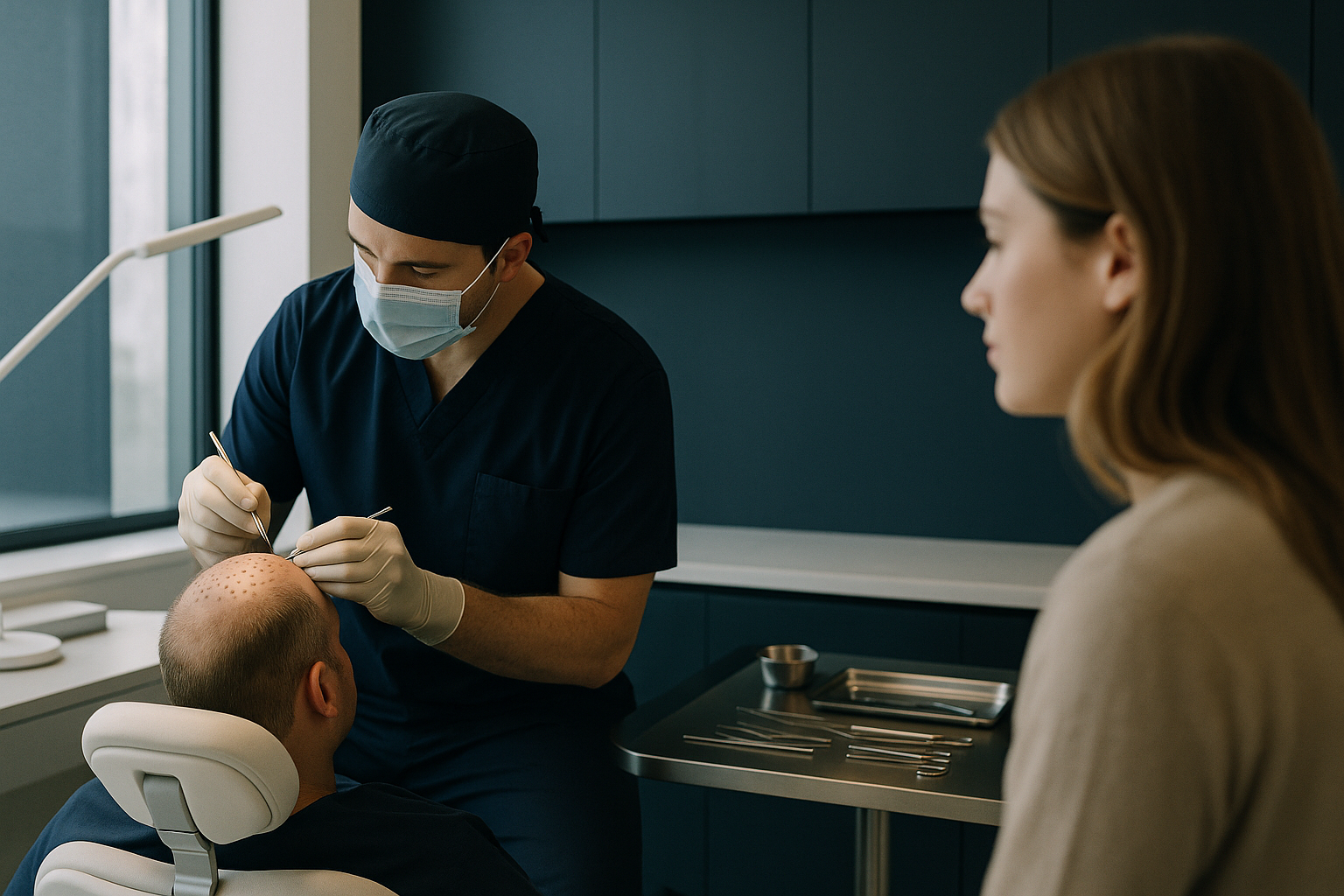
Hair loss in the crown area can be distressing, but crown hair transplant offers a viable solution. This procedure, often involving follicular unit extraction (FUE), is popular among those seeking to restore hair volume and regain confidence. Understanding what to expect from this procedure can help prospective patients make informed decisions.
What is a Crown Hair Transplant?
A crown hair transplant is a specialised procedure designed to restore hair in the crown or vertex area of the scalp. The crown is often one of the first places where thinning becomes noticeable, and for many, it is a significant source of self-consciousness. The procedure primarily involves the transplantation of hair follicles from a donor area, usually the back of the head, to the thinning crown area. This area is often referred to as the “safe zone” because the hair here is genetically resistant to balding.
The most common technique used is Follicular Unit Extraction (FUE), which involves extracting individual hair follicles and implanting them into the recipient area. This technique is minimally invasive, leaving no linear scars and offering a more natural-looking result. Patients often prefer FUE because of its precision and the reduced recovery time compared to traditional methods like Follicular Unit Transplantation (FUT), which involves removing a strip of skin.
For those considering this procedure, it is crucial to consult with a qualified surgeon who can assess the degree of hair loss and recommend the best approach for optimal results. Surgeons will typically use advanced imaging techniques to plan the transplant, ensuring that the placement of grafts mimics natural hair growth patterns. This careful planning is essential to achieving a seamless integration with the patient’s existing hair. Additionally, patients should be aware that the success of a crown hair transplant can also depend on factors like hair texture and color, as these can influence the final aesthetic outcome.
How Much Does a Crown Hair Transplant Cost?
The cost of a crown hair transplant varies significantly depending on several factors, including the clinic’s location, the surgeon’s expertise, and the extent of the procedure. Generally, prices range from £3,000 to £10,000. It is important to note that these figures can fluctuate based on additional factors such as the number of grafts required and the method used. For instance, a procedure involving 1,500 grafts will differ in cost from one requiring 4,000 grafts.
Patients traveling internationally for medical treatment may find that costs are lower in certain countries. For example, countries like Turkey, India, and Mexico offer competitive prices due to lower operational costs, which can be appealing. However, it is essential to consider travel expenses, accommodation, and potential aftercare costs when calculating the total expenditure. These additional costs can quickly add up, potentially offsetting the savings from lower procedure costs. Prospective patients should also consider the exchange rates and any potential language barriers that might affect their overall experience.
Prospective patients should request a detailed cost breakdown from their chosen clinic to avoid unexpected expenses and ensure there are no hidden fees. This breakdown should include surgeon fees, facility charges, anesthesia costs, and post-operative care. Some clinics may offer financing options or packages that include accommodation, which can help manage the overall cost. It is also wise to inquire about any follow-up visits that may be included or required, as these can impact the total cost of your hair restoration journey.
What is the Timeline of the Procedure?
A crown hair transplant procedure generally takes a full day to complete, depending on the complexity and number of grafts involved. Patients typically undergo the following timeline:
- Consultation: An initial meeting with the surgeon to discuss the procedure, assess hair loss, and determine the number of grafts required. This stage involves using tools like a densitometer to assess hair density and plan the graft distribution. The consultation may also include a discussion of the patient’s medical history to ensure they are a suitable candidate for surgery.
- Preparation: On the day of the surgery, the donor area is trimmed, and local anaesthesia is administered. This step is crucial to minimize discomfort and ensure the patient remains comfortable throughout the procedure. Patients may be given a mild sedative to help them relax during the surgery.
- Extraction and Implantation: Follicles are meticulously extracted and implanted into the crown area. This process requires skilled precision to ensure each follicle is placed at the correct angle, direction, and density to mimic natural growth. The surgeon will pay special attention to matching the existing hair patterns to create a seamless look.
- Recovery: Post-surgical care instructions are provided, and patients are usually able to return home the same day. Swelling and mild discomfort are common, and patients are advised to rest and avoid strenuous activities. They will also receive information on how to care for the donor and recipient areas to promote healing.
While the procedure itself is completed in a day, full recovery and visible results take several months, as the transplanted hair will initially shed before regrowing. This shedding is a normal part of the hair growth cycle and is followed by new growth around three months post-surgery, with significant results visible by the ninth to twelfth month. Patients are encouraged to have realistic expectations and understand that hair growth is a gradual process.
How Safe is a Crown Hair Transplant?
Crown hair transplants are generally safe when performed by experienced and qualified surgeons. The procedure is minimally invasive and carries a low risk of complications. However, as with any surgical procedure, there are inherent risks, including infection, scarring, and unnatural hair growth patterns. The risk of these complications can be minimized by following the surgeon’s pre- and post-operative instructions closely.
To minimise these risks, it is essential to choose a clinic and surgeon with a strong track record, appropriate certifications, and positive patient reviews. Surgeons should be members of reputable organizations such as the International Society of Hair Restoration Surgery (ISHRS), which ensures adherence to high standards of practice. Checking the surgeon’s portfolio of previous work can also provide insight into their expertise and aesthetic style.
Additionally, adhering to post-operative care guidelines can significantly aid in recovery and the success of the transplant. These guidelines typically include avoiding direct sunlight, wearing loose-fitting hats, and attending follow-up appointments to monitor progress. Patients should consult with their healthcare provider to discuss any potential risks and ensure they are suitable candidates for the procedure, especially if they have underlying health conditions. Open communication with the surgical team can help address any concerns and ensure a smooth recovery.
What are the Aftercare and Recovery Recommendations?
After undergoing a crown hair transplant, diligent aftercare is crucial for the success of the procedure. Patients are advised to follow these post-operative care tips:
- Avoid touching or scratching: The transplanted area should be left undisturbed to prevent dislodging grafts. It’s normal for the scalp to feel itchy, but resisting the urge to scratch is vital to protect the delicate grafts. Keeping nails trimmed can help reduce the risk of accidental scratching.
- Follow cleaning instructions: Gentle washing with prescribed solutions helps maintain hygiene without damaging grafts. Patients are typically advised to use a special shampoo and apply it gently to avoid disrupting the grafts. This usually starts a few days post-surgery, following the specific guidance provided by the clinic.
- Avoid strenuous activities: Refrain from heavy exercise or activities that may cause sweating for at least two weeks. Sweating can increase the risk of infection and affect graft stability. Light activities such as walking are generally acceptable but should be discussed with the surgeon.
- Use medications as prescribed: Any prescribed antibiotics or anti-inflammatory medications should be taken as directed. These medications help reduce swelling and prevent infection. Pain relief medications may also be provided if needed.
Full recovery varies among individuals, but most patients can resume normal activities within a few days. Visible hair growth typically begins around three months post-procedure, with full results evident after 12 months. Patients are encouraged to attend all follow-up appointments to ensure the transplant’s success and address any concerns promptly. These appointments are an opportunity to assess progress and make any necessary adjustments to care routines.
Where Can I Find Accredited Clinics for the Procedure?
Finding a reputable clinic for a crown hair transplant requires thorough research. Prospective patients should seek clinics accredited by recognised medical boards and associations, as these establishments adhere to high standards of safety and care. This accreditation often includes regular inspections and adherence to ethical practices, ensuring peace of mind for patients.
Online platforms, medical tourism associations, and patient testimonials can provide valuable insight into a clinic’s reputation and success rates. Websites like RealSelf and Trustpilot often feature reviews from previous patients, offering firsthand accounts of their experiences. Additionally, consulting with multiple clinics can help patients compare treatment options and choose the most suitable provider. It’s also beneficial to ask for before-and-after photos of past procedures to gauge the clinic’s expertise.
Patients should ensure that their chosen clinic offers transparent communication, comprehensive pre- and post-operative care, and a clear understanding of the procedure’s costs and expectations. Scheduling a virtual or in-person consultation can also be beneficial, allowing patients to ask questions and gauge the clinic’s professionalism and expertise. Being well-informed will enable patients to make confident decisions about their hair restoration journey.
Conclusion
A crown hair transplant can be a life-changing procedure for those experiencing hair loss in the crown area. By understanding the procedure, costs, timelines, and safety measures, prospective patients can make informed decisions and achieve successful hair restoration. As with any medical procedure, choosing the right clinic and surgeon is paramount in ensuring the best possible outcome. Investing time in research and consultations will help patients select a provider who aligns with their expectations and health needs, ultimately leading to a satisfying and transformative experience.
Proven result
20 to 200 hair-transplant patients a month from Australia
Aesthetic surgery group
Frequently asked questions
How long does it take to see results from a crown hair transplant?
Visible results typically begin to appear around three months post-procedure, with full results evident after 12 months.
Is a crown hair transplant permanent?
Yes, a crown hair transplant is generally considered permanent as the transplanted hair follicles are resistant to hair loss.
Are there non-surgical alternatives to crown hair transplant?
Yes, non-surgical options include medications like minoxidil and finasteride, as well as platelet-rich plasma (PRP) therapy.
What should I ask during the initial consultation?
Inquire about the surgeon’s experience, the number of grafts required, the technique used, and potential risks and aftercare.
Related guides

How Overseas Surgery Insurance Really Works
A lower treatment quote can quickly lose its advantage if an unexpected complication extends your stay, requires emergency…

Analyzing the Medical Tourism Market: Current Trends
Quick answerThe medical tourism market is growing due to factors like cost-effective treatments, advanced medical technologies, and international…

Best Country for Cancer Treatment: Top Countries for Advanced Cancer Treatment Options
Quick answerCountries like the USA, Germany, and Japan offer some of the best cancer treatment in the world,…