
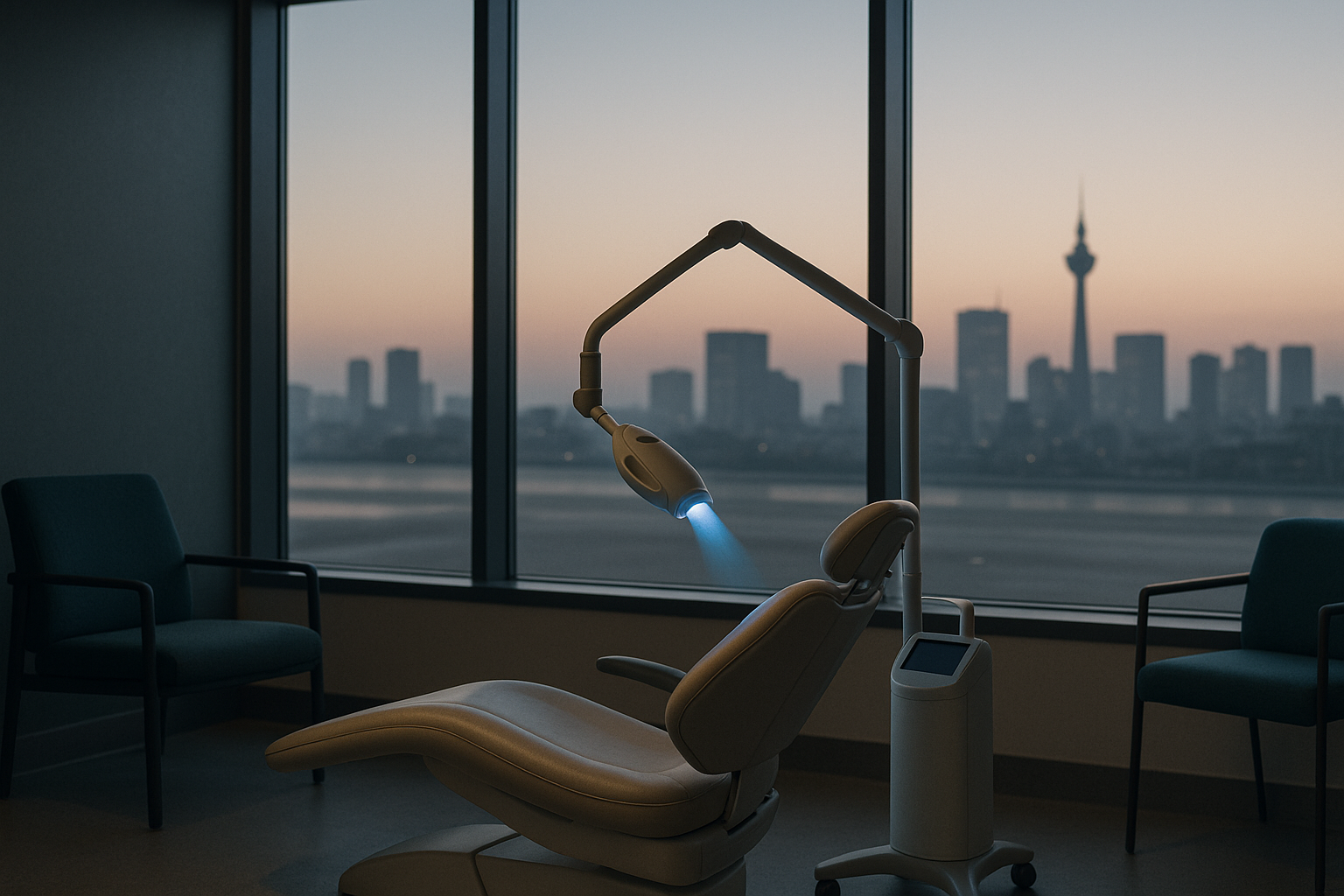
For those considering improving their smile, laser teeth whitening can be a transformative procedure. This article explores laser teeth whitening, focusing on before and after results, costs, safety, and what to expect during the process.
What is Laser Teeth Whitening?
Laser teeth whitening is a cosmetic dental procedure that uses laser technology to enhance the whiteness of teeth. It involves the application of a whitening gel on the teeth, which is then activated by a laser. This activation process speeds up the whitening process, offering quicker results compared to traditional methods. The gel typically contains hydrogen peroxide or carbamide peroxide, which penetrates the tooth enamel to remove stains and discolorations.
The procedure is popular for its efficiency and effectiveness. Patients often report noticeable improvements in the colour of their teeth after just one session. However, multiple sessions may be required for optimal results, depending on the initial condition of the teeth. For instance, teeth that are heavily stained by smoking or coffee may require additional treatments to achieve the desired level of whiteness.
Moreover, laser teeth whitening is a controlled procedure performed by dental professionals, which reduces the risk of over-whitening or uneven results. This makes it a preferred choice for those seeking a professional touch to their smile enhancement. The precision of the laser allows for targeted treatment, ensuring that each tooth receives the appropriate level of whitening. The entire process, from initial consultation to the final results, is designed to be both safe and efficient, providing a high level of satisfaction for patients seeking a brighter smile.
How Does Laser Teeth Whitening Work?
During a laser teeth whitening session, a dentist first applies a protective barrier to the gums to avoid irritation. This is often a rubber shield or a protective gel that ensures the gums are not exposed to the whitening agent. Next, a peroxide-based whitening gel is applied to the teeth’s surface. The concentration of this gel can vary, with stronger formulations providing more dramatic results.
The dentist then uses a laser to activate the gel, which helps break down stains and discolouration on the teeth. The laser’s energy boosts the whitening power of the gel, allowing for deeper penetration and more effective stain removal. This process is typically completed within one hour, making it a convenient option for those with busy schedules.
Patients may experience slight sensitivity during or after the procedure, but this usually dissipates within a few days. Compared to other whitening methods, the laser approach is precise, allowing for targeted whitening. For example, if a particular tooth is more stained than others, the dentist can focus the laser treatment on that specific area to ensure even whitening across the entire smile. Additionally, the advanced technology used in laser teeth whitening ensures minimal discomfort and maximum results, making it a preferred choice among patients looking for effective and long-lasting solutions.
What are the Before and After Results?
Many individuals seek laser teeth whitening for its promise of dramatic before and after results. Typically, patients can expect their teeth to become several shades lighter immediately following the procedure. Dental professionals often use a shade guide to measure the teeth’s colour before and after treatment, ensuring patients can see the improvement quantitatively.
The extent of the change depends on factors such as the original shade of the teeth and the nature of the staining. For example, intrinsic stains, which are located within the tooth, might not lighten as much as extrinsic stains, which are on the tooth’s surface. However, even intrinsic stains can be significantly reduced with the potency of laser whitening.
It is advisable to maintain realistic expectations. While the results are impressive, they are not permanent. Patients must maintain good oral hygiene and possibly undergo periodic touch-ups to sustain the whiteness. Regular use of whitening toothpaste and avoiding stain-inducing foods and beverages can help prolong the effects of the treatment, ensuring a lasting bright smile. Additionally, the dramatic transformation in the laser teeth whitening before after can be a significant confidence booster, further enhancing the appeal of this cosmetic procedure.
What is the Cost of Laser Teeth Whitening?
The cost of laser teeth whitening varies significantly based on geographic location, the dentist’s expertise, and the specific needs of the patient. On average, the procedure ranges from £300 to £1,000 per session. This range can be influenced by the complexity of the case, with more severe discoloration potentially requiring more intensive treatment regimens.
Some clinics may offer package deals for multiple sessions, which can provide cost savings for patients requiring extensive work. For example, a clinic might offer a three-session package at a reduced rate to incentivize patients to complete the full recommended course of treatment, ensuring optimal results.
Insurance companies usually do not cover cosmetic procedures like teeth whitening. It is essential for patients to discuss all costs upfront with their dental provider to avoid unexpected expenses. Many clinics offer financing options or payment plans to make the procedure more accessible to a broader range of patients, emphasizing the importance of upfront financial discussions. For those considering laser teeth whitening, understanding the financial aspects is crucial in planning and budgeting for the procedure.
Is Laser Teeth Whitening Safe?
Laser teeth whitening is generally considered safe when performed by a qualified dental professional. The procedure is minimally invasive and is designed to protect the gums and other soft tissues from damage. This safety aspect is ensured through the use of protective barriers and precise application techniques.
Patients should ensure they choose a reputable clinic with experienced practitioners to minimize any potential risks. Researching a clinic’s credentials and reading patient reviews can provide insight into the quality of care offered. Additionally, ensuring the dental professional is licensed and has specific experience in cosmetic procedures can further assure safety.
It is also important to follow post-procedure care instructions provided by the dentist. These instructions might include avoiding certain foods and drinks immediately after the procedure to prevent staining and following a suggested oral hygiene routine to maintain results. By adhering to these guidelines, patients can enjoy both the aesthetic and health benefits of laser teeth whitening. Furthermore, recognizing the potential for sensitivity after treatment and taking preventive measures can help in managing any temporary discomfort.
What Should You Expect During the Procedure?
Before the procedure, a consultation with the dentist is necessary to determine suitability. The dentist will evaluate the patient’s dental history, current oral health, and discuss expected outcomes. This initial assessment helps in identifying any contraindications, such as existing dental conditions that might require addressing before whitening.
During the procedure, patients can expect to be seated comfortably in a dental chair. The environment is usually calm and professional, designed to put patients at ease. The application and activation of the whitening gel are typically painless, though some may feel minor discomfort due to sensitivity.
The dentist will monitor the process closely to ensure the desired shade is achieved without overexposure to the laser. This careful monitoring allows for adjustments in real-time, ensuring optimal results. After the procedure, the dentist will provide aftercare instructions to help maintain the new brightness of the teeth. Understanding the step-by-step process can alleviate any anxiety about the procedure and help patients feel more in control and informed about their treatment.
How to Maintain Results After Laser Teeth Whitening?
After achieving the desired before and after results, maintaining the whiteness of your teeth is crucial. Patients should avoid foods and drinks that are known to stain teeth, such as coffee, tea, and red wine. These substances contain chromogens, which are highly pigmented molecules that can attach to tooth enamel.
Regular dental check-ups and cleanings are also recommended to sustain results. These visits allow dentists to professionally clean and monitor the health of the teeth, ensuring any new stains are addressed promptly. Additionally, using a whitening toothpaste and avoiding smoking can help prolong the effects of the whitening, as tobacco products are notorious for causing yellowing.
In summary, laser teeth whitening offers an effective solution for those seeking brighter teeth. With careful consideration and maintenance, patients can enjoy lasting results and an enhanced smile. By following professional advice and maintaining a diligent oral hygiene regimen, the longevity of the whitening can be maximized, making the investment in laser teeth whitening well worthwhile. The entire process, from the initial laser teeth whitening before after transformation to ongoing maintenance, is designed to support sustained oral health and aesthetic appeal.
Proven result
20 to 200 hair-transplant patients a month from Australia
Aesthetic surgery group
Frequently asked questions
How long do laser teeth whitening results last?
Results can last from six months to three years, depending largely on lifestyle factors and oral hygiene practices.
Can anyone undergo laser teeth whitening?
Most people can undergo the procedure, but it’s not recommended for children, pregnant women, or individuals with certain dental conditions.
Are there any side effects of laser teeth whitening?
Some patients may experience temporary tooth sensitivity or minor gum irritation, which usually resolves quickly.
How does laser teeth whitening compare to other methods?
Laser teeth whitening is faster and often more effective than home kits or other professional methods, providing immediate results.
Related guides

What Hospital Accreditation Reviews Really Tell You
A hospital can have polished facilities, prominent surgeons, and hundreds of five-star ratings, yet those signals do not…

International Patient Onboarding Guide for Hospitals
An international patient inquiry is not simply a lead. It is a person weighing a major medical decision…

How Clinics Qualify Overseas Treatment Inquiries
An overseas inquiry can look promising long before it becomes a viable treatment case. A patient may be…