
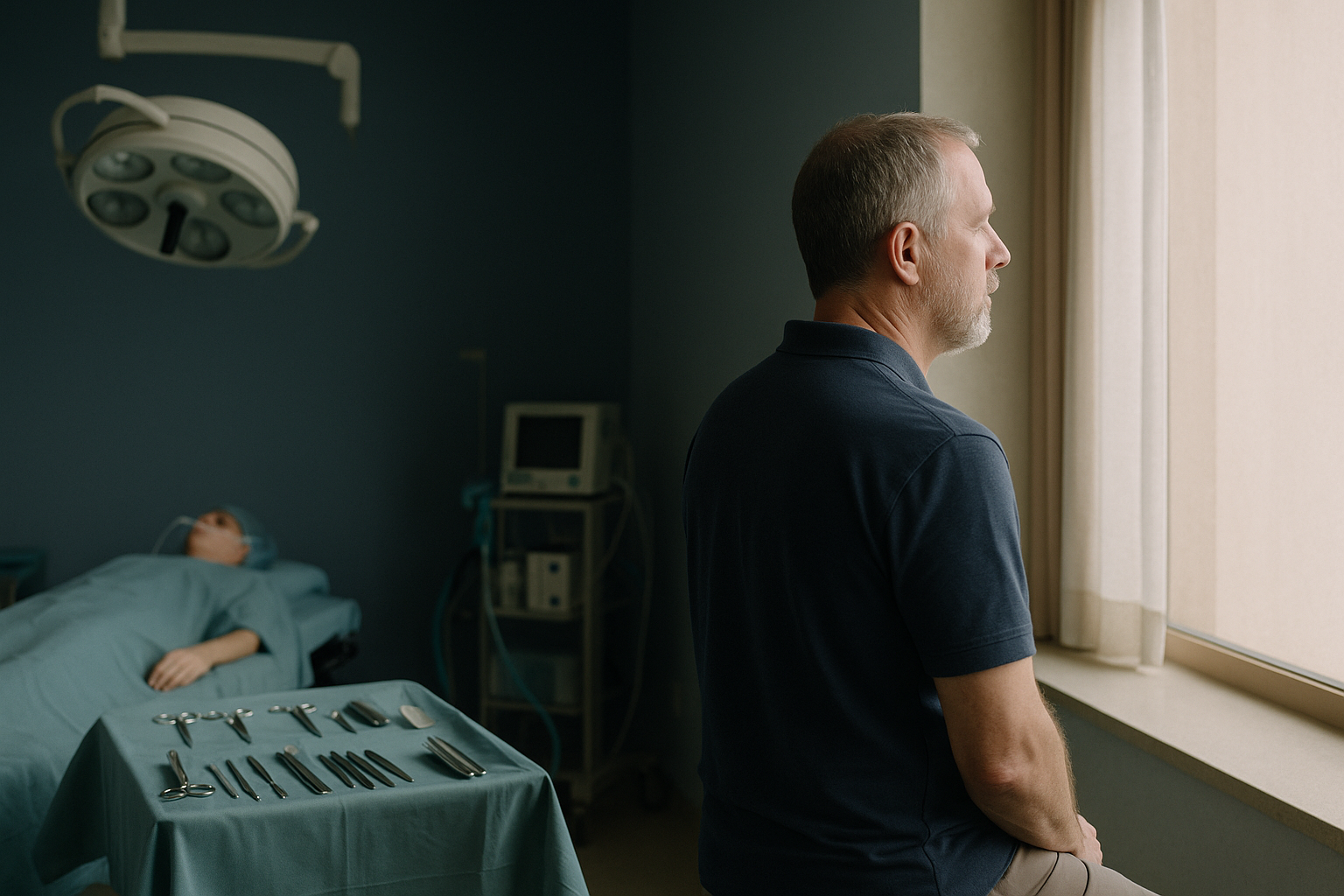
Rhinoplasty, commonly known as a nose job, is a popular cosmetic procedure worldwide. However, rhinoplasty failure can be a concern for some patients, leading to dissatisfaction and the need for corrective measures. Understanding the causes and solutions for rhinoplasty failure is crucial for those considering this surgery.
What Causes Rhinoplasty Failure?
Rhinoplasty failure can occur for various reasons, including surgical errors, complications during healing, or unmet expectations. Surgical errors might result from an inexperienced surgeon or inadequate planning. For example, a surgeon may miscalculate the amount of cartilage to remove or reshape, resulting in structural instability or an unnatural appearance. This highlights the importance of selecting a surgeon with not only the required qualifications but also extensive experience in rhinoplasty specifically. A surgeon with at least five to ten years of focused practice and numerous successful procedures is generally more reliable. Additionally, board certification by recognized surgical boards adds a layer of credibility to the surgeon’s qualifications.
Healing complications can include infections or abnormal scar tissue formation, which can distort the intended outcome. Infections may arise if sterile practices are not rigorously followed, while excessive scar tissue (known as fibrosis) can occur due to individual healing responses. These issues underline the necessity for meticulous post-operative care and monitoring. Patients should be informed about signs of infection, such as redness, swelling, and pain, and should seek prompt medical attention if these occur. To mitigate fibrosis, some surgeons recommend specific post-operative massages or prescribe medications that can help control excessive scar tissue.
Lastly, if patients have unrealistic expectations, even a technically successful surgery might be perceived as a failure. This makes the pre-surgical consultations crucial. Surgeons should use digital imaging to demonstrate potential outcomes, helping patients form realistic expectations. This process should involve a detailed discussion about what can and cannot be changed by the surgery, thereby aligning the patient’s desires with achievable results. Understanding the limitations of rhinoplasty, such as the inability to drastically alter nasal size due to skin thickness, is crucial for patient satisfaction.
How Can Rhinoplasty Failure Be Corrected?
When rhinoplasty does not yield the desired outcome, corrective options are available. Revision rhinoplasty is the most common solution, involving a second surgery to address the specific issues. This procedure is usually more complex than the initial surgery and requires a highly skilled surgeon. The complexity arises because the nasal structure has already been altered and scar tissue is present, making it more challenging to achieve the desired corrections without further compromising nasal function. Revision rhinoplasty often involves reconstructing nasal cartilages using grafts from the septum, ear, or ribs, which adds another layer of complexity.
A revision surgery often demands a comprehensive evaluation to determine the underlying issues and plan an effective strategy. Patients should expect a longer recovery period due to the intricacies involved. It’s crucial to wait at least a year after the initial surgery before considering revision, as this allows swelling to subside and the final results of the first procedure to be evident. During this waiting period, patients should maintain regular follow-ups with their surgeon to monitor healing and discuss any concerns.
Non-surgical options, such as fillers, can also be considered to make minor adjustments. These are less invasive but may not be suitable for significant structural changes. Dermal fillers can temporarily correct asymmetries or add volume to specific areas of the nose. However, they do not offer permanent solutions and must be repeated every 6 to 18 months. Patients must discuss potential risks, such as vascular complications, with their surgeon before opting for this route. The decision between surgical and non-surgical correction should be made based on the severity of the issue and the patient’s long-term aesthetic goals.
Understanding Rhinoplasty in Turkey: Costs and Considerations
Turkey has become a popular destination for medical tourism, particularly for rhinoplasty, due to its competitive pricing and skilled surgeons. The cost of rhinoplasty in Turkey can range from €2,000 to €4,000, significantly lower than in many Western countries where the procedure might cost between €5,000 and €10,000. This price disparity makes Turkey an attractive option for those seeking quality care at a reduced cost. However, lower costs should not be the only factor; the reputation and expertise of the surgeon are critical considerations.
When considering rhinoplasty in Turkey, it is important to research thoroughly. Look for accredited clinics and surgeons with positive patient reviews to ensure safety and quality care. Accreditation by international bodies, such as the Joint Commission International (JCI), can serve as a benchmark for quality. Additionally, potential patients should verify the surgeon’s credentials, including their education, training, and professional affiliations. Checking for case studies or portfolios of past surgeries can provide insight into the surgeon’s style and success rates.
Other considerations include understanding the full package of services offered. This often includes accommodation, transfers, and sometimes even tourism packages, which can add value to the medical travel experience. However, patients should ensure that the primary focus remains on the quality of medical care. Before committing, it’s advisable to have a virtual consultation to discuss the procedure, expected outcomes, and to assess the communication skills and transparency of the medical team. Language barriers should also be considered, and hiring a translator might be necessary for clear communication.
How Much is Rhinoplasty in Turkey?
The question of how much is rhinoplasty in Turkey is common among prospective patients. On average, the price varies based on the complexity of the procedure and the surgeon’s expertise. Generally, prices range between €2,000 and €4,000. Factors influencing the cost include the type of rhinoplasty (cosmetic vs. functional), the clinic’s reputation, and the geographical location within Turkey. For instance, clinics in Istanbul might charge more than those in less urbanized areas due to higher operational costs.
It is crucial to understand what is included in the quoted price, such as pre-surgery consultations, post-surgery care, and any additional fees. Some clinics offer comprehensive packages that cover hotel stays and transportation, while others may charge separately for these services. Always clarify these aspects with the clinic beforehand to avoid unexpected expenses. Additionally, inquire about the credentials of the medical team involved, as high-quality care should never be compromised for lower costs.
Patients should also inquire about the availability and cost of follow-up appointments, both immediately after the surgery and in the long term. Follow-up care is essential for monitoring healing progress and addressing any complications early. It’s also beneficial to have a clear understanding of the terms regarding revisions or corrections, should they be necessary, and whether these are included in the initial cost. Some clinics may offer a warranty that covers certain corrective procedures, providing additional peace of mind.
What Are the Risks of Rhinoplasty Abroad?
Undergoing rhinoplasty abroad involves certain risks. Language barriers, differences in medical standards, and the potential difficulty in accessing follow-up care are key considerations. Patients should weigh these risks against the benefits of cost savings and expertise. Language barriers can impede effective communication, leading to misunderstandings about the procedure and expected outcomes. Hiring a medical translator might be a worthwhile investment to ensure clear communication between the patient and the medical team. Miscommunication can have significant repercussions, potentially resulting in unsatisfactory results or complications.
Differences in medical standards can also pose a risk if the chosen clinic does not adhere to international healthcare norms. It’s crucial to verify that the clinic follows stringent hygiene protocols and that the medical staff are licensed and experienced. Patients can mitigate these risks by choosing clinics with international accreditation and seeking recommendations from trusted sources or previous patients. Personal recommendations or reviews from patients with similar aesthetic goals can provide valuable insights.
Accessing follow-up care can be challenging when the procedure is performed abroad. Patients should have a plan for addressing any complications that arise once they return home. This might involve coordinating with a local healthcare provider for follow-up visits or having a contingency plan for returning to the surgical facility if necessary. Additionally, understanding the legal recourse available in the country where the surgery is performed is important, should any disputes arise. Legal advice prior to surgery can be beneficial in understanding these nuances.
Tips for a Successful Rhinoplasty Experience
Ensuring a successful rhinoplasty experience starts with thorough research and selecting the right surgeon. Look for qualifications, experience, and patient testimonials. Understanding the procedure and having realistic expectations are also crucial. Begin by compiling a shortlist of potential surgeons and clinics, then delve into their credentials and patient feedback. Online forums and medical tourism review sites can provide valuable insights into others’ experiences. A well-informed patient is more likely to feel confident in their choices and achieve satisfactory results.
- Research the clinic and surgeon extensively. Verify their qualifications, experience, and success rates in performing rhinoplasty. Look for board certification from recognized plastic surgery boards and affiliations with professional organizations. These credentials can often be verified through national or international medical boards.
- Ensure clear communication about desired outcomes. Use digital imaging tools offered by many clinics to visualize potential results and discuss these openly with your surgeon. This tool can help both parties agree on a realistic and satisfactory outcome. It’s also beneficial to bring photographs that represent the patient’s goals, which can assist the surgeon in understanding their preferences.
- Follow all pre- and post-operative care instructions. These will include guidelines on medication, activity restrictions, and signs of complications to watch for. Adhering strictly to these instructions can significantly impact the success of the surgery. Patients should prepare their recovery environment in advance to facilitate a smooth healing process, including arranging for assistance if needed.
By taking these steps, patients can increase the likelihood of a satisfactory rhinoplasty outcome. Additionally, maintaining realistic expectations and understanding the limitations of the surgery can lead to greater satisfaction with the results. Engage in open dialogue with the surgical team about concerns and questions throughout the process to foster trust and confidence.
Conclusion
Rhinoplasty failure can be distressing, but understanding its causes and solutions helps in making informed decisions. Thorough research and choosing a reputable clinic can significantly enhance the chances of a successful procedure. By prioritizing surgeon expertise, clear communication, and meticulous aftercare, patients can minimize risks and improve their overall experience. Ultimately, being well-informed and prepared is key to achieving the desired outcome and avoiding the pitfalls of rhinoplasty failure. Patients should take proactive steps to educate themselves and seek guidance from experienced professionals to navigate their rhinoplasty journey successfully.
Proven result
20 to 200 hair-transplant patients a month from Australia
Aesthetic surgery group
Frequently asked questions
What are common causes of rhinoplasty failure?
Rhinoplasty failure can result from surgical errors, healing complications, or unmet patient expectations.
How is rhinoplasty failure corrected?
Rhinoplasty failure can be corrected with revision surgery or non-surgical options like fillers for minor adjustments.
How much does rhinoplasty cost in Turkey?
Rhinoplasty in Turkey typically costs between €2,000 and €4,000, depending on the procedure’s complexity and the surgeon’s expertise.
What are the risks of rhinoplasty abroad?
Risks include language barriers, varying medical standards, and potential challenges in accessing follow-up care.
Related guides
Full Body Scans in Turkey: Patient Insights
Quick answerFull body scans in Turkey are a popular diagnostic tool for international patients seeking comprehensive health assessments…
Facial Surgery in Turkey: What Prospective Patients Should Know
Quick answerFacial surgery in Turkey is increasingly popular due to its affordability, high-quality care, and advanced medical facilities,…

Exploring Health Tourism Destinations: A Comprehensive Guide
Quick answerHealth tourism destinations offer world-class medical services at competitive prices. Research facilities' accreditation, treatment costs, and travel…