
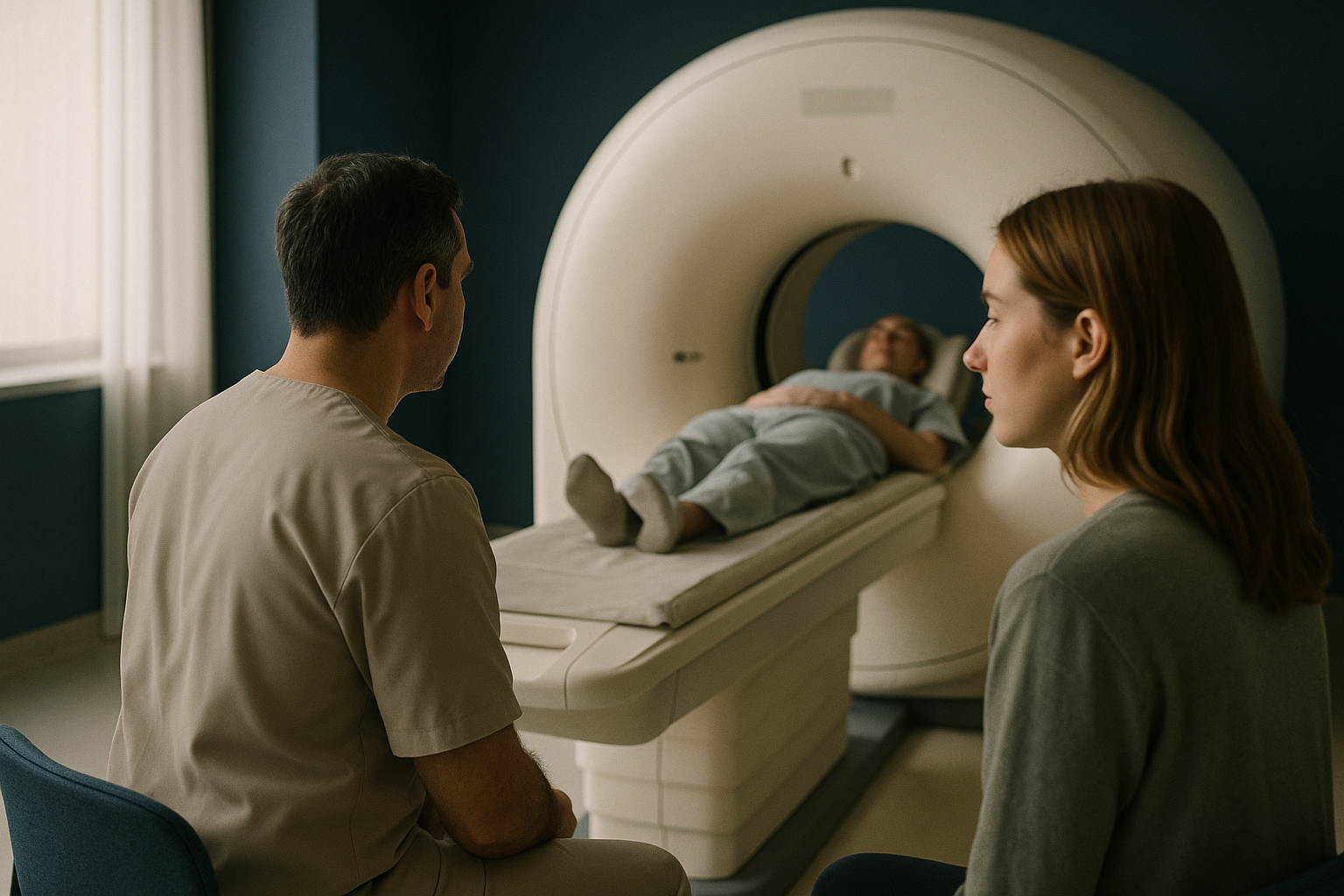
Full body scans in Turkey offer a comprehensive health assessment using advanced diagnostic imaging technologies. With a focus on quality and affordability, Turkey has become a preferred destination for medical tourists seeking thorough evaluations.
What is a Full Body Scan?
A full body scan is a non-invasive diagnostic procedure that provides a detailed overview of your health. It uses advanced imaging technologies, such as MRI (Magnetic Resonance Imaging) or CT (Computed Tomography) scans, to detect potential health issues before symptoms arise. These scans can be crucial for early diagnosis and preventive healthcare, helping to identify conditions like tumors, aneurysms, or other abnormalities that might not show symptoms until they are more advanced. For instance, early detection of a small tumor via a full body scan can facilitate timely interventions, potentially preventing the tumor from developing into a more severe, life-threatening cancer.
Patients often choose full body scans for peace of mind, especially those with a family history of certain diseases like cancer or cardiovascular issues. The procedure is typically painless and involves no recovery time, allowing patients to resume their normal activities immediately. Unlike more invasive diagnostic tests, full body scans do not require incisions or anesthesia, making them a preferred option for those looking to avoid the risks associated with surgical procedures. Moreover, the advances in imaging technology have significantly reduced the time it takes to complete a scan, often finishing within an hour.
In Turkey, full body scans are conducted by trained professionals using state-of-the-art equipment. This ensures high-quality results that can guide further medical consultations or treatments. The scans offer a comprehensive view of the body’s internal organs and tissues, providing a baseline for future health assessments and making it easier to track changes over time. This capability is particularly beneficial for monitoring the progression of existing conditions, allowing healthcare providers to adjust treatment plans as necessary to optimize patient outcomes.
Why Choose Turkey for Full Body Scans?
Turkey is renowned for its skilled healthcare professionals and modern medical facilities. It has become a hub for medical tourism, offering exceptional services at competitive prices. The country’s strategic location also makes it accessible to patients from Europe, Asia, and the Middle East. Medical tourists often find that the quality of care in Turkey rivals that of leading hospitals in their home countries, but at a fraction of the cost. This affordability is a significant draw for many, particularly those from countries where healthcare costs are prohibitive. For example, a full body scan in Germany might cost between €1,500 and €3,000, making Turkey an attractive alternative.
Cost is a significant factor for many international patients. Full body scans in Turkey are often more affordable than in many Western countries, without compromising on quality. This affordability attracts a diverse group of patients seeking value-for-money healthcare solutions. For instance, a full body scan in the United States can cost upwards of $2,000, whereas in Turkey, the same service may range from $500 to $1,500. This price difference allows patients to allocate their savings towards additional medical treatments or leisure activities during their stay.
Moreover, Turkish hospitals adhere to international healthcare standards, ensuring safety and reliability in diagnostic procedures. This commitment to quality care is a major draw for patients worldwide. Many hospitals are accredited by international organizations such as the Joint Commission International (JCI), which helps assure patients of the high standards maintained. Additionally, the hospitality and personalized care often extend beyond the clinical setting, enhancing the overall patient experience. Patients frequently report feeling well-cared-for, with hospital staff providing assistance with travel arrangements, accommodation, and translation services.
How Much Does a Full Body Scan in Turkey Cost?
The cost of a full body scan in Turkey can vary depending on the type of scan and the facility chosen. On average, prices range from $500 to $1,500, which is significantly lower than in countries like the United States or the United Kingdom. The type of technology used, such as MRI or CT, can influence the price, as can the comprehensiveness of the scan, whether it includes specific areas of the body, or is a more generalized assessment. For instance, a specialized scan focusing on the cardiovascular system may cost more than a general full body scan due to the need for additional expertise and technology.
Factors affecting the cost include the technology used, the extent of the scan, and the hospital’s reputation. Patients are advised to request detailed cost estimates from different providers to ensure transparency and avoid unexpected expenses. It is wise to compare what is included in the quoted price, such as consultation fees, the actual scan, and any follow-up discussions about the results. Some facilities may include additional services, such as transport from the airport or hotel accommodations, in their packages, which can further enhance the value for international patients.
It’s also important to consider additional costs, such as travel and accommodation. However, even with these expenses, many patients find the overall cost to be more economical compared to their home countries. Some hospitals offer packages that include these additional services, which can provide convenience and further cost savings. Turkey’s vibrant culture and rich history also mean that patients often combine their medical visits with leisure, making the trip both health-beneficial and enjoyable. Visitors can explore the historical sites of Istanbul or relax on the Mediterranean beaches, adding a unique dimension to their medical journey.
What Safety Measures Are in Place?
Safety is paramount in medical procedures, and full body scans in Turkey are conducted with strict adherence to safety protocols. Hospitals and clinics are equipped with modern technology that minimizes radiation exposure and enhances patient comfort. For instance, advances in CT scan technology have significantly reduced the amount of radiation used, making the procedure safer than ever before. This is particularly important for patients who may require repeated scans over time, as it reduces their cumulative radiation exposure.
Accreditation is a key factor in ensuring safety. Many Turkish hospitals are accredited by international bodies, such as the Joint Commission International (JCI), which sets stringent standards for healthcare quality and patient safety. Accreditation involves a comprehensive evaluation of the hospital’s operations, from patient care and safety procedures to staff qualifications and equipment maintenance. This rigorous process helps ensure that facilities meet international standards, providing reassurance to patients about the quality of care they will receive.
Patients should verify the accreditation status of their chosen facility and inquire about the qualifications of the medical personnel performing the scan to ensure they receive the best possible care. It is also recommended to ask about the maintenance and calibration of the imaging equipment, as regular checks are crucial to ensure accurate diagnostics. Knowing that a facility meets international standards can provide additional peace of mind for patients traveling from abroad. This diligence helps ensure that patients’ health is prioritized and that they can trust the results of their diagnostic procedures.
How to Prepare for a Full Body Scan?
Preparing for a full body scan involves several practical steps to ensure an accurate and effective procedure. Patients may be advised to fast for a few hours prior to the scan, avoid wearing metal objects, and provide a full medical history to the medical team. Fasting is typically required if contrast agents are used, as these can affect digestion and lead to inaccurate results if the stomach is not empty. Additionally, removing metal objects is important as they can interfere with the magnetic fields used in MRI scans, potentially distorting the images.
It is crucial for patients to follow all pre-scan instructions provided by their healthcare provider to prevent any interference with the imaging results. Clear communication with the medical staff can also help alleviate any anxiety or concerns about the procedure. Patients should feel free to ask questions about what to expect during the scan and any potential side effects, which are generally minimal. Understanding the process can help reduce stress and ensure that patients are as comfortable as possible during the scan.
In some cases, patients may need to arrange for transportation post-scan, especially if sedation is used during the procedure. Consulting the healthcare provider about any specific preparation requirements is recommended. Additionally, patients who are pregnant or have pre-existing health conditions should discuss these with their healthcare provider, as it may alter the preparation or execution of the scan. Pregnant women, in particular, may need to avoid certain types of scans to protect the developing fetus, highlighting the importance of personalized medical advice.
What Are the Benefits of Diagnostic Imaging?
Diagnostic imaging offers numerous benefits, including early detection of diseases, monitoring of ongoing health conditions, and assistance in planning medical or surgical interventions. Full body scans can uncover hidden health issues, providing a comprehensive picture of a patient’s health status. For example, early detection of tumors can lead to interventions that may prevent cancer from progressing, significantly improving patient outcomes. The ability to identify diseases at an early stage often means that treatment can be less invasive and more effective.
For medical tourists, these scans can be a proactive step in maintaining health, especially when access to advanced imaging technology may be limited in their home countries. The ability to receive quick and accurate diagnostics is a significant advantage. Patients can often get results within a few days, allowing them to make timely decisions about their health. This rapid turnaround is particularly beneficial for those who are balancing medical appointments with travel schedules, minimizing the disruption to their lives.
Furthermore, the results from these scans can be easily shared with healthcare providers worldwide, ensuring continuity of care and informed medical decision-making. In today’s digital age, images and reports can be securely transferred electronically, making it easier for patients to consult with their primary doctors back home. This global accessibility to diagnostic information enhances the quality and efficiency of patient care, regardless of geographical location. It enables healthcare providers to develop coordinated treatment plans, leveraging insights from international specialists to optimize patient outcomes.
Conclusion
Full body scans in Turkey provide a valuable opportunity for international patients seeking thorough and affordable health assessments. With advanced technology, skilled medical professionals, and competitive pricing, Turkey stands out as a leading destination for medical tourism. Patients benefit from high standards of care and the chance to integrate health assessments with travel and leisure. This combination of medical excellence and cultural experiences makes Turkey a unique and attractive option for those seeking both health and adventure.
Ensuring safety, quality, and transparency are essential factors in choosing Turkey for your diagnostic needs. By understanding the process, costs, and benefits, patients can make informed decisions about their healthcare journey. As medical tourism continues to grow, Turkey’s appeal as a top destination for full body scans and other healthcare services is likely to increase, offering a blend of medical excellence and cultural exploration. Whether seeking preventive care or addressing specific health concerns, patients can find reassurance in the comprehensive services available in Turkey, backed by a commitment to quality and patient satisfaction.
Proven result
20 to 200 hair-transplant patients a month from Australia
Aesthetic surgery group
Frequently asked questions
What should I expect during a full body scan in Turkey?
Expect a non-invasive procedure using advanced imaging technology, usually completed within an hour, with results shared promptly.
Are full body scans in Turkey affordable?
Yes, they are generally more affordable compared to Western countries, with costs ranging from $500 to $1,500 depending on the facility.
Is it safe to have a full body scan in Turkey?
Yes, Turkish hospitals follow strict safety protocols and many are accredited by international bodies, ensuring high standards of care.
How do I choose the right facility for a full body scan in Turkey?
Research hospitals with international accreditation, check patient reviews, and compare costs to select a reputable facility.
Related guides
Rhinoplasty Cost Analysis: Turkey’s Affordable Options
Quick answerA rhinoplasty in Turkey typically costs between £2,000 and £4,000, depending on the clinic, surgeon expertise, and…
Causes and Solutions for Rhinoplasty Failure
Quick answerRhinoplasty failure can occur due to surgical errors, healing complications, or unrealistic expectations. Solutions include revision surgery…
Facial Surgery in Turkey: What Prospective Patients Should Know
Quick answerFacial surgery in Turkey is increasingly popular due to its affordability, high-quality care, and advanced medical facilities,…