
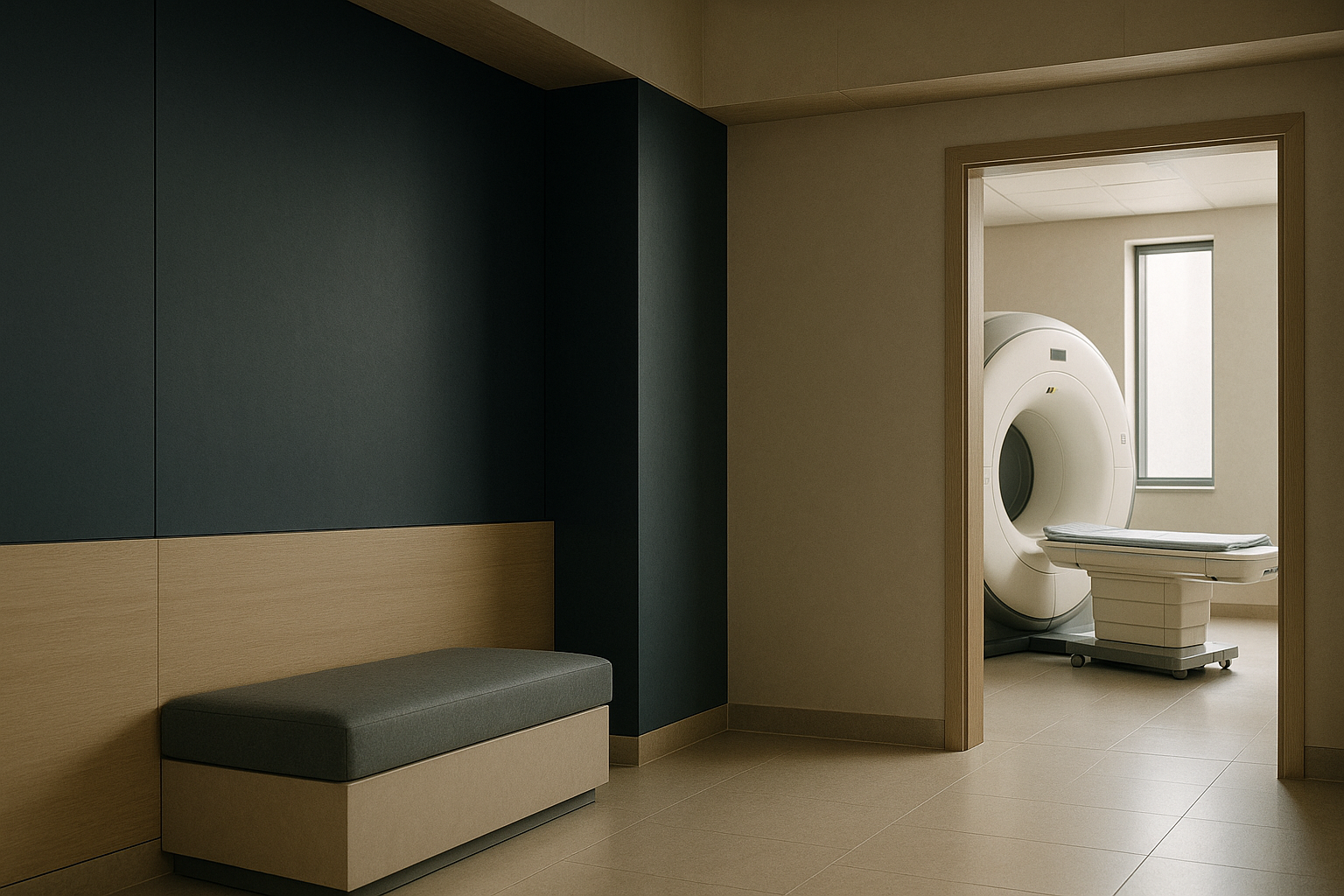
Turkey’s healthcare system has evolved into a robust and attractive option for international patients. With state-of-the-art facilities and skilled Turkish doctors, it is becoming a leading destination for medical tourism. This article explores the intricacies of Turkish healthcare and provides insightful guidance for prospective travellers.
What Makes Turkish Healthcare Appealing?
The Turkish healthcare system is known for its high-quality service and competitive pricing. The country has invested heavily in modernizing its medical infrastructure, resulting in an array of well-equipped Turkish hospitals. Many of these facilities are accredited by international organizations, ensuring adherence to global healthcare standards. This commitment to quality is evident in the meticulous design of hospital environments that prioritize patient comfort and advanced medical care.
Additionally, Turkish doctors are often trained both domestically and internationally, bringing a wealth of knowledge and experience to their practice. This combination of modern facilities and skilled professionals makes Turkey an appealing choice for those seeking medical treatment abroad. For example, the Acıbadem Healthcare Group and Anadolu Medical Center are renowned for their advanced technological capabilities and distinguished medical staff. These institutions frequently participate in international medical conferences, contributing to global medical innovation and learning.
The cost of healthcare in Turkey is often a fraction of what patients might pay in Western countries, without compromising on quality. This financial advantage, coupled with the country’s rich cultural heritage and hospitality, enhances its appeal. For instance, a coronary artery bypass surgery costing around $150,000 in the US may be as low as $15,000 in Turkey. Such cost savings, along with the opportunity to recover in a hospitable environment, make Turkish healthcare particularly enticing. Additionally, the option to explore Turkey’s diverse landscapes and historical sites during recovery provides a unique blend of healing and cultural enrichment.
How to Choose a Turkish Hospital for Treatment?
Choosing the right Turkish hospital is crucial for a positive medical experience. Start by researching hospitals that specialize in your required treatment. Look for facilities with international accreditations such as JCI (Joint Commission International), which signifies adherence to high safety and quality standards. This accreditation ensures the hospital follows stringent protocols for patient care, safety, and hygiene. Hospitals with such credentials are committed to continuous improvement and patient satisfaction.
It is beneficial to read reviews from previous international patients and consult healthcare professionals who can provide recommendations based on your specific needs. Online platforms like Healthgrades or Google Reviews often provide insights into other patients’ experiences. Consider hospitals in major cities like Istanbul, Ankara, and Izmir, where healthcare infrastructure is particularly advanced and there is a higher concentration of specialists. These cities are also well-connected internationally, making travel more convenient for patients flying in for treatment.
Additionally, ensure that the hospital has multilingual staff who can communicate effectively in your preferred language. This reduces misunderstandings and enhances the overall treatment experience. Many Turkish hospitals cater to international patients with dedicated teams to assist with travel arrangements, consultation scheduling, and language translation services, ensuring a smooth healthcare journey. These teams often include patient coordinators who facilitate every aspect of the medical trip, from airport pickups to post-treatment follow-ups, ensuring a seamless and stress-free experience.
What Are the Typical Costs and Timelines for Treatment in Turkey?
The costs of treatment in Turkey vary depending on the procedure, but they are generally more affordable than in many Western countries. For instance, cosmetic surgeries, dental treatments, and orthopaedic procedures can cost 50-70% less than in the US or UK. A dental implant that might cost $3,000 in the US could be as low as $800 in Turkey, illustrating significant savings. These cost differences are attributed to lower overhead costs and a favorable exchange rate, without compromising the quality of care provided.
The timeline for receiving treatment is usually shorter compared to many other countries. Many Turkish hospitals offer streamlined processes for international patients, minimizing waiting times. Patients often find that they can schedule procedures within weeks rather than months. It’s advisable to contact hospitals directly for precise cost estimates and scheduling information, as this can vary based on demand and specific medical needs. This quick turnaround is particularly beneficial for patients requiring urgent care or those looking to combine treatment with holiday plans.
Travel and accommodation costs should also be factored into the overall budget. Turkey has a well-developed transport infrastructure, making internal travel efficient and convenient for medical tourists. Cities like Istanbul offer a plethora of accommodation options ranging from budget-friendly lodgings to luxury hotels, often at lower prices than comparable accommodations in Western nations. Many hotels offer medical tourism packages that include transportation to and from medical facilities, catering to the specific needs of international patients and their families.
How Safe is Medical Tourism in Turkey?
Turkey is committed to providing safe and effective healthcare services to international patients. Many Turkish hospitals are accredited by international bodies, ensuring compliance with rigorous safety and quality standards. These accreditations require hospitals to maintain high levels of patient care, safety protocols, and operational efficiency. Such standards are a testament to Turkey’s dedication to maintaining its reputation as a premier destination for medical tourism.
The government regulates the healthcare sector to maintain high standards of care. This includes stringent licensing requirements for Turkish doctors and healthcare facilities. Patients can expect to receive treatment in clean, modern environments with advanced medical technology. Regular audits and inspections are conducted to ensure compliance with these standards, providing an added layer of security for international patients. These measures build trust and confidence among patients traveling from abroad for medical treatment.
Despite these assurances, it is crucial for international patients to conduct thorough research and choose reputable hospitals and doctors. Engaging with a medical tourism facilitator can also provide additional safety through guided support and advice. Facilitators can offer services such as arranging consultations, managing travel details, and ensuring that the chosen healthcare facility meets all the necessary safety and quality criteria. This additional layer of support can help mitigate any potential risks associated with traveling for medical care, ensuring a successful and safe healthcare experience.
What Should You Know About Healthcare Accreditation in Turkey?
Healthcare accreditation is a critical aspect of ensuring quality and safety in medical services. In Turkey, many hospitals are accredited by internationally recognized organizations such as JCI. This accreditation is a testament to the hospital’s commitment to maintaining high-quality care standards. Accreditation involves rigorous evaluations and continuous monitoring to ensure that healthcare facilities comply with international norms. This process includes assessments of patient care, facility management, and medical staff credentials.
Accredited hospitals undergo regular inspections and assessments to ensure they meet the required benchmarks. These facilities often have advanced medical technology and adhere to strict hygiene protocols, providing peace of mind to patients. This includes having the latest diagnostic and therapeutic technologies, which are crucial for effective patient care. Hospitals invest in continuous staff training and development to keep pace with global medical advancements, ensuring they deliver the best possible care.
Before choosing a hospital, verify its accreditation status through the accrediting body’s website. This ensures that you are selecting a facility that meets global healthcare standards. Such verification can often be done through organizations like the Joint Commission International’s website, where accredited facilities are listed, thus ensuring transparency and reliability in your healthcare choices. Being well-informed about the accreditation status of a hospital helps patients make confident decisions about their treatment options and ensures a higher standard of care and safety.
How to Prepare for Medical Treatment in Turkey?
Preparation is key to a successful medical trip. Begin by consulting with your local physician to understand the treatments available and to gather your medical records. This documentation is essential for Turkish doctors to provide tailored advice and care, ensuring that they have all necessary information about your medical history. A comprehensive medical background helps in devising a personalized treatment plan that aligns with your health needs.
Ensure your passport and visa arrangements are in order, as these are essential for international travel. Depending on your country of origin, you might be eligible for an e-Visa to Turkey, which simplifies entry procedures. Research the cultural norms and language to ease your transition and enhance your experience in Turkey. Familiarity with basic Turkish phrases can also facilitate smoother interactions with locals. Understanding cultural nuances can significantly improve the overall experience and help in building rapport with healthcare providers.
Budgeting for treatment and associated expenses is crucial. Consider travel insurance that covers medical procedures abroad to safeguard against unforeseen circumstances. This insurance should cover aspects like treatment complications or travel disruptions. Additionally, many hospitals offer package deals that include treatment, accommodation, and transport, which can simplify planning and offer cost savings. These comprehensive packages are designed to cater to the specific needs of medical tourists, providing convenience and peace of mind throughout the healthcare journey.
Conclusion: Embracing Turkish Healthcare
Turkey’s healthcare landscape offers a compelling blend of quality, affordability, and cultural richness. As an international patient, you can expect world-class care from Turkish doctors in modern hospitals. With a combination of advanced medical technology, skilled professionals, and internationally accredited facilities, Turkish healthcare is well-positioned to deliver exceptional medical services. This harmonious integration of expertise, technology, and hospitality makes Turkey a preferred choice for many seeking medical treatment abroad.
With careful planning and research, your medical journey to Turkey can be both rewarding and successful. By selecting the right hospital, understanding the costs involved, and preparing adequately for the trip, patients can take full advantage of the benefits offered by Turkish healthcare. Moreover, the cultural experiences available in Turkey, from its historical sites to its culinary delights, add an enriching dimension to the medical travel experience, making Turkey not just a destination for healing but also for discovery and adventure. The vibrant culture and warm hospitality enhance the recovery process, providing a holistic approach to healing that leaves a lasting impression on patients and their families.
Proven result
20 to 200 hair-transplant patients a month from Australia
Aesthetic surgery group
Frequently asked questions
Are Turkish doctors well-qualified?
Yes, Turkish doctors are highly qualified, often trained both domestically and internationally, ensuring they possess a broad spectrum of expertise.
Is healthcare in Turkey affordable?
Healthcare in Turkey is generally affordable, with costs significantly lower than in many Western countries, providing excellent value for international patients.
What should I consider when choosing a Turkish hospital?
Look for international accreditations, read patient reviews, and ensure the hospital specializes in the treatment you need. Consider multilingual staff for better communication.
Are Turkish hospitals safe for international patients?
Yes, many Turkish hospitals are internationally accredited, ensuring high safety and quality standards. Patients are advised to research and choose reputable facilities.
Related guides

What Hospital Accreditation Reviews Really Tell You
A hospital can have polished facilities, prominent surgeons, and hundreds of five-star ratings, yet those signals do not…

International Patient Onboarding Guide for Hospitals
An international patient inquiry is not simply a lead. It is a person weighing a major medical decision…

How Clinics Qualify Overseas Treatment Inquiries
An overseas inquiry can look promising long before it becomes a viable treatment case. A patient may be…