
Direct Hair Implantation (DHI) has become a popular topic among those seeking effective hair restoration solutions. This article aims to clarify what DHI means, how it differs from other methods, and what prospective patients can expect in terms of procedure, costs, and outcomes.
What is DHI Hair Transplant?
DHI hair transplant is a method of hair restoration that involves the direct implantation of hair follicles into the scalp. This technique uses a specialised tool, often resembling a pen, which allows for precise placement of hair follicles without the need for creating recipient holes beforehand. The primary goal of DHI is to provide a natural hairline with minimal trauma to the scalp. This method distinguishes itself from other hair transplantation techniques by focusing on the accuracy and precision of follicle placement, ensuring that the angle, depth, and direction of each implanted hair are optimal for natural growth patterns.
The procedure starts with the extraction of individual hair follicles, which are then implanted directly into the target area. Unlike traditional methods, DHI does not require incisions, making the process less invasive and reducing the recovery time. This method is particularly beneficial for those looking for a gentle approach to hair restoration. Typically, this method is best suited for individuals with a stable donor hair supply and those seeking to enhance specific areas such as the hairline or the crown.
Moreover, DHI is often performed using local anaesthesia, ensuring patient comfort throughout the procedure. The precision of the DHI method allows for a higher density of hair follicles, resulting in a more natural appearance. Patients can expect to see initial results in about three months, with full growth developing over the course of 12 to 18 months. The minimal invasive nature not only aids in faster recovery but also reduces the risk of complications, making it a preferred choice for patients with concerns about post-operative healing.
How Does DHI Hair Transplant Work?
The DHI hair transplant process involves several key steps, starting with the preparation of the donor area. Hair follicles are carefully extracted using a fine-tip tool, ensuring minimal damage to the surrounding tissue. This technique is known as Follicular Unit Extraction (FUE), which forms the basis for DHI. The extraction process requires delicate handling of follicles to preserve their integrity and increase the likelihood of successful transplantation, which is crucial for achieving a high survival rate of the transplanted hairs.
Once extracted, the follicles are kept in optimal conditions to maintain their viability. They are typically stored in a special solution at a controlled temperature to prevent dehydration and damage. The next step involves implanting the follicles directly into the scalp using the DHI implanter, a tool designed to place follicles at the correct angle, depth, and direction. This ensures a natural-looking result with minimal scarring. The meticulous approach of the DHI method is particularly beneficial for those looking to restore hair in areas that require a high degree of precision, such as the frontal hairline.
The entire process requires meticulous attention to detail and is often completed within a day, depending on the extent of the area being treated. Clinics may perform up to 4,000 follicular unit extractions in a single session, catering to varying degrees of hair loss. The precision of the DHI technique allows for improved hair density and a more aesthetically pleasing outcome. Patients can usually return to their normal activities within a week, making DHI a convenient option for those with busy lifestyles. Follow-up care typically includes regular check-ups and a detailed care regimen to ensure optimal growth and health of the transplanted follicles.
Is DHI the Best Hair Transplant Method?
Whether DHI is the best hair transplant method largely depends on individual needs and expectations. DHI offers several advantages, such as reduced scarring, quicker recovery times, and natural-looking results. However, it may not be suitable for everyone. Prospective patients need to consider factors such as the extent of their hair loss, their donor hair quality, and their personal goals for hair restoration. DHI is particularly advantageous for those seeking a high degree of precision in areas like the hairline or crown, where natural appearance is paramount.
One of the key benefits of DHI is its precision. The use of the implanter pen allows for accurate placement of hair follicles, which can result in a higher density of hair and a more natural hairline. This method is particularly advantageous for patients looking to address specific areas, such as the hairline or crown. DHI’s ability to control the angle and direction of each implanted follicle allows for results that mimic natural hair growth patterns, making it an attractive option for those seeking a seamless transition between transplanted and existing hair.
However, DHI may not be the most cost-effective option compared to other methods, such as traditional FUE or FUT (Follicular Unit Transplantation). The cost of a DHI procedure can vary significantly based on factors such as the clinic’s location, the surgeon’s expertise, and the number of grafts needed. On average, patients might expect to invest between $5,000 to $15,000. Prospective patients should consult with a qualified specialist to determine the most suitable method based on their individual hair loss pattern, budget, and desired outcome. A comprehensive evaluation will help ensure that the chosen method aligns with the patient’s long-term hair restoration goals.
DHI vs FUE: What Are the Differences?
Both DHI and FUE involve the extraction of individual hair follicles, but they differ significantly in their implantation techniques. FUE requires the creation of recipient holes before implanting the follicles, whereas DHI uses a specialised tool to place follicles directly into the scalp. This key difference allows DHI to offer a more streamlined and less invasive approach to hair transplantation. The absence of pre-made incisions in DHI reduces the risk of shock loss, a condition where existing hairs fall out after transplantation due to trauma from the procedure.
The direct implantation method of DHI allows for more precise control over the angle, depth, and direction of the implanted hair, leading to a more natural appearance. This can be particularly beneficial for patients looking to achieve a specific aesthetic result. The ability to control these variables means that DHI can adapt to the unique contours and characteristics of a patient’s scalp, ensuring a tailored approach to hair restoration. This precision is especially vital when addressing areas that are highly visible or have complex hair growth patterns.
In terms of recovery, DHI tends to have a quicker healing process due to the minimally invasive nature of the procedure. Patients often experience less post-operative swelling and discomfort, allowing them to resume normal activities sooner. However, the cost of DHI is generally higher than FUE, reflecting the advanced techniques and tools involved. While FUE remains a popular choice due to its affordability and effectiveness, DHI’s premium price point is justified by its superior control and potentially enhanced aesthetic outcomes. Prospective patients should weigh these differences carefully with their surgeon to decide which method best meets their needs and expectations.
What is Robotic DHI Hair Transplant?
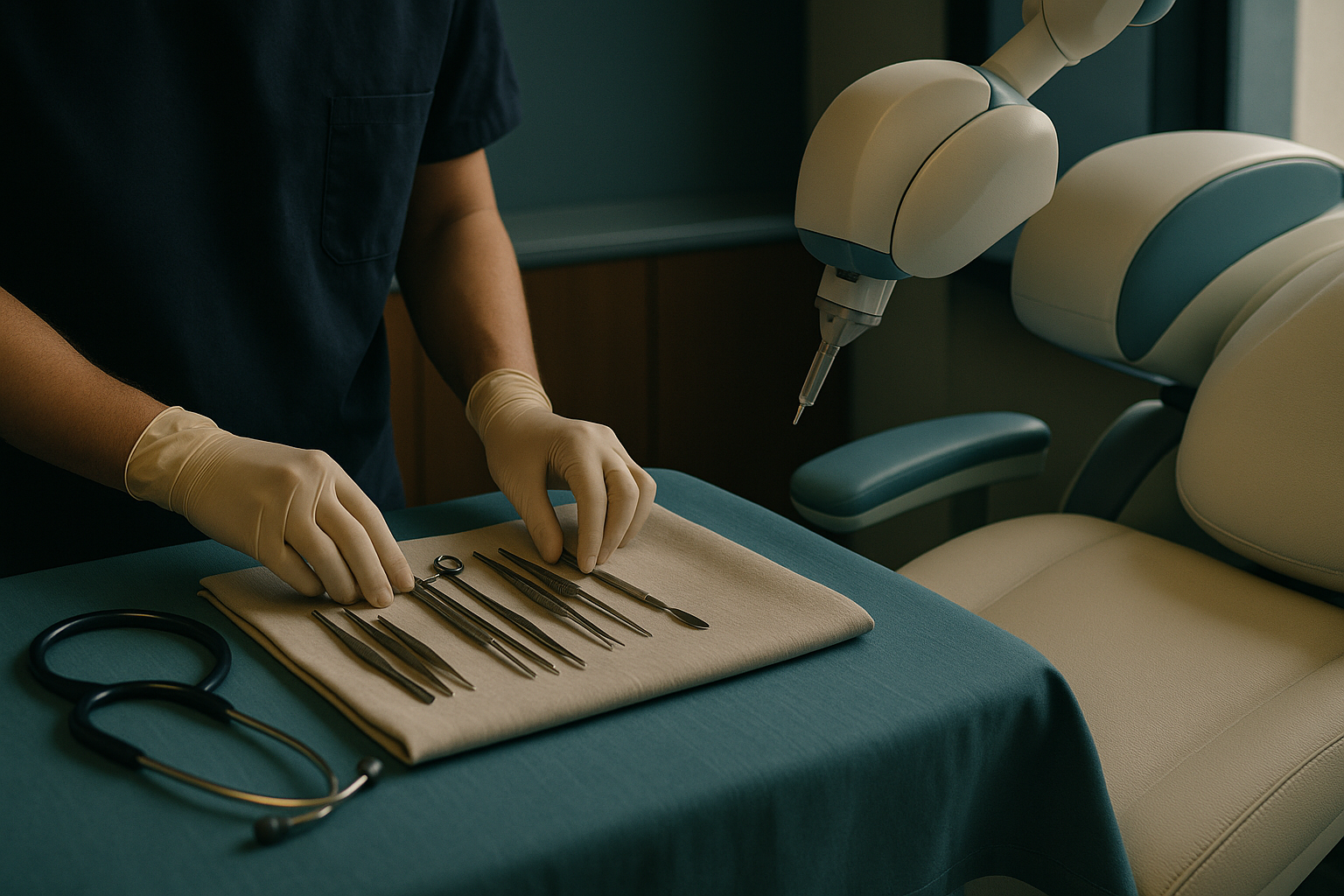
Robotic DHI hair transplant is an advanced version of the traditional DHI method, incorporating robotic technology to enhance precision and efficiency. This approach uses robotic arms equipped with advanced imaging systems to identify and extract the best donor follicles. The integration of robotics ensures a level of precision that surpasses manual techniques, as the robotic system can analyze scalp conditions and follicle quality in real-time, adjusting its approach accordingly to maximize the success rate of the transplantation.
The robotic system can also assist in the implantation process, ensuring consistent placement of hair follicles. This technology minimises human error and can lead to improved outcomes in terms of hair density and natural appearance. The use of robotics can reduce the time required for the procedure, allowing for a larger volume of hair follicles to be transplanted in a single session, thus catering to patients with extensive hair loss who are looking to undergo only one procedure.
While robotic DHI offers significant benefits in terms of precision, it may not be available in all clinics due to the high costs associated with the technology. The initial investment and maintenance of robotic systems can be prohibitive, meaning only a select number of clinics offer this service. Patients interested in this method should ensure they are consulting with a clinic that has the necessary equipment and expertise. Additionally, they should inquire about the experience level of the clinic’s staff in operating the robotic systems, as this can significantly impact the quality of results achieved.
Does DHI Hair Transplant Leave Scars?
One of the main advantages of DHI over traditional hair transplant methods is the minimal scarring associated with the procedure. The use of a fine-tip implanter tool allows for direct implantation of hair follicles without the need for large incisions. This approach minimizes trauma to the scalp, reducing the risk of noticeable scarring. The tiny punctures made by the implanter pen heal rapidly and are often undetectable once the hair grows out, making DHI an excellent option for individuals who wish to wear their hair short post-transplantation.
As a result, DHI typically results in tiny, almost imperceptible scars that heal quickly. This makes it an attractive option for those concerned about visible scarring, particularly when treating areas like the hairline. The quick healing process associated with DHI means that patients can often return to their normal grooming routines within days of the procedure, without worrying about concealing scars or dealing with prolonged redness and swelling.
However, the skill of the surgeon plays a crucial role in minimising scarring. Prospective patients should ensure they choose a qualified and experienced specialist to perform the procedure to achieve the best possible outcome. The surgeon’s ability to handle the implanter tool with precision can significantly influence the natural appearance of the hairline and the overall distribution of implanted hair. Therefore, selecting a clinic with a proven track record of successful DHI procedures and satisfied patients is essential for minimizing scarring and maximizing aesthetic results.
Choosing the Right DHI Clinic
When considering a DHI hair transplant, selecting the right clinic is crucial. Prospective patients should look for clinics with qualified medical professionals who have experience in performing DHI procedures. Accreditation and positive patient reviews can also be indicators of a reputable clinic. It’s important to research clinics thoroughly, investigating their history, specialization in hair restoration procedures, and the credentials of their medical team to ensure a high standard of care.
Patients should inquire about the clinic’s experience with DHI and ask to see before-and-after photos of previous patients. This can provide insight into the clinic’s capabilities and the likely outcomes of the procedure. Clinics that openly share their success stories and patient testimonials often demonstrate a commitment to transparency and patient satisfaction. Additionally, visiting the clinic for an initial consultation can help assess the facility’s technology, cleanliness, and overall professionalism.
Additionally, understanding the costs involved and the post-operative care offered by the clinic can help patients make an informed decision. The pricing structure should be clear, with detailed explanations of what each element of the cost covers, from initial consultation to follow-up care. A transparent consultation process can ensure that expectations are aligned with the potential results. Choosing a clinic that offers comprehensive post-operative support, including regular follow-ups and guidance on hair care, is essential for optimizing the long-term success of the DHI procedure.
Conclusion
Direct Hair Implantation (DHI) offers a precise and minimally invasive option for those considering hair restoration. While it may not be suitable for everyone, its benefits in terms of natural results and reduced scarring make it a compelling choice for many. Understanding what DHI means in the context of modern hair restoration can help prospective patients make informed decisions about their treatment options. The method’s focus on precision and natural aesthetics aligns well with the growing demand for personalized and effective hair restoration solutions.
Prospective patients should conduct thorough research and consult with experienced professionals to determine if DHI is the right method for their needs. Factors such as hair loss extent, donor hair quality, and personal aesthetic goals should be considered when deciding on a hair restoration method. Understanding the nuances of the procedure can help ensure a successful and satisfying outcome. By choosing a reputable clinic and a skilled surgeon, patients can significantly enhance their chances of achieving their desired results with minimal risks and complications.
Proven result
20 to 200 hair-transplant patients a month from Australia
Aesthetic surgery group
Frequently asked questions
What is DHI hair transplant?
DHI hair transplant is a technique that involves direct implantation of hair follicles using a specialised tool, offering precision and minimal scarring.
Is DHI the best hair transplant method?
DHI is beneficial for its precision and minimal scarring, but whether it’s the best method depends on individual needs and conditions.
Does DHI hair transplant leave scars?
DHI typically results in minimal scarring due to its direct implantation technique, making scars almost imperceptible.
What is robotic DHI hair transplant?
Robotic DHI integrates advanced technology to enhance precision in hair follicle extraction and implantation, improving outcomes.
How does DHI hair transplant work?
DHI works by extracting hair follicles and directly implanting them into the scalp using a specialised tool, offering natural results.
Related guides

What Hospital Accreditation Reviews Really Tell You
A hospital can have polished facilities, prominent surgeons, and hundreds of five-star ratings, yet those signals do not…

International Patient Onboarding Guide for Hospitals
An international patient inquiry is not simply a lead. It is a person weighing a major medical decision…

How Clinics Qualify Overseas Treatment Inquiries
An overseas inquiry can look promising long before it becomes a viable treatment case. A patient may be…