
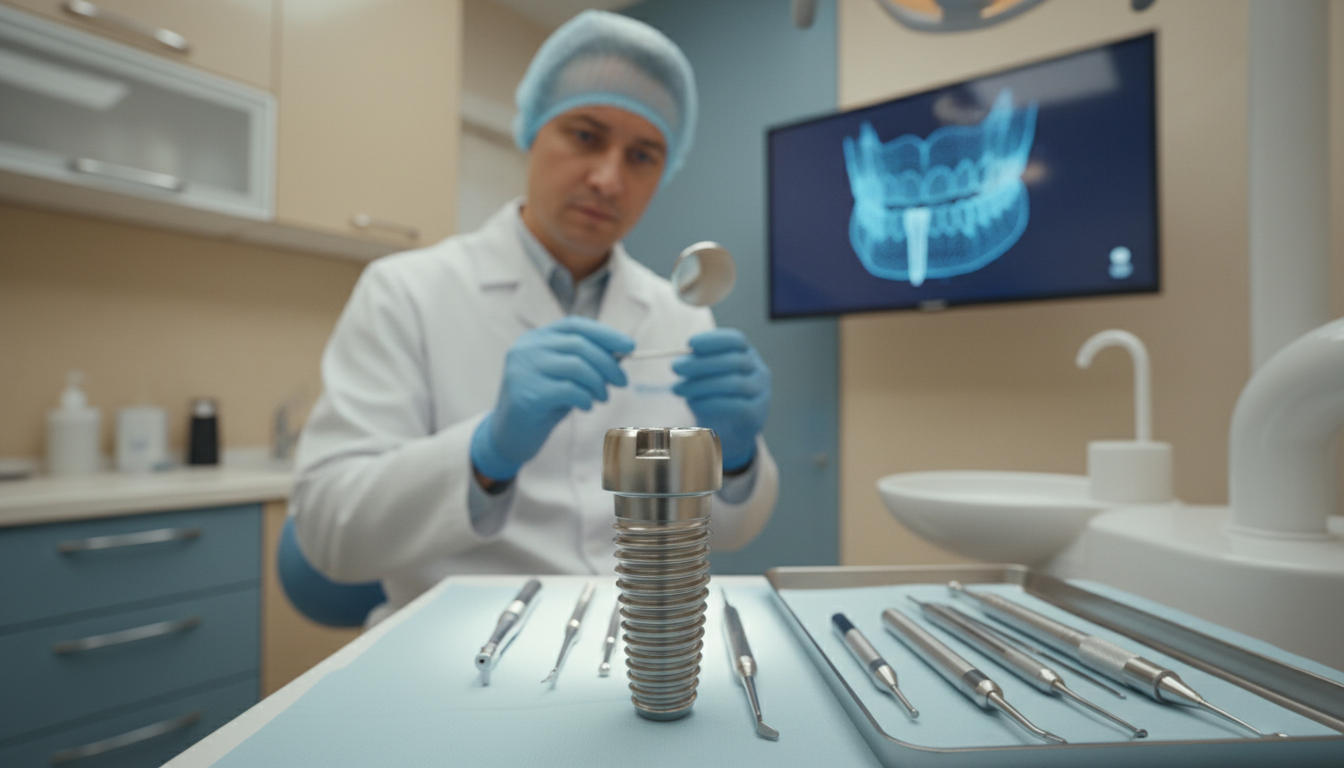
Can a single implant really feel and act like your natural tooth—and last a lifetime?
It’s a common doubt when someone faces a missing tooth. Many expect a long, complex treatment. In truth, modern implant surgery often restores function and confidence with predictable results.
Dr. William Roe has placed hundreds of implants and will happily spend the time to explain each step. His team uses advanced techniques so a new crown or denture fits your smile. That care helps the implant mimic the whole tooth structure and meet your specific needs.
Choosing the right tooth replacement matters. A good plan balances surgery, recovery time, and long-term care. To learn more, patients can call 855-440-2467 for a free consultation or request an appointment online. The goal is clear: restore comfort, chewing, and a natural-looking result that can last with proper care.
Key Takeaways
- Implants can replace a missing tooth with a structure that feels like a natural tooth.
- Dr. William Roe uses modern surgery methods to ensure a secure crown or denture fit.
- A personalized plan helps minimize time in treatment and supports lifetime results.
- Free consultations are available—call 855-440-2467 or request an appointment online.
- Proper care after surgery helps protect your investment and oral health.
Understanding the Impact of Missing Teeth
When a tooth goes missing, speaking and eating can suddenly feel difficult. Simple tasks like biting an apple or saying a name may take extra effort.
Dr. Alfred “Duke” Heller earned his DDS in 1962 from The Ohio State University College of Dentistry and notes that tooth loss changes how people feel about their daily smile.
Living with a missing tooth for years can harm overall oral health and make chewing harder. Many people report discomfort with traditional dentures, which leads them to explore dental implants or a new denture as a longer-term solution.
“Finding the right replacement options is essential to prevent further complications.”
- A qualified dentist evaluates whether a dental implant or denture fits each mouth.
- Modern implants often restore function and help protect nearby teeth and bone.
- Choosing the best treatment reduces future loss and improves comfort.
| Issue | Common Effect | Typical Solution |
|---|---|---|
| Missing tooth | Speech difficulty, chewing limits | Implant or denture |
| Long-term loss | Bone and adjacent teeth stress | Tooth replacement with implant |
| Uncomfortable denture | Slipping, soreness | Fixed implant-supported denture |
Core Advantages of Dental Implants
A modern implant can restore a smile so naturally that friends and family rarely notice a difference. This restoration aims to match surrounding teeth in color, shape, and bite. The goal is a result that looks like natural and feels stable when you speak and chew.
Aesthetic Appeal
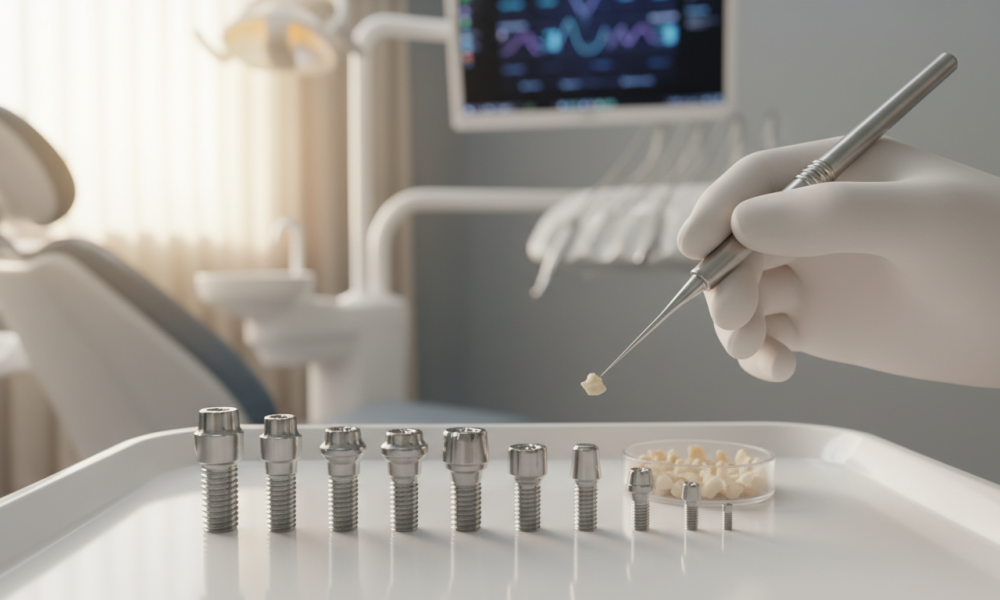
Natural appearance is a primary aim during implant treatment. A dental implant plus a well-matched crown can blend with existing teeth. That makes the replacement hard to spot and helps patients smile without hesitation.
Confidence and Social Comfort
Many patients report renewed confidence after treatment. Unlike some dentures that slip, implants hold a crown firmly in place. This stability lets people eat, laugh, and speak freely — the theme for 2021: Eat, laugh, live again!
| Benefit | What it means | Typical result |
|---|---|---|
| Looks natural | Matches nearby teeth | Seamless smile |
| Stable fit | Firm crown support | More confident chewing |
| Long-lasting | Proper care after surgery | Years of reliable use |
Restoring Natural Function and Speech
Regaining a normal bite makes daily meals and conversations more comfortable and natural.
Dental implants anchor into the jaw so a crown acts very much like natural teeth. That firm support helps people speak clearly and reduces slurring that can come with a loose denture.
After the initial healing, a dental implant lets patients eat a wide range of foods again. Salads, nuts, apples, and corn on the cob become possible once the implant integrates with the bone.
Improving Chewing Ability and Nutrition
The strength of implants improves chewing and supports better nutrition. Stable implants let you bite and grind without pain. That means more variety in meals and better overall health.
- Implants stabilized in the jaw support normal speech and clearer words.
- Strong implant fixtures enable effective chewing and healthier eating choices.
- After surgery, start with soft foods, then return to enjoying foods like natural teeth.
- Unlike loose dentures, implants prevent slipping and the soreness that limits chewing.
- Restoring your bite helps keep your mouth and jaw healthy over time.
“A secure implant often means patients feel confident eating and talking again.”
Long-Term Health Benefits for Your Jawbone
An implant’s role goes beyond a crown: it keeps the jawbone active and helps prevent the hollowing that follows a missing tooth.
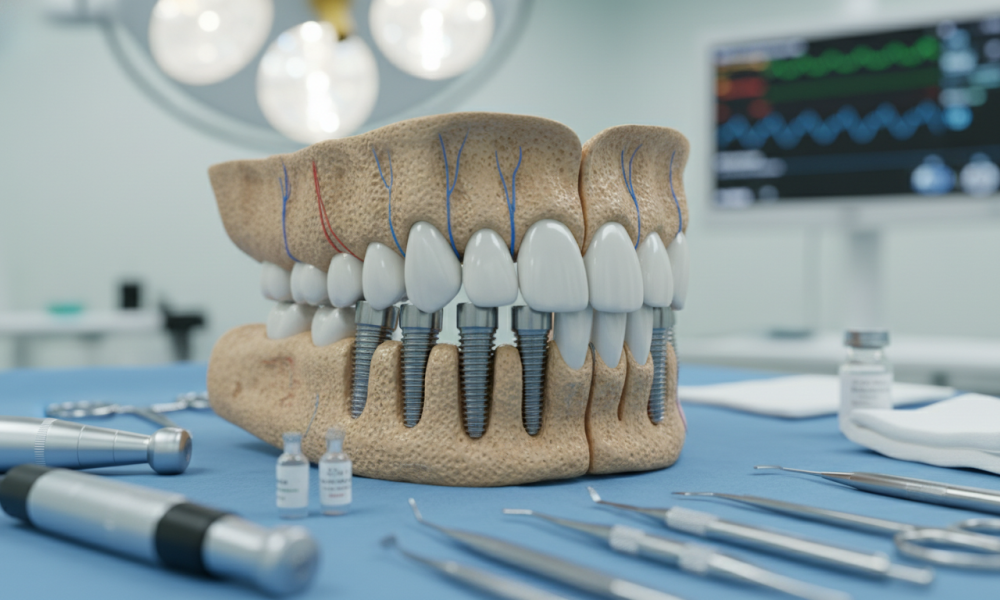
Bone needs stimulation to stay strong. When a dental implant is placed, it transfers chewing forces into the bone. That signal slows resorption and preserves jaw height.
Because dental implants are anchored in the jawbone, they protect the surrounding teeth by avoiding the need to reduce adjacent teeth for a bridge. This helps preserve natural tooth tissue.
“A well-integrated implant supports long-term facial structure and oral health.”
- Preserves bone: implants reduce the bone loss that usually follows tooth loss.
- Protects nearby teeth: no cutting down neighbors for a bridge—so more natural teeth stay intact.
- Stable foundation: when implants last, they keep the mouth functioning and support healthy chewing.
- Lifetime potential: with proper care, a dental implant can serve for years and help facial features remain supported.
Maintaining Your Smile for a Lifetime
Keeping a restored smile healthy takes a few simple daily habits that anyone can follow. Proper care after surgery helps implants last and keeps your mouth comfortable. These routines are similar to caring for natural teeth and are easy to adopt.
Daily Oral Hygiene Practices
Brush at least twice a day and floss once daily. Gentle brushing removes plaque around the implant and crown.
Drink plenty of water to help rinse food particles and support oral health. Most people find cleaning implants straightforward—no special tools are usually required.
Importance of Regular Dental Visits
See a dentist for professional cleanings and checkups. Regular visits let a clinician spot early signs of trouble and keep implants looking like natural teeth.
Professional care helps ensure dental implants last for many years and supports overall mouth health.
Avoiding Tobacco Use
Avoid tobacco. Smoking raises the risk of complications and slows healing. Quitting greatly improves the chance that implants integrate well and last a lifetime.
“Simple routines and regular care protect your smile and help implants perform like natural teeth.”
- Daily habits: brush, floss, and hydrate.
- Routine checks: visit your dentist for cleanings and exams.
- Smart choices: avoid tobacco to support healing and long-term results.
Conclusion
Selecting the right replacement options helps people regain a natural-looking smile and normal function.
Dental implants deliver clear benefits dental patients seek: a stable crown, better chewing, and renewed confidence. These implants can restore a missing tooth and support long-term oral health.
A single dental implant often feels like a real tooth. Multiple implants can secure dentures and improve daily comfort for many years.
To discuss specific needs, contact the UIC College of Dentistry at 312.996.9223. A skilled dentist can review replacement options and help plan care that matches each patient’s goals.
Investing in your smile today helps you enjoy the lasting benefits dental implants provide.
FAQ
What makes dental implants a strong choice for replacing missing teeth?
Dental implants fuse with the jawbone to provide stable support for a crown, bridge, or denture. This root-like integration helps preserve bone, supports facial structure, and restores chewing similar to natural teeth—helping patients eat, speak, and smile with confidence.
How do implants affect jawbone health after tooth loss?
When a tooth is lost, the underlying bone can shrink over time. Implants stimulate the jaw through normal chewing forces, slowing or preventing bone loss. That preservation maintains facial contours and reduces the risk of further tooth movement.
Will an implant look and feel like my natural tooth?
Yes. A properly placed implant and custom crown are designed to match adjacent teeth in color, shape, and size. Many patients report that implants feel and function much like their original tooth, with natural bite and speech.
How long do implants typically last?
With good oral hygiene, regular dental checkups, and healthy habits, implants can last decades and often a lifetime. Factors such as smoking, untreated gum disease, and poor maintenance can shorten their lifespan.
Is the surgery painful and how long is recovery?
Most patients experience mild to moderate discomfort after placement, which is managed with prescription or over-the-counter pain relievers. Swelling and soreness usually subside within a few days to two weeks. Healing time before the crown is placed can range from a few weeks to several months depending on bone health and the procedure used.
Can people with dentures switch to implant-supported teeth?
Yes. Dentures can be converted to implant-supported prostheses or replaced with fixed bridges anchored by implants. Implant-supported options improve stability, chewing efficiency, and comfort compared with traditional removable dentures.
Are implants suitable for cancer patients or those who had radiation therapy?
Many cancer survivors can receive implants, but planning is crucial. Radiation and some treatments can affect bone healing. A dental specialist and the oncology team should evaluate timing and risk, and may recommend imaging or bone grafting before implant placement.
How do implants compare with bridges for a single missing tooth?
Bridges rely on adjacent teeth for support and may require shaving healthy tooth structure. Implants replace the tooth root without affecting neighboring teeth, helping preserve their integrity and long-term oral health.
What daily care do implants need?
Clean around the implant with a soft-bristled toothbrush and floss or interdental brushes daily. Avoid hard or sticky foods that can stress restorations. Routine dental cleanings and exams help catch problems early and prolong implant success.
Can smoking affect implant success?
Yes. Tobacco use increases the risk of implant failure, infections, and slower healing. Quitting tobacco before and after surgery significantly improves outcomes and long-term stability.
Do I need a bone graft before getting an implant?
Not always. If jawbone volume or density is insufficient, a graft can rebuild bone to support an implant. The dentist will assess bone with imaging and recommend grafting when needed to ensure stable, long-term results.
How long does the full implant process take from consultation to final crown?
The timeline varies by case. Typical treatment can take 3 to 9 months, including consultation, possible bone grafting, implant placement, healing (osseointegration), and crown attachment. Same-day temporary restorations may be possible for select patients.
Will dental implants improve my nutrition and chewing ability?
Implants restore biting force and chewing efficiency closer to natural teeth, enabling a wider variety of foods and better nutrition. Patients often notice easier eating and less dietary restriction compared with removable dentures.
Are implants covered by dental insurance and how much do they cost?
Coverage varies by insurer and plan. Some policies cover part of the procedure or related treatments. Costs depend on the number of implants, need for grafting, and region. A treatment plan and cost estimate from the dentist can clarify expected expenses and financing options.
Who is a good candidate for implants?
Good candidates are adults with sufficient jawbone, healthy gums, and no uncontrolled medical conditions that impair healing. Smokers, people with uncontrolled diabetes, or those on certain medications may need extra evaluation to ensure safe treatment.
What should I discuss during my consultation?
Ask about treatment options (single implant, bridge, implant-retained denture), timelines, success rates, risks, and alternatives such as removable dentures or fixed bridges. Discuss medical history, cancer treatments if relevant, and realistic expectations for appearance and function.
Related guides
How Long Does a Dental Implant Procedure Take?
Curious if the journey to a restored smile will fit your life? Many patients wonder about the full…

Best Hair Transplant in Istanbul,Turkey
Could one clinic end years of worry and restore your confidence with a clear, tailored plan?Dr. Serkan Aygin…

What is Zygomatic Dental Implant?
Could anchoring into the cheekbone restore a confident smile when the upper jaw can’t?Zygomatic dental implants offer an…