
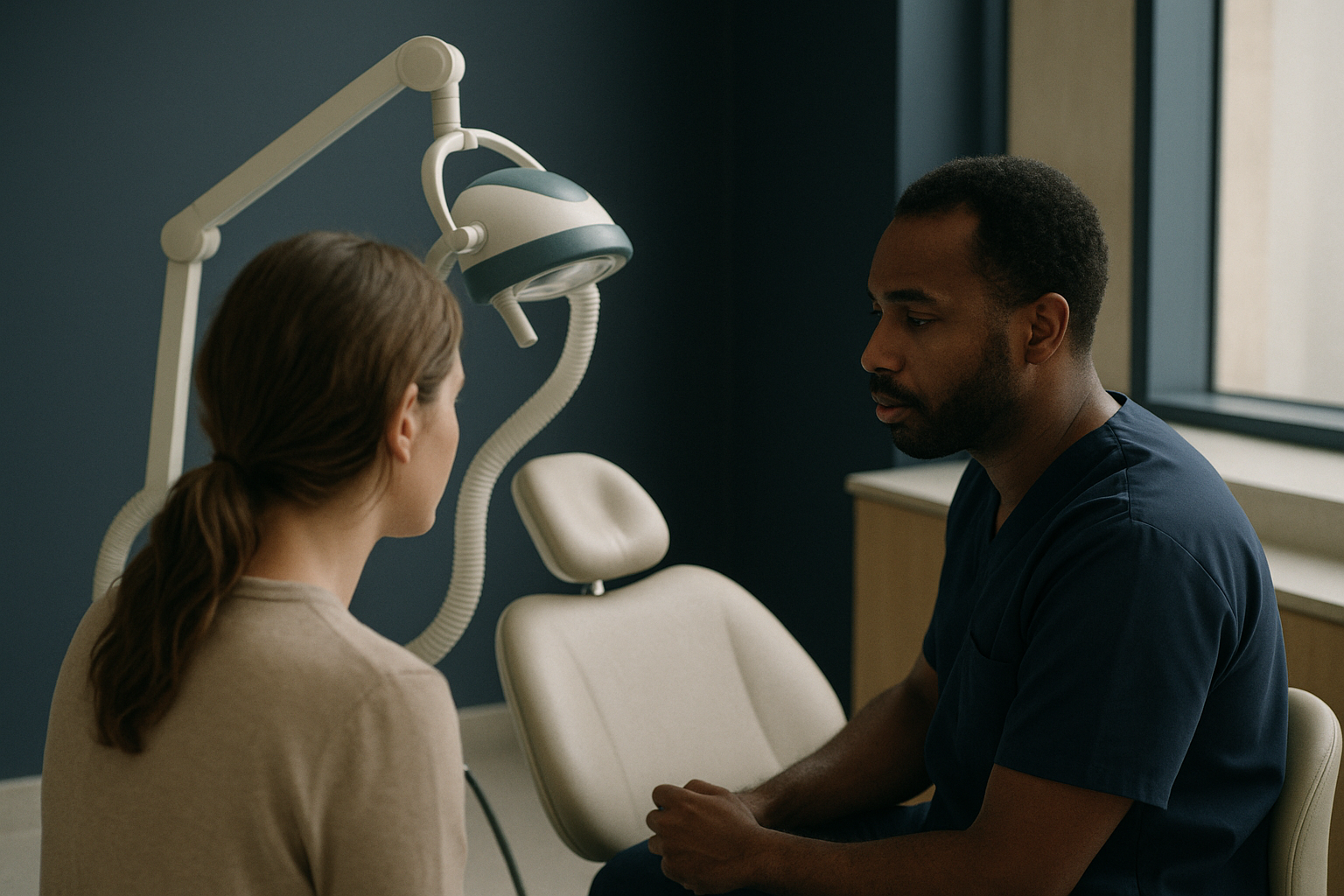
Afro hair transplant is a specialised procedure that caters to individuals with curly hair textures, offering natural-looking results and improved hair density. By understanding the unique characteristics of afro-textured hair, surgeons can achieve optimal outcomes for patients seeking restoration.
What is Afro Hair Transplant?
Afro hair transplant is a hair restoration procedure specifically designed for individuals with afro-textured hair. This type of hair transplant addresses the unique curling and coiling patterns of afro-textured hair, which require specialised techniques to ensure natural-looking results. Unlike straight hair, afro hair grows in a spiral, adding complexity to the procedure. The procedure typically involves two main techniques: Follicular Unit Extraction (FUE) and Follicular Unit Transplantation (FUT). Each method has its advantages and is selected based on the patient’s specific needs and the surgeon’s recommendation.
The process involves harvesting hair follicles from a donor area, usually the back or sides of the scalp, and transplanting them to areas with thinning or no hair. Due to the curly nature of the hair, the angle and direction of implantation must be carefully managed to ensure that the transplanted hair blends seamlessly with the existing hair. This requires a high level of skill and precision, as even minor deviations can lead to unnatural growth patterns that are easily noticeable.
Successful afro hair transplants consider the natural curl pattern, hairline design, and density to achieve a harmonious and aesthetically pleasing outcome. Surgeons must possess a deep understanding of afro-textured hair to perform this intricate procedure effectively. This often involves additional training and experience to master the unique challenges posed by curly hair, such as its tendency to shrink when dry and expand when wet, affecting the ultimate appearance of the transplant.
Why Consider an Afro Hair Transplant?
Individuals opt for an afro hair transplant for various reasons, primarily to address hair loss or thinning in areas where hair growth has diminished. This can be due to genetic factors, hormonal changes, or conditions such as traction alopecia, which is prevalent among those who regularly style their hair with tight braids or weaves. Traction alopecia, in particular, is a significant concern as it can lead to permanent hair loss if not addressed early. An afro hair transplant offers a solution by restoring hair in affected areas and preventing further damage.
An afro hair transplant offers a permanent solution to hair loss, allowing individuals to regain confidence and enjoy a fuller head of hair. The procedure not only restores hair but also enhances its natural appearance, ensuring the results are indistinguishable from the original hair. Patients can expect a significant boost in self-esteem as they no longer need to rely on temporary solutions like wigs or hairpieces, which may not always provide a satisfactory look.
Moreover, afro hair transplants can improve the overall density of the hair, providing a more voluminous look. This is particularly beneficial for individuals whose hair has thinned over time and who seek to restore their hair to its former thickness. The increased volume can also offer more styling options, enabling wearers to experiment with different hairstyles and add versatility to their appearance.
How is the Procedure Performed?
The afro hair transplant procedure involves several critical steps designed to maximise the success and natural appearance of the transplant. The process begins with an initial consultation where the surgeon assesses the patient’s hair loss pattern, scalp condition, and overall health to determine their suitability for the procedure. During this consultation, the surgeon will discuss the patient’s goals and expectations to ensure they align with what the procedure can realistically achieve.
Once deemed suitable, the surgeon selects the donor area from which hair follicles will be extracted. This area typically has healthy hair growth and is resistant to balding. The follicles are carefully harvested, taking into consideration the curl pattern inherent in afro-textured hair. This is a crucial step, as maintaining the integrity of the curl pattern is essential for achieving natural-looking results. The surgeon may use a specialised punch tool to extract the follicles without damaging them.
Implantation follows, where the harvested follicles are meticulously placed into the recipient area. This step requires precision to ensure the hair’s natural direction and angle are replicated, resulting in a seamless blend with existing hair. The procedure is performed under local anaesthesia and can take several hours, depending on the extent of the transplant. Pain management and post-operative care are discussed beforehand, ensuring the patient is comfortable during the recovery phase.
What Are the Costs Involved?
The cost of afro hair transplant varies depending on several factors, including the extent of hair loss, the number of grafts required, and the geographic location of the clinic. On average, patients can expect to pay between £3,000 and £7,000 for the procedure. Clinics in major metropolitan areas may charge more due to higher operating costs and demand. Conversely, clinics in smaller towns might offer more competitive pricing, though it’s crucial to ensure they possess the necessary expertise.
It’s important to note that while cost is a significant consideration, the expertise of the surgeon and the quality of care should be prioritised to ensure optimal results. Patients are advised to research thoroughly and choose clinics that specialise in afro hair transplants and have a proven track record of successful outcomes. Reading testimonials and reviews from previous patients can provide valuable insights into the clinic’s reputation and the quality of results they deliver.
Some clinics may offer financing options to make the procedure more accessible. However, prospective patients should be wary of unusually low prices, which may compromise the quality of the procedure and result in unsatisfactory outcomes. It is advisable to ask the clinic about what is included in the quoted price and if there are any additional costs for post-operative care or follow-up appointments.
How Long Does Recovery Take?
Recovery from an afro hair transplant generally takes a few weeks, with most patients able to resume normal activities within a week. Initially, patients may experience swelling, redness, or discomfort in the donor and recipient areas. These symptoms typically subside within a few days. It’s important to follow the surgeon’s recommendations closely during this period, as proper care can significantly impact the healing process and the overall success of the transplant.
Scabs form around the newly transplanted hair follicles, which fall off naturally within two weeks. It’s crucial to follow post-operative care instructions provided by the surgeon to aid recovery and ensure the best results. These instructions might include avoiding strenuous activities, not touching the transplanted area excessively, and refraining from washing the hair for a specified period to prevent dislodging the newly implanted follicles.
Full hair growth may take several months, but patients can expect to see noticeable improvements within six to twelve months post-procedure. Maintaining a healthy scalp and avoiding harsh styling practices can support optimal hair growth during this period. Regular follow-up visits with the surgeon can help monitor progress and address any concerns that may arise during recovery, ensuring the desired outcome is achieved.
What Are the Benefits of Afro Hair Transplant?
Afro hair transplant offers numerous benefits, primarily restoring hair to areas affected by thinning or loss. The procedure provides a permanent solution to hair loss, eliminating the need for temporary fixes such as wigs or hairpieces. Patients can enjoy the freedom of styling their natural hair without the limitations imposed by hair loss treatments that do not address the root of the problem.
The results are natural-looking, with the transplanted hair blending seamlessly with existing hair, thanks to the tailored approach that considers the unique characteristics of afro-textured hair. Increased hair density improves overall appearance, enhancing self-confidence and personal image. This boost in self-esteem can have positive effects on personal and professional interactions, encouraging individuals to take on new challenges with assurance.
Furthermore, the procedure allows for styling flexibility and the freedom to enjoy a variety of hairstyles without worrying about hair loss. Patients can expect long-lasting results, provided they maintain a healthy lifestyle and adhere to post-operative care guidelines. A successful afro hair transplant can transform the way individuals perceive themselves, promoting a positive self-image and a greater appreciation of one’s unique beauty.
Choosing the Right Clinic and Surgeon
Selecting the right clinic and surgeon is crucial to achieving the desired results from an afro hair transplant. Prospective patients should look for clinics that specialise in treatments for afro-textured hair and have a portfolio of successful procedures. Clinics with a focus on afro hair transplants are more likely to understand the specific challenges and nuances associated with this type of hair, leading to better outcomes for their patients.
It’s advisable to consult multiple clinics, compare their approaches, and discuss the potential outcomes before making a decision. Patients should verify the qualifications and experience of the surgeon, ensuring they have extensive knowledge and expertise in afro hair transplants. Checking the surgeon’s credentials and any certifications from relevant medical boards can provide additional assurance of their competency.
Reading reviews and testimonials from previous patients can provide insights into the clinic’s reputation and the quality of care they provide. Ultimately, choosing a clinic with a patient-centric approach and a commitment to excellence will ensure a positive experience and satisfactory results. A detailed initial consultation where all questions are addressed and the patient feels understood and supported is often a good indicator of a clinic’s dedication to patient care.
Conclusion
Afro hair transplant is a specialised procedure that offers significant benefits for individuals with afro-textured hair experiencing hair loss. By understanding the unique characteristics of afro hair, skilled surgeons can deliver natural-looking results that restore hair density and enhance personal confidence. This procedure not only provides aesthetic improvements but also empowers individuals by helping them regain control over their appearance.
With careful consideration of the procedure’s costs, recovery time, and the selection of a qualified surgeon, patients can achieve successful outcomes. Afro hair transplant not only addresses hair loss but also empowers individuals to embrace their natural beauty with renewed confidence. By choosing the right clinic and following post-operative care diligently, patients can look forward to a transformation that aligns with their personal goals and lifestyle needs.
Proven result
20 to 200 hair-transplant patients a month from Australia
Aesthetic surgery group
Frequently asked questions
What is afro hair transplant?
Afro hair transplant is a procedure designed for individuals with curly hair textures, focusing on natural-looking restoration and hair density.
How long does recovery take after an afro hair transplant?
Recovery generally takes a few weeks, with most patients resuming normal activities within a week. Full results are visible within six to twelve months.
What are the costs associated with afro hair transplant?
The cost ranges from £3,000 to £7,000, depending on factors like the extent of hair loss and clinic location.
Why choose afro hair transplant?
It offers a permanent solution to hair loss, with natural-looking results that enhance hair density and personal confidence.
How do I choose the right clinic for afro hair transplant?
Look for clinics specialising in afro-textured hair, verify the surgeon’s experience, and read reviews for insights into quality of care.
Related guides

Digital Marketing for Clinics That Drives Demand
A clinic can have exceptional physicians, advanced technology, and competitive pricing, yet still lose prospective patients before the…

How Overseas Surgery Insurance Really Works
A lower treatment quote can quickly lose its advantage if an unexpected complication extends your stay, requires emergency…

Analyzing the Medical Tourism Market: Current Trends
Quick answerThe medical tourism market is growing due to factors like cost-effective treatments, advanced medical technologies, and international…