
Beard hair grafts are an increasingly popular solution for individuals seeking fuller facial hair. This procedure involves transplanting hair follicles to the beard area, providing a natural and permanent result. Understanding the process, costs, and what to expect can help you make informed decisions.
What Are Beard Hair Grafts?
Beard hair grafts involve the transplantation of hair follicles from a donor site, usually the scalp, to the beard area. This procedure is ideal for those experiencing patchy beard growth or wishing to enhance their facial hair density. The transplanted hairs grow naturally and can be styled as desired. Follicular Unit Extraction (FUE) is commonly used for this process, as it is a minimally invasive method that extracts individual hair follicles with precision, thereby reducing the risk of visible scarring compared to older techniques like Follicular Unit Transplantation (FUT).
The success of beard hair grafts largely depends on the skill of the surgeon and the quality of the follicles extracted. Before undergoing the procedure, patients typically have a comprehensive consultation where the surgeon evaluates the density and quality of the donor hair, discusses the desired beard shape, and sets realistic expectations about the outcomes. The consultation also includes an analysis of the patient’s health to ensure they’re a suitable candidate for the procedure, taking into account factors such as skin type, facial structure, and hair texture.
Once the procedure is scheduled, patients receive detailed pre-operative instructions to prepare for the surgery. This may include avoiding certain medications, refraining from smoking, and not consuming alcohol in the days leading up to the surgery. These steps are crucial as they can significantly impact the healing process and the overall success of the transplant. Understanding the detailed planning and precision involved can help prospective patients appreciate why beard hair grafts are considered a sophisticated and effective option for enhancing facial hair.
How Much Does a Beard Transplant Cost in Turkey?
Turkey is a leading destination for beard transplants due to its affordable pricing and skilled surgeons. The cost of a beard transplant in Turkey typically ranges from $1,500 to $3,000. This price often includes the surgery, post-operative care, and sometimes accommodations. Clinics in Turkey offer package deals that may encompass airport transfers, hotel stays, and follow-up visits, providing convenience and value for international patients. The competitive pricing is largely attributed to the lower cost of living and healthcare expenses in Turkey, allowing clinics to offer high-quality services at a fraction of the cost compared to Western countries.
Factors influencing the cost include the number of grafts required, which can vary based on the extent of the desired beard coverage. For instance, a full beard might necessitate 2,500 to 3,000 grafts, while filling in patches may require significantly fewer. The clinic’s location within Turkey, such as being in Istanbul versus smaller cities, can also affect pricing, as can the surgeon’s reputation and years of experience. Prospective patients should conduct thorough research, comparing different clinics and surgeons to ensure they receive optimal care and satisfactory results.
When considering a beard transplant in Turkey, it’s essential to verify the credentials of the chosen clinic to ensure quality care. Patients should look for certifications from international health organizations and consider patient reviews and testimonials. Engaging in direct communication with past patients can provide valuable insights into their experiences and outcomes, aiding in making an informed decision. This careful evaluation process is crucial to mitigate risks and complications, ensuring a successful and satisfactory surgical experience.
Understanding Beard Transplant Prices Globally
While Turkey offers competitive pricing, it’s worthwhile to consider global costs. In countries like the United States and the UK, beard transplants can cost significantly more, ranging from $5,000 to $15,000. This disparity is due to differences in healthcare costs and living expenses; for example, the higher salaries for medical staff and overhead costs in these regions contribute to the increased prices. Additionally, the demand for cosmetic procedures and the level of technological advancement in healthcare facilities also play roles in determining prices.
Choosing the right location for your beard transplant should involve weighing the cost against the quality of care, the surgeon’s experience, and patient reviews. Clinics in countries like India and Thailand also offer competitive pricing, ranging from $2,000 to $4,500, and have been gaining popularity due to their experienced surgeons and advanced medical technologies. However, potential patients should also consider travel expenses, recovery logistics, and the feasibility of follow-up visits when choosing a country for their procedure.
Each factor contributes to the overall success and satisfaction with the procedure. While cost is a significant consideration, the expertise of the surgeon and the quality of the clinic should not be compromised. Patients should prioritize clinics with a strong track record of successful surgeries and positive patient outcomes. Additionally, prospective patients should consider the legal and regulatory environment of the country, ensuring their chosen clinic adheres to international standards for safety and hygiene.
Beard Implants: Before and After Expectations
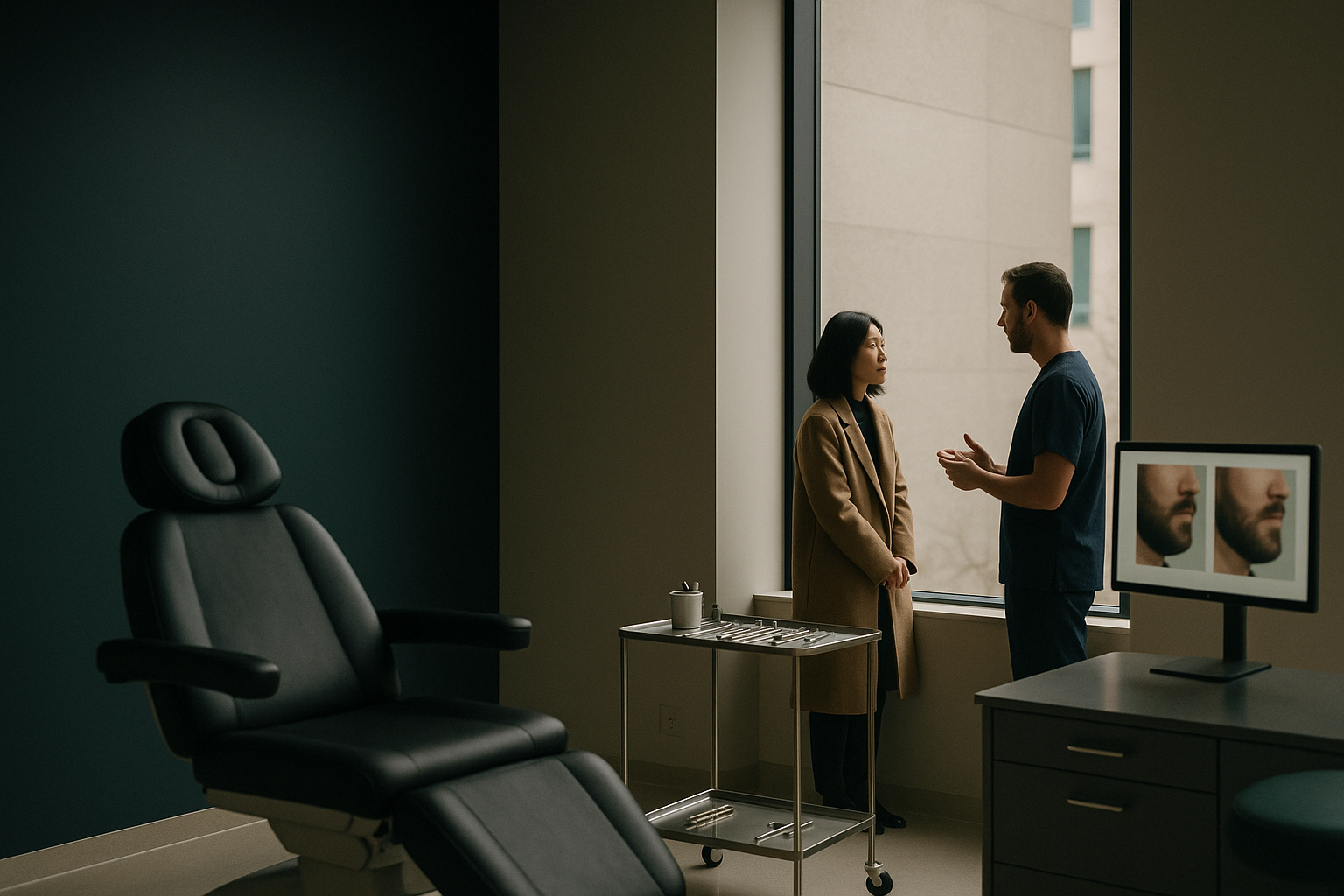
Understanding what to expect before and after beard implants is crucial in preparing for the procedure. Before surgery, patients undergo a detailed consultation to assess their needs and design a tailored treatment plan. This plan includes determining the number of grafts needed, the desired density and shape of the beard, and discussing any concerns the patient may have. Surgeons often use computer imaging to provide a visual representation of potential outcomes, helping patients set realistic expectations.
Post-surgery, patients can expect some redness and swelling, which typically resolves within a few days. The transplanted hair will initially shed within the first few weeks, a natural process known as “shock loss,” but new growth will begin within a few months. By the 6-12 month mark, the new beard should have matured, showing a fuller, more defined appearance. Patients are usually advised to avoid strenuous activities and exposure to direct sunlight for the first few weeks to facilitate healing.
Proper post-operative care is essential for optimal results. Patients should follow the surgeon’s aftercare instructions, which may include gentle washing techniques, moisturizing, and avoiding certain grooming products. Regular follow-up visits are crucial to monitor progress and address any concerns. Understanding the timeline and process of recovery helps manage expectations and encourages adherence to aftercare protocols, ultimately enhancing the overall success and satisfaction of the beard implant procedure.
Safety and Accreditation in Beard Transplants
Safety is a priority in any surgical procedure. Accredited clinics ensure that high standards of hygiene and patient care are met. When considering a beard transplant, verify that the clinic is certified by relevant health authorities. Accreditation from organizations such as the International Society of Hair Restoration Surgery (ISHRS) or the Joint Commission International (JCI) can provide assurance of the clinic’s commitment to quality and patient safety.
Choosing a clinic with international accreditation and experienced surgeons reduces the risk of complications and ensures a smoother recovery. Clinics that adhere to stringent safety protocols generally have lower infection rates and higher patient satisfaction. Prospective patients should inquire about the clinic’s sterilization procedures, emergency protocols, and the availability of aftercare services. These factors are crucial in minimizing risks and ensuring a successful surgical outcome.
Patient testimonials and before-and-after photos can also provide insight into the clinic’s track record. Engaging with past patients through forums or social media can offer real-world perspectives on the clinic’s service quality and the surgeon’s expertise. This information is invaluable in making an informed decision and helps prospective patients feel more confident about their choice of clinic and surgeon. In addition to researching online, scheduling a preliminary consultation can provide firsthand experience of the clinic’s environment and the professionalism of its staff.
Beard to Scalp Hair Transplant: A Viable Option?
For those seeking hair restoration solutions, a beard to scalp hair transplant is an option. This involves using beard hair as a donor site for scalp transplants, providing an alternative for individuals with limited scalp donor hair. The procedure can be particularly beneficial for patients suffering from androgenetic alopecia, where scalp hair follicles are miniaturized but beard follicles remain robust.
This procedure is more specialised and requires a thorough assessment by a qualified surgeon to determine suitability. The characteristics of beard hair, such as coarseness and curl, differ from scalp hair, which necessitates careful consideration of texture and growth patterns for optimal results. Surgeons must evaluate if the beard hair will blend naturally with the existing scalp hair and meet the patient’s aesthetic goals.
Patients considering this option should discuss the potential for different hair textures and densities post-transplant with their surgeon. As beard hair is typically thicker and grows at a different angle than scalp hair, strategic placement is key to achieving a natural look. The procedure involves meticulous planning and a high level of surgical skill, emphasizing the importance of choosing an experienced hair restoration specialist. Understanding these nuances helps patients make informed decisions and set realistic expectations about the outcomes of a beard to scalp hair transplant.
Conclusion: Making an Informed Decision
Beard hair grafts offer a promising solution for individuals seeking fuller facial hair. By understanding the procedure, costs, and expected outcomes, you can make a well-informed decision about pursuing a beard transplant. The nuances of the procedure, such as the technology used and the surgeon’s expertise, play a critical role in ensuring successful results.
Remember to consult with accredited clinics, consider the surgeon’s expertise, and weigh global options to ensure the best possible results. Taking the time to thoroughly research and understand all aspects of the procedure can significantly enhance your satisfaction and overall experience. This involves not only comparing costs but also evaluating the quality and safety standards of the clinics under consideration, ensuring that your beard transplant journey is a positive one.
Proven result
20 to 200 hair-transplant patients a month from Australia
Aesthetic surgery group
Frequently asked questions
How much is a beard transplant in Turkey?
A beard transplant in Turkey typically costs between $1,500 and $3,000, depending on the number of grafts and clinic location.
What factors affect beard transplant prices?
Factors include the number of grafts, clinic’s location, surgeon’s expertise, and whether additional services like travel and accommodations are included.
What should I expect before and after a beard transplant?
Before surgery, expect a detailed consultation. Afterwards, expect some redness and shedding, with new growth appearing in a few months.
Are beard implants safe?
Yes, when performed in accredited clinics by experienced surgeons, beard implants are safe. Verify the clinic’s credentials and patient reviews.
Related guides

How Overseas Surgery Insurance Really Works
A lower treatment quote can quickly lose its advantage if an unexpected complication extends your stay, requires emergency…

Analyzing the Medical Tourism Market: Current Trends
Quick answerThe medical tourism market is growing due to factors like cost-effective treatments, advanced medical technologies, and international…

Best Country for Cancer Treatment: Top Countries for Advanced Cancer Treatment Options
Quick answerCountries like the USA, Germany, and Japan offer some of the best cancer treatment in the world,…