
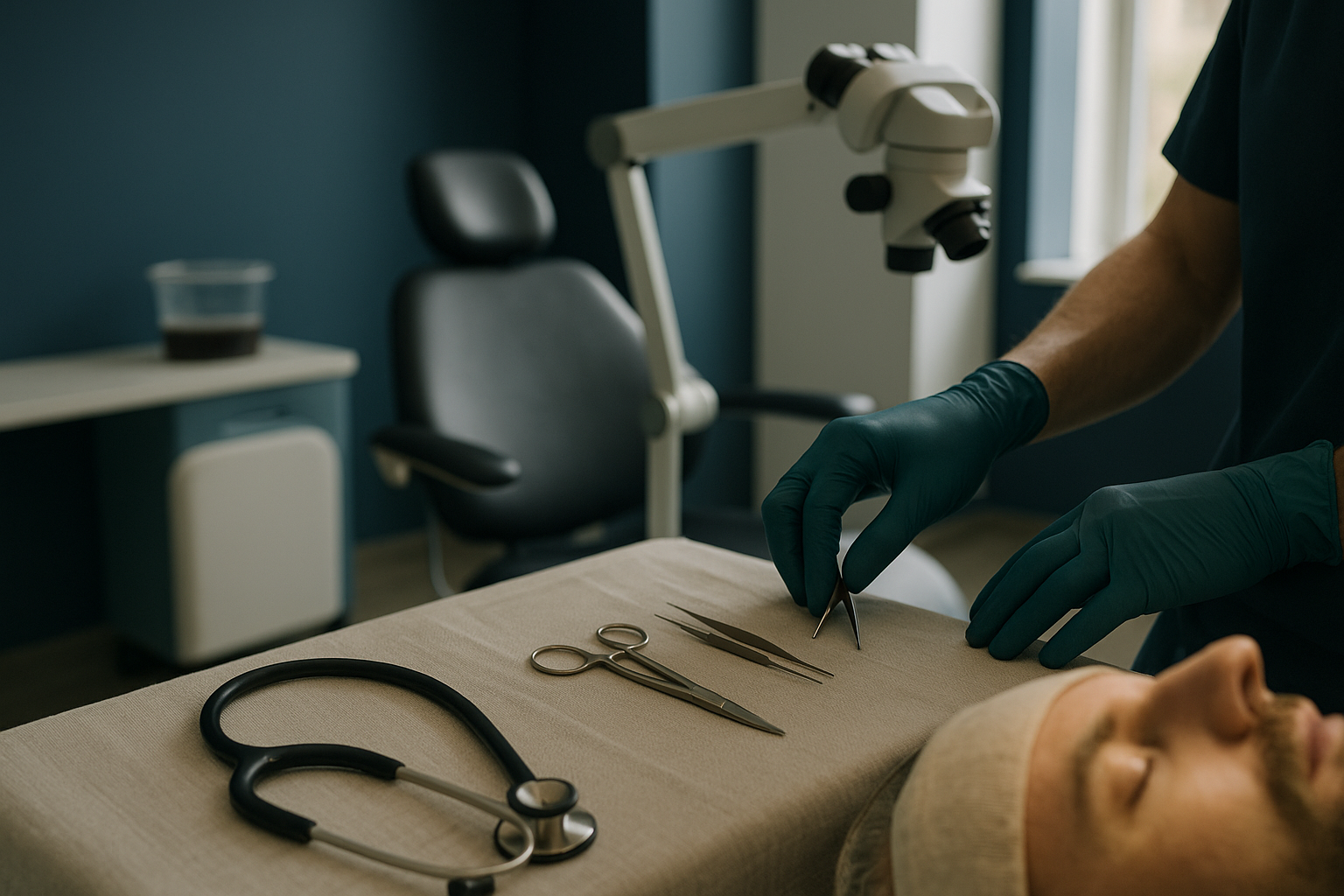
A beard to scalp hair transplant is an innovative solution for individuals seeking to restore hair density using beard hair grafts. This procedure offers unique benefits due to the thicker and denser nature of beard hair, making it a viable option for those with scalp hair loss.
What is a Beard to Scalp Hair Transplant?
A beard to scalp hair transplant involves harvesting hair follicles from the beard area and transplanting them to the scalp. This procedure is particularly beneficial for individuals who have insufficient donor hair on their scalp. The thicker nature of beard hair can provide a more natural and fuller look when transplanted. For those who have experienced hair thinning or bald spots due to genetics, beard hair offers a robust alternative. This is because beard hair, especially from the chin and jawline, tends to be thicker and curlier, providing excellent coverage and volume.
The procedure typically involves extracting follicular units from the beard using a method known as Follicular Unit Extraction (FUE). This technique is minimally invasive and allows for precise removal of individual hair follicles. Surgeons use specialized instruments to harvest these follicles, ensuring minimal damage to the surrounding tissue and reducing the risk of visible scarring. Once harvested, the follicles are preserved in a special solution until they can be implanted into the desired areas of the scalp.
Beard to scalp transplants are ideal for individuals who have experienced hair loss due to genetics, age, or other factors and wish to utilize their beard hair as an alternative donor source. It is crucial for candidates to have a sufficient density of beard hair to achieve optimal results. The procedure can be customized to match the individual’s natural hair growth patterns, providing a seamless blend with existing scalp hair. This allows for a tailored approach, enhancing the overall aesthetic outcome post-transplantation. For instance, if a patient has curly hair on the scalp, using beard hair with a similar texture can ensure a harmonious look.
How Much Does a Beard to Scalp Hair Transplant Cost?
The cost of a beard to scalp hair transplant can vary significantly based on the location, clinic reputation, and the extent of hair loss. In Turkey, a popular destination for hair transplants, prices typically range from $1,500 to $3,500. This is considerably lower than in many Western countries, where costs can exceed $10,000. The affordability in Turkey is attributed to lower operational costs and a highly competitive market, which drives prices down without compromising on quality.
Several factors influence the cost, including the number of beard hair grafts required and the complexity of the procedure. Clinics may charge per graft, with prices ranging from $0.50 to $3.00 each, depending on the experience of the surgeon and the clinic’s technology. For extensive hair restoration, requiring thousands of grafts, patients must budget accordingly. It’s wise to request a detailed cost breakdown during initial consultations to understand what is included, such as pre-operative tests, the procedure itself, and any aftercare services.
It’s important to consider not only the price but also the qualifications of the medical team and the clinic’s accreditation. Opting for a reputable facility ensures safety and optimal results. Patients should seek clinics with board-certified surgeons and a history of successful outcomes. While cost is a significant factor, the expertise of the surgical team and the clinic’s track record in beard to scalp hair transplants are paramount for achieving the desired aesthetic results. Additionally, some clinics offer financing options or packages that can make the procedure more accessible to a wider range of patients.
What to Expect Before and After the Procedure
Before undergoing a beard to scalp hair transplant, patients should expect a thorough consultation with a qualified specialist. During this session, the doctor will assess the patient’s hair loss pattern, donor hair availability, and overall health to determine the suitability of the procedure. Pre-operative assessments may also include blood tests and scalp analysis to rule out any underlying conditions that could affect the success of the transplant.
Post-procedure, patients can expect some redness and swelling in the donor and recipient areas, which typically subsides within a few days. Hair growth from the transplanted follicles usually begins within three to four months, with full results visible after 12 to 18 months. Some patients may experience “shock loss,” a temporary shedding of transplanted hair, but this is a normal part of the hair growth cycle and should not be a cause for alarm.
Following post-operative care instructions and attending follow-up appointments is crucial for achieving the best outcomes. Patients should be aware that the transplanted beard hair may require some initial styling to blend seamlessly with existing scalp hair. Careful grooming and the use of specialized hair products can help in managing any textural differences. Adhering to a healthy lifestyle and diet can also support overall hair health and longevity of the transplant results. For instance, incorporating foods rich in vitamins like biotin and omega-3 fatty acids can enhance hair strength and vitality.
Are Beard Implants Different from Scalp Hair Transplants?
Beard implants and scalp hair transplants share similarities in technique but differ in application. Beard implants specifically enhance facial hair density, whereas beard to scalp transplants use facial hair to augment scalp hair. The choice between these procedures depends largely on the patient’s aesthetic goals and specific areas of concern regarding hair loss.
Both procedures utilize the FUE method for harvesting hair follicles but differ in their end goals. FUE allows for precise extraction and placement of hair follicles, minimizing trauma to the skin and ensuring a natural appearance. Some patients opt for both procedures to address hair loss comprehensively, enhancing both facial and scalp hair volumes. This dual approach can offer a balanced appearance, particularly for those seeking to improve hair density across both areas.
Understanding the distinctions between these procedures can help patients make informed decisions based on their aesthetic goals and hair restoration needs. Consulting with a specialist who has experience in both beard and scalp transplants can provide valuable insights and help tailor the procedure to best meet the individual’s expectations. This ensures that the chosen method aligns well with the patient’s desired outcomes and lifestyle preferences. Furthermore, a detailed discussion about the potential outcomes and any limitations of each procedure can help set realistic expectations.
How Safe is the Procedure?
Safety is a paramount concern in any surgical procedure. Beard to scalp hair transplants are generally safe when performed by experienced professionals. The FUE technique minimizes scarring and recovery time, contributing to a safer procedure overall. The minimally invasive nature reduces the risk of complications such as infection and excessive bleeding, which are more common in traditional hair transplant methods.
Choosing a clinic with high standards of hygiene and accreditation from international health organizations can further enhance safety. Patients should inquire about the clinic’s experience with beard to scalp transplants and request to see before and after images of previous patients. This can provide reassurance of the clinic’s capability and help set realistic expectations for the results.
Adhering to pre- and post-operative guidelines provided by the surgeon is essential to mitigate risks and ensure successful outcomes. Patients should avoid smoking and alcohol consumption in the weeks leading up to and following the procedure, as these can impair healing. Proper hydration, a balanced diet, and stress management techniques can also support the body’s natural healing processes, promoting better recovery and hair growth post-transplant. Additionally, using medically approved shampoos and conditioners can help maintain the health of both donor and recipient areas.
Why Choose Turkey for a Beard Transplant?
Turkey is a leading destination for hair transplants due to its combination of skilled surgeons, affordable prices, and modern facilities. The country’s strategic position between Europe and Asia makes it accessible to international patients seeking quality hair restoration services. Istanbul, for instance, is home to numerous clinics renowned for their expertise in beard to scalp hair transplants, attracting patients from around the globe.
Clinics in Turkey often offer comprehensive packages that include accommodation, transfers, and post-operative care, providing added convenience for medical tourists. This all-inclusive approach not only simplifies logistics but also ensures that patients receive continuous care throughout their stay. The competitive pricing in Turkey allows patients to achieve desired outcomes without the prohibitive costs found in other countries, making it a cost-effective choice for those seeking extensive hair restoration.
Before selecting a clinic, patients should research its credentials, read reviews, and verify the qualifications of the surgical team to ensure a positive experience. Engaging with past patients or joining online forums can provide additional insights and help in making an informed decision. By thoroughly investigating options, patients can find the ideal clinic that aligns with their expectations for quality, safety, and affordability. It’s also beneficial to consider language support services offered by the clinic, which can improve communication and overall satisfaction.
Conclusion
Opting for a beard to scalp hair transplant can provide a natural solution to hair loss by utilizing the unique properties of beard hair. With affordable options available in Turkey and a range of clinics to choose from, patients can achieve their desired look and regain confidence. The thicker texture of beard hair allows for a fuller, more natural appearance, especially beneficial for those with significant scalp hair loss.
Prospective patients should conduct thorough research, consult with experts, and carefully consider all aspects of the procedure to make an informed decision that aligns with their personal goals. Evaluating factors such as the surgeon’s experience, clinic accreditation, and patient reviews can guide individuals toward the best possible outcome. Ultimately, a beard to scalp hair transplant offers a promising avenue for those seeking to enhance their appearance and restore their hair with innovative techniques. The journey from beard to scalp hair transplant before and after can be transformative, offering not just a renewed hairline but also a boost in self-esteem and overall satisfaction.
Proven result
20 to 200 hair-transplant patients a month from Australia
Aesthetic surgery group
Frequently asked questions
How much is a beard transplant in Turkey?
The cost of a beard transplant in Turkey typically ranges from $1,500 to $3,500, depending on factors such as clinic reputation and procedure complexity.
How does a beard to scalp hair transplant work?
This procedure involves extracting hair follicles from the beard area and transplanting them to the scalp, using the FUE technique for minimal invasiveness.
What are the benefits of using beard hair for transplantation?
Beard hair is thicker and denser, providing a fuller appearance on the scalp, especially beneficial for those with limited scalp donor hair.
What should I expect after the transplant?
Post-procedure, expect temporary redness and swelling, with hair growth beginning in 3-4 months and full results visible after 12-18 months.
Related guides

Digital Marketing for Clinics That Drives Demand
A clinic can have exceptional physicians, advanced technology, and competitive pricing, yet still lose prospective patients before the…

How Overseas Surgery Insurance Really Works
A lower treatment quote can quickly lose its advantage if an unexpected complication extends your stay, requires emergency…

Analyzing the Medical Tourism Market: Current Trends
Quick answerThe medical tourism market is growing due to factors like cost-effective treatments, advanced medical technologies, and international…