
Considering a beard transplant in Turkey can be an appealing option for those looking to enhance facial hair density. With its affordable pricing and expert medical professionals, Turkey has become a leading destination for this cosmetic procedure. This comprehensive guide will provide you with essential information on estimating the cost of beard transplants in Turkey, ensuring you make an informed decision.
What Determines the Cost of a Beard Transplant in Turkey?
The cost of a beard transplant in Turkey is influenced by several factors. Firstly, the reputation and experience of the clinic and surgeon play a significant role; well-established clinics with experienced surgeons may charge higher fees. This is often due to their history of successful procedures and the demand for their services. An experienced surgeon can also offer personalized techniques that might improve the outcome of the transplant, justifying the higher cost. In Turkey, clinics often have surgeons with international training, which can further influence pricing. A clinic with a high success rate and positive reviews will likely command higher prices, reflecting the quality and reliability of its services.
Secondly, the extent of the transplant, specifically the number of beard hair grafts required, directly impacts the total price. Typically, a transplant can require anywhere from 500 to 3,000 grafts, depending on the patient’s desired beard density and the current state of facial hair. Each graft may cost between $1 to $3, adding to the overall expense. Patients should have a clear understanding of how many grafts they need, which will be determined during a consultation with the surgeon. For instance, a patient looking to fill patchy areas might need fewer grafts compared to someone seeking a full beard reconstruction.
Furthermore, clinic location within Turkey can also affect costs, as clinics in major urban centres like Istanbul or Ankara might have higher prices due to increased demand and operating expenses. These cities are popular medical tourism hubs, which means they attract a large number of international patients. Conversely, clinics in smaller towns may offer lower prices but may not have the same level of amenities or accessibility. Lastly, additional services such as post-operative care, accommodation, and transportation can add to the overall cost. Many clinics offer packages that include these extras, which can be convenient for international patients. For example, a complete package might include a three-night hotel stay, airport transfers, and a post-operation check-up.
How Much Does a Beard Transplant Cost in Turkey?
On average, the beard transplant price in Turkey ranges from $2,000 to $7,000. This wide range reflects the variability in factors mentioned earlier, such as surgeon expertise and clinic amenities. It is crucial for patients to understand that while this range might seem broad, it provides flexibility for individuals with different budgets and requirements. For instance, a basic procedure with minimal grafts in a lesser-known clinic might cost closer to the lower end of the spectrum, whereas extensive work in a top-tier facility could approach or exceed the higher end. Additionally, patients should consider the potential costs of travel and accommodation when calculating the total expense.
Patients should thoroughly research and compare options to identify a clinic that provides a balance of quality and affordability. This involves looking into the credentials of the surgeons, the success rates of the clinics, and the testimonials from previous patients. Websites, forums, and healthcare tourism agencies can be valuable resources in gathering this information. Additionally, some clinics might offer financing options to help spread the cost over time, making it more manageable for patients. For example, a payment plan might allow patients to pay over 6 to 12 months, reducing the initial financial burden.
It’s crucial to note that while price is important, the success and safety of the procedure should be the primary considerations. Patients are advised to seek clinics that adhere to international safety and hygiene standards. Accrediting bodies such as the International Society of Hair Restoration Surgery (ISHRS) provide guidelines and certifications that can help gauge the credibility of a facility. Ultimately, investing in a reputable clinic is an investment in achieving satisfactory results and ensuring the procedure is conducted safely. The long-term satisfaction with the procedure often outweighs the initial savings from choosing a less expensive, potentially lower-quality option.
Why Choose Turkey for a Beard Transplant?
Turkey’s popularity as a destination for beard implants is due to its competitive pricing and the high quality of medical care. The country is renowned for its skilled cosmetic surgeons who are adept in the latest hair transplantation techniques. For example, many Turkish surgeons are proficient in Follicular Unit Extraction (FUE), a technique known for its minimally invasive nature and natural-looking results. This expertise, combined with the cost-effective nature of the procedures, makes Turkey a prime choice for many seeking this cosmetic enhancement. Patients often report high satisfaction rates, citing both the professionalism of the medical staff and the impressive aesthetic outcomes.
Additionally, Turkey’s strategic location makes it an accessible choice for international patients. With major airports in cities like Istanbul offering direct flights from many parts of Europe, the Middle East, and Asia, patients can easily travel for their procedures. This ease of access, coupled with the country’s rich cultural offerings, means that patients often combine their medical trips with tourism, exploring historical sites and enjoying Turkish hospitality. The country’s vibrant cities and scenic landscapes provide an enriching experience beyond the medical procedure itself, making it a holistic travel destination.
Furthermore, the cost of living in Turkey is relatively low compared to Western countries, allowing clinics to offer competitive prices without compromising on quality. This economic advantage is passed on to the patients, who benefit from high-standard medical care at a fraction of the cost they might incur in places like the United States or the United Kingdom. This combination of affordability and expertise attracts numerous medical tourists each year, making Turkey a leader in the field of medical tourism. Clinics often leverage this advantage by offering all-inclusive packages that cater specifically to international clients, ensuring a seamless and supportive experience from arrival to departure.
What to Expect Before and After the Procedure
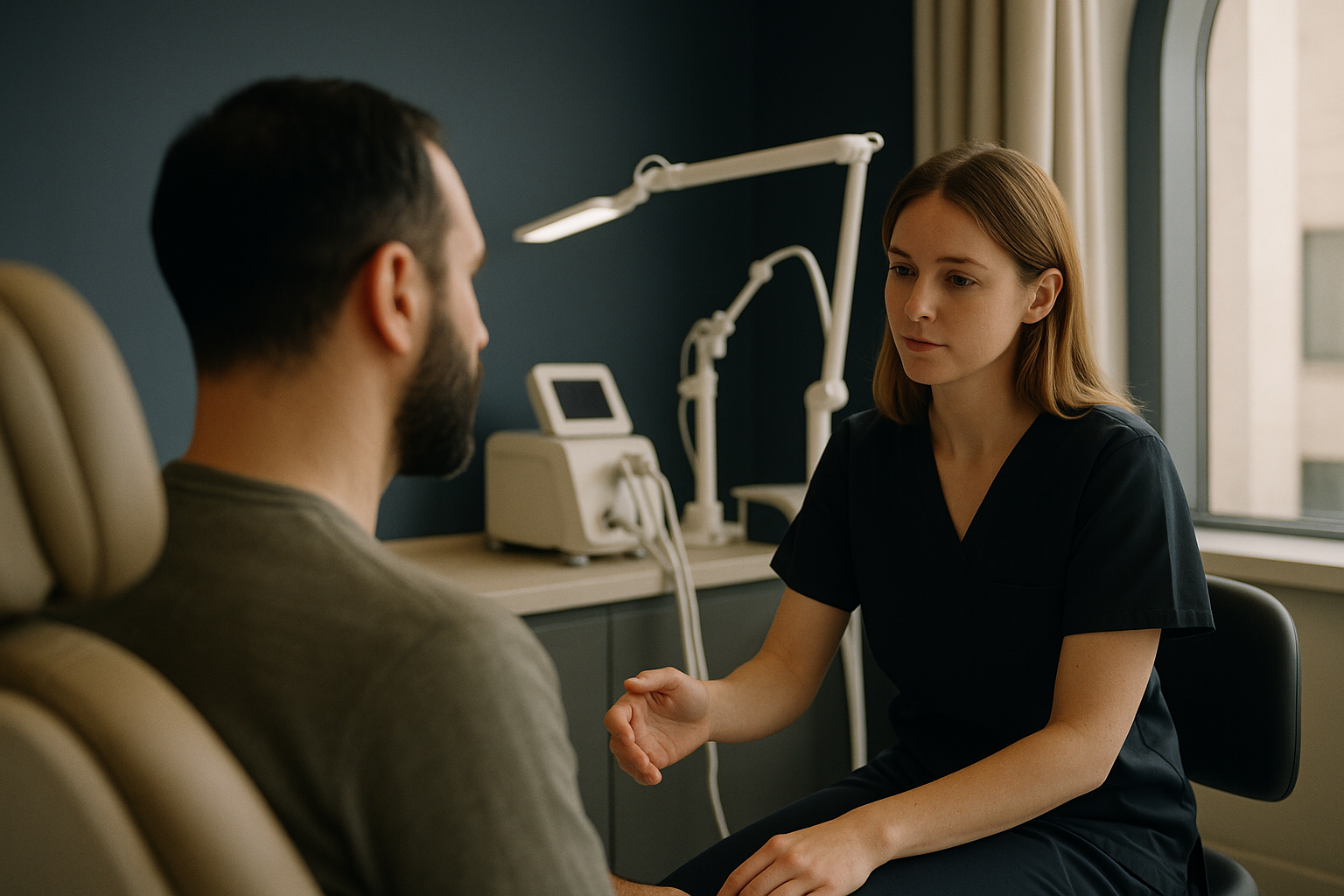
Before a beard transplant, patients will undergo a thorough consultation with their chosen surgeon to discuss desired outcomes and assess suitability. During this session, the surgeon will evaluate the patient’s facial structure, existing hair pattern, and overall health to determine the best approach. The surgeon will explain the procedure, including the extraction of hair follicles and their implantation into the beard area. Patients are encouraged to ask questions and express any concerns to ensure they are fully informed and comfortable with the upcoming surgery. This preliminary stage is crucial for setting realistic expectations and establishing a trusting relationship between the patient and medical team.
Preparation for the procedure may involve avoiding certain medications and substances that can affect healing, such as blood thinners and alcohol. Patients might also be advised to quit smoking, as tobacco can impede recovery and affect the quality of the grafts. Understanding these preoperative instructions is crucial for optimizing the transplant’s success. The surgeon might also recommend specific hair care products or routines to enhance the condition of the donor area, ensuring the best possible results post-transplant.
Post-surgery, patients may experience mild swelling and discomfort, which typically subsides within a few days. It is common for small scabs to form around each graft, which will naturally fall off within a week. Patients will be provided with specific aftercare instructions to promote healing and minimize the risk of infection. They can expect to see initial results within a few months, as the transplanted hairs begin to grow, with full results evident after about 9-12 months. Comparing beard implants before and after photos can offer realistic expectations, helping patients visualize potential outcomes and track their progress over time. Adhering to follow-up appointments and the guidance of the medical team is essential to achieving the best outcome.
Is a Beard Transplant in Turkey Safe?
Beard transplants in Turkey are generally safe when performed in clinics that adhere to international standards of care. Safety is a top priority in reputable facilities, where procedures are carried out using state-of-the-art equipment and sterile techniques. The Turkish government has also implemented strict regulations to ensure clinics maintain high standards, providing patients with peace of mind when selecting a clinic. Many clinics in Turkey are accredited by international bodies, which further reinforces their commitment to maintaining high-quality standards in medical care.
Patients should verify the accreditation of their chosen clinic and ensure that the medical professionals are licensed and experienced in performing beard transplants. This can often be done by checking with international accreditation bodies or looking for reviews and ratings on medical tourism websites. A personal consultation with the surgeon can also provide insight into their expertise and approach to patient care. Understanding the credentials and background of the surgical team is crucial for building confidence in the safety and efficacy of the procedure.
Reading reviews and seeking testimonials from previous patients can provide additional assurance of the clinic’s reliability and the surgeon’s competence. Many clinics proudly display their success stories and patient testimonials, providing newcomers with a glimpse into the journey and satisfaction of past clients. Turkey hosts numerous accredited facilities that have earned recognition for their safety protocols and successful outcomes, making it a trusted destination for those considering a beard transplant. Engaging with community forums or online groups dedicated to hair restoration can also offer valuable insights and personal experiences from others who have undergone similar procedures.
Comparing Beard Transplants and Beard to Scalp Hair Transplants
While beard transplants focus on enhancing facial hair, some individuals opt for beard to scalp hair transplant procedures to address scalp hair loss. This latter procedure involves using beard hair to supplement scalp hair, often due to its thicker and coarser nature. The techniques used are similar, involving the transplantation of hair grafts, but the areas treated and patient goals differ. The choice between these procedures largely depends on the desired outcome and the unique characteristics of the patient’s hair.
Both procedures require careful planning and execution by skilled professionals. The choice between the two often depends on the patient’s specific needs and the characteristics of their hair. Beard hair, for instance, might be a preferred choice for individuals with curly or coarse scalp hair who need a match in texture. Conversely, traditional scalp hair grafts might be more suitable for creating a softer hairline. Patients should consider these factors when consulting with their surgeon to ensure the most natural and satisfying results.
Patients considering either option should consult with their surgeon to understand the potential results and recovery timelines. A comprehensive evaluation will help determine the most suitable donor area and the number of grafts required. A comparison of beard to scalp hair transplant before and after photos can also aid in decision-making, providing a visual reference for what can be achieved with each method. Understanding the long-term implications and maintenance of each type of transplant is also important for making an informed choice.
Conclusion
For those considering a beard transplant, Turkey offers a compelling combination of affordability and expertise. By understanding the factors that influence costs and setting realistic expectations, prospective patients can make informed decisions about pursuing this cosmetic procedure. Ensuring the selection of a reputable clinic is paramount to achieving satisfactory results and a safe experience. With proper research and preparation, patients can look forward to enhancing their appearance with confidence and peace of mind.
Proven result
20 to 200 hair-transplant patients a month from Australia
Aesthetic surgery group
Frequently asked questions
How much is a beard transplant in Turkey?
The cost typically ranges from $2,000 to $7,000, depending on factors such as clinic reputation and the number of grafts needed.
Are beard transplants in Turkey safe?
Yes, provided you choose a clinic that follows international safety standards and employs experienced medical professionals.
What should I expect after a beard transplant?
Expect mild swelling post-surgery, with initial results visible within a few months and full results after 9-12 months.
Why is Turkey a popular destination for beard transplants?
Turkey offers competitive pricing, skilled surgeons, and high-quality care, making it a preferred choice for international patients.
How do beard implants compare to beard to scalp hair transplants?
Both involve hair grafts but focus on different areas and outcomes. Consult with a surgeon to determine the best option for your needs.
Related guides

Digital Marketing for Clinics That Drives Demand
A clinic can have exceptional physicians, advanced technology, and competitive pricing, yet still lose prospective patients before the…

How Overseas Surgery Insurance Really Works
A lower treatment quote can quickly lose its advantage if an unexpected complication extends your stay, requires emergency…

Analyzing the Medical Tourism Market: Current Trends
Quick answerThe medical tourism market is growing due to factors like cost-effective treatments, advanced medical technologies, and international…