
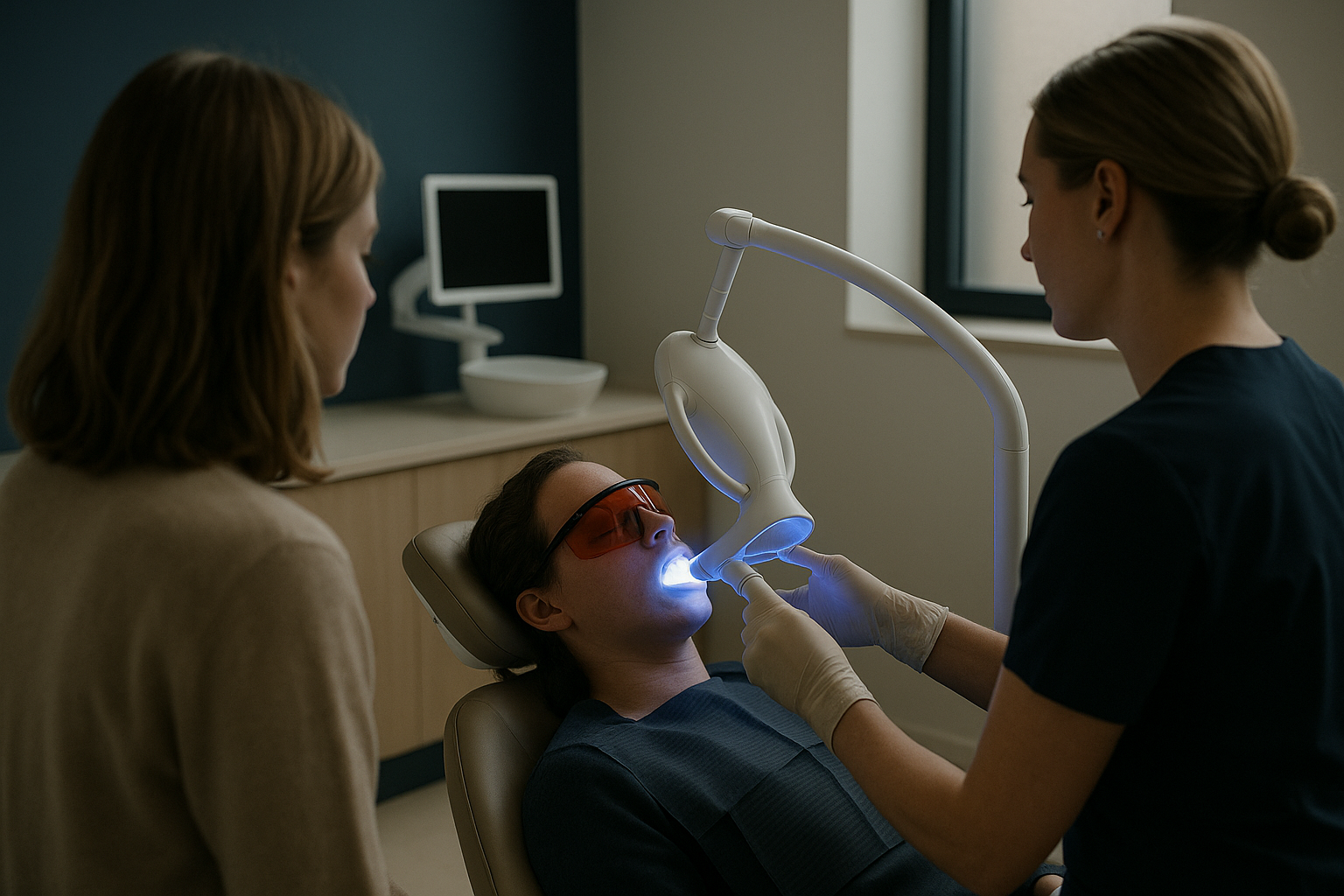
When considering dentist teeth whitening, understanding the before and after outcomes is crucial. This treatment aims to enhance your smile by removing stains and discolouration, offering a brighter, more confident appearance. However, results can vary widely based on several factors, including the initial condition of your teeth and the specific whitening method used.
What to Expect Before Dentist Teeth Whitening?
Before undergoing teeth whitening, a comprehensive dental examination is essential. This step ensures your teeth and gums are healthy enough for the procedure, identifying any potential issues that might affect the outcome or safety. Your dentist will assess your oral hygiene, existing dental work, and any sensitivity issues that could influence the treatment plan. For instance, any untreated cavities or gum disease may need addressing before proceeding with whitening to prevent irritation or discomfort.
Pre-treatment consultations typically involve discussing your desired shade and reviewing past dental treatments. It’s essential to have realistic expectations, as the level of whitening achievable depends on factors such as the natural colour of your teeth and the type of staining present. Intrinsic stains, which are deep within the tooth, may require more intensive treatment than extrinsic stains found on the surface. Your dentist might use shade guides to set a baseline and a target shade, helping you visualize potential outcomes and set realistic goals.
Additionally, lifestyle habits such as smoking or frequent consumption of staining foods and beverages might impact both the initial results and the longevity of the whitening effect. During this phase, your dentist might recommend a thorough cleaning to remove plaque and surface stains, optimising the effectiveness of the whitening process. This cleaning can also help in identifying areas that might need special attention during the whitening process, ensuring an even application and result.
How Does the Teeth Whitening Procedure Work?
The teeth whitening procedure typically involves applying a bleaching agent to the teeth, which is activated by a special light or laser. This process breaks down stains, making teeth appear whiter and brighter. There are various methods available, including in-office treatments and take-home kits provided by your dentist. In-office treatments are particularly effective for those looking for immediate results, as they can noticeably brighten teeth in a single session.
In-office treatments are known for their swift results, often completed within a single visit. The bleaching agent used is usually stronger than those found in over-the-counter products, offering more dramatic changes. The procedure begins with protecting the gums with a rubber shield or gel, followed by the application of the whitening solution. The entire process is typically completed in about 60 to 90 minutes, during which the patient can relax while the whitening solution works.
Take-home kits require a more extended treatment period but offer the convenience of at-home use. These kits involve custom-fitted trays and a lower concentration of bleaching agent, allowing gradual whitening over several weeks. Your dentist will guide you on how to use these kits effectively and safely. Typically, you will need to wear the trays for a specified period each day, usually ranging from 30 minutes to a few hours, depending on the product’s strength.
What Are the Costs and Timelines for Teeth Whitening?
The cost of dentist teeth whitening varies significantly depending on the geographical location, the dental clinic’s reputation, and the method chosen. On average, in-office whitening can range from $300 to $1,000, while take-home kits generally cost less, often between $100 and $400. Factors such as the dentist’s expertise, the type of technology used, and any additional treatments can influence these prices. For instance, using advanced laser technology might incur additional costs.
Timelines also differ based on the procedure type. In-office treatments typically take 60 to 90 minutes, with immediate visible results. In contrast, take-home kits require consistent application over two to four weeks to achieve desired results. It’s crucial to factor in follow-up appointments, which may be necessary to monitor progress and maintain the whitening effects. Such follow-ups can help address any sensitivity issues and adjust treatment plans if necessary.
Insurance coverage for cosmetic treatments like teeth whitening is uncommon, so it’s advisable to confirm costs beforehand and explore any available financing options if needed. Understanding these financial aspects can help in planning and budgeting for the procedure. Some dental offices offer financing plans or discounts for package deals, which can make the process more affordable.
Are There Any Risks or Side Effects?
While dentist teeth whitening is generally safe, some individuals may experience temporary side effects. The most common is tooth sensitivity, which can occur during or after the procedure. This sensitivity is usually mild and subsides within a few days, but your dentist can provide desensitising products if needed. These might include special toothpaste or gels designed to reduce sensitivity and soothe the gums.
Gum irritation is another potential side effect, often resulting from contact with the bleaching agent. Proper application and protective measures during treatment minimise this risk. It’s important to follow your dentist’s instructions precisely to avoid any complications. Wearing the trays for longer than recommended can exacerbate irritation, so adhering to the prescribed duration is crucial.
In rare cases, overuse of whitening products can damage the enamel or lead to uneven results. This emphasises the importance of professional guidance and adhering to recommended usage guidelines, ensuring safety and effectiveness. Your dentist can monitor the process and make adjustments as needed, preventing any potential damage to your teeth.
How Long Do the Results Last?
The longevity of teeth whitening results varies based on individual habits and oral care routines. On average, the effects can last from several months to up to three years. Maintaining good oral hygiene and avoiding staining substances prolongs the whitening results. Regular brushing and flossing are essential to keep your teeth free from plaque, which can harbour stains.
Regular dental check-ups and cleanings help sustain the brightness of your teeth. Your dentist might suggest periodic touch-up treatments to maintain the desired shade, especially if you consume items like coffee, tea, or red wine frequently. These touch-ups are usually less intensive than the initial treatment and help keep the colour consistent.
Additionally, using a whitening toothpaste can aid in maintaining results by removing surface stains. However, it’s essential to use these products as directed to prevent any potential harm to your teeth and gums. Overuse can lead to increased sensitivity or even damage to the enamel, so moderation is key.
How to Choose the Right Whitening Method?
Choosing the right teeth whitening method depends on your specific needs and lifestyle. If you seek quick results and have a flexible budget, in-office treatments offer the most efficient option. These procedures provide immediate, noticeable changes in tooth colour. However, they might not be suitable for everyone, especially those with a history of sensitivity or specific dental work that could be affected by strong bleaching agents.
For those who prefer convenience and gradual changes, take-home kits might be more suitable. They allow for treatment at your own pace, fitting into your daily routine with ease. However, they require commitment and consistency to achieve optimal results. It’s important to follow the dentist’s instructions carefully, as improper use can lead to uneven whitening or increased sensitivity.
Consulting with a dentist is crucial to making an informed decision. They can recommend the best approach based on your dental history, the extent of discolouration, and personal preferences, ensuring effective and satisfactory results. Your dentist can also advise on any necessary preparatory treatments or follow-up care to enhance and maintain the results.
Conclusion
Understanding the before and after dentist teeth whitening process is essential for setting realistic expectations and achieving the desired outcome. With various methods available and factors influencing results, consulting with a dental professional ensures safe and effective treatment tailored to your needs. They can provide a comprehensive plan that considers your dental health, lifestyle, and budget.
Whether you opt for in-office procedures or at-home kits, maintaining good oral hygiene and regular dental visits are key to prolonging the whitening effects. By considering costs, timelines, and potential side effects, you can make an informed decision that enhances your smile and boosts your confidence. This proactive approach to dental care ensures that your investment in teeth whitening yields the best possible results over the long term.
Proven result
20 to 200 hair-transplant patients a month from Australia
Aesthetic surgery group
Frequently asked questions
How soon can I see results from dentist teeth whitening?
In-office teeth whitening usually provides immediate results, while take-home kits require consistent use over two to four weeks for noticeable changes.
Is dentist teeth whitening safe for everyone?
Dentist teeth whitening is generally safe for most people. However, a dental examination is crucial to ensure your teeth and gums are healthy enough for the procedure.
How can I maintain my whitening results?
Maintaining good oral hygiene, avoiding staining foods and drinks, and having regular dental check-ups can help sustain your whitening results.
What are the potential side effects of teeth whitening?
Common side effects include temporary tooth sensitivity and gum irritation. These are usually mild and subside shortly after treatment.
Related guides

What Is a Medical Travel Facilitator and Why Use One?
A lower treatment quote can look compelling until you try to compare what it actually includes: surgeon fees,…

What Hospital Accreditation Reviews Really Tell You
A hospital can have polished facilities, prominent surgeons, and hundreds of five-star ratings, yet those signals do not…

International Patient Onboarding Guide for Hospitals
An international patient inquiry is not simply a lead. It is a person weighing a major medical decision…