

Choosing a path for tooth replacement is deeply personal. Many people feel anxious about surgery, but clear information can change fear into confidence.
Since 2002, Bego Implant Systems has been a steady name in implantology, offering solutions that blend solid engineering with patient care.
This short guide explains how a bego implant procedure works, from single-tooth fixes to more complex surgery. It focuses on practical details and real outcomes so readers feel informed and calm.
Expect clear explanations about materials, stability, and how these implants help restore chewing and confidence. The goal is to give you a compassionate, factual companion for your restoration journey.
Key Takeaways
- Learn how modern implantology offers durable, functional replacements.
- Understand procedure steps to reduce anxiety before surgery.
- See how quality materials support long-term outcomes.
- Find whether single-tooth or complex solutions fit your needs.
- Gain confidence through clear, patient-friendly information.
Understanding Bego Implants: The Ultimate Guide to Quality Dental Solutions
Knowing how a reliable implant system works lets patients weigh options with confidence. This section explains key features in plain terms while respecting clinical detail.
Bego Semados RI is engineered for cases where primary stability matters most. It reflects precise German engineering and is built for long-term treatment success.
How it works:
- Acts as an artificial root to support crowns, bridges, or full-arch restorations.
- Integrates with jawbone structure to promote secure osseointegration.
- Offers versatility across single-tooth and full-mouth solutions.
Every component meets strict quality checks so clinicians can plan predictable surgery and follow-up. Use this bego guide when discussing options with your dentist—it helps frame questions about implantology, systems, and tailored treatment.
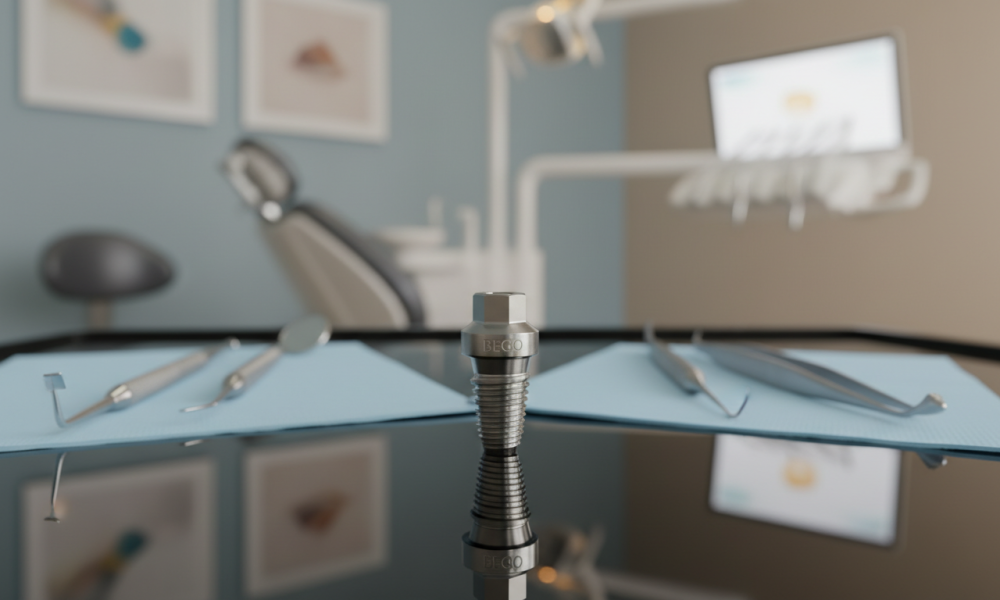
Technical Innovations and Design Advantages
Precision engineering now links material science and digital planning for stronger, longer-lasting restorations.
Material Science and Titanium Quality
Grade 4 commercially pure titanium forms the core of the Semados family. A 0.5 mm machined shoulder and proven alloy offer excellent biocompatibility and long-term durability.
These implants resist functional masticatory loads up to 150 N without micromovement at the connection. That stability supports reliable osseointegration and fewer complications during treatment.
Platform Switch Design
The platform switch design preserves crestal bone and helps soft tissues remain healthy. Internal taper plus hex geometry prevents rotation and adds mechanical security under daily load.
CAD/CAM Integration
Advanced CAD/CAM workflows and tailored software enable precise planning and production of crowns and bridges. Guided surgery and custom fabrication reduce guesswork and speed clinical steps.
| Feature | Benefit | Clinical Impact |
|---|---|---|
| Grade 4 titanium | High biocompatibility | Long-term durability |
| Platform switch design | Crestal bone preservation | Healthier soft tissue |
| Conical internal taper | Enhanced primary stability | Better initial healing |
| CAD/CAM + software | Precise prosthetics | Efficient planning and production |
The Clinical Journey from Consultation to Restoration
From first visit through final crown, each step focuses on comfort, stability, and a natural result.
Osseointegration and Healing Phases
Initial consultation: Care begins with 3D planning software so the clinician can map bone and prosthetic needs. This planning supports guided surgery and precise placement.
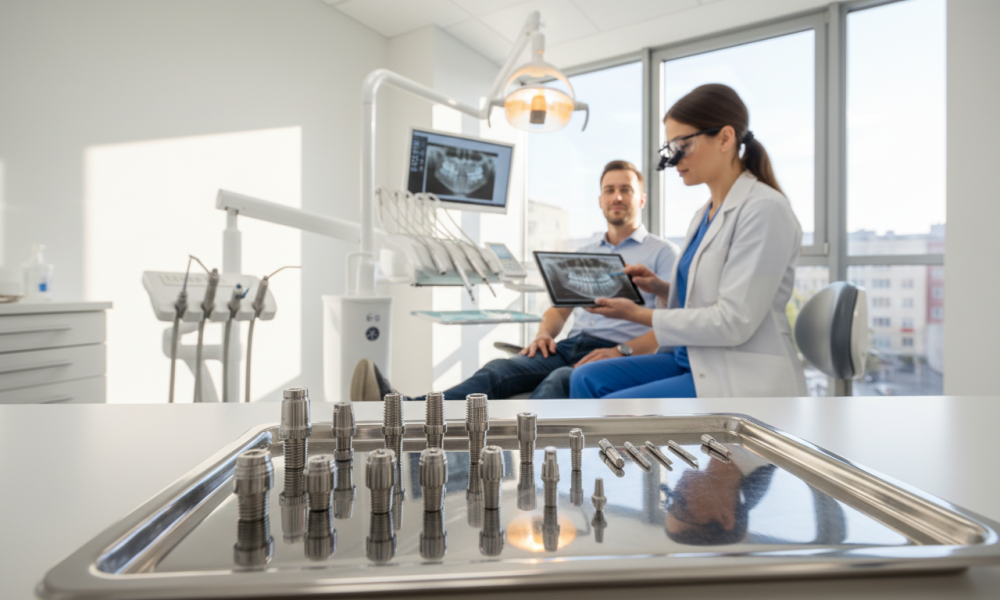
During implant surgery, the Semados RI system is placed into the jaw. Sizes range from 3.75 mm to 5.5 mm in diameter and 8.5 mm to 13 mm in length. This starts osseointegration—the bone fuses to the implant and forms reliable support.
- Healing phase: a period of gentle protection while bone integrates.
- Restoration: once stable, custom crowns, bridges, or dentures are attached.
- CAD/CAM solutions ensure prostheses fit precisely and look natural.
| Stage | Focus | Outcome |
|---|---|---|
| Planning | 3D imaging & software | Accurate guided surgery |
| Surgery | Careful insertion | Primary stability |
| Healing | Osseointegration | Long-term support |
Follow your clinician’s aftercare guide. Proper hygiene and check-ups protect the new prosthesis and help ensure lasting function.
Conclusion
In closing, consider how precise design and proven materials work together to rebuild chewing ability and smiles.
This brief guide shows how modern implant systems blend engineering and care. Patients gain durable support for crowns and bridges with predictable workflows. Treatment uses reliable materials and CAD/CAM production to simplify planning and reduce chair time.
Speak with a qualified clinician about implant surgery, options within the bego implant family, and which system fits your needs. Good aftercare and routine check-ups help maintain results and protect long-term function.
Choosing well means investing in comfort, aesthetics, and lasting support.
FAQ
What are the main components of BEGO implant systems?
BEGO implant systems include the titanium implant body, restorative components such as abutments and crowns, surgical tools, and digital planning software. Materials often feature high-grade titanium and precise prosthetic alloys, while CAD/CAM workflows support crown and bridge production.
How does platform switch design benefit long-term treatment?
Platform switching moves the abutment-implant junction inward, reducing bone loss and preserving soft tissue. This design supports improved esthetics and long-term stability for crowns, bridges, and overdentures.
What is osseointegration and how long does healing typically take?
Osseointegration is the process where bone bonds to the implant surface. Healing varies by patient and site but commonly takes 8–16 weeks. Factors like bone quality, systemic health, and surgical technique influence timing.
Can BEGO systems be used with guided surgery workflows?
Yes. BEGO supports guided surgery through digital planning and compatible surgical guides. This enhances placement accuracy and helps translate virtual plans into precise clinical outcomes.
Are BEGO restorative parts compatible with CAD/CAM production?
Yes. Restorative components are designed for CAD/CAM and conventional production. Technicians can mill or print crowns and bridges using indicated materials and defined interfaces for accurate fit.
What materials are recommended for crowns and bridges on these implants?
Indicated materials include high-strength ceramics, hybrid ceramics, and precious metal alloys for specific situations. Choice depends on esthetics, strength needs, and opposing dentition; technicians follow material guidelines for longevity.
How does the company ensure implant surface quality and safety?
Surface treatments undergo strict quality control and standardized production processes to promote predictable osseointegration. Documentation and technical bulletins outline surface properties and clinical indications.
Can patients with previous bone loss receive these implants?
Many patients with moderate bone loss can still be treated using careful planning, bone grafting when needed, and platform-switch designs to preserve remaining bone. A thorough clinical assessment guides the approach.
What support is available for clinicians during planning and surgery?
Clinicians have access to planning software, surgical guides, technical bulletins, and training materials including instructional videos. Laboratory support and prosthetic components help streamline restorative workflows.
How are double crown or CAM double crown solutions used in implant prosthetics?
Double crown systems (including CAM-fabricated variants) provide removable prostheses with stable retention. They suit edentulous and partially edentulous cases, offering hygiene access and predictable function.
Is there guidance for printing materials and indications for additive manufacturing?
Yes. Technical documentation specifies compatible printing materials, post-processing, and clinical indications. Labs should follow manufacturer instructions to ensure mechanical properties and biocompatibility.
What are common complications and how are they managed?
Common issues include soft tissue inflammation, peri-implant mucositis, and mechanical complications like screw loosening. Early detection, improved hygiene, non-surgical care, and restorative adjustments typically resolve most problems.
How do clinicians choose between conical and internal connection types?
Choice depends on prosthetic needs, primary stability requirements, and preference for micro-movement control. Conical connections often offer enhanced stability and sealing; internal connections may ease component handling.
Where can clinicians find technical bulletins and processing recommendations?
Technical bulletins, processing guides for CAM/CAD workflows, and alloy indications are available through official documentation channels. These resources cover surgical protocols, restoration production, and material properties.
Related guides
How Long Does a Dental Implant Procedure Take?
Curious if the journey to a restored smile will fit your life? Many patients wonder about the full…

Best Hair Transplant in Istanbul,Turkey
Could one clinic end years of worry and restore your confidence with a clear, tailored plan?Dr. Serkan Aygin…

What is Zygomatic Dental Implant?
Could anchoring into the cheekbone restore a confident smile when the upper jaw can’t?Zygomatic dental implants offer an…