
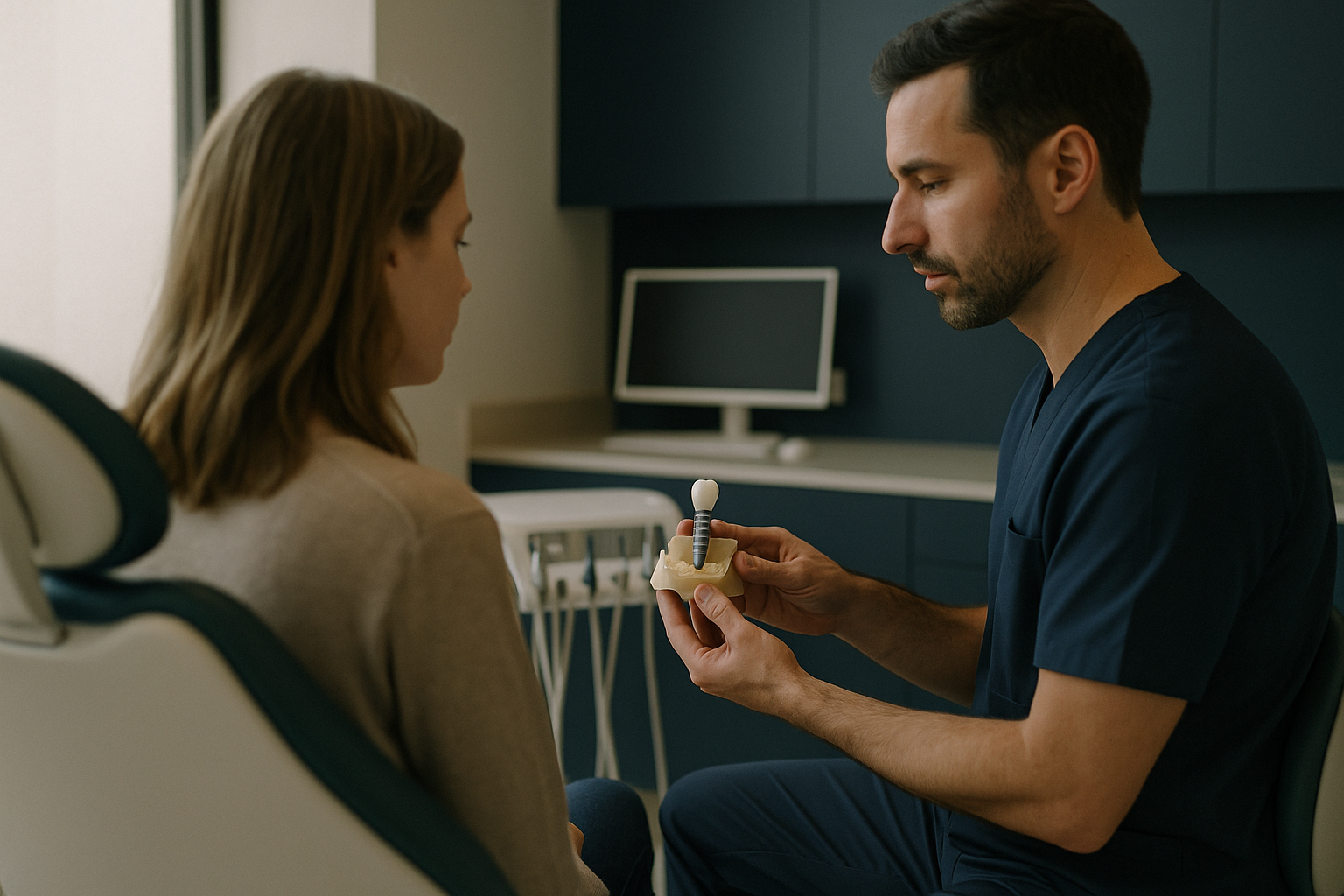
Deciding on the best country to get teeth implants is a significant step for many international patients seeking affordable and high-quality dental care. This guide offers insights into popular destinations, costs, and what to expect when travelling for dental procedures abroad.
What Makes a Country the Best for Teeth Implants?
Choosing the best country for teeth implants involves considering several factors, such as the quality of dental care, cost-effectiveness, and the country’s healthcare infrastructure. Countries with a strong reputation in medical tourism, like Hungary and Mexico, often offer excellent dental services at a fraction of the cost found in Western countries. However, the best choice often depends on individual needs and circumstances. For instance, a patient who prioritizes state-of-the-art technology may lean towards countries with a robust investment in dental innovation, whereas someone seeking a budget-friendly option might prioritize cost over other factors.
It’s also crucial to consider the accreditation of the dental clinics and the qualifications of the practitioners. Look for internationally recognised certifications and endorsements from professional dental organisations. This ensures that the clinic adheres to global standards in dental care. For example, certifications from the International Organization for Standardization (ISO) or the Joint Commission International (JCI) are indicators of a clinic’s commitment to quality and safety. Additionally, practitioners should have credentials from reputable dental schools and affiliations with international dental associations.
Additionally, the ease of travel and language barriers may influence your decision. Countries with well-developed tourism industries, such as Thailand, often provide services in multiple languages, making the experience more comfortable for international patients. Language services might include bilingual staff or translators, which can significantly enhance communication and reduce misunderstandings. Moreover, the country’s political stability, climate, and cultural hospitality can also impact your choice, ensuring a pleasant stay beyond the clinic visits.
Why Hungary and Mexico Stand Out for Dental Implants
Hungary and Mexico are frequently cited as top destinations for dental implants due to their affordability and high standards of care. Hungary, known as the ‘dental capital of Europe,’ offers advanced dental technology and experienced professionals at competitive prices. The country attracts a significant number of patients from Western Europe each year, with dental tourism contributing significantly to its economy. The capital, Budapest, is home to numerous clinics equipped with cutting-edge technology, offering procedures that match or exceed those available in the UK or Germany at significantly lower prices.
Mexico, on the other hand, is a prime choice for North American patients. Its proximity, coupled with lower travel costs and no need for long-haul flights, makes it an attractive option. Cities like Cancun and Tijuana are home to many specialised dental clinics that cater to international patients, ensuring quality care and significant savings. The savings on dental procedures in Mexico can be as much as 50-70% compared to prices in the United States, making it a viable choice for many.
Both countries also offer a range of tourism opportunities, allowing patients to combine their dental visits with leisure activities, enhancing the overall experience. In Hungary, patients can explore historic architecture and relaxing thermal baths, while Mexico offers beautiful beaches and a rich cultural tapestry. This combination of healthcare and tourism not only makes the trip more enjoyable but also provides a comprehensive recovery environment.
How to Evaluate Cost and Quality for Dental Implants Abroad
When considering dental implants abroad, cost and quality are paramount. The cost of dental implants can vary significantly from country to country. For example, while the average cost in the United States can exceed $3,000 per implant, countries like Thailand offer similar procedures for as low as $1,000. However, it’s vital to consider the complete package: this includes travel, accommodation, and additional medical care which can impact the total expenditure.
To evaluate quality, research clinics thoroughly. Look for patient reviews and before-and-after photographs that can provide insights into the clinic’s reputation and success rates. Additionally, direct consultations with the dental providers can help clarify any concerns about the procedure, costs, and recovery time. Online forums and dedicated dental tourism websites can also offer valuable feedback from previous patients, providing a practical glimpse into others’ experiences.
It’s beneficial to prepare a detailed comparison table of potential countries, listing costs, travel expenses, and clinic reviews to make an informed decision. Consider factors such as the clinic’s track record, the specialists’ qualifications, and the technology used. This comprehensive approach ensures that you choose a provider that aligns with your specific needs and expectations, minimizing the risk of complications or dissatisfaction.
| Country | Average Cost per Implant | Travel Expense | Accreditation |
|---|---|---|---|
| Hungary | $1,200 | $500 | ISO Certified |
| Mexico | $1,500 | $300 | ADA Approved |
| Thailand | $1,000 | $700 | JCI Accredited |
Safety and Accreditation: What You Should Know
Ensuring safety during your dental procedure is critical. Accredited clinics adhere to international standards, which significantly reduces the risk of complications. Look for clinics that have received certifications from reputable organisations such as the Joint Commission International (JCI) or the International Organization for Standardization (ISO). These accreditations signify that a clinic maintains high standards of hygiene, patient care, and clinical practices.
Accreditation not only reflects the clinic’s commitment to maintaining high standards but also provides peace of mind that the facilities and staff are well-equipped to handle various procedures. Furthermore, accredited clinics often have stringent hygiene protocols and use state-of-the-art equipment. The involvement of certified dental technicians and adherence to strict sterilization procedures are critical components of a safe treatment environment.
Before deciding, check the clinic’s accreditation status online or contact them directly to verify their certifications. This step is crucial in ensuring a safe and successful dental implant experience. Additionally, consult with your home country’s health advisory to ensure there are no current travel advisories or health risks associated with your chosen destination. This proactive approach lays the groundwork for a successful and stress-free dental treatment abroad.
Realistic Timelines for Dental Implants Abroad
The timeline for undergoing dental implants abroad can vary based on the complexity of the procedure and the clinic’s scheduling. Typically, the entire process can take between three to six months, encompassing initial consultation, surgery, healing, and final placement of the implant. However, this timeline may extend if additional procedures like bone grafting are necessary.
Initial consultations can often be conducted virtually, allowing you to discuss your needs and receive a treatment plan before travelling. The surgery itself usually requires a short stay of one to two weeks, depending on the procedure’s complexity and the need for additional treatments such as bone grafting. It is critical to align your travel plans with the clinic’s schedule to avoid unnecessary delays or extended stays.
After the surgery, a healing period of several months is necessary for the implant to integrate with the jawbone. Patients may return to their home country during this time and schedule follow-up visits as needed. Planning your travel and accommodation around these timelines ensures a smooth and efficient treatment process. This strategic planning includes considering the best times to travel, potential weather conditions, and ensuring that your stay coincides with a period of minimal stress and obligations in your personal life.
Combining Dental Procedures with Leisure: A Growing Trend
Many international patients choose to combine their dental treatments with leisure activities, a trend known as ‘dental tourism.’ Countries like Thailand offer beautiful beaches and cultural experiences that enhance the overall visit, making the trip both medically and personally rewarding. The allure of discovering new cultures and landscapes often makes the prospect of dental travel more appealing, turning necessary medical procedures into an opportunity for exploration and relaxation.
Engaging in leisure activities can also aid in recovery by providing a relaxing environment. However, it’s important to plan these activities around your treatment schedule, ensuring that they do not interfere with your recovery process. For instance, strenuous physical activities should be avoided immediately after surgery, while sightseeing or enjoying local cuisine can be scheduled for later in the recovery period.
Before embarking on your journey, research the local attractions and plan a balanced itinerary that allows for both dental treatment and relaxation. This approach not only maximises your time abroad but also provides a memorable experience. By carefully integrating leisure with medical appointments, you can ensure that your trip is as enjoyable as it is beneficial for your health, making the most of your time and investment abroad.
Conclusion: Making an Informed Decision for Dental Implants Abroad
Choosing the best country to get teeth implants requires careful consideration of several factors, including cost, quality, safety, and personal preferences. By researching and comparing options such as Hungary, Mexico, and Thailand, you can find a destination that offers excellent care and value. The decision should be based not just on cost savings but also on the reputation of the clinics, the qualifications of the dental professionals, and the overall experience offered by the destination.
As you plan your journey, ensure that you are well-informed about the procedures, timelines, and potential risks involved. This preparation is key to a successful dental implant experience abroad. Consulting with dental experts, reading patient testimonials, and reviewing clinical success rates can all contribute to making a well-rounded decision. Ultimately, selecting the right country and clinic can provide you with quality dental care and a rejuvenating travel experience.
Proven result
20 to 200 hair-transplant patients a month from Australia
Aesthetic surgery group
Frequently asked questions
What is the best country for medical tourism?
Countries like Thailand, India, and Mexico are often considered top choices due to their affordable healthcare and quality services.
Which country is best for medical tourism?
The best country can vary depending on the treatment sought, but Thailand and Mexico are popular for their comprehensive medical services.
Where is the best treatment for amputees and prosthetics abroad?
Germany and the United States are renowned for their advanced prosthetics and rehabilitation services, offering cutting-edge technology and expertise.
How do I ensure safety when getting dental implants abroad?
Verify the clinic’s accreditation, check patient reviews, and ensure the dentists are qualified and experienced in dental implant procedures.
Related guides
Turkey Hospitals vs Local Hospitals Compared
A lower procedure quote can get a patient’s attention. It should not make the decision on its own.…

Patient Experience That Drives Trust and Growth
A patient who has already uploaded medical records, compared providers, and arranged time away from work is not…

What Is a Medical Travel Facilitator and Why Use One?
A lower treatment quote can look compelling until you try to compare what it actually includes: surgeon fees,…