
Considering a major tooth replacement can feel overwhelming. This guide helps international patients weigh options, costs, and quality when they seek implant care abroad.
Turkey has become a leading choice for many seeking affordable, high-quality implant treatment. A single implant there can range roughly £320 to £900, often saving patients well over 50% compared with U.S. prices.
Top clinics use advanced systems like Nobel Biocare and follow strict verification steps for safety and hygiene. Verified networks support international patients from the first visit to the final crown fitting.
Before you book surgery, research brands, bone grafting options, and clinic reviews. Our practical guide outlines what to expect, how quotes work, and how a dedicated team can make the journey smoother.
Key Takeaways
- Costs often run much lower overseas, with clear price ranges for single implants.
- Choose clinics verified for safety, hygiene, and consistent reviews.
- Advanced systems like Nobel Biocare are widely available for durable results.
- Understand preparatory procedures such as bone grafting before your first visit.
- A coordinated team can support international patients through every stage.
Understanding the Benefits of Dental Implants in Turkey
Combining advanced care with hospitality, Turkish clinics often include transfers and luxury stays in their implant packages.
Patients get streamlined service: airport pickup, accommodation, and coordinated visits. This full-service approach reduces travel stress and shortens recovery logistics.
Many dentists train abroad and bring modern dentistry techniques back to their clinics. That experience, paired with 3D planning and digital imaging, improves the accuracy of each implant procedure.
The cost savings do not mean lower quality. Clinics commonly use reputable brands and materials, so crowns and restorations match what is used in top-tier practices elsewhere.
- Patients often report 24/7 support and warm, professional service during treatment.
- Options range from single-tooth crowns to full smile restorations, tailored by experienced dentists.
- Long-term care focuses on durability so teeth function naturally for many years.
Read reviews and compare clinic credentials to ensure the right fit for your care and price expectations.
Best Dental Implants in Turkey: A Comprehensive Overview
Choosing the right path means comparing single-tooth fixes with full-arch solutions. This short guide highlights how each option restores function and appearance. It helps patients match anatomy, lifestyle, and budget to a clear plan.
Single Tooth Solutions
Single tooth options use a titanium post placed into the jaw. An abutment attaches to that post, and a custom crown completes the restoration.
This approach preserves adjacent teeth and gives a natural bite. Recovery is often quicker, and the crown blends with the patient’s teeth for lasting quality.
Full Arch Restorations
Full arch systems—such as All-on-4 or All-on-6—replace an entire row with a fixed bridge. These treatments suit patients who need a comprehensive transformation.
They offer superior stability and chewing performance compared with removable dentures. Many clinics use premium brands like Nobel Biocare to ensure proven long-term results.
“A well-planned full-arch restoration can restore comfort and confidence, often in fewer visits than traditional approaches.”
| Solution | Typical Components | Ideal Candidate |
|---|---|---|
| Single Tooth | Titanium post, abutment, crown | One missing tooth, good bone |
| All-on-4 | 4 implants, fixed bridge | Multiple missing teeth, limited bone grafts |
| All-on-6 | 6 implants, stronger support | Full arch replacement, higher stability |
- This guide explains how procedures are tailored to bite and gum condition.
- Compare clinic reviews, brands, and prices to pick the right service.
- With careful placement and follow-up care, results can endure for years.
Comparing Treatment Costs and Potential Savings
A clear look at typical prices shows how procedure choices shape the final cost for each patient.
All-on-4 arch procedures in Turkey typically range from £3,000 to £5,000 per arch, while similar care in the UK often runs £13,000–£18,000. A 3-on-6 restoration usually costs between £7,000 and £9,000 locally, offering large savings versus private UK prices.
These price differences mean patients can save up to 75% on dental implants when they compare clinics across countries. The final cost depends on the number of implants, the materials and brands used, and any extra procedures like bone grafts or scans.
Understanding Price Variations
- All-inclusive packages often cover hotel and transfers, lowering the total expense.
- Verify the quote to see if the implant fixture, abutment, and final crown are included.
- Ask for a written treatment plan with itemized costs to avoid unexpected fees.
Tip: For a clear cost comparison and a personalized estimate, consult this detailed cost guide before you request quotes from clinics.
Essential Stages of the Implant Procedure
A clear timeline helps patients know what to expect from their implant journey and when key steps occur.
Initial Consultation
At the first visit, the dental clinic evaluates jawbone density and overall oral health. Scans and x-rays show if bone grafting is needed.
The dentist reviews brands and treatment options and gives a written quote that lists price and any extra procedures. Patients usually plan a 5–7 day stay for tests and temporary restorations.
Surgical Placement
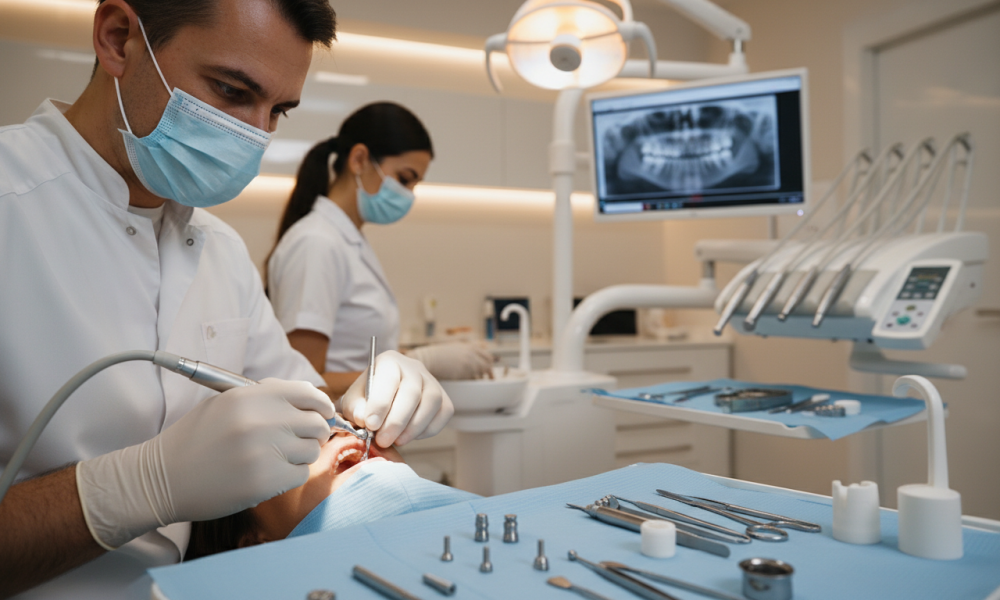
During surgery, the implant is placed into the jawbone and the gum is stitched over to heal. This surgery requires careful planning for nerve and sinus safety.
Most protocols call for two trips, spaced 3–4 months apart, so the implant can osseointegrate and become stable under the gum line.
Final Restoration
After healing, the clinic attaches an abutment to support the new crown. A temporary crown may be adjusted before the permanent one is fitted.
The final crown restores chewing and appearance. With good care, the treatment can last for many years.
- Monitoring: The clinic checks healing to prevent infection and confirm integration.
- Stays: Plan for 5–7 day visits during each trip for evaluations and adjustments.
| Stage | What Happens | Typical Timing |
|---|---|---|
| Consultation | Scans, health review, treatment plan, quote | Day 1 of first trip (5–7 day stay) |
| Surgical Placement | Implant placed, gum closed to heal | First visit; then 3–4 months healing |
| Final Restoration | Abutment fitted, permanent crown placed | Second trip; adjustments as needed |
Top Cities for Dental Tourism
Choosing where to have an implant procedure can shape your recovery, costs, and overall travel experience.
Istanbul stands out for clinic density and easy international flights. Many top dental clinics there cater to international patients and offer verified brands and clear quotes.
Antalya pairs modern care with a seaside holiday vibe. Patients often combine treatment with short stays on the Mediterranean coast.
Izmir offers historical charm and calm waterfronts. The city suits those who want a relaxed setting during surgical and healing stages.
Ankara hosts large hospitals equipped for complex full-mouth restorations and reconstructions. It is a practical choice for advanced procedures and strong post-op support.
- Each city features clinics verified for safety, technology, and experienced teams.
- Many clinics provide an all-inclusive package with airport transfers and local accommodation.
- Compare prices, reviews, and the type of service you want—holiday or quick medical trip—before you book.
By selecting a city that fits your needs, you can get quality care, predictable prices, and a smoother recovery for your crown or tooth implant.
Selecting a Reliable Dental Clinic
Choosing where to have an implant procedure begins with checking a clinic’s credentials and patient feedback.
Look for clear proof of dentists’ education, board memberships, and professional affiliations. A reputable dental clinic posts staff CVs and shows real patient reviews and video testimonials.
Request an itemized quote that lists the implant, abutment, and final crown. Transparent prices reduce surprises and let you compare packages and cost across clinics.
Confirm technology and safety: clinics that use digital 3D imaging and CT scanners deliver more accurate planning. AACI accreditation is a strong signal that a facility follows international safety standards.
Choose teams that offer multilingual service, a clear aftercare plan, and remote video consultations before travel. These details improve comfort and long-term quality for patients returning home.
- Verify brands and materials the clinic uses and ask about warranties.
- Watch before-and-after photos and read independent reviews for real outcomes.
- Confirm follow-up care to protect your teeth and implants for years.
Evaluating Your Candidacy for Surgery
Good outcomes depend on matching the right procedure to each person’s jaw structure.
Not every patient is an immediate candidate for dental implants. Clinics first check jawbone volume, systemic health, and healing risks. This helps the team plan a safe, predictable treatment.
Managing Bone Density Issues
Bone grafting can rebuild lost volume so an implant can integrate and support a crown or bridge. For severe loss, zygomatic implants anchor into the cheekbone as an alternative.
Many clinics offer a remote assessment: patients send digital x-rays and medical history. That provisional review identifies if bone grafting, extra scans, or a different treatment is needed before travel.
- Disclose conditions like diabetes and medications—these affect healing and long-term success.
- Quit smoking months before surgery to cut complication risks and improve outcomes.
- Ask the dental clinic about brands, expected recovery, and realistic timelines for teeth that last years.
Clear candidacy checks save time, lower unexpected costs, and let patients choose the right procedure and price with confidence.
Popular Implant Brands and Materials
Choosing the right brand and crown material affects comfort, longevity, and overall value. Top clinics commonly use Nobel Biocare, Straumann, BioHorizons, and Hiossen—brands with global track records and clear clinical guidance.
Titanium remains the standard for the implant fixture because it bonds well with bone and lasts many years. Some patients ask about zirconia as a metal-free option; it can suit those with specific sensitivities.
Crowns use different materials: porcelain-fused-to-metal (PFM), all-ceramic, and ultra-strong e.max. Each choice balances aesthetics, function, and price.
- Systems matter: implant designs affect stability and how the abutment fits the crown.
- Traceability: reputable brands let a dental clinic source compatible parts for future repairs.
- Longevity: good materials help teeth withstand chewing and look natural for years.
Patients should review brand names and ask their dentist which systems match their bone and smile goals. A clear discussion helps match treatment to real expectations.
Navigating the Verification Process for Clinics
A trustworthy verification process goes beyond photos—it checks legal records and clinical practice standards.
Reputable verification services perform legal investigations and cross-reference dentist licenses with professional boards. They confirm the dental clinic’s right to operate and verify staff credentials.
These teams interview past patients to collect candid reviews about outcomes and service. That feedback highlights real results for teeth and long-term satisfaction over years.
Audit checks also assess technology. Clinics with 3D imaging and digital planning score higher because precise diagnostics reduce risk during implant surgery and final restorations.
- Legal and license checks reveal a clinic’s official status.
- Patient interviews surface honest views on treatment and aftercare.
- Technology audits confirm the clinic can plan accurate implant placements.
Most verified listings share documents and itemized quotes so patients can compare prices, brands, and services. A transparent clinic will answer questions and show proof of membership in professional bodies.
Planning Your Travel and Accommodation
Arrange travel dates early so clinic appointments and recovery days fit your schedule. Most patients need two visits, each lasting about 5–7 days, so book with that timeline in mind.
Many clinics offer help with airport transfers and hotel bookings. An all-inclusive package can cover transfers, stays, and some follow-up visits so the trip feels simpler.
When you pick flights, allow extra time for the initial consultation, surgery, and check-ups after each stage. Ask the clinic for a written quote and a suggested itinerary.
- Request visa and document guidance early.
- Ask the team for recommended hotels near the dental clinic and local services.
- Consider season and weather to match recovery with a pleasant stay.
| Item | Typical Need | Clinic Support | Tip |
|---|---|---|---|
| First visit | 5–7 days | Initial scans, planning | Schedule flight a day before |
| Surgery | Same visit or next | Airport transfer, local stay | Follow clinic recovery advice |
| Second visit | 5–7 days | Final restoration, checks | Allow recovery days post-procedure |
| Paperwork | Visa, medical records | Assistance from clinic | Send records ahead for review |
Maintaining Your New Smile After Treatment
Keeping your new smile healthy takes simple daily habits and periodic professional checks. Good oral care protects the implant and the crown. It also helps teeth around the restoration stay strong.
Brush twice daily and use interdental tools to clear plaque around the implant. Flossing or water irrigation reaches spaces a brush misses.
Schedule regular professional cleanings. A dentist or hygienist inspects gum health and the stability of the dental implant. These visits stop problems before they become serious.
- Watch for looseness, swelling, or persistent discomfort—contact the clinic right away.
- If you grind your teeth, ask about a night guard to protect the crown and implant from excess force.
- Follow the dentist’s personalized maintenance plan and return for periodic reviews with your local provider.
With consistent care, implants can last many years and keep your smile natural and secure. Remember: implants are not maintenance-free, so steady habits are the best defense for your investment and overall oral health.
Addressing Common Concerns About Safety and Quality
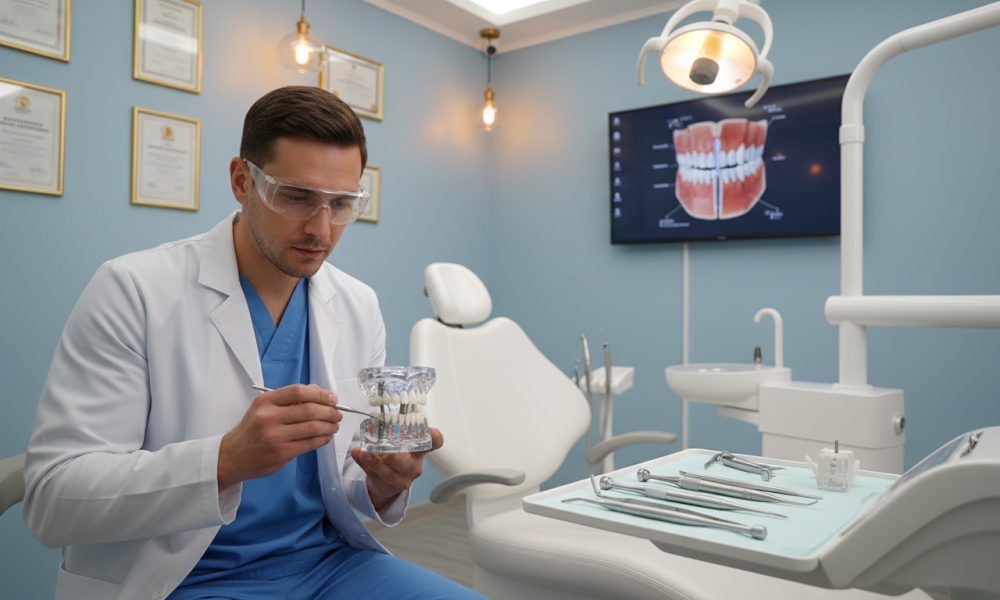
Clear verification and transparent processes ease worries about clinical safety and long-term results. Verified clinics follow international standards, use sterilized instruments, and rely on modern diagnostic systems to plan each dental implant treatment.
Patients can expect the same respected brands and surgical protocols found in Western dentistry—Nobel Biocare is commonly used at top clinics. Clinics explain each step of the procedure and offer remote consultations so a patient gets a clear quote and plan before travel.
Lower price reflects local operating costs, not lower quality. Teams prioritize the patient’s health and tailor care across pre-op checks, surgery, and follow-up visits. Read independent reviews and before-and-after photos to confirm consistent results.
- Safety: Sterile environments and verified protocols.
- Quality: Reputable brands and trained dentists guide care.
- Support: Remote reviews and clear quotes help decision-making.
Thousands of international patients have returned home with healthy smiles after treatment. Choosing a verified dental clinic and asking detailed questions about systems, warranties, and follow-up care gives confidence and better outcomes.
Conclusion
A clear plan and trusted partners make the path to a restored smile less stressful.
Research thoroughly and choose a verified clinic that lists credentials, brands, and an itemized quote. Doing this reduces risk and gives you confidence before travel.
Consider experience, technology, and real reviews when comparing options. Quality systems such as Nobel Biocare are commonly used and supported by documented outcomes.
Remember: the journey continues after the procedure. Regular check-ups and simple daily care protect your new teeth and extend results for years.
Ready to start? Contact a reputable clinic for a personalised consultation and a clear, written plan so you can move forward with confidence.
FAQ
What are the main benefits of getting implants in Turkey?
Patients often find lower costs, experienced surgical teams, and modern clinics offering comprehensive care. Many clinics use internationally recognized systems such as Nobel Biocare and Straumann, and packages often include consultation, surgery, and prosthetic crowns. Travel and accommodation support for international patients can make the process efficient and comfortable.
How do single-tooth solutions differ from full-arch restorations?
Single-tooth solutions replace one missing tooth with an implant and crown, preserving neighboring teeth and function. Full-arch restorations replace all teeth in an upper or lower jaw using multiple implants to support a fixed bridge or overdenture. The choice depends on oral health, bone volume, and patient goals.
Why do prices for implants vary between clinics?
Price variations arise from implant brand and part quality, the need for bone grafting or sinus lift, surgeon experience, clinic location, and included services. Some packages include follow-up visits, temporary prostheses, and transport, while others quote only the implant and crown.
What happens during the initial consultation?
The dentist reviews medical history, performs an oral exam, and takes imaging such as CBCT scans to assess bone and plan implant placement. A clear quote, treatment timeline, and discussion of options—single implant, all-on-4, or grafting—are provided.
Is bone grafting often required and what does it involve?
Bone grafting is common when bone density or volume is insufficient. The surgeon places graft material to build volume, which may be autograft, xenograft, or synthetic. Healing can take several months before implant placement, though some clinics offer simultaneous grafting and implant protocols when feasible.
How long does the surgical placement take and is it painful?
Surgical time varies—single implants can take under an hour; full-arch procedures take longer. Local anesthesia or IV sedation reduces discomfort. Post-op pain is usually manageable with prescribed analgesics, and clinics provide aftercare instructions to support recovery.
What is the timeline from surgery to final restoration?
Healing time typically ranges from 3 to 6 months for osseointegration before final crowns are placed. Immediate-load protocols exist for select cases, allowing temporary teeth the same day, but final prostheses still require careful fit and adjustments.
Which cities are most popular for dental treatment and why?
Istanbul, Izmir, and Antalya attract many international patients for their concentration of reputable clinics, accessibility, and tourism infrastructure. These cities offer a range of specialists, multilingual staff, and patient services that simplify travel for treatment.
How can an international patient verify a clinic’s credibility?
Check registration with Turkish health authorities, look for staff qualifications, read independent patient reviews, and request case photos and treatment plans. Reputable clinics will provide references, use recognized implant systems, and offer clear warranties or follow-up arrangements.
What implant brands and materials are commonly used?
Leading brands include Nobel Biocare, Straumann, Zimmer Biomet, and BioHorizons. Titanium remains the standard for implant fixtures; zirconia abutments and ceramic crowns are common for aesthetics. Clinics should disclose brand and part numbers in the treatment plan.
How should patients plan travel and accommodation for implant treatment?
Coordinate consultation dates, surgery, and follow-up visits before booking. Allow extra days for initial appointments and immediate recovery. Many clinics offer transfer services and partner hotels. Verify cancellation policies and dental warranty terms before travel.
What aftercare is required to maintain new implants?
Maintain good oral hygiene—regular brushing, interdental cleaning, and professional checkups. Avoid hard foods during early healing, follow the clinic’s dietary and care guidance, and attend scheduled maintenance visits to monitor implant health and prosthetic fit.
Are there safety or quality concerns to consider?
Safety depends on clinic standards, infection control, and surgical expertise. Choose clinics with modern sterilization protocols, experienced surgical teams, and clear post-op care. Ask about complication rates, emergency support, and long-term follow-up for peace of mind.
How is candidacy for implant surgery evaluated?
Dentists evaluate overall health, smoking status, bone quality via CBCT scans, and oral conditions like periodontal disease. Some medical conditions require specialist clearance. When bone is insufficient, grafting or alternative prosthetic solutions may be discussed.
Can cancer patients or survivors receive implants safely?
Many cancer survivors receive implants successfully, but timing and safety depend on treatments received, especially radiotherapy and certain medications. Coordination with oncologists and tailored protocols help reduce risks. Clinics experienced with medically complex patients can provide individualized plans.
Related guides
How Long Does a Dental Implant Procedure Take?
Curious if the journey to a restored smile will fit your life? Many patients wonder about the full…
Best Hair Transplant in Istanbul,Turkey
Could one clinic end years of worry and restore your confidence with a clear, tailored plan?Dr. Serkan Aygin…
What is Zygomatic Dental Implant?
Could anchoring into the cheekbone restore a confident smile when the upper jaw can’t?Zygomatic dental implants offer an…