

Brachioplasty surgery, commonly known as an arm lift, is an increasingly popular cosmetic procedure designed to remove excess skin and fat from the upper arms, providing a more contoured and toned appearance. This comprehensive guide explores the procedure’s steps, costs, timelines, safety, and accreditation, helping you determine if it’s the right choice for your needs.
What is Brachioplasty Surgery?
Brachioplasty surgery involves the removal of excess skin and fat from the upper arms. It is often sought by individuals who have experienced significant weight loss or have sagging skin due to ageing. The goal of brachioplasty is to create a smoother, more aesthetically pleasing arm contour. During the consultation phase, a plastic surgeon evaluates the patient’s health and skin condition to determine the best surgical approach. This assessment includes a detailed discussion about the patient’s medical history and any previous surgeries.
The procedure typically lasts between one to three hours and is performed under general anaesthesia. Incisions are usually made on the inner or back of the arms, extending from the armpit to just above the elbow. Surgeons aim to minimise visible scarring while achieving the desired results. Advanced techniques, such as using smaller incisions and strategic suturing, can further reduce the appearance of scars. In some cases, liposuction may be used in conjunction with brachioplasty to remove stubborn fat deposits, enhancing the overall outcome.
Post-surgery, patients can expect some swelling and bruising, which usually subsides within a few weeks. The final results are typically visible within three to six months. It’s crucial for patients to follow post-operative care instructions meticulously to ensure optimal healing and minimize complications. This includes managing incision sites, avoiding sun exposure, and adhering to scheduled follow-up visits with the surgeon to monitor progress. Understanding these steps and following them diligently can significantly impact the surgery’s success and the satisfaction with the results.
Is Brachioplasty Right for You?
Determining whether brachioplasty is suitable for you involves evaluating several factors. Ideal candidates are those with significant skin laxity in the upper arms, good overall health, and realistic expectations of the surgical outcome. These expectations are often discussed in detail during the initial consultation, where the surgeon provides a realistic portrayal of what the surgery can achieve. Understanding the limitations of the procedure is essential to avoid disappointment. It’s important to have a candid conversation with your surgeon about what is realistically achievable and to ensure your goals align with the potential outcomes.
It’s crucial to consider the potential risks, such as scarring, infection, and changes in skin sensation. A thorough discussion with a certified plastic surgeon can help assess your specific situation and health conditions. Surgeons may require pre-operative tests, such as blood work or a physical examination, to ensure you’re physically prepared for surgery. They will also advise on lifestyle changes, such as smoking cessation, which can significantly impact healing and recovery. Smoking, for example, can impair blood flow and delay healing, increasing the risk of complications.
Understanding your motivations and having clear goals for the surgery will also aid in deciding if an arm lift procedure aligns with your body image aspirations. It’s important to reflect on whether this decision is driven by personal desire or external pressures. A candid conversation with your surgeon can help clarify these motivations and set the stage for a successful outcome. Additionally, psychological preparedness is key, as cosmetic surgery can have significant emotional implications. Being mentally prepared for the changes and the recovery process is as important as the physical readiness.
How Much Does Brachioplasty Cost?
The cost of brachioplasty surgery varies widely depending on the surgeon’s expertise, the clinic’s location, and the complexity of the procedure. On average, prices can range from £3,000 to £6,000 in the UK, while costs may be significantly different in other countries. In the United States, for example, the cost can range from $5,000 to $10,000, depending on the region and the surgeon’s experience. Factors such as hospital fees, anaesthesia, and post-operative care can also influence the total cost. It’s important to get a detailed breakdown of these costs during your initial consultations.
When considering cosmetic surgery abroad, it’s essential to factor in additional expenses such as travel, accommodation, and post-operative care. Research and compare clinics thoroughly to ensure you receive quality care at a reasonable cost. It’s advisable to review the clinic’s accreditation and the surgeon’s credentials to verify their legitimacy and expertise. Some patients opt for medical tourism packages that include surgery, accommodation, and post-surgical care, but these should be scrutinized carefully for quality assurance. Consider all associated costs and potential risks carefully before making a decision.
Many clinics offer financing options or payment plans to make the procedure more accessible. Discuss these possibilities with your chosen healthcare provider during the consultation. Financing options can include low-interest loans or monthly payment plans tailored to your financial situation. It’s important to read the terms and conditions carefully to understand the full financial implications. Additionally, some insurance companies may cover part of the cost if the surgery is deemed medically necessary. Check with your insurance provider to understand what might be covered and how to apply for it.
What is the Recovery Process Like?
Recovery from brachioplasty surgery requires patience and adherence to post-operative instructions. Immediately following the procedure, your arms will be bandaged, and you may need to wear a compression garment to reduce swelling and support the healing tissues. This garment is typically worn for several weeks and is crucial for maintaining the new arm shape and minimizing fluid retention. Patients are usually advised to keep their arms elevated to reduce swelling and enhance circulation, which can aid in a quicker recovery.
Most patients can resume light activities within a week, but strenuous exercise and heavy lifting should be avoided for at least six weeks. Regular follow-up appointments with your surgeon are crucial to monitor healing and address any concerns. During these visits, the surgeon will assess the incisions, remove sutures if necessary, and provide guidance on when it’s safe to resume normal activities. It’s important to communicate any unusual symptoms, such as severe pain or infection, to your healthcare provider promptly. Early detection and treatment of any complications can prevent further issues.
Adhering to a nutritious diet and maintaining a healthy lifestyle can enhance recovery and help preserve the results of your arm lift procedure. Consuming foods rich in vitamins and minerals promotes tissue repair and boosts the immune system. Additionally, staying hydrated and avoiding smoking and excessive alcohol consumption can prevent complications. Engaging in gentle exercises, such as walking, can improve circulation and speed up the healing process. These lifestyle choices can contribute significantly to your overall recovery and the longevity of your surgical results.
How to Choose a Safe and Accredited Clinic?
Choosing a clinic with high surgical safety standards is vital when considering brachioplasty surgery. Look for facilities accredited by recognised health organisations, ensuring they adhere to rigorous safety and hygiene protocols. In the UK, clinics should be registered with the Care Quality Commission (CQC), while in the US, accreditation by the American Association for Accreditation of Ambulatory Surgery Facilities (AAAASF) is a mark of quality. These organisations conduct regular inspections to maintain high standards of care, providing you with peace of mind regarding the quality of the facility.
It’s advisable to research the qualifications and experience of potential surgeons, seeking reviews or testimonials from previous patients. Personal recommendations from trusted sources can also be invaluable. Online platforms and forums can provide insights into patient experiences, but it’s important to critically evaluate the credibility of these sources. During consultations, ask surgeons about their experience with brachioplasty specifically, as well as their success rates and complication rates. Understanding a surgeon’s track record can help you make a more informed choice.
During consultations, ask about the clinic’s emergency procedures and post-operative care to ensure comprehensive support throughout your surgical journey. A reputable clinic should have a clear plan for managing complications and providing follow-up care. Inquire about the availability of after-hours support in case of emergencies. Understanding these protocols can provide peace of mind and ensure a seamless surgical experience. It’s also beneficial to meet the surgical team to assess their professionalism and approachability. Feeling comfortable and supported can make a significant difference in your overall experience.
Are There Alternatives to Brachioplasty?
For individuals hesitant about surgery, non-invasive alternatives to brachioplasty may be considered. Options such as laser treatments, radiofrequency, or ultrasound therapies can help tone and tighten the skin, though results may be less dramatic than surgical intervention. These treatments work by stimulating collagen production, which can improve skin elasticity and firmness. However, they are best suited for individuals with mild to moderate skin laxity and may not address significant sagging. It’s important to have realistic expectations about what non-surgical methods can achieve.
These alternatives typically require multiple sessions and may not provide permanent results. Discussing these options with a qualified dermatologist or cosmetic surgeon can help you weigh the benefits and limitations. The cost of non-surgical treatments can accumulate over time, potentially approaching or exceeding the cost of surgery. It’s important to assess whether the investment aligns with your aesthetic goals and expectations for longevity. Consider how these treatments fit into your long-term plan for body contouring and skin health.
Ultimately, the choice between surgical and non-surgical options should be based on your specific aesthetic goals and medical advice. A comprehensive evaluation by a qualified professional can help determine the most appropriate approach. Consider factors such as the degree of skin laxity, your budget, and your tolerance for downtime. Regardless of the option chosen, maintaining a healthy lifestyle can enhance and sustain the results, promoting overall well-being and confidence. Understanding all your options will help you make the best decision for your needs and circumstances.
Conclusion
Brachioplasty surgery offers a solution for those seeking to enhance the appearance of their upper arms by removing excess skin and fat. By understanding the procedure, costs, recovery, and safety considerations, you can make a well-informed decision about whether this surgery is right for you. Thorough research and careful planning are essential to achieving satisfactory results and minimizing risks. Consult with accredited professionals and thoroughly research your options to ensure a safe and satisfactory outcome.
Consider seeking multiple opinions to gain a comprehensive understanding of your options. Empower yourself with knowledge and take control of your cosmetic journey, prioritizing safety and quality above all else. Your arms can reflect not just a transformation of appearance, but also a renewed sense of confidence and self-assurance. With the right information and support, you can make decisions that align with your personal goals and lead to a fulfilling outcome. Remember, the journey is as important as the destination, and taking the time to make informed choices can lead to a more satisfying experience.
Proven result
20 to 200 hair-transplant patients a month from Australia
Aesthetic surgery group
Frequently asked questions
What is brachioplasty surgery?
Brachioplasty, or arm lift surgery, involves removing excess skin and fat from the upper arms to improve contour.
Who is an ideal candidate for brachioplasty?
Ideal candidates have significant skin laxity in the upper arms, are in good health, and have realistic expectations.
What are the risks associated with brachioplasty?
Potential risks include scarring, infection, and changes in skin sensation, which should be discussed with your surgeon.
How long is the recovery after brachioplasty?
Recovery can take several weeks; patients should follow post-operative care instructions and avoid strenuous activities.
Are there non-surgical alternatives to brachioplasty?
Yes, options like laser treatments and radiofrequency therapies exist but may offer less dramatic results than surgery.
Related guides
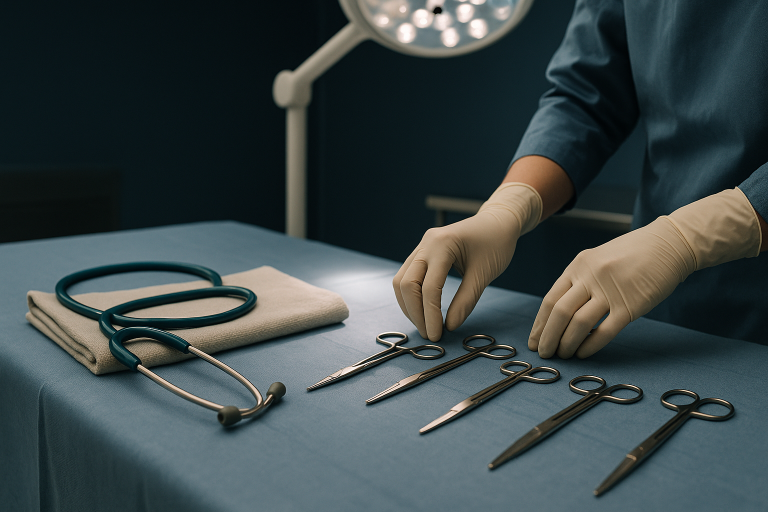
Arm Lift Surgery: What to Expect as a Patient
Quick answerIn Turkey, an arm lift costs between £2,000 and £4,000. The procedure typically includes pre-surgery consultations, the…
Navigating Vaser Liposuction Costs: What to Expect
Quick answerVaser lipo price varies greatly depending on factors like location, surgeon expertise, and facility accreditation, typically ranging…
Understanding the Importance of the Eye Canthus
Quick answerThe eye canthus is crucial for both aesthetic and functional purposes, influencing the shape and health of…