
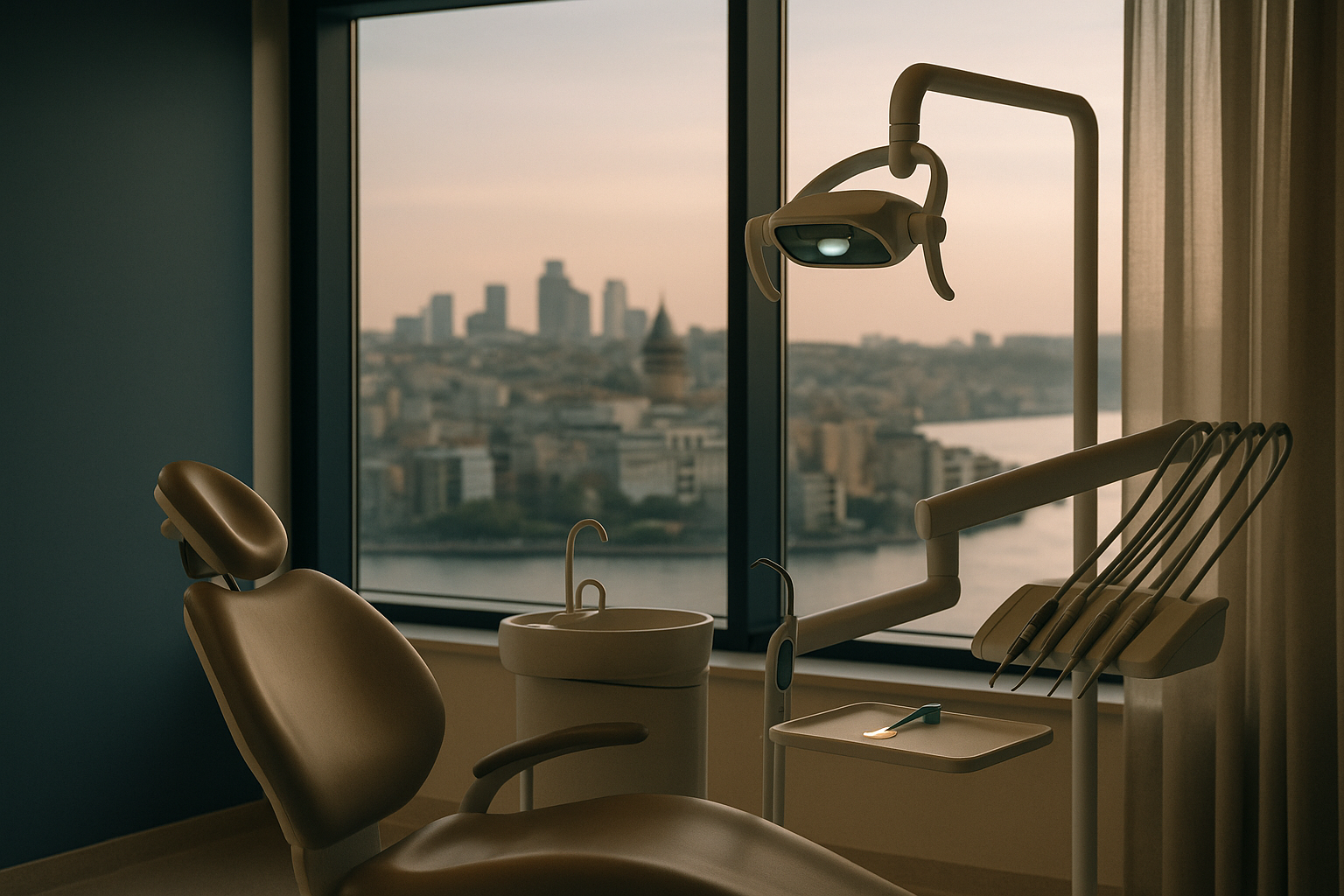
Composite bonding is a popular cosmetic dental procedure that involves applying a tooth-colored resin to improve the appearance of teeth. For those considering this treatment abroad, understanding the composite bonding Turkey price is crucial. In this article, we will delve into the costs, factors affecting prices, and practical considerations for international patients.
What Is Composite Bonding and Why Choose Turkey?
Composite bonding involves the application of a resin material to teeth, which is then hardened with a special light. This procedure can address issues such as chipped, discolored, or misshapen teeth. It is minimally invasive, often requiring no anesthesia, and can be completed in a single visit. The material used in composite bonding is durable and can be sculpted to achieve a natural look that blends seamlessly with the rest of your teeth. This makes it an appealing option for individuals seeking quick and effective cosmetic dental improvements.
Turkey has become a sought-after destination for dental treatments due to its combination of affordable pricing and high-quality healthcare services. The country’s dental clinics are equipped with modern technology, ensuring effective treatment outcomes. Many Turkish dentists are trained internationally, bringing a wealth of experience and expertise to their practice. Additionally, Turkey’s strategic location makes it an accessible destination for international travelers. With numerous direct flights from Europe, the Middle East, and North America, reaching Turkey is convenient for many international patients. This ease of travel is an added benefit for those seeking comprehensive dental care in a timely manner.
Choosing Turkey for composite bonding offers benefits like cost savings and access to experienced dental professionals. The medical tourism sector in Turkey is thriving, with many clinics offering multilingual services and personalized care. This ensures that patients feel comfortable and informed throughout the treatment process. Moreover, the cost of living in Turkey is generally lower than in Western countries, translating to lower healthcare costs without compromising quality. Patients can also enjoy the rich cultural heritage and hospitality of Turkey, making their dental trip an enriching experience beyond just the medical aspect.
How Much Does Composite Bonding Cost in Turkey?
The cost of composite bonding in Turkey varies based on several factors. On average, the price ranges from $100 to $300 per tooth. This variability depends on the clinic’s location, the dentist’s expertise, and the complexity of the treatment required. For example, clinics in major cities like Istanbul or Ankara may charge more due to higher operational costs, while clinics in smaller towns might offer more competitive rates. The differences in costs are also influenced by the clinic’s investment in technology and the materials used in the procedure.
It’s important to compare prices across different clinics, considering factors such as accreditation, reputation, and patient reviews. While cost is a significant factor, ensure that the quality of care and safety standards are not compromised. Researching thoroughly can help you make an informed decision. Additionally, inquire if the quoted price includes consultation fees, materials, and any follow-up appointments to avoid unexpected costs. Some clinics may offer payment plans or discounts for treating multiple teeth, which can further influence the overall cost.
Many clinics offer package deals for international patients, which can include multiple dental procedures, accommodation, and local transportation. These packages can provide excellent value, allowing patients to combine their dental treatment with a holiday in Turkey. When evaluating these offers, consider the total cost and what is included to determine whether it meets your needs and budget effectively. It’s advisable to ask for a detailed breakdown of the package to ensure transparency and avoid any hidden fees, making your dental tourism experience smooth and worry-free.
Factors Affecting Composite Bonding Prices in Turkey
Several factors influence the composite bonding Turkey price. These include the clinic’s location, with metropolitan areas typically charging higher fees than smaller towns. The dentist’s experience and reputation also play a crucial role, as more established professionals may charge higher fees. Dentists with extensive training or specialization in cosmetic dentistry may command a premium price for their expertise. This is particularly relevant for patients seeking specific aesthetic outcomes or those requiring complex dental work.
Additionally, the number of teeth requiring treatment impacts the overall cost. If multiple teeth need bonding, some clinics may offer a discount per tooth. Materials used, the clinic’s technology, and any additional procedures needed can further affect pricing. For instance, clinics using state-of-the-art equipment or materials might charge more to reflect these investments in quality. The choice of resin material, for example, can vary in cost depending on its durability and esthetic properties, influencing the total expense.
Understanding these factors can help you budget effectively for your treatment abroad. It’s advisable to contact several clinics for quotes and compare not only the prices but also what each clinic offers in terms of service, technology, and post-treatment care. Consider reaching out to past patients or reading reviews to gauge satisfaction levels and outcomes, which can be crucial for making an informed choice. This comprehensive approach ensures that you receive value for money while achieving your desired dental health outcomes.
Composite Bonding Versus Composite Veneers: Cost and Considerations
While both composite bonding and composite veneers aim to enhance dental aesthetics, they differ in application and cost. Composite bonding is generally less expensive and involves applying resin directly to the tooth surface. In contrast, composite veneers involve crafting thin shells of resin that are bonded to the front of the teeth. Veneers require more preparation, as a small amount of enamel must be removed to fit the veneer properly, which can add to the cost. This preparation is crucial for ensuring the veneers fit snugly and provide a natural appearance.
A comparison table can help illustrate the cost differences:
| Procedure | Price Range per Tooth | Durability |
|---|---|---|
| Composite Bonding | $100-$300 | 5-7 years |
| Composite Veneers | $250-$600 | 7-10 years |
Consider your specific dental needs and budget when choosing between these options. Composite bonding is ideal for minor repairs and quick results, while veneers offer a more comprehensive solution for multiple aesthetic issues. Both procedures offer aesthetic improvements, but the choice depends on personal preferences and financial considerations. For instance, if you seek a quick fix for a chipped tooth, bonding may be sufficient, while veneers might be preferable for a full smile makeover.
It’s also important to consider the longevity and maintenance of each option. Composite bonding may require touch-ups over time, especially if you consume staining substances like coffee or tobacco. Veneers, being more durable, may involve a higher initial cost but could be more cost-effective in the long run given their longevity. Regular dental check-ups and proper oral hygiene can extend the lifespan of both treatments, ensuring that your investment in your smile pays off over time.
How to Plan Your Dental Trip to Turkey
Planning a dental trip to Turkey involves several key steps. First, research and select a reputable clinic with positive patient reviews and appropriate accreditations. Contact the clinic to discuss your dental needs and obtain a detailed treatment plan and cost estimate. This initial communication is crucial to understand what to expect and to ensure that the clinic can meet your needs. Ensuring that the clinic has experience with international patients can also enhance the treatment experience.
Next, arrange travel and accommodation. Many clinics offer packages that include airport transfers and hotel stays, simplifying the logistics. Be sure to verify the clinic’s policies on post-treatment care and follow-up visits, which are crucial for achieving the desired results. Consider the location of your accommodation in relation to the clinic to minimize travel time and expenses. Staying near the clinic can reduce stress and make it easier to attend follow-up appointments if needed.
- Research clinics and dentists
- Obtain treatment plan and cost estimate
- Arrange travel and accommodation
- Verify post-treatment care policies
Additionally, check if there are any required vaccinations or travel advisories for Turkey. Understanding local customs and language basics can enhance your stay. Ensure your passport is valid for at least six months beyond your intended departure date, and verify if you need a visa. Having travel insurance that covers medical procedures abroad is also recommended for added peace of mind. This preparation ensures that your dental trip is smooth and allows you to focus on achieving great dental health outcomes.
Safety and Accreditation: Ensuring Quality Dental Care
When considering dental treatment abroad, safety and accreditation are paramount. Ensure that the clinic is accredited by reputable organisations and adheres to international healthcare standards. This guarantees that the clinic maintains high levels of hygiene, safety, and patient care. Accreditation processes involve rigorous evaluations of clinical practices, management, and service quality, providing confidence in the care you will receive.
Accreditation by bodies such as the Joint Commission International (JCI) or the Turkish Ministry of Health can provide assurance of the clinic’s quality. Additionally, check if the dentists are registered with professional organisations, which reflects their commitment to ongoing education and adherence to ethical standards. These affiliations often require dentists to participate in continuous professional development and adhere to a code of conduct. This level of commitment is crucial for ensuring that dental practices remain at the forefront of the industry.
Choosing a well-accredited clinic ensures that you receive safe and effective treatment, with reduced risks of complications. Before finalizing your choice, inquire about the clinic’s sterilization protocols, emergency procedures, and patient satisfaction rates. A transparent clinic will be open about their practices and willing to provide references or case studies upon request. This openness allows you to make an informed decision, ensuring that your treatment meets international standards of care.
Proven result
20 to 200 hair-transplant patients a month from Australia
Aesthetic surgery group
Frequently Asked Questions About Composite Bonding in Turkey
International patients often have several questions when considering composite bonding in Turkey. Addressing these queries can help alleviate concerns and provide clarity:
- How much is composite bonding in Turkey for 28 teeth?
- Can you get composite bonding in Turkey?
- How much are composite bonding teeth in Turkey?
- How much does composite bonding cost in Turkey Antalya?
Providing comprehensive answers to these questions can guide patients in making informed decisions about their dental care choices overseas. For instance, if planning to have composite bonding for 28 teeth, patients should inquire if bulk discounts are available. Additionally, knowing the differences in cost between cities like Istanbul and Antalya can influence your decision based on budget constraints. Understanding the nuances of each location can help tailor your dental travel plans effectively.
Understanding the dental tourism process, including travel logistics, treatment timelines, and recovery expectations, can also aid in setting realistic expectations. Potential patients should not hesitate to ask about the qualifications and experience of the dental team, as well as the types of materials used in the bonding process, to ensure they receive high-quality care. This proactivity contributes to a positive treatment experience and satisfactory dental outcomes.
Conclusion: Making an Informed Choice for Your Dental Health
Understanding the composite bonding Turkey price, along with associated costs and considerations, is crucial for international patients seeking dental care abroad. By researching thoroughly and choosing a reputable clinic, patients can enjoy the benefits of affordable and high-quality dental treatment in Turkey. This comprehensive understanding enables patients to make decisions that align with their health goals and financial constraints.
Ultimately, making an informed choice involves balancing cost, quality, and convenience, ensuring that dental health needs are met effectively and safely. Patients should weigh the long-term benefits of the procedure against the initial investment and consider the potential for future adjustments or maintenance. With careful planning and consideration, traveling to Turkey for composite bonding can be a rewarding experience, offering both aesthetic improvements and cultural enrichment. The decision to pursue dental treatment abroad should be guided by thorough research and an understanding of personal healthcare needs.
Frequently asked questions
How much does composite bonding cost in Turkey?
Composite bonding in Turkey costs between $100 and $300 per tooth, depending on various factors such as the clinic and dentist’s expertise.
How much is composite bonding in Turkey for 28 teeth?
For 28 teeth, composite bonding in Turkey can range from $2,800 to $8,400, depending on the clinic and specific requirements.
Can you get composite bonding in Turkey?
Yes, many dental clinics in Turkey offer composite bonding services, known for their affordability and high-quality care.
How much are composite bonding teeth in Turkey?
Composite bonding teeth in Turkey cost approximately $100 to $300 per tooth, varying by clinic and treatment complexity.
How much does composite bonding cost in Turkey Antalya?
In Antalya, composite bonding costs are similar to the national average, ranging from $100 to $300 per tooth, influenced by local clinic factors.
Related guides

Digital Marketing for Clinics That Drives Demand
A clinic can have exceptional physicians, advanced technology, and competitive pricing, yet still lose prospective patients before the…

How Overseas Surgery Insurance Really Works
A lower treatment quote can quickly lose its advantage if an unexpected complication extends your stay, requires emergency…

Analyzing the Medical Tourism Market: Current Trends
Quick answerThe medical tourism market is growing due to factors like cost-effective treatments, advanced medical technologies, and international…