
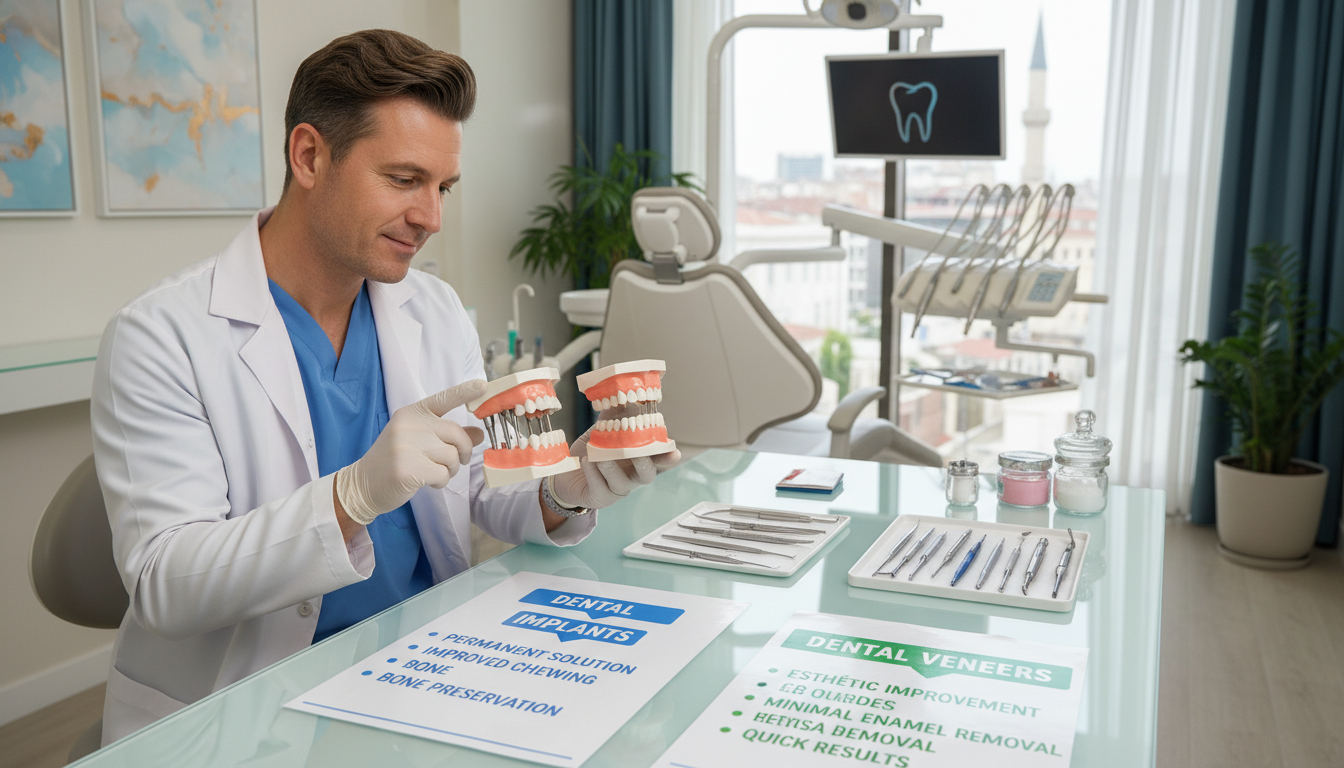
Curious which option truly fits your needs and long-term smile goals?
Choosing between two common options means weighing how each protects your teeth and matches your lifestyle. Ata Dental Center has served international patients since 2001 and is Ministry of Health approved, so experience and trust matter.
Many patients travel to seek a hollywood smile, but marketing can blur facts. This guide offers clear information and practical consultation points to help you compare treatment types, procedures, and expected outcomes.
Learn what a top clinic offers: honest consultation, tailored services, and ongoing care that keeps turkey teeth healthy for years.
Key Takeaways
- Assess needs: Match the option to tooth health and long-term goals.
- Seek facts: Verify clinic credentials and real patient experience.
- Plan care: Understand procedures, recovery, and follow-up.
- Consult first: A proper consultation guides the best choice.
- Beware hype: Turkey teeth trends can mix marketing with quality care.
Understanding the Core Differences
Some solutions restore bite and bone; others focus on the front appearance of teeth.
Defining dental implants
Dental implants place a titanium post into the jaw to act like a natural root. A crown fits on that post to replace a missing tooth. This is a surgical procedure that supports chewing and long-term bone health.
Defining dental veneers
Veneers are thin shells made from porcelain or composite resin. They bond to the front of existing teeth to cover stains, chips, or small gaps. This cosmetic procedure improves appearance without replacing the tooth structure.
| Feature | Implant | Veneer |
|---|---|---|
| Main goal | Restore missing tooth and root | Improve front surface appearance |
| Material | Titanium post + crown | Porcelain or composite shell |
| Invasiveness | Surgical, integrates with jaw | Minimal enamel removal, non-surgical |
| When to choose | Missing tooth; need for crowns | Healthy tooth with cosmetic concerns |
- Consult a qualified dentist—many patients exploring turkey teeth confuse these treatments.
- Choosing between treatments depends on whether you need a structural solution or a cosmetic veneer.
Dental Implants vs Dental Veneers in Turkey : Which Is Right for You?
Start by asking whether the goal is to restore missing roots or to perfect the visible surfaces of a smile. A clear consultation helps clarify whether a functional solution or a cosmetic enhancement is best.
Many people find that implants are superior when teeth are missing. They replace the root and support long-term mouth health.
Others choose veneers to correct chips, stains, or small gaps. Veneers focus on front-facing appearance and deliver quick aesthetic gains.
Often the ideal path blends treatments. A patient may need crowns on some teeth and veneers on others to achieve a hollywood smile while keeping function intact.
- Personalized plan: One option rarely fits all people.
- Verify goals: Ask if the goal is chewing strength or cosmetic change.
- Long-term view: Choose the solution that supports health and looks for years.
| Consideration | Implants | Veneers |
|---|---|---|
| Primary goal | Replace missing root and crown | Improve front tooth appearance |
| When to choose | Missing tooth, bone support needed | Healthy tooth with cosmetic flaws |
| Typical durability | Long-term, integrates with jaw | Durable but depends on enamel and care |
Technical Comparison of Procedures
Procedure choice often dictates how long healing takes and what daily care looks like.
Recovery and Healing Timelines
Implant treatment requires months for osseointegration. The titanium root must bond with the jawbone before a final crown attaches. That integration period is critical for long-term function and strength.
Veneer workflows are faster. These surface restorations often finish in a few clinical visits and usually have minimal recovery time. Patients return to normal eating within days.

- Longer healing: implants need several months while the bone heals.
- Quick turnaround: veneers typically complete in days with little downtime.
- Close monitoring: the dentist tracks each patient during healing to spot issues early.
- Different focus: implants replace a root; veneers improve surface appearance without surgery.
- Aftercare: clear post-op instructions support gum and tooth health for both treatments.
| Aspect | Implant | Veneer |
|---|---|---|
| Healing time | Months (osseointegration) | Days (minimal recovery) |
| Level | Root + crown | Surface shell |
| Follow-up | Frequent checks during months | Short-term review after placement |
Evaluating the Cost of Dental Treatments
Comparing price tags helps people understand the real trade-offs between surgical root replacements and surface restorations.
Why cost matters: Upfront fees tell part of the story. Long-term care, repairs, and follow-up visits affect total spending over years. Ata Dental Center has served international patients since 2001 and offers transparent plans to help patients budget wisely.
Why Turkey Offers Competitive Pricing
Treasured by many for affordable care, the country leads global dental tourism by offering high-quality services at a fraction of Western prices. A single implant here can cost half or even a third of similar treatment in the U.S. or Europe.
Long-Term Value Analysis
Cost vs. longevity: Surgical implants carry higher initial fees than veneers, but implants often deliver superior long-term value when replacing a missing tooth.
| Item | Typical price range (USD) | Longevity |
|---|---|---|
| Single implant | $800 – $1,500 | Many years with proper care |
| Single veneer | $150 – $450 | 5–15 years depending on care |
| Full smile makeover | $3,000 – $12,000 | Varies by mix of procedures |
- Many patients pick a reputable clinic to balance price and quality.
- A clear consultation helps match the plan to tooth needs and lifestyle.
- Consider total cost, not just the initial price, when choosing a solution.
Longevity and Durability Expectations
Durability should shape expectations before any procedure begins.
Many patients ask how long results will last. Proper hygiene and regular check-ups make a big difference. Dental implants are designed to be a lifelong solution when a patient keeps up daily brushing and attends follow-up visits.
Porcelain veneers typically last about 10 to 15 years. After that, a replacement or refresh may be needed. A crown placed on an implant offers strong resilience, while a veneer needs gentler care to avoid chips.
- Long-term promise: implants can last decades with proper hygiene and care.
- Typical lifespan: veneers often serve 10–15 years before replacement.
- Maintain quality: daily flossing and avoiding hard habits protect crowns and veneers.
Understanding these timelines helps patients choose between a permanent root solution and an aesthetic renewal. Clinics that focus on turkey teeth often stress patient education to protect your investment for many years.
Identifying Ideal Candidates for Implants
Good candidates combine healthy bone, stable gums, and clear goals for function and appearance.
Assessing Bone Density
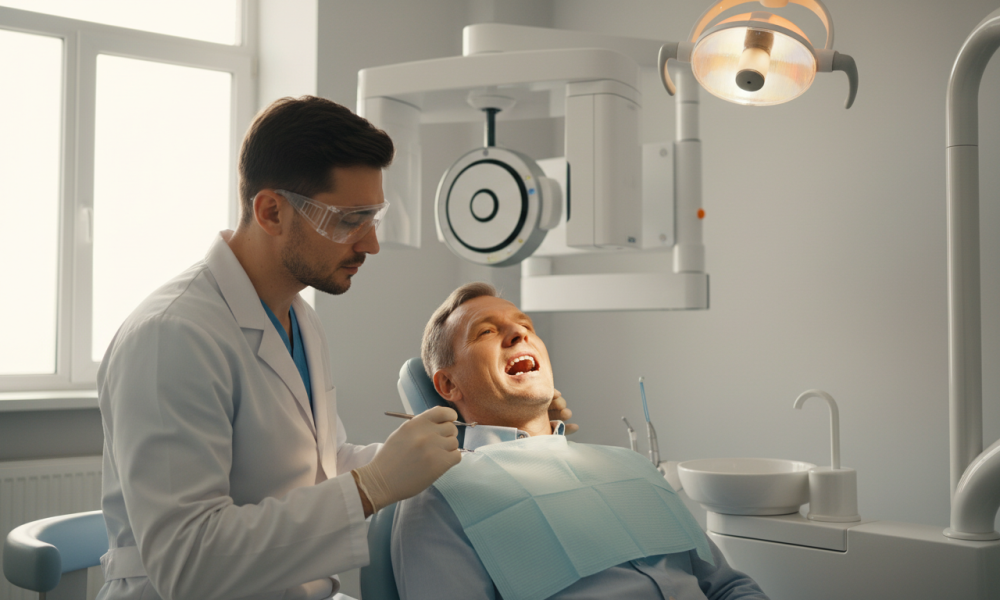
A thorough consultation checks jawbone volume and density. CT scans and clinical exams show whether the bone can hold a titanium post.
If bone is thin, grafting or alternative placement may be needed to reach a stable, long-term result.
Managing Tooth Loss
Ideal candidates are patients who lost one or more teeth and seek a lasting solution. All-on-6 options help when many teeth are missing and full-arch support is required.
This approach spreads force across multiple posts for a reliable bite and a natural-looking smile.
Same Day Solutions
When bone conditions allow, Same Day approaches place temporary teeth during the first visit. That fast option shortens downtime to a few days and boosts patient comfort.
Still, the final crown or bridge may follow after healing to ensure long-term quality and fit.
- Who should consult: patients with good oral health and realistic expectations.
- Who may consider alternatives: those with low bone or medical limits might choose veneers or other cosmetic help.
When Veneers Are the Better Cosmetic Choice
A: When the aim is to change color, shape or small gaps, surface restorations often provide the fastest, least invasive route.
Veneers suit patients who already have healthy, sound teeth but want to correct stains, chips, or minor misalignment.
The procedure usually finishes in a few clinical visits. People often return to normal eating within days. That quick turnaround makes veneers a popular option for those chasing a hollywood smile.
Our clinic follows strict steps to ensure the quality of porcelain shells. A careful consultation with a dentist explains how veneers compare to crowns or implants.
Choosing veneers is wise when the goal is purely cosmetic and not replacing a missing tooth. With proper care, veneers can last many years and offer strong value versus price for short treatment timelines.
| Feature | Veneers | Crowns / Implants |
|---|---|---|
| Invasiveness | Minimal enamel shaping | More tooth or bone work |
| Timeframe | Days to complete | Weeks to months |
| Lifespan | 8–15 years with care | Many years; may need follow-up |
- Consultation helps clarify cost, shape expectations, and long-term care.
- Many international patients choose veneers turkey for a fast, effective smile upgrade.
Navigating Dental Tourism in Istanbul
Istanbul blends advanced care with rich travel experiences, making it a top choice for many patients seeking teeth treatments abroad.
Verify credentials: confirm the clinic and dentists are registered with the Turkish Dental Association (TDA). That step helps ensure consistent quality and safety.
“Choosing a reputable clinic reduces risk and improves long-term outcomes.”
Many people combine a short holiday with procedures that take just a few days. Clinics often offer services like airport transfers, accommodation assistance, and coordinated consultation visits. This makes the trip smoother for international patients.
Price differences exist. Lower cost may mean trade-offs in materials, follow-up care, or experience. Ask about warranties, the dentist’s years of experience, and what post-op care the clinic provides.
| Factor | Why it matters | What to ask |
|---|---|---|
| Clinic accreditation | Ensures standards and safety | Is the clinic TDA-registered? |
| Doctor experience | Impacts outcomes and complications | How many similar procedures has the dentist done? |
| Aftercare services | Supports healing and long-term success | Are follow-up visits and emergency care included? |
- Plan a consultation—remote or on arrival—to review treatment options and timelines.
- Research price reasons so you compare real cost and quality, not just numbers.
- Choose a clinic that offers transparent care and clear follow-up for the best patient experience.
Essential Long-Term Care Practices
Maintaining a healthy, lasting smile means building simple habits that protect restorations and natural teeth alike.
Daily hygiene is the foundation. Brush twice a day and floss once daily to keep gums healthy and protect both crowns and porcelain shells. Good hygiene reduces risks and supports long-term results.
Routine exams matter. International Plus (est. 2014) recommends check-ups every six months so the clinic and dentist can monitor implants and veneers. Regular visits catch wear early and preserve quality.
Avoid hard foods and habits like nail-biting or ice chewing. These actions strain a crown or veneer and shorten the life of your work.
- Follow a personalized aftercare plan provided by your clinic.
- Keep clear communication with your dentist about sensitivity, fit, or changes.
- Remember that investing in high-quality services and sticking to daily care preserves your smile for years.
For more cost and planning information, consult the dental implant cost guide to compare price, services, and follow-up options before travel or treatment.
Conclusion
Deciding on a long-term smile plan requires balancing function, appearance, and lifestyle.
Implants provide a durable, functional fix when teeth are missing. Veneers suit people who want a faster, cosmetic change on healthy teeth.
Turkey has become a notable destination for medical tourism, offering skilled clinics and competitive pricing for international patients.
Schedule a professional consultation to get a tailored plan and clear timeline. With a trusted clinic and consistent home care, patients can achieve a comfortable, lasting smile that meets both health and aesthetic goals.
FAQ
What is the main difference between an implant and a veneer?
An implant replaces a missing tooth root with a titanium post anchored in the jaw and is capped with a crown. A veneer is a thin porcelain shell bonded to the front of a natural tooth to change its shape or color. Implants restore function and support surrounding teeth; veneers focus on cosmetic improvement.
How long does each treatment take from consultation to finish?
A veneer case can often be completed in 1–3 visits over 1–3 weeks. An implant requires a surgical phase, healing (osseointegration) of several months, and then crown placement, so the full timeline is typically 3–6 months or longer if bone grafting is needed.
Which option lasts longer?
Implants generally have greater longevity when well cared for—often 15+ years and potentially lifelong. Porcelain veneers typically last 10–15 years before replacement or repair. Longevity depends on oral hygiene, habits, and regular dental check-ups.
Are implants or veneers more expensive?
In most cases, implants cost more upfront due to surgery, materials, and lab work. Veneers are less invasive and usually cheaper per tooth. However, total cost comparisons should include long-term maintenance and potential replacements.
Can veneers be placed on damaged or missing teeth?
Veneers require a healthy tooth structure to bond to. They are not suitable for missing teeth or teeth with extensive decay or root issues. In those cases, an implant or a crown may be the appropriate solution.
What are the medical risks of each procedure?
Implant surgery carries risks such as infection, nerve irritation, sinus issues (upper jaw), and implant failure. Veneer placement risks include tooth sensitivity, enamel removal, and the need for replacement if fractured. Choosing an experienced dentist reduces complications.
How do I know if I have enough bone for an implant?
A clinician will assess jaw bone volume using X-rays or CBCT scans. If bone is insufficient, bone grafting or sinus lift procedures can build volume to support an implant. The evaluation is part of the initial consultation and treatment plan.
Can implants and veneers be combined in a smile makeover?
Yes. Many comprehensive plans mix crowns on implants with veneers on natural teeth to achieve uniform color, shape, and function. Coordinated planning ensures consistent aesthetics and bite alignment.
Is maintenance different after implants versus veneers?
Both need daily oral hygiene and routine dental visits. Implants require careful cleaning around the abutment to prevent peri-implantitis. Veneers need protection from grinding and avoidance of hard bites that can chip porcelain.
How does traveling to Istanbul for treatment affect care and follow-up?
Many clinics offer packages for international patients, combining treatment, accommodation, and transfers. Patients should plan follow-up with either the treating clinic or a local dentist. Clear communication and documented treatment records are essential for continuity of care.
Are same-day options available for either treatment?
Some clinics offer same-day veneers using CAD/CAM milling and provide temporary or immediate implant restorations (temporary crowns) on the day of surgery. Definitive implant crowns typically follow after healing to ensure proper osseointegration.
What factors determine the total cost when traveling for care?
Cost components include clinical fees, materials (porcelain types, zirconia, titanium), imaging, anesthesia, lab work, accommodation, and possible grafting. Quality of the clinic, clinician experience, and included services influence final pricing.
Can cancer patients or survivors get implants or veneers safely?
Many cancer patients can receive prosthetic dental care, but oncologic history, current therapies, and bone health must be reviewed. Radiation to the head/neck or certain medications may affect healing. A multidisciplinary consultation is recommended.
What should I ask during an initial consultation?
Ask about the clinician’s experience, material brands used (e.g., Nobel Biocare, Straumann, Emax), success rates, before-and-after photos, treatment timeline, possible grafting, warranty or follow-up care, and a detailed cost breakdown.
How can I protect my new restorations from damage?
Avoid hard foods, use a nightguard if you grind, maintain excellent oral hygiene, attend regular check-ups, and follow any specific home-care advice from the dentist to prolong the life of crowns or porcelain shells.
Will insurance cover these treatments?
Coverage varies. Cosmetic procedures like veneers are often not covered. Implants may have partial coverage if deemed medically necessary. Patients should check with their insurer and request written estimates and procedure codes.
Related guides
How Long Does a Dental Implant Procedure Take?
Curious if the journey to a restored smile will fit your life? Many patients wonder about the full…

Best Hair Transplant in Istanbul,Turkey
Could one clinic end years of worry and restore your confidence with a clear, tailored plan?Dr. Serkan Aygin…

What is Zygomatic Dental Implant?
Could anchoring into the cheekbone restore a confident smile when the upper jaw can’t?Zygomatic dental implants offer an…