
Which option truly restores comfort and confidence in daily life? Many people face this decision and worry about long-term outcomes, cost, and care.
The American Dental Association offers guidance on costs and standards, but the best path depends on personal goals. Choosing between implants and dentures is a major choice that affects comfort, speech, and diet.
This guide lays out clear, practical differences in procedures, upkeep, and value. Readers will learn how lifestyle, budget, and medical needs shape the right option for them.
The article aims to help you feel informed and supported when you speak with your care team. Expect plain language, clinical facts, and compassionate advice to guide a confident decision.
Key Takeaways
- Deciding between implants and dentures affects daily comfort and long-term oral health.
- Cost, maintenance, and clinical needs are central to making the right option choice.
- Understanding procedures helps set realistic expectations for recovery and care.
- Personal lifestyle and budget often guide the practical recommendation from clinicians.
- Use this guide to prepare questions and make an informed, confident decision.
Understanding the Impact of Tooth Loss
Losing even one tooth can trigger a chain of changes that affect more than your smile.
When a root is gone, the jaw no longer gets normal stimulation. Over time this leads to bone loss and gradual facial shrinkage. That change can alter your appearance and reduce jaw strength.
Remaining teeth may shift toward the gap, causing bite misalignment. That shift often makes chewing harder and lowers oral function. Eating choices can narrow, which affects nutrition and daily energy.
- Loss can harm the ability to speak and eat comfortably, reducing social confidence.
- Many people see significant bone loss when missing teeth are not replaced.
- Acting early to replace missing restores function and helps prevent shifting of other teeth.
- Replacing missing teeth—whether with dentures or other options—also boosts confidence and long-term oral health.
Dental Implants Vs False Teeth: A Comprehensive Comparison
Restoration choices vary from removable appliances to anchored posts, each with unique trade-offs.
Key Differences in Composition
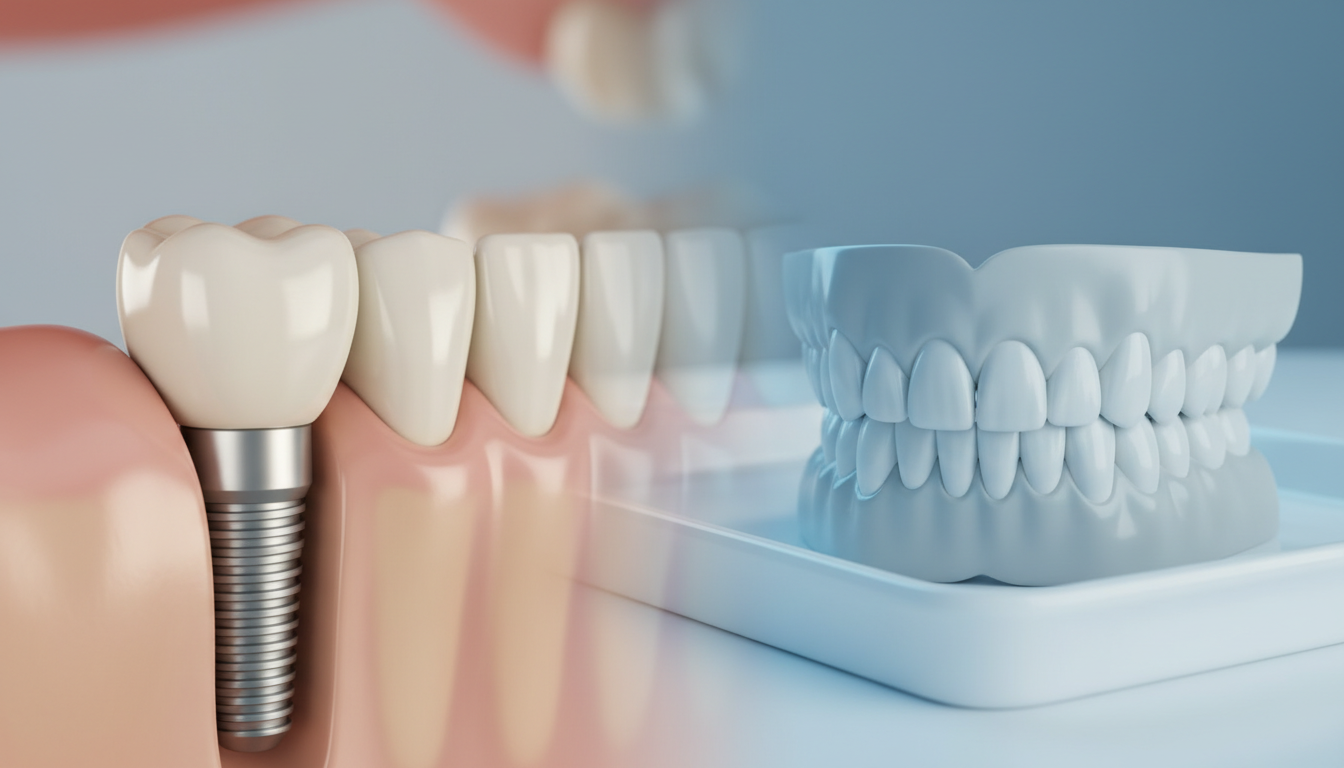
Implant systems use a titanium post, an abutment, and a crown. The post goes into the jaw and the crown restores the bite.
By contrast, dentures are removable appliances that sit on the gums. They may use adhesives for fit and are not fixed to bone.
Impact on Jawbone Health
Anchored implants stimulate the jawbone. This helps slow bone loss and preserves facial support.
Traditional dentures do not integrate with bone. Over time, this can lead to gradual bone loss and changes in the jaw.
| Feature | Implant-Supported | Traditional Dentures |
|---|---|---|
| Attachment | Fixed to jaw with post and abutment | Removable; rests on gums |
| Bone Support | Stimulates and preserves bone | Does not prevent bone loss |
| Comfort & Function | Feels more like natural teeth; better chewing | May slip; less chewing efficiency |
| Maintenance | Routine hygiene, dental visits | Daily cleaning; occasional relines |
The Procedure and Timeline for Dental Implants
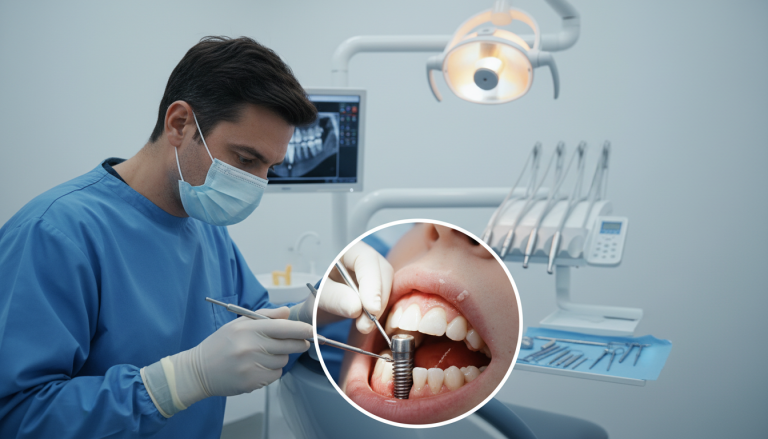
Knowing how the jaw bonds to a metal post clarifies why the process takes weeks to months. The surgical placement begins with a titanium post set into the jaw. Over the next few months the body heals and the jaw grows solidly around that post.
The Process of Osseointegration
Osseointegration is the biological fusion of bone and metal. This creates a secure base for an artificial tooth that can restore chewing and overall function.
- The procedure commonly spans several stages and typically requires a few months before the final crown is placed.
- Patients need adequate bone density; grafting may be required when density is low.
- Regular checkups help monitor gum health and post stability and catch issues early.
A 2018 study shows rising interest among adults ages 55–64 in these restorations. Failure rates run about 5%–10%, so precise surgery and professional follow-up matter. When successful, a dental implant offers a long-term replacement that looks and functions much like natural teeth, and it can protect the jaw against further bone loss and help restore a confident smile.
How Dentures Are Custom Fitted for Your Mouth
A precise fitting process ensures that removable restorations feel natural and work well for daily eating.
First, the clinician takes detailed impressions of the upper and lower gums and records bite relations. These molds let the lab shape a preliminary set so alignment, length, and esthetics can be checked in the mouth.
Technicians then adjust the trial appliance to match speech and chewing needs. Whether a patient needs partial dentures or a full set, the goal is a stable fit that respects jaw movement and long-term bone support.
Daily cleaning is part of routine care: removable pieces are soaked and brushed to limit bacterial buildup. Over time, oral contours change and periodic adjustments help maintain comfort and function.
- Impressions ensure a snug, secure fit for the mouth.
- Bite checks restore proper speech and chewing of teeth.
- Traditional dentures or implant-supported dentures follow similar trial and adjustment steps for best results.
Comparing Upfront Costs and Long-Term Value
Comparing immediate expense with decades of performance helps people weigh options clearly.
The American Dental Association reports a single implant can range from about $1,600 to $2,200 per tooth.
A full upper or lower set of dentures averages near $1,600.
While implants carry a higher upfront price, they often offer superior stability and long-term value.
With good oral care, implants can last for decades and improve chewing and daily comfort.
Dentures are generally more affordable at the start, but removable options may need replacement every 5–7 years to keep fit and function.
That cycle adds cost over time and may affect foods a person can eat comfortably.
- Upfront cost: dentures dental solutions cost less initially.
- Long-term value: implants provide durability and better function for many people.
- Financial planning: patients should discuss total cost, follow-up visits, and potential grafting with their clinician.
Choosing the best option blends budget, lifestyle, and desired ability to eat a wide range of foods.
A frank cost conversation helps set realistic expectations for both short- and long-term outcomes.
Daily Maintenance and Hygiene Requirements
Daily routines shape how long a restoration stays healthy and comfortable.
Good habits matter. Gentle but consistent cleaning keeps the mouth healthy and prevents problems with fit or infection.
Caring for Removable Appliances
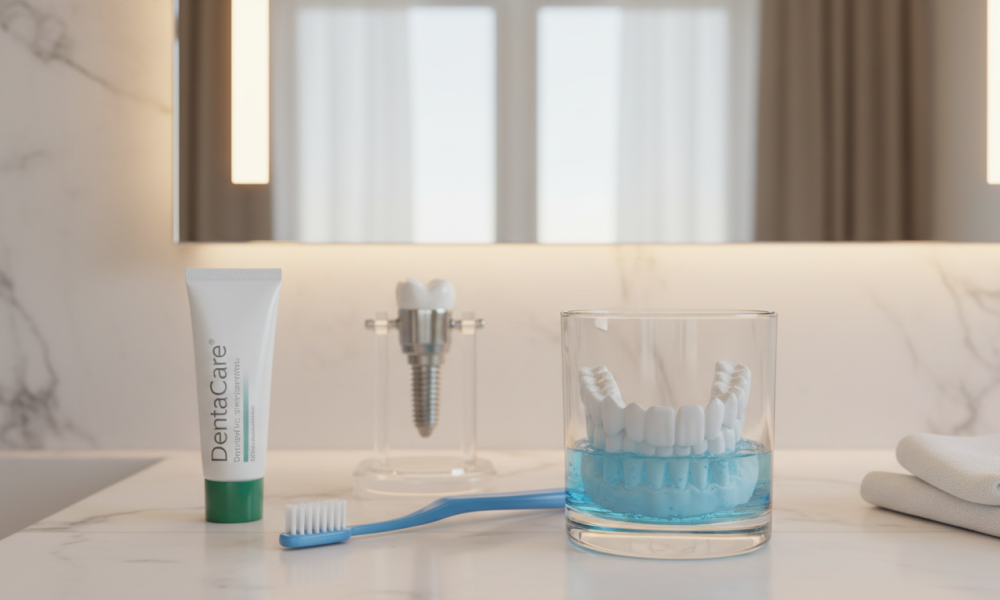
Remove dentures each night and soak them in water or a special cleaning solution. This prevents staining and reduces bacterial buildup.
Brush the appliance with a soft brush before placing it back. Rinse your mouth and the appliance to remove debris and protect your gums.
Maintaining Implant Longevity
Maintaining your dental implants follows many steps used for natural teeth. Brush twice daily and floss around the fixture to stop plaque and protect gum health.
Avoid chewing hard or sticky foods that can harm the crown. Regular professional cleanings check stability and catch issues early.
| Task | Removable Dentures | Implant-Supported |
|---|---|---|
| Daily | Remove, soak overnight, brush | Brush, floss, rinse |
| Weekly | Deep soak; check for odors | Interproximal cleaning; inspect crown |
| Professional Check | Relines or adjustments as fit changes | Periodontal checks; hygiene visits |
Regular visits help preserve function and comfort. With simple care, a restoration can support a confident smile for years.
Evaluating Your Candidacy Based on Bone Density
A clear assessment of jawbone health often decides which replacement option will work best. A clinician will measure bone volume and quality to see if a post can be supported safely.
If you have adequate bone, an anchored post can be a long-lasting solution that preserves jaw support and restores strong chewing. When bone is limited, grafting may be suggested to build the jawbone before placement.
Significant bone loss or medical limits can make removable restorations the safer choice. Traditional dentures or implant-supported dentures remain common alternatives for people who cannot undergo surgery.
- A thorough evaluation by your dentist determines whether bone density meets the requirements.
- If needed, bone grafting can bolster the jaw to allow later placement.
- Health of the gums and overall medical status influence candidacy and cost planning.
- Discuss your needs with a professional to choose the safest, most effective option.
Exploring Alternative Solutions for Missing Teeth
When a full implant plan isn’t right now possible, several interim and hybrid options can fill the gap. These choices help patients replace missing teeth, preserve appearance, and manage cost while planning long-term care.
Dental Bridges
Bridges attach to adjacent natural teeth to support a replacement tooth. They restore chewing and speech without placing posts in the jaw.
Bridges work well when surrounding teeth are strong. They offer a fixed option that avoids removable appliances and can protect against shifting of nearby teeth.
Temporary Partial Flippers
Often called flippers, these partial dentures are a low-cost, removable solution for months while awaiting a permanent restoration.
Flippers keep the smile intact and are simple to clean. They are not designed for heavy chewing, so patients should follow care advice to avoid damage.
Snap-in Overdentures
Snap-in overdentures combine a denture base with anchors placed in the jaw. A 2015 study found they provide more stability than traditional dentures.
These hybrid prostheses reduce movement, help limit bone loss, and are removable for easy cleaning. They can be a practical middle ground for people who want better function without full implant surgery.
- Bridges: fixed, stable, good for adjacent healthy teeth.
- Flippers: affordable short-term appearance solution.
- Snap-in overdentures: secure fit, removable for cleaning, support bone health.
The Benefits of Combining Implants and Dentures
A hybrid approach can transform loose mouth appliances into stable, confidence-restoring solutions.
Implant-supported dentures anchor a removable appliance to a few stable posts. A 2019 study found higher satisfaction for comfort and chewing versus conventional dentures.
This combination stops much of the slipping that people feel with traditional dentures. It also helps preserve the jaw and bone by adding focused stimulation where posts meet the bone.
Patients report improved function and a fit that feels closer to natural teeth. Speaking and eating become easier, and messy adhesives are often unnecessary.
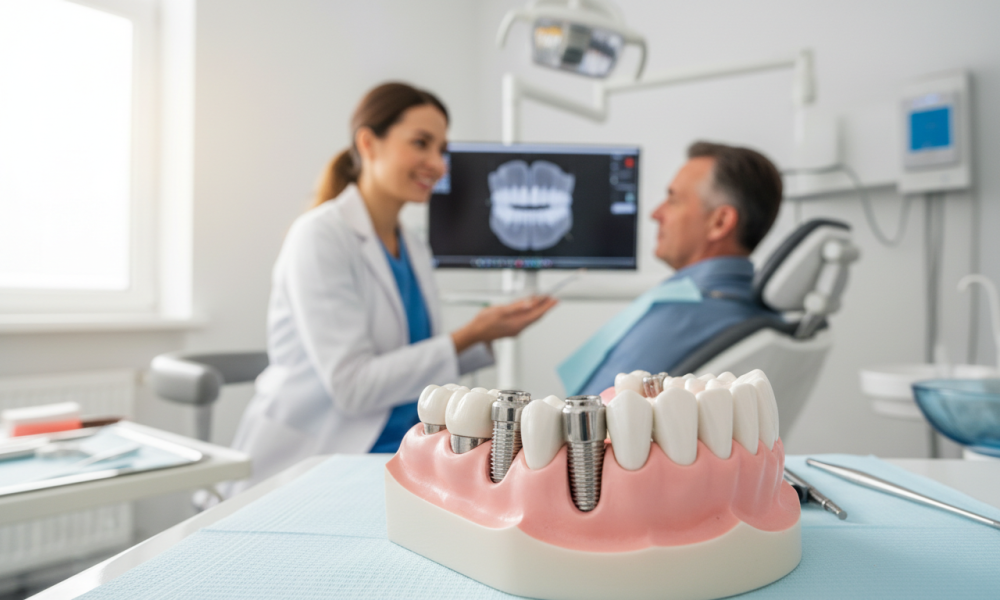
For many, this middle path offers the long-term benefits of implants while keeping coverage and daily care similar to dentures. It is a practical option for those who seek comfort, stability, and a natural look in the mouth.
- Secure fit without constant adhesives
- Better chewing efficiency and comfort
- Preserves jaw bone compared with removable-only solutions
- Feels more like having like natural teeth
Conclusion
Finding the right option means weighing function, budget, and long-term mouth health. A patient should discuss their unique needs and goals with a trusted clinician to make the best choice.
For many, dental implants offer a lasting fix that preserves bone and improves chewing over the years. Others prefer dentures for lower upfront cost and practical care routines.
If you face missing teeth after tooth loss, ask about hybrid routes like dentures implants and options that limit bone loss.
Good daily care supports oral health and helps your new smile last. Take time to compare risks, benefits, and how each plan fits your life.
FAQ
What are the main differences between replacing a missing tooth with an implant and using removable dentures?
Implants are titanium posts placed into the jaw that integrate with bone and support a crown that feels and functions much like natural teeth. Removable dentures sit on the gums and are not fixed to bone; they restore appearance and basic chewing but may shift, need periodic relining, and do not prevent jawbone loss the way an implant can.
How does tooth loss affect jawbone health and facial structure?
When a tooth is lost, the underlying jawbone no longer receives normal chewing stimulation and gradually resorbs. Over time this can change facial contours, reduce bite strength, and make neighboring teeth shift. Implant-supported solutions help preserve bone by transferring functional forces into the jaw, slowing resorption.
What is the typical timeline for getting an implant-supported crown?
The process often involves extraction (if needed), placement of a titanium post, then a healing period for osseointegration that commonly lasts several months. After the implant fuses with bone, a custom abutment and crown are attached. Total time varies by case—often three to nine months—depending on bone condition and any preparatory procedures.
What is osseointegration and why does it matter?
Osseointegration is the biological process where bone grows and bonds to the surface of a titanium implant. This stable connection is essential for the implant to withstand chewing forces and function like a natural root. Proper healing and bone quality determine long-term success.
How are dentures custom fitted to the mouth?
Dentures are made after impressions and bite records are taken to match the gums, jaw relationships, and facial contours. Lab-fabricated models are tried in the mouth to check fit, appearance, and comfort before final processing. Adjustments and relines may be needed over time as the mouth changes.
Which option offers better long-term value: an implant or a denture?
Implants have a higher upfront cost but often offer greater long-term value due to durability, reduced need for replacement, and preservation of jawbone. Removable dentures cost less initially but may require frequent repairs, relines, or replacement and can contribute to continued bone loss.
How should removable appliances be cared for on a daily basis?
Removable appliances should be taken out for cleaning each night, brushed with a nonabrasive cleaner, and soaked in a denture solution as directed. Rinse before wearing. Avoid hot water and abrasive pastes. Regular dental checkups help ensure fit and oral health.
What daily maintenance helps implants last longer?
Implants require daily brushing and flossing around the abutment, use of interdental brushes or floss designed for implants, and routine dental visits for professional cleaning. Avoiding tobacco and controlling conditions like diabetes improves long-term outcomes.
How does low bone density affect candidacy for an implant?
Insufficient bone height or width can limit implant placement. However, many patients are candidates after bone grafting, sinus lifts, or use of narrower implants. A cone-beam CT scan and clinical exam help determine bone quality and the best treatment plan.
What are common alternatives to full implant treatment for missing teeth?
Alternatives include fixed bridges that span gaps using adjacent teeth for support; temporary partial flippers—lightweight acrylic replacements used short-term; and snap-in overdentures that clip onto a small number of implants to improve retention while remaining removable.
What are snap-in overdentures and who benefits from them?
Snap-in overdentures use two or more implants with attachments that allow the denture to snap into place. They offer improved stability and chewing compared with conventional dentures, are removable for cleaning, and suit patients who want better function without a full fixed restoration.
Can implants be combined with dentures to get the advantages of both?
Yes. Implant-supported dentures or hybrid prostheses use implants to anchor a denture or fixed bridge. This approach improves comfort, chewing ability, and bone preservation while reducing movement and sore spots associated with traditional removable dentures.
How long can a properly cared-for implant or denture last?
With good oral hygiene and regular dental care, implants and their crowns can last decades, often 20 years or more. Conventional dentures typically need relining or replacement every 5–10 years due to changes in the mouth and wear of materials.
Will getting an implant or denture change what foods a person can eat?
Implants closely restore chewing function, allowing most foods without special restrictions once healed. Denture wearers often avoid very sticky or hard foods and may need practice to regain confidence with tougher textures. Implant-supported overdentures reduce many dietary limitations.
Related guides
How Long Does a Dental Implant Procedure Take?
Curious if the journey to a restored smile will fit your life? Many patients wonder about the full…

Best Hair Transplant in Istanbul,Turkey
Could one clinic end years of worry and restore your confidence with a clear, tailored plan?Dr. Serkan Aygin…

What is Zygomatic Dental Implant?
Could anchoring into the cheekbone restore a confident smile when the upper jaw can’t?Zygomatic dental implants offer an…