
Choosing between dentures and implants can significantly impact your oral health and overall quality of life. This guide explores the differences, benefits, and considerations involved in making this important choice, especially when seeking treatment abroad.
What are Dentures and Implants?
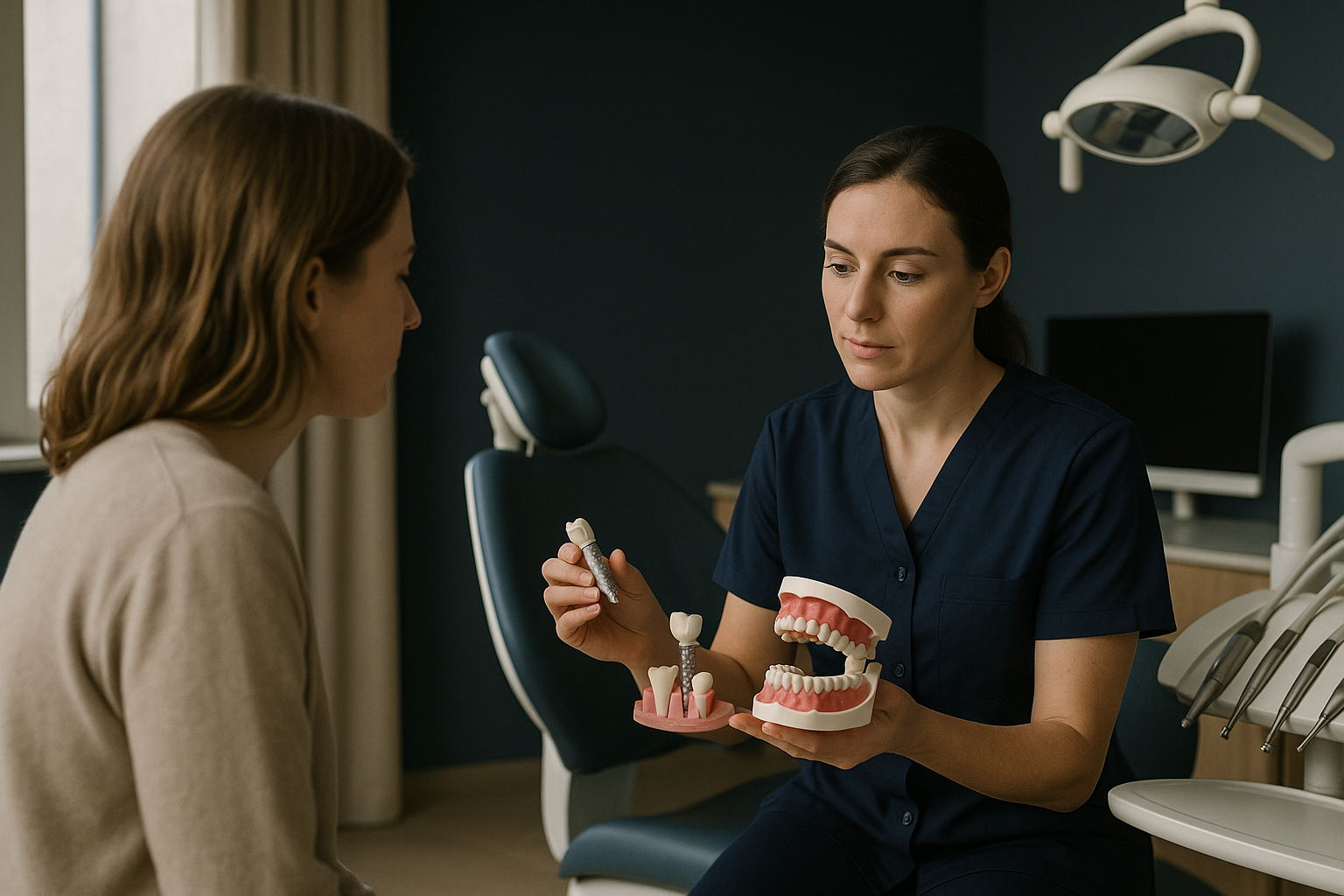
Dentures and implants serve the primary purpose of replacing missing teeth, but they differ fundamentally in their design, function, and the experience they offer to patients. Dentures are removable appliances that replace missing teeth and surrounding tissue. They are typically made of acrylic resin, sometimes combined with metal attachments for added stability. Dentures come in two main types: full dentures, which replace all the teeth in the upper or lower jaw, and partial dentures, which fill the gaps left by some missing teeth.
Implants, on the other hand, provide a more permanent solution. They consist of artificial roots made of titanium that are surgically placed into the jawbone. These implants act as a stable base for supporting replacement teeth or dental bridges. The process of getting implants is more involved, requiring not just initial implantation but also a period for the jawbone to integrate with the implant—a process known as osseointegration.
Understanding these differences is crucial for patients considering dental tourism, as each option offers unique benefits and challenges. Dentures are generally more affordable and non-invasive, making them suitable for short-term or less drastic solutions. Implants, while initially more expensive and requiring a surgical procedure, offer a more natural-feeling and long-lasting solution that many find worth the investment.
For those considering dentures implants abroad, it is important to consider the local expertise and the technology available, as these factors can influence the overall success and satisfaction with your dental treatment. Additionally, some countries may offer advanced techniques and materials that could enhance the durability and aesthetics of both dentures and implants, making it imperative to research and understand what is available in your chosen destination.
How Do Dentures and Implants Differ in Cost?
Cost is a significant factor when choosing between dentures and implants, particularly for international patients. Dentures are often less expensive initially, with prices ranging from $600 to $1,500 for complete dentures per arch, depending on the materials used and the complexity of the case. However, they typically require replacement or relining every 5-8 years, which can add to long-term costs, making them less economical over time.
Implants, while more costly upfront, offer durability and longevity that can make them more cost-effective in the long run. The cost of a single implant can range from $1,500 to $6,000, depending on various factors such as the type of implant, the number of implants required, and the location where the procedure is performed. Additional costs can include abutments and crowns, which might add $500 to $3,000 to the total cost per implant.
For medical travelers, it is crucial to account for these variables when budgeting for dental care abroad. Many patients choose countries like Mexico, Thailand, or Hungary, where dental procedures can be significantly cheaper than in the US or Western Europe. It’s essential to factor in travel expenses, accommodation, and potential follow-up visits when considering the total cost of receiving dentures implants abroad.
Ultimately, the choice between dentures and implants should not be based solely on cost but should consider the long-term benefits, potential complications, and personal circumstances. Consulting with a dental professional who understands the nuances of dental tourism can provide valuable insights. For example, they can advise on the total cost of ownership over the lifespan of the treatment and help compare international prices effectively.
What is the Timeline for Dentures and Implants?
Timelines for dentures and implants differ significantly due to the nature of each treatment. Dentures can often be fitted relatively quickly, requiring just a few visits over the course of a few weeks to complete the process. This makes them a convenient option for those with limited time or needing immediate restoration of their smile.
In contrast, implants typically require a more extended timeline, involving several stages over a few months to a year. The implant process begins with an initial consultation, followed by the surgical placement of the implant into the jawbone. After this, a healing period is necessary, often taking 3 to 6 months, to allow osseointegration, where the bone grows around the implant to secure it firmly.
Once healing is sufficient, additional visits are required to attach the abutment and then to place the final crown or bridge. This staged approach is essential for ensuring the stability and longevity of the implants but requires more patience and commitment from the patient.
Understanding these timelines is crucial for planning international dental procedures, as patients need to ensure they can accommodate the necessary time away from home and work. For those opting for dental tourism, it is also important to consider the availability of immediate follow-up care and the need for travel back to the clinic if any issues arise during the healing process. Planning for these contingencies can help ensure a smooth and successful treatment abroad.
How Safe are Dentures and Implants?
Both dentures and implants are generally safe when performed by qualified professionals, but each comes with its own set of risks and considerations. Dentures involve minimal surgical intervention, which significantly reduces the risks associated with their use. However, they can cause discomfort or irritation if not properly fitted, and there is a risk of infections if oral hygiene is not maintained.
Implants, while involving a surgical procedure, have a high success rate and are considered safe when performed by experienced practitioners. The primary risks associated with implants include infection at the implant site, implant failure, or nerve damage, which are rare but possible complications. The success rate of dental implants is approximately 95%, making them a reliable option for most patients.
Ensuring the clinic is accredited and the dentist is reputable is vital in mitigating these risks. For those considering dental tourism, it is essential to research the credentials of the practitioners and the history of the clinic. Checking for professional affiliations and certifications, such as from the American Academy of Implant Dentistry or equivalent bodies in the country where the procedure will be performed, can provide reassurance about the quality of care.
Ultimately, the safety of dentures and implants largely depends on the skill of the dentist and the patient’s commitment to following post-procedure care instructions. For those traveling abroad, it is advisable to have a plan in place for aftercare and emergency contacts in case of complications. Regular follow-ups and maintaining good oral hygiene are essential components of post-treatment care to ensure long-term success.
What Accreditations Should You Look for Abroad?
When considering dental procedures abroad, accreditation is crucial to ensure safety and quality. Look for clinics certified by reputable bodies such as the Joint Commission International (JCI) or those adhering to ISO standards. These certifications indicate adherence to high standards of care and patient safety, ensuring that the clinic maintains rigorous health and safety protocols.
Additionally, it is beneficial to seek clinics that are members of international dental associations, which can be a mark of credibility and commitment to ongoing education and professional development. For example, a clinic that is part of the International Congress of Oral Implantologists (ICOI) demonstrates a focus on implant dentistry excellence.
Researching the clinic’s history and reading reviews from previous patients are essential steps in the decision-making process. Online forums and dental tourism review sites can provide insights into other patients’ experiences, helping you gauge the quality of care provided. Verifying the dentist’s credentials, such as their education, experience, and any specialized training, is also important.
This due diligence helps ensure that you receive high-quality care, mitigating the risks associated with international dental treatments. Additionally, consider seeking recommendations from local dental associations or trusted healthcare consultants who specialize in medical tourism to help guide you to reputable clinics. Understanding the regulatory environment in the destination country can also offer insights into the expected standards of care.
How Do Comfort and Functionality Compare?
Comfort and functionality are critical considerations when choosing between dentures and implants. Dentures may require adjustments over time to fit properly and are susceptible to slipping, which can cause discomfort and affect speech and eating ability. However, they are non-invasive and suitable for patients who prefer a removable option or who may not be candidates for implants due to bone density or other health issues.
Implants offer superior comfort and functionality, mimicking natural teeth in both appearance and performance. They are fixed and stable, eliminating concerns like slipping and providing a secure fit that allows for normal eating and speaking. This stability can also help preserve the jawbone, preventing the bone loss that can occur with missing teeth or ill-fitting dentures.
Although the initial procedure for implants is more invasive, involving surgery and a healing period, many patients find the long-term benefits outweigh the temporary discomfort. Implants can improve oral health by maintaining the structure of the jawbone and providing a permanent solution that feels and functions like natural teeth.
Ultimately, the choice between dentures and implants for comfort and functionality depends on individual preferences and health conditions. Consulting with a dental professional can provide personalized recommendations based on your specific needs and circumstances, ensuring the best outcome for your oral health and lifestyle. Evaluating your lifestyle and daily activities can also help determine which option offers the best fit for your everyday life.
Conclusion: Making the Right Choice
Deciding between dentures and implants involves weighing factors such as cost, timeline, safety, and personal preference. Both options have their merits, but the right choice depends on individual needs and circumstances. Consulting with dental professionals and considering the unique aspects of treatment abroad will help you make an informed decision.
It is important to consider your long-term oral health goals, budget constraints, and the practicalities of receiving dental care abroad when making your decision. By thoroughly researching your options and seeking professional guidance, you can choose the solution that best meets your needs, providing you with a healthy, confident smile for years to come. Emphasizing the importance of ongoing care and follow-up can also enhance the long-term success of your chosen treatment.
Proven result
20 to 200 hair-transplant patients a month from Australia
Aesthetic surgery group
Frequently asked questions
What are the main differences between dentures and implants?
Dentures are removable and cost-effective, while implants are permanent solutions offering better comfort and functionality.
How much do dental implants cost internationally?
The cost varies widely by country and provider, ranging from a few hundred to several thousand dollars per implant.
Are dental implants safe for international patients?
Yes, when performed by accredited professionals, implants are safe with a high success rate. Ensuring the clinic’s accreditation is essential.
How long does the dental implant process take?
Typically, the process involves several stages over a few months, including consultation, implant placement, healing, and crown attachment.
Related guides

Turkey Hospitals vs Local Hospitals Compared
A lower procedure quote can get a patient’s attention. It should not make the decision on its own.…

Patient Experience That Drives Trust and Growth
A patient who has already uploaded medical records, compared providers, and arranged time away from work is not…

What Is a Medical Travel Facilitator and Why Use One?
A lower treatment quote can look compelling until you try to compare what it actually includes: surgeon fees,…