
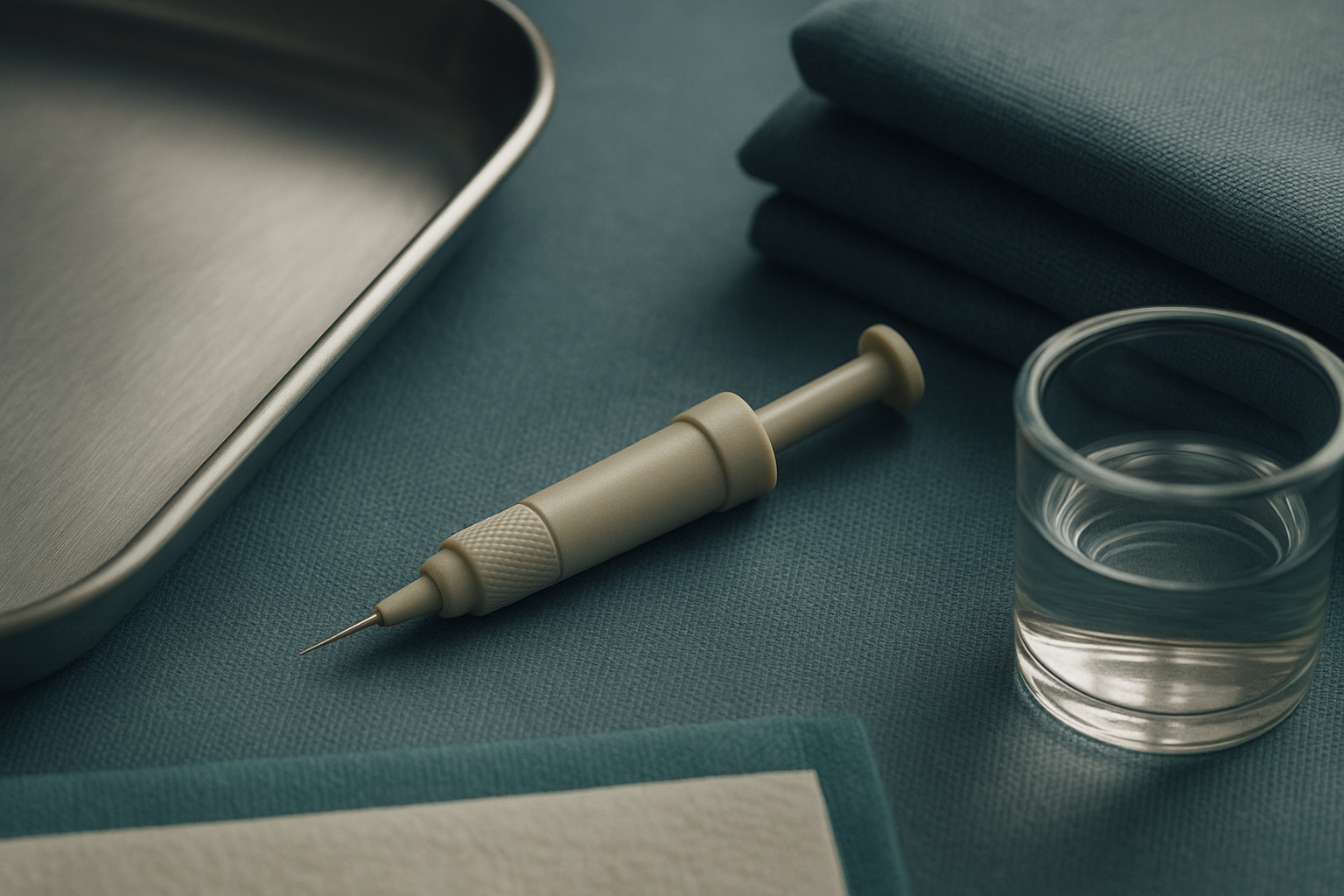
DHI hair replacement is an innovative method in the field of hair transplantation, known for its precision and minimally invasive technique. This method is gaining popularity globally for its ability to deliver natural-looking results.
What is DHI Hair Replacement?
DHI, or Direct Hair Implantation, is a state-of-the-art hair transplant procedure that involves the direct implantation of hair follicles into the scalp. Unlike traditional methods, DHI does not require the creation of recipient sites prior to implantation, which enhances the precision and control during the procedure. This technique is particularly advantageous for those who are concerned about the natural appearance of their hair post-transplant.
The process utilizes a patented tool called the Choi Implanter Pen, allowing for direct insertion of hair follicles. This tool enables the surgeon to control the angle, depth, and direction of the implanted hair, producing highly natural results. The fine-tuned control means that the implanted hair can match the natural hair’s growth pattern, resulting in an indistinguishable transition. This precision is why many patients and surgeons prefer DHI over other methods like FUE (Follicular Unit Extraction) or FUT (Follicular Unit Transplantation).
DHI is ideal for those seeking a less invasive procedure with minimal downtime. The technique reduces the risk of scarring and speeds up recovery time, making it a preferred choice for many. Patients often experience a quicker return to normal activities, typically within a week. This method is particularly beneficial for individuals with busy lifestyles who cannot afford extended recovery periods. Furthermore, the DHI method’s precision allows for higher hair density, which is often a critical factor for patients looking for comprehensive coverage. For those who prioritize aesthetics and minimal disruption to their daily lives, DHI provides an optimal solution.
How Does the DHI Hair Transplant Method Work?
The DHI method begins with the extraction of hair follicles from a donor site, typically the back of the head, where hair growth is permanent. The donor area is chosen based on the hair’s density and the patient’s overall hair characteristics. Once identified, the surgeon carefully extracts healthy hair follicles using a fine instrument, preserving the integrity of each follicle. This step is critical as the quality of the donor hair directly impacts the success of the transplant.
The extracted follicles are then loaded into the Choi Implanter Pen. This pen allows for direct implantation into the scalp without the need for prior incisions. The surgeon carefully implants each follicle, considering the natural growth pattern of the hair to ensure seamless integration with existing hair. The precision involved in this process minimizes the risk of follicle damage and enhances the survival rate of the implanted hair. This meticulous approach ensures that the transplanted hair blends naturally with the surrounding hair, creating an aesthetically pleasing result.
Through this precise method, DHI minimizes trauma to the scalp and ensures that hair density is maximized in the treated area. The result is a fuller, more natural appearance. Patients can expect to see initial hair shedding after a few weeks, followed by new growth within 3 to 4 months, with full results visible after about a year. This timeline aligns well with natural hair growth cycles, ensuring a gradual and natural transformation. The gradual change is beneficial for those who prefer a subtle enhancement rather than a dramatic overnight change in their appearance.
Is DHI the Best Hair Transplant Method?
While no single hair transplant method can be deemed the best for everyone, DHI offers several advantages that make it a strong contender. Its minimally invasive nature and ability to produce natural results are significant benefits. DHI’s precision allows for detailed customization in hairline design, which can be crucial for individuals seeking specific aesthetic outcomes. The ability to tailor the hairline to the patient’s facial features is one of the standout features of this technique.
Patients often prefer DHI due to its reduced risk of scarring and shorter recovery period compared to other methods like FUE (Follicular Unit Extraction) and FUT (Follicular Unit Transplantation). The absence of stitches and linear scars is particularly appealing to those concerned about visible scarring. However, the best method will depend on individual needs, hair type, and desired outcome. Factors such as the extent of hair loss, the texture and color of the hair, and the patient’s health condition play critical roles in determining the most suitable procedure. Each of these factors must be carefully considered during the planning phase.
Consulting with a qualified hair transplant specialist is essential to determine the most appropriate method for each patient’s unique situation. During the consultation, specialists will conduct a thorough assessment, which may include scalp analysis and hair density evaluation, to recommend the best course of action. This personalized approach ensures that each patient receives a treatment plan tailored to their specific goals and expectations. Informed decision-making is crucial, as it can significantly impact the success and satisfaction of the procedure.
What is Robotic DHI Hair Transplant?
Robotic DHI hair transplant combines the precision of robotic technology with the innovative DHI technique. This approach utilizes advanced robotics to assist in the extraction and implantation of hair follicles. The integration of robotics enhances the accuracy and consistency of the procedure, providing a level of precision that can be challenging to achieve manually. This technology-driven method is particularly advantageous in complex cases where high precision is paramount.
The robotic system ensures consistent accuracy in follicle placement, which can further enhance the natural appearance of the results. This technology is particularly beneficial for large-scale transplants or when high precision is required. In cases where extensive areas require coverage, robotic assistance can efficiently handle a high volume of follicle placements while maintaining precision. The robotic system can also reduce human error, which is a significant consideration in procedures requiring such meticulous detail.
While robotic DHI may offer enhanced precision, it is generally more expensive than traditional DHI due to the technology involved. The cost is offset by the benefits of improved accuracy and potentially shorter procedure times. Patients considering robotic DHI should weigh these factors against their budget and desired outcomes. Additionally, the choice of clinic and the expertise of the surgical team in utilizing robotic systems are crucial factors in achieving optimal results. It’s important for patients to research clinics thoroughly and choose one with a proven track record in robotic hair restoration.
Does DHI Hair Transplant Leave Scars?
One of the key advantages of the DHI method is its ability to minimize scarring. Unlike traditional hair transplant techniques that involve strip harvesting, DHI uses individual follicle extraction and implantation. This method significantly reduces trauma to the scalp and eliminates the need for stitches, resulting in minimal scarring. For many patients, the prospect of minimal scarring is a significant factor in choosing DHI over other hair restoration techniques.
Most patients find that any minor scarring that does occur is virtually undetectable once the hair has grown back. The small puncture wounds created during follicle extraction and implantation heal quickly, leaving no visible marks. For individuals concerned about post-surgical aesthetics, DHI offers a discreet solution with a natural finish. The minimal scarring associated with DHI is particularly appealing for individuals who prefer to keep their hair restoration discreet.
Proper aftercare and following the surgeon’s post-operative instructions can further reduce the risk of visible scarring. Patients are typically advised to avoid direct sunlight and strenuous activities for a few weeks following the procedure. Additionally, using prescribed topical treatments and maintaining good hygiene can accelerate healing and minimize the risk of complications, ensuring the best possible aesthetic outcome. Adhering to these guidelines is essential for achieving optimal healing and reducing the chances of any long-term visible scarring.
DHI Hair Cost: What to Expect?
The cost of DHI hair replacement varies depending on several factors, including the number of grafts required, the clinic’s location, and the experience of the surgeon. On average, DHI tends to be more expensive than other transplant methods due to its precision and minimally invasive nature. The price per graft can range from $2 to $10, with the total cost potentially reaching $10,000 or more for extensive procedures. This pricing structure reflects the advanced technology and expertise involved in performing DHI hair transplants.
Patients can expect to pay anywhere from a few thousand to tens of thousands of dollars. It’s important to consider the long-term benefits and natural results when evaluating the cost. While DHI may require a higher upfront investment, the quality of results and reduced need for future corrective procedures can make it a cost-effective choice in the long run. The financial aspect should be weighed against the potential for achieving a natural, lifelong improvement in hair density and appearance.
Consulting multiple clinics and reviewing patient testimonials can help prospective patients find a reputable provider offering fair pricing. Comparing quotes and understanding what each package includes, such as post-operative care and follow-up consultations, are essential steps in making an informed decision. Ultimately, choosing a skilled and experienced surgeon is crucial to achieving satisfactory results, as expertise significantly impacts the outcome and overall satisfaction with the procedure. Patients are encouraged to carefully evaluate all aspects of the procedure, including cost, to ensure they are making a well-informed decision.
Conclusion
DHI hair replacement is a cutting-edge solution for those seeking a natural-looking hair transplant with minimal downtime. Its precision and reduced risk of scarring make it a popular choice worldwide. As advancements continue in this field, DHI remains at the forefront of innovative hair restoration techniques, setting a high standard for safety and effectiveness. The continuous evolution of DHI technology promises even more refined results and improved patient experiences in the future.
While more costly than some other methods, the investment in DHI often results in a more satisfactory and long-lasting outcome. Prospective patients should research thoroughly and consult with qualified specialists to make an informed decision. Understanding the nuances of different hair transplant techniques and how they align with personal goals is essential for achieving the desired results. This awareness empowers patients to choose the method that best suits their unique needs and lifestyle.
By considering factors such as clinic reputation, surgeon experience, and patient reviews, individuals can select the best option tailored to their needs. The journey to restoring hair and confidence is deeply personal, and choosing the right method is a crucial step in this transformative process. As with any medical procedure, informed decision-making and clear communication with healthcare providers are key to ensuring a successful outcome and a positive experience.
Proven result
20 to 200 hair-transplant patients a month from Australia
Aesthetic surgery group
Frequently asked questions
What is DHI hair transplant?
DHI hair transplant is a method where hair follicles are directly implanted into the scalp using a specialised tool, enhancing precision and natural results.
Is DHI the best hair transplant method?
DHI is considered one of the top methods due to its minimally invasive nature and natural results, though the best method varies per individual.
Does DHI hair transplant leave scars?
DHI significantly reduces scarring risk as it involves direct implantation without the need for incisions or stitches.
How much does DHI hair replacement cost?
The cost varies by location and clinic, generally ranging from a few thousand to tens of thousands of dollars, depending on the complexity.
Related guides

How Overseas Surgery Insurance Really Works
A lower treatment quote can quickly lose its advantage if an unexpected complication extends your stay, requires emergency…

Analyzing the Medical Tourism Market: Current Trends
Quick answerThe medical tourism market is growing due to factors like cost-effective treatments, advanced medical technologies, and international…
Best Country for Cancer Treatment: Top Countries for Advanced Cancer Treatment Options
Quick answerCountries like the USA, Germany, and Japan offer some of the best cancer treatment in the world,…