
Hair transplantation is a growing solution for those experiencing hair loss. Two popular methods are DHI and FUE hair transplants. Understanding their differences helps in making an informed choice for hair restoration.
What is DHI Hair Transplant?
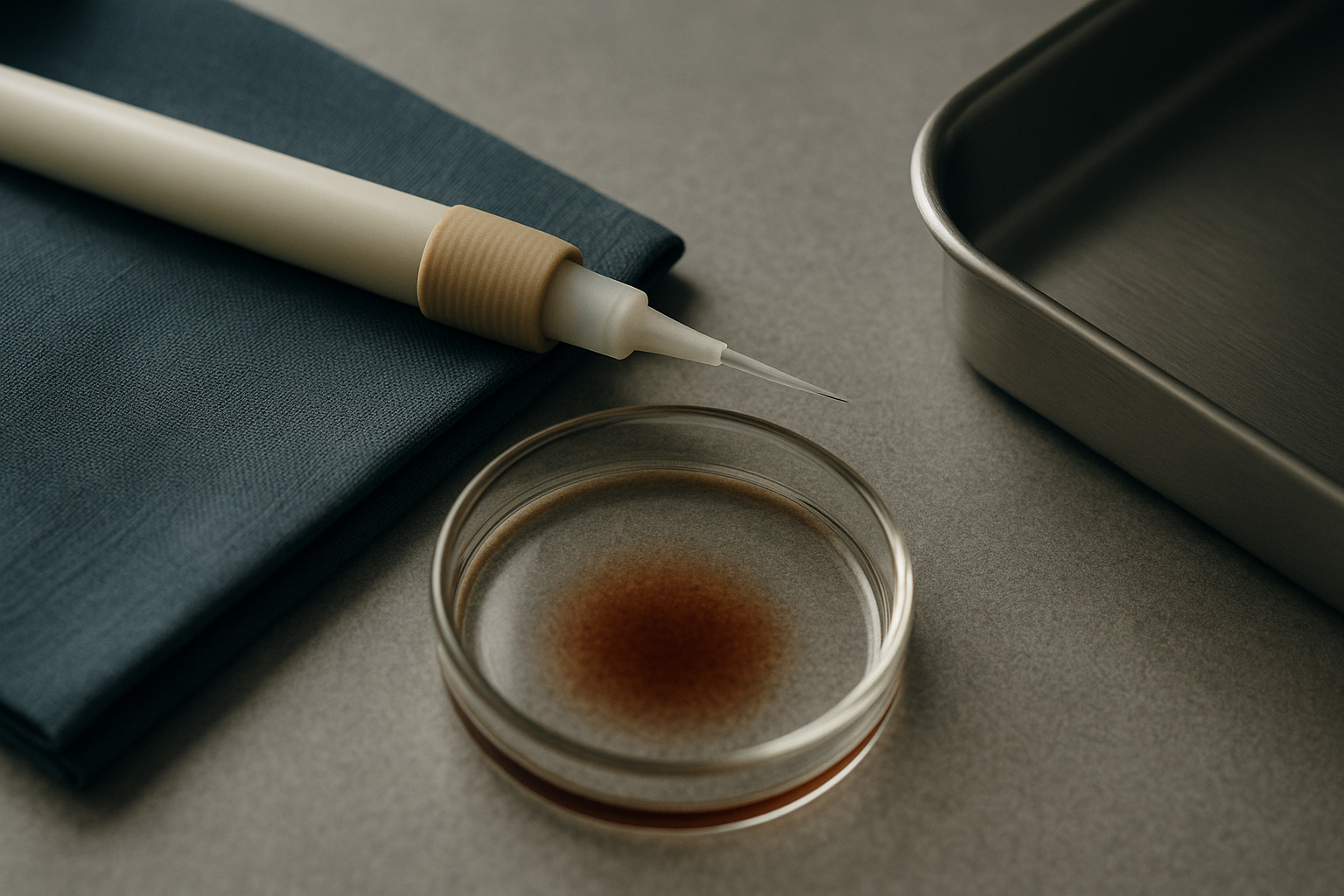
DHI, or Direct Hair Implantation, is an advanced hair transplant technique that prioritizes precision and efficiency. It involves using a specialized tool known as the Choi Implanter Pen, which allows surgeons to implant hair follicles directly into the scalp without the need for prior incisions. This approach minimizes trauma to the scalp and aims for a quicker recovery, making it a desirable option for many.
The DHI process begins with extracting hair follicles from the donor area, typically located at the back of the head where hair is more resistant to balding. These follicles are then immediately implanted into the recipient area, one by one, ensuring a natural look and density. The lack of pre-made incisions distinguishes DHI from other methods, as it reduces the chance of visible scarring and allows for more precise control over the placement of each follicle.
Patients often choose DHI for its meticulous approach to hair restoration and the reduced risk of noticeable scarring. Despite its advantages, the method requires highly skilled practitioners, which can make it more expensive than other techniques. The success of the procedure largely hinges on the expertise of the surgeon, making it crucial for patients to select a reputable clinic with experienced professionals. Therefore, prospective patients should research thoroughly and seek clinics that have a track record of successful DHI procedures.
Is DHI the Best Hair Transplant Method?
Determining whether DHI is the best method for hair transplantation depends on various individual factors. DHI offers a high level of precision in hair placement, which can result in more natural-looking outcomes. This is particularly beneficial for patients seeking to restore hair in areas requiring high density and detailed attention, such as the hairline.
However, DHI might not be the ideal choice for everyone. The procedure is generally more time-consuming and costly compared to other methods like FUE. Patients should take into account their hair type, the extent of hair loss, and their desired outcomes when evaluating suitability. A consultation with a hair transplant specialist can provide valuable insights into whether DHI aligns with a patient’s specific needs.
While DHI is highly effective, the best hair transplant method is subjective and varies per individual. Factors such as personal preference, budget constraints, and the unique characteristics of one’s hair should all be considered in the decision-making process. Ultimately, the choice of method should be made after thorough research and consultation with experienced practitioners. By doing so, patients can ensure that they select a method that not only aligns with their aesthetic goals but also fits seamlessly into their lifestyle and financial plans.
DHI vs FUE: Key Differences
Both DHI and FUE are popular for their minimally invasive approaches to hair restoration, yet they differ significantly in technique. In FUE, or Follicular Unit Extraction, hair follicles are extracted individually from the donor area and then implanted into slits made in the recipient area of the scalp. DHI, in contrast, utilizes a pen-like tool to implant follicles directly into the scalp without prior incision, allowing for greater precision.
This distinction gives DHI an edge in controlling the angle, direction, and depth of hair placement, which can contribute to a more natural appearance. This precision is particularly beneficial for areas requiring intricate detail, such as the hairline or temples. However, FUE is often preferred for its faster procedure time and potentially lower costs, making it a practical option for those with budgetary or time constraints.
The decision between DHI and FUE should involve careful consideration of the patient’s goals, hair type, and budget. A comprehensive consultation with a qualified hair transplant surgeon is essential to understand the benefits and limitations of each method. By evaluating all factors, patients can make an informed choice that aligns with their expectations and needs. It is also critical to consider the recovery time associated with each method and how it might affect your daily activities post-procedure.
| Aspect | DHI | FUE |
|---|---|---|
| Technique | Direct implantation | Extraction and implantation |
| Precision | High | Moderate |
| Cost | Higher | Varies |
| Recovery | Quick | Varies |
Ultimately, the choice between DHI and FUE should be based on thorough research and consultation with qualified professionals. Understanding the nuances of each method is crucial to achieving the desired results in hair restoration. Patients should also consider how each technique might impact their overall satisfaction and long-term hair health.
How Does DHI Hair Transplant Work?
The DHI hair transplant process is a meticulously orchestrated procedure that involves several detailed steps. It begins with the careful extraction of hair follicles from the donor area. This step is crucial because it ensures that the follicles remain intact and healthy, which is essential for successful transplantation. The extraction process is performed using fine instruments that minimize trauma to the scalp, thereby enhancing the survival rate of the follicles.
Once the follicles are harvested, they are loaded into the Choi Implanter Pen. This specialized tool enables the surgeon to implant the follicles directly into the recipient area with unparalleled precision. The pen allows for exact control over the depth, angle, and direction of each implanted hair, which is vital for achieving a natural and aesthetically pleasing result. This level of precision is particularly beneficial for creating a natural-looking hairline and achieving uniform coverage.
Recovery from a DHI procedure is typically swift, with most patients resuming normal activities within a few days. It’s important for patients to follow post-operative care instructions to ensure optimal healing and hair growth. Over the course of several months, the transplanted hair follicles will begin to establish themselves and grow naturally, with full results usually visible within a year. This gradual process allows for a seamless transition as the new hair integrates with existing hair. Adhering to the surgeon’s advice on post-care is crucial to maximize the benefits of the procedure.
Does DHI Hair Transplant Leave Scars?
One of the notable advantages of the DHI hair transplant technique is its ability to minimize scarring. Unlike traditional hair transplant methods that require incisions, DHI utilizes a specialized tool that allows for direct implantation of hair follicles into the scalp. This approach significantly reduces the risk of visible scarring.
While the DHI method is designed to be minimally invasive, it’s important to note that some patients may still experience minor scarring. This is particularly true for individuals with a genetic predisposition to scar easily. However, any scars that do occur are typically very small and tend to fade over time, becoming virtually undetectable.
To ensure the best healing process and minimize any potential scarring, patients are advised to adhere strictly to post-operative care instructions provided by their surgeon. This includes avoiding direct sunlight, refraining from strenuous activities that might impact the scalp, and using prescribed medications or topical treatments to aid in healing. Proper care can greatly influence the overall success of the procedure and the appearance of the scalp post-transplant. By following these guidelines, patients can ensure that their results are both aesthetically pleasing and long-lasting.
Cost and Accessibility of DHI Hair Transplants
The cost of a DHI hair transplant can vary widely depending on several factors, including geographic location, the reputation and experience of the clinic, and the extent of hair loss being treated. In regions like Turkey, which has become a hub for medical tourism, DHI hair transplants can be more affordable compared to other countries. Patients can expect to pay anywhere from £2,000 to £10,000 for the procedure.
When considering the cost, it is essential to evaluate the surgeon’s experience and the clinic’s reputation, as these factors significantly influence the overall outcome of the transplant. A higher price tag often correlates with more experienced surgeons and better facilities, which can lead to superior results. However, this is not always the case, so conducting thorough research and consulting with multiple clinics is crucial.
Patients should also consider additional expenses such as travel and accommodation if they choose to undergo the procedure abroad. Weighing these factors against the potential savings and quality of care is important for making a well-informed decision. By carefully evaluating all aspects, patients can find the best balance between cost and quality, ensuring a satisfactory and successful hair restoration experience. It is also advisable to check for any hidden costs that may arise during the recovery phase or follow-up consultations.
Conclusion: Making an Informed Decision
Choosing between DHI and FUE hair transplants requires careful consideration of personal needs and expectations. Both methods offer effective solutions for hair loss, but they come with distinct differences in technique, cost, and recovery time. Understanding these differences is key to making an informed decision.
Prospective patients are encouraged to consult with experienced professionals who can provide personalized advice based on an individual’s hair type, extent of hair loss, and aesthetic goals. Researching thoroughly and weighing all factors involved, including budget, desired outcomes, and potential risks, will help in identifying the most suitable method.
Ultimately, the decision should reflect a combination of practical considerations and personal preferences. By taking a comprehensive approach to the decision-making process, patients can choose the hair transplant method that best suits their individual circumstances and desired outcomes, leading to a satisfactory and lasting solution to hair loss. Consulting forums and reading testimonials from past patients can also provide insights that aid in making a well-rounded choice.
Proven result
20 to 200 hair-transplant patients a month from Australia
Aesthetic surgery group
Frequently asked questions
What is DHI hair transplant?
DHI hair transplant is a technique that uses a special tool to directly implant hair follicles into the scalp, offering precise placement and a natural look.
Is DHI the best hair transplant method?
DHI is one of the best methods for precise hair placement, but whether it’s the best depends on individual needs and circumstances.
Does DHI hair transplant leave scars?
DHI is designed to minimise scarring, using a direct implantation method that reduces the need for incisions and visible scars.
How does DHI hair transplant work?
DHI involves extracting hair follicles and implanting them directly into the scalp using a specialised tool for precise placement.
Related guides

What Is a Medical Travel Facilitator and Why Use One?
A lower treatment quote can look compelling until you try to compare what it actually includes: surgeon fees,…

What Hospital Accreditation Reviews Really Tell You
A hospital can have polished facilities, prominent surgeons, and hundreds of five-star ratings, yet those signals do not…

International Patient Onboarding Guide for Hospitals
An international patient inquiry is not simply a lead. It is a person weighing a major medical decision…