
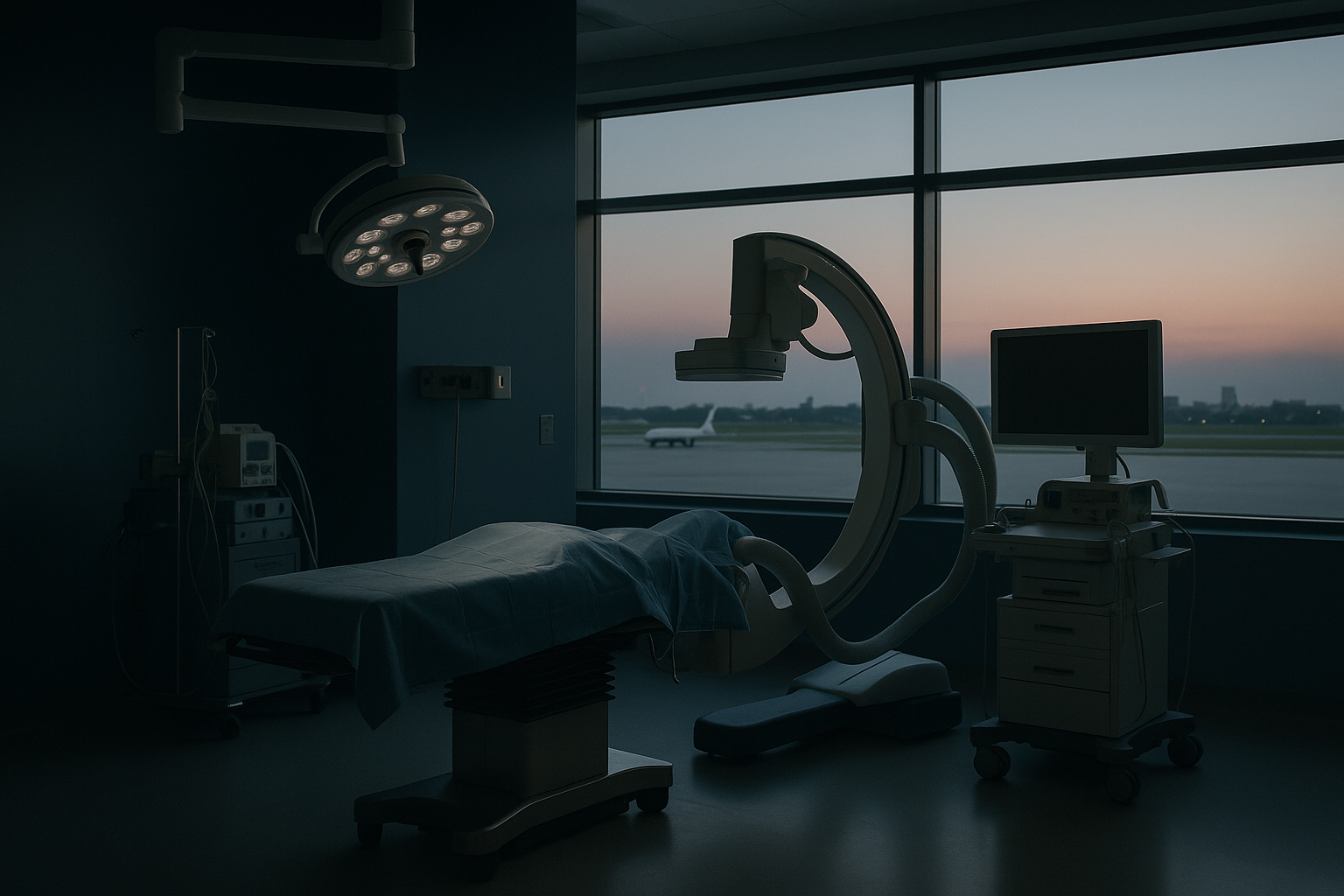
Direct implantation is a critical procedure that involves placing a medical device or tissue directly at the site where it is needed within the body. This approach is often chosen for its precision and effectiveness, making it a vital option for many patients considering treatment abroad. For international patients, understanding the nuances of direct implantation, including costs, timelines, and safety protocols, is essential for making informed healthcare decisions.
What is Direct Implantation?
Direct implantation is a medical procedure involving the precise placement of an implant directly into the body at the required location. This method is deployed across multiple medical fields, including orthopaedics, dentistry, and cardiology, due to its ability to deliver targeted treatment. For instance, in orthopaedics, direct implantation can involve inserting a prosthetic joint or spinal disc replacement exactly where it’s needed, offering immediate structural support and alleviating pain. Such procedures are typically performed under anaesthesia and require a skilled medical team.
In dentistry, direct implantation is used for dental implants, where precision is paramount to ensure proper alignment and long-term success. The implant acts as a replacement for the tooth root and is strategically placed to support crowns or bridges. This method is particularly beneficial for patients seeking durable and natural-looking dental restorations. In cardiology, the direct implantation of pacemakers or stents can be life-saving, providing immediate benefits by restoring or maintaining proper heart function, thus preventing fatal heart conditions and enhancing quality of life.
The choice between direct implantation and other techniques hinges on the patient’s specific medical needs. Factors such as age, overall health, and condition complexity are crucial in determining whether this approach is suitable. For international patients considering this procedure, understanding its intricacies and potential outcomes is vital. Discussing specific needs with healthcare providers ensures alignment with treatment goals, considering potential recovery times, and any additional post-procedure support needed. Such comprehension aids in setting realistic expectations and making informed decisions about undergoing treatment abroad.
How to Prepare for Direct Implantation Abroad?
Preparing for direct implantation as an international patient involves several crucial steps to ensure a smooth and successful experience. Initially, thorough research on potential destinations is essential. Countries like Germany, Singapore, and India are renowned for their advanced medical technology and expertise in direct implantation procedures, making them popular choices for medical tourists. Patients should evaluate these destinations based on healthcare quality, specialized facility availability, and overall patient satisfaction. Each of these countries offers unique advantages; for instance, Germany is known for its rigorous safety standards, Singapore for its cutting-edge technology, and India for its cost-effective services.
Once a destination is selected, patients should start gathering all necessary medical records and documentation, including detailed medical history, current medications, and previous diagnostic tests that could influence the treatment plan. Having comprehensive records aids the receiving medical team in tailoring the treatment plan effectively, minimizing risks, and enhancing outcomes. Additionally, securing a referral from a local healthcare provider can facilitate communication between international medical teams, ensuring all parties are aligned on the patient’s treatment goals. This step is critical for maintaining continuity of care, especially when transitioning between healthcare systems.
Understanding the legal and logistical aspects of travelling for medical treatment is also crucial. Patients should check visa requirements, travel insurance options, and specific health advisories relevant to the destination country. Travel insurance is particularly important as it can cover unexpected medical expenses or travel disruptions. Familiarizing oneself with the healthcare system and language spoken in the destination country can ease communication and contribute to a more comfortable experience. Patients might consider learning key medical phrases in the local language or hiring a medical translator to bridge any communication gaps during consultations.
What are the Costs Involved in Direct Implantation?
Understanding the costs associated with direct implantation is a critical step for prospective international patients. These costs can vary significantly depending on several factors, including the country, the healthcare facility, and the complexity of the procedure. For instance, a direct implantation procedure in the United States can cost anywhere between $20,000 to $50,000, whereas in countries like India or Thailand, the same procedure might range from $5,000 to $15,000. These figures highlight the importance of exploring multiple options and destinations to find the most cost-effective solution.
Patients should request a detailed estimate from the healthcare provider, which should include all potential costs such as pre-operative tests, the procedure itself, post-operative care, and accommodation. This estimate should also account for additional services like rehabilitation or follow-up consultations that might be required. By comparing these estimates across multiple facilities, patients can make informed decisions about where to receive treatment, balancing the quality and cost of care. Understanding the components of the estimate helps patients avoid unexpected expenses and ensures they are financially prepared for the entire treatment journey.
In addition to direct medical costs, patients should budget for travel expenses, including flights, accommodation, and local transportation. Some healthcare providers offer package deals covering some of these elements, which can be a cost-effective option for many. These packages often include airport transfers, accommodation arrangements, and sometimes even guided tours, providing a comprehensive and stress-free experience for medical tourists. Evaluating these options can help mitigate unexpected expenses and enhance the overall treatment journey. Moreover, patients should consider the potential for currency exchange fluctuations, which could impact overall costs when paying for treatment abroad.
How to Ensure Safety and Accreditation?
Ensuring safety and accreditation is paramount when considering direct implantation abroad. Patients should verify that the healthcare facility is accredited by reputable international organizations such as the Joint Commission International (JCI) or the International Society for Quality in Health Care (ISQua). These accreditations guarantee that the facility adheres to high standards of medical care and patient safety, which are critical for successful outcomes in direct implantation procedures. Accreditation can be seen as a mark of quality assurance, providing patients with the confidence that they will receive care that meets or exceeds international standards.
Additionally, patients should inquire about the qualifications and experience of the medical team performing the procedure. Reputable healthcare facilities often provide detailed profiles of their medical staff, including their credentials and areas of expertise. This information can usually be found on the facility’s website or through direct inquiries. It is advisable to look for teams with extensive experience in direct implantation, as well as a track record of successful procedures. Patients might also consider seeking testimonials or reviews from previous patients to gain insights into the facility’s reputation and the experiences of others who have undergone similar treatments.
It is also important for patients to understand the facility’s protocols for infection control and patient care. These factors can significantly impact the overall safety and success of the procedure. Facilities with stringent infection control measures significantly reduce the risk of complications and ensure a safer treatment environment. Patients should not hesitate to ask about these protocols and any specific measures in place to protect international patients. This proactive approach can provide peace of mind and confidence in choosing the right facility abroad. Additionally, understanding the facility’s emergency preparedness plans can reassure patients that they will be well cared for in case unexpected situations arise.
What are the Timelines for Direct Implantation?
The timelines for direct implantation can vary depending on the type of procedure and the patient’s individual circumstances. Generally, the process involves several stages, including an initial consultation, pre-operative assessments, the procedure itself, and post-operative follow-up care. An initial consultation often involves detailed discussions with the medical team to assess the patient’s condition, determine suitability for direct implantation, and outline the treatment plan. This stage is crucial for setting expectations and building a rapport with the medical team, which can enhance the overall treatment experience.
Pre-operative assessments are typically scheduled shortly before the procedure and may include diagnostic tests such as blood work, imaging studies, and, in some cases, cardiac evaluations to ensure the patient’s fitness for surgery. These assessments help the medical team plan the procedure with precision, mitigating risks and enhancing outcomes. It is crucial for patients to adhere to any pre-operative instructions provided by the healthcare team, such as fasting or medication adjustments. Compliance with these instructions plays a critical role in minimizing surgical risks and promoting a smooth recovery.
Post-operative care is an integral part of the timeline and involves follow-up appointments to monitor the patient’s recovery and address any complications that may arise. Depending on the procedure’s complexity, patients might need to stay in the destination country for several weeks to ensure proper recovery and receive necessary rehabilitation. Understanding the overall timeline can help patients plan their travel and accommodation arrangements more effectively, ensuring a smoother medical travel experience. Collaborating with the healthcare team to outline a detailed timeline can facilitate a well-organized approach to treatment and recovery, allowing patients to manage their expectations and prepare for the various stages of the process.
What Should Patients Expect During Recovery?
Recovery from direct implantation varies depending on the type and complexity of the procedure. In general, patients can expect a period of rest and limited activity immediately following the procedure. The medical team will provide specific instructions and guidelines to ensure a smooth recovery process. For example, patients undergoing orthopaedic implants may need to avoid weight-bearing activities for a few weeks, while those with dental implants might be advised to follow a soft-food diet initially. Adhering to these guidelines is crucial for minimizing complications and facilitating optimal healing.
Patients should be prepared for post-operative appointments, which may include follow-up visits to assess the success of the implantation and monitor for any potential complications. These appointments are crucial for ensuring the long-term effectiveness of the procedure and addressing issues like inflammation or infection promptly. It is important for patients to keep these appointments and communicate openly with their healthcare providers about any concerns or unusual symptoms they experience. Effective communication can lead to early detection and management of complications, thereby enhancing recovery outcomes.
It is also important for patients to follow all prescribed rehabilitation or physical therapy programs, which can aid in recovery and improve overall outcomes. For instance, patients with joint implants might engage in physiotherapy exercises to restore mobility and strength, while cardiac patients may participate in cardiac rehabilitation to enhance cardiovascular health. Patients should discuss any concerns or questions with their healthcare provider to address them promptly, ensuring a comprehensive approach to recovery that supports optimal healing and functionality. Additionally, maintaining a balanced diet and staying hydrated can promote faster healing and recovery, helping patients return to their daily activities with improved health and well-being.
Conclusion
Direct implantation is a precise and effective medical procedure that offers significant benefits for patients seeking treatment abroad. By understanding the procedure, costs, and safety measures, international patients can make informed decisions about their healthcare journey. Careful planning and adherence to medical advice are essential for achieving successful outcomes and ensuring a safe and rewarding experience. Patients should leverage resources and expert consultations to navigate this process effectively, ensuring that their decision to seek treatment abroad results in the best possible health outcomes.
Proven result
20 to 200 hair-transplant patients a month from Australia
Aesthetic surgery group
Frequently asked questions
What is direct implantation?
Direct implantation involves placing an implant directly at the required site within the body, used for precision in medical treatments.
How much does direct implantation cost?
Costs vary by country and facility but typically include procedure fees, post-operative care, and travel expenses.
Is direct implantation safe?
When performed at accredited facilities by qualified professionals, direct implantation is generally safe. Patients should verify the accreditation of the healthcare provider.
How long does recovery take after direct implantation?
Recovery times vary but typically involve a rest period followed by follow-up care and possibly rehabilitation.
Can I travel immediately after direct implantation?
Patients are advised to rest and follow post-operative care instructions, which may include waiting for a few days before travelling.
Related guides
Turkey Hospitals vs Local Hospitals Compared
A lower procedure quote can get a patient’s attention. It should not make the decision on its own.…

Patient Experience That Drives Trust and Growth
A patient who has already uploaded medical records, compared providers, and arranged time away from work is not…

What Is a Medical Travel Facilitator and Why Use One?
A lower treatment quote can look compelling until you try to compare what it actually includes: surgeon fees,…