
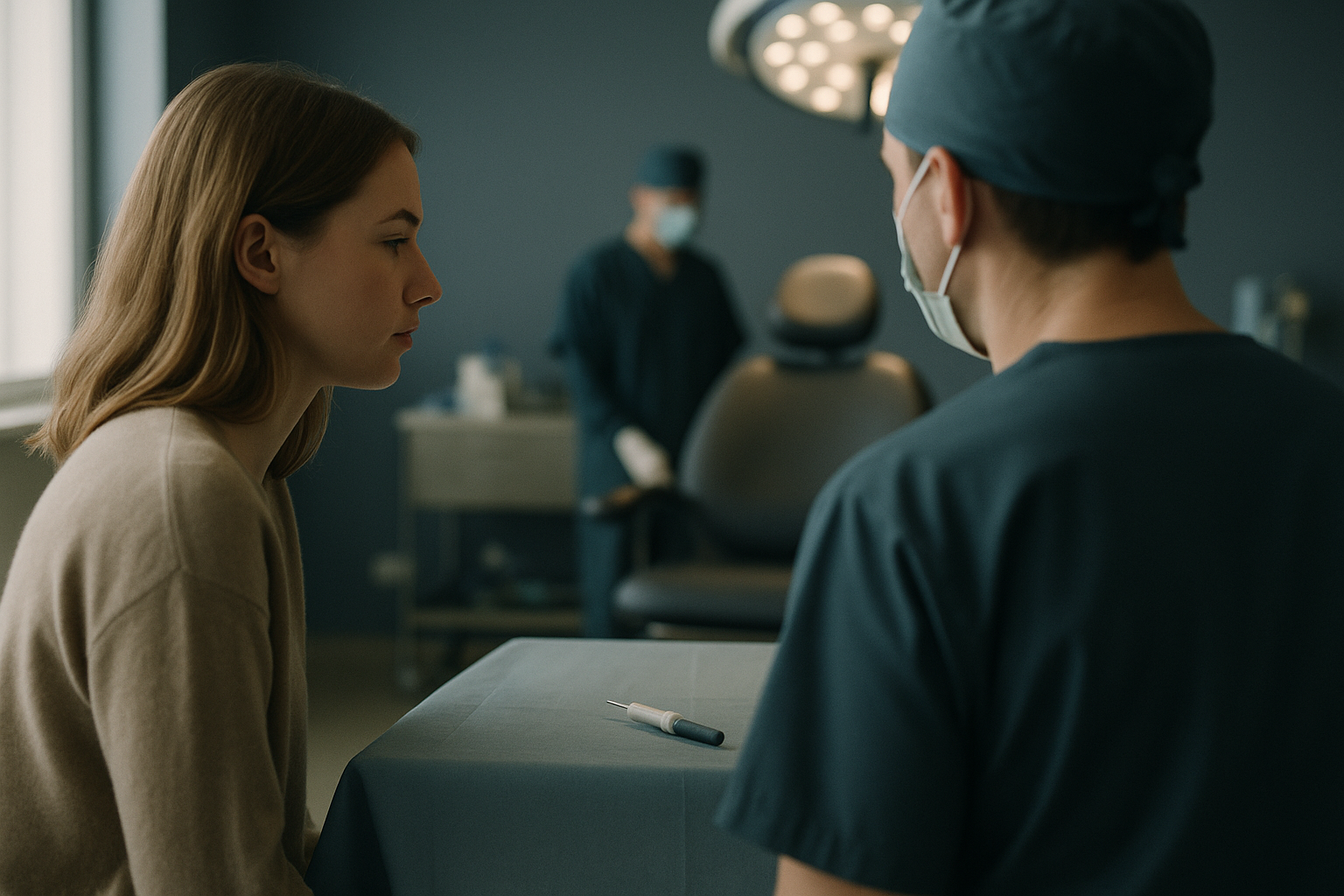
The DHI FUE method is a revolutionary approach in hair transplantation, offering patients a minimally invasive solution with highly natural results. This guide explains the DHI FUE procedure, detailing its steps, benefits, and realistic expectations for prospective international patients.
What is the DHI FUE Procedure?
The DHI (Direct Hair Implantation) FUE (Follicular Unit Extraction) procedure is a refined hair transplant method that combines the precision of FUE with the advanced implantation technique of DHI. Unlike traditional methods, DHI FUE uses a specialised implanter pen, allowing for the direct placement of hair follicles into the scalp without prior hole creation. This method offers a high degree of control over direction, angle, and depth, resulting in a more natural appearance.
The procedure involves extracting follicles individually from the donor area, typically the back of the scalp, and implanting them directly into the recipient area. This technique reduces the risk of scarring and speeds up the recovery process, making it a preferred choice for many seeking hair restoration. The use of the implanter pen also means that the follicles are exposed to the external environment for a shorter duration, which enhances their survival rate.
Moreover, the DHI FUE procedure is highly customizable. Each patient’s hair loss pattern and hair type are considered to create a tailored plan that maximizes the aesthetic results. The procedure is suitable for both men and women experiencing hair thinning or baldness due to various causes, including genetic factors, stress, or hormonal changes. The flexibility and precision of the DHI FUE method make it a versatile solution for diverse hair restoration needs.
How is the DHI FUE Procedure Performed?
The DHI FUE procedure is performed in several key steps. Initially, a consultation with a specialist is conducted to assess hair loss patterns and determine the suitability of the candidate. During this consultation, the specialist will also evaluate the donor area to ensure there are enough healthy follicles for transplantation. Once cleared, local anaesthesia is applied to the donor and recipient areas to ensure patient comfort throughout the procedure.
Follicles are extracted using a micro motor tool, ensuring minimal trauma to the scalp. This tool allows for the precise removal of hair follicles one by one, reducing the risk of damage to the surrounding tissues. These follicles are then meticulously loaded into the DHI implanter pen, a device that allows for precise implantation into the recipient site. The implanter pen’s fine tip enables the surgeon to control the depth, angle, and direction of each implanted follicle, which is crucial for achieving a natural hairline and overall aesthetic appearance.
- Consultation: Initial assessment and planning. The specialist discusses the patient’s expectations and provides a detailed overview of the procedure.
- Extraction: Harvesting of follicles. The use of advanced micro motor technology minimizes any damage to the follicles during extraction.
- Implantation: Direct placement using the implanter pen. This step is crucial for ensuring that the new hair grows in a pattern that matches the patient’s natural hair.
Throughout the procedure, utmost care is taken to maintain the integrity of each follicle, which is vital for achieving optimal growth post-transplant.
What are the Benefits of DHI FUE?
The DHI FUE procedure offers numerous benefits over traditional hair transplant methods. One of the most significant advantages is the natural-looking results due to the precise placement of hair follicles. The use of the implanter pen allows for the alignment of hair growth patterns, enhancing the aesthetic outcome. Each follicle is implanted at a specific angle and depth that mimics the natural hair growth, resulting in seamless integration with existing hair.
Additionally, the procedure is minimally invasive, reducing the risk of scarring and shortening the recovery period. Patients can typically resume their normal activities within a few days, thanks to the reduced trauma to the scalp. This is particularly beneficial for those who prefer a discreet procedure with minimal downtime. The technique also boasts a high success rate, with many patients achieving satisfactory density and coverage. The focused placement of follicles ensures that areas of hair thinning receive adequate attention for a fuller appearance.
- Natural Results: Precision placement for realistic appearance. The outcome is so natural that it becomes challenging to distinguish between transplanted and original hair.
- Minimally Invasive: Reduced scarring and downtime. This allows for a swift return to daily activities, which is a significant advantage for busy individuals.
- High Success Rate: Improved follicle survival and growth. The technique ensures that a maximum number of follicles reach their growth potential.
Overall, the DHI FUE procedure offers a compelling combination of aesthetics and convenience, making it a popular choice among those seeking hair restoration solutions.
How Much Does the DHI FUE Procedure Cost?
The cost of the DHI FUE procedure can vary significantly depending on several factors, including the geographic location, the extent of hair loss, and the experience of the medical team. On average, patients can expect to pay between $3,000 to $15,000 for the procedure. The price range reflects the complexity of the procedure and the level of expertise required to perform it successfully.
It is important for prospective patients to consider not only the cost but also the quality of care and expertise of the medical professionals performing the procedure. Cheaper options may compromise the quality of the outcome, so thorough research and consultation are advised. Factors such as the clinic’s reputation, the surgeon’s experience, and patient reviews should be carefully evaluated. Additionally, some clinics offer financing options or package deals that include post-procedure care, which can influence the overall cost.
When budgeting for the DHI FUE procedure, patients should also consider potential additional costs, such as travel expenses if the clinic is located in another city or country. Furthermore, the investment in a high-quality procedure can pay off in the long term by reducing the need for corrective surgeries or additional treatments. Ultimately, the decision should balance financial considerations with the desired outcome and the confidence in the chosen medical provider.
What is the Recovery Timeline for DHI FUE?
The recovery timeline for the DHI FUE procedure is generally swift due to its minimally invasive nature. Patients may experience minor swelling and redness in the treated areas, which typically subside within a few days. Following the procedure, patients are usually advised to avoid strenuous activities and direct sun exposure to facilitate optimal healing.
Hair shedding from the transplanted follicles can occur in the first few weeks, which is a normal part of the process known as “shock loss.” This should not be a cause for concern as it is a temporary phase, and new hair growth usually begins within three to four months post-procedure. Significant improvements in hair density and coverage are typically visible after six to nine months, as the transplanted hair continues to grow and integrate with the existing hair.
Full results can be expected within 12 to 18 months, as the transplanted hair continues to grow and thicken. Patients are recommended to attend follow-up appointments to monitor progress and address any concerns. During recovery, the use of gentle hair care products and adherence to post-procedure instructions provided by the medical team can enhance outcomes and minimize complications.
Is DHI FUE Safe?
The DHI FUE procedure is considered safe when performed by qualified and experienced professionals. The technique is minimally invasive and utilises advanced technology to ensure precision and safety. As with any medical procedure, there are potential risks, but these are significantly reduced when the procedure is conducted in a reputable clinic with stringent safety protocols.
Prospective patients are advised to research thoroughly and choose a clinic with necessary certifications and accreditations. Consulting with a medical professional to understand personal suitability and potential risks is also recommended. Key risks include infection, bleeding, or allergic reactions to anaesthesia, but these are rare when proper protocols are followed. Clinics should have a track record of successful outcomes and detailed post-operative care plans to address any issues that may arise.
To further ensure safety, patients should disclose any medical conditions or medications during the initial consultation. This allows the surgical team to tailor the procedure to the individual’s health profile, minimizing risks. Overall, with careful selection of the medical provider and adherence to medical advice, the DHI FUE procedure is a safe and effective option for hair restoration.
Conclusion: Is DHI FUE Right for You?
Deciding to undergo the DHI FUE procedure is a significant decision that requires careful consideration of personal goals, budget, and medical advice. With its many advantages, including natural results and a swift recovery, it remains a popular choice for those seeking hair restoration. Prospective patients are encouraged to consult with a specialist to determine if this procedure aligns with their expectations and needs.
In making this decision, individuals should weigh the benefits of DHI FUE against other hair restoration options. Considerations should include the extent of hair loss, desired outcome, and any previous hair restoration experiences. It is also important to discuss any concerns or questions with the specialist to ensure a clear understanding of the procedure and potential results.
Ultimately, the decision to proceed with DHI FUE should be based on a thorough understanding of the procedure and confidence in the chosen medical team. With the right preparation and realistic expectations, patients can achieve satisfying results that enhance their appearance and self-confidence.
Proven result
20 to 200 hair-transplant patients a month from Australia
Aesthetic surgery group
Frequently asked questions
What is the main advantage of the DHI FUE procedure?
The main advantage is the natural-looking results achieved through precise implantation using the DHI implanter pen.
How long does it take to see results from DHI FUE?
Initial hair growth can be observed within three to four months, with full results visible after 12 to 18 months.
Are there any risks associated with DHI FUE?
While generally safe, potential risks include infection and scarring, which are minimized when performed by experienced professionals.
Can DHI FUE be combined with other treatments?
Yes, it can be combined with treatments like PRP therapy to enhance results and promote hair growth.
How do I choose the right clinic for DHI FUE?
Look for clinics with experienced professionals, certifications, and positive patient reviews. A pre-procedure consultation is essential.
Related guides

How Overseas Surgery Insurance Really Works
A lower treatment quote can quickly lose its advantage if an unexpected complication extends your stay, requires emergency…

Analyzing the Medical Tourism Market: Current Trends
Quick answerThe medical tourism market is growing due to factors like cost-effective treatments, advanced medical technologies, and international…
Best Country for Cancer Treatment: Top Countries for Advanced Cancer Treatment Options
Quick answerCountries like the USA, Germany, and Japan offer some of the best cancer treatment in the world,…