
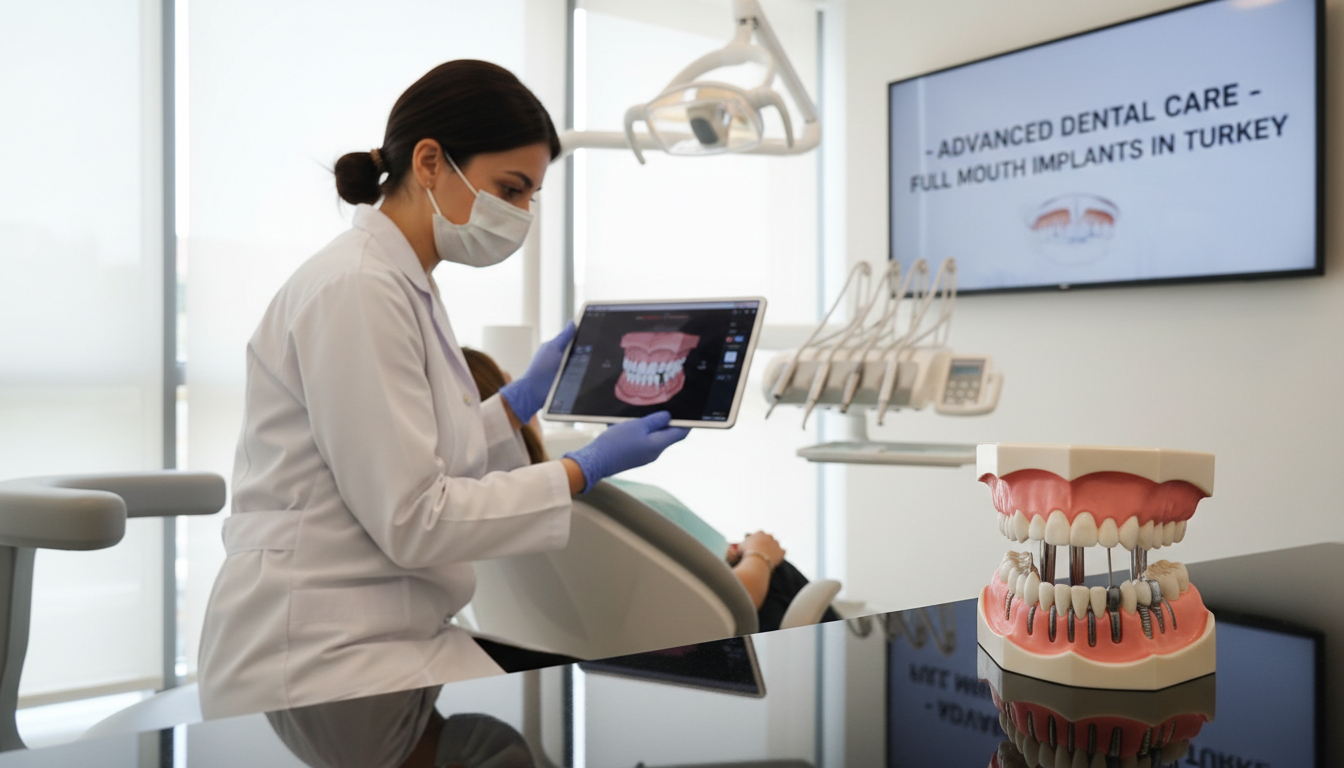
Could a short trip restore your bite and confidence without breaking the bank? Many patients wonder if a trusted clinic abroad can deliver safe, high-quality implant care in days rather than months.
Dentatur in Antalya offers comprehensive care starting from £3,200, with All‑on‑4 options from £1,600 per jaw. Treatment often takes just 3–5 days across two clinic visits, so international patients can pair care with travel and recovery time.
Clinics use modern tools like CBCT, guided placement and accredited protocols (AACI, ISO). That blend of technology and organized logistics helps patients save up to 70% versus U.S. or U.K. costs while keeping transparency in pricing and materials.
Learn how streamlined plans cover consultations, accommodation, transfers and follow‑up visits. For a deeper look at typical costs and what packages include, see this guide on dental implant cost in Turkey.
Key Takeaways
- Short treatment timelines: many full-arch cases finish in 3–5 days with two visits.
- Cost savings: patients can pay far less than in the U.S. or U.K., sometimes up to 70%.
- Quality standards: accredited clinics use CBCT, guided systems and certified protocols.
- All-inclusive support: packages often include transfers, hotel, and clear treatment plans.
- Options for many needs: from single tooth solutions to full-arch restorations with reliable materials.
Understanding Full Mouth Dental Implants
Modern implant care replaces missing roots and rebuilds an entire arch so patients regain function and confidence. This short primer explains what an implant is and how a full-arch restoration works in everyday life.
What are dental implants
Dental implants are precision-engineered titanium screws placed into the jaw to act as artificial roots. Once placed, the metal surface bonds with surrounding bone through osseointegration.
How the restoration functions
A full mouth restoration replaces a whole row of missing teeth with a fixed prosthesis anchored to implants. The system spreads bite forces across several implants so eating and speaking feel natural.
- Each implant supports a crown or bridge, matching facial shape and smile goals.
- This treatment preserves bone and prevents the facial changes linked to long-term tooth loss.
- For many patients, a mouth dental implant solution offers greater durability than removable options.
“Replacing roots, not just teeth, is the key to lasting oral health.”
Benefits of Choosing Full Mouth Dental Implants Turkey Package Deals
An organized medical trip bundles treatment, travel and recovery so a patient can focus on healing and a better smile. This approach saves time and reduces stress for visitors from the United States.
Cost savings are a major draw: many patients pay up to 70% less than they would at clinics at home, while still receiving quality materials and certified care.
Packages normally include 4–7 nights of accommodation and VIP airport transfers. Medications, panoramic X-rays, and follow-up visits are usually covered under one clear price, which reduces financial uncertainty.
- Consolidated care speeds the process — fewer separate trips and simpler scheduling.
- Specialized dentists experienced with international patients handle both health and aesthetic goals.
- State-of-the-art tools improve bone assessment and implant placement accuracy.
“All-inclusive plans turn a medical necessity into a manageable, even restorative, travel experience.”
| Feature | What is included | Benefit for patients |
|---|---|---|
| Accommodation | 4–7 nights in partnered hotels | Comfortable recovery and reduced logistics stress |
| Transfers | VIP airport and clinic transport | Smoother arrival and timely appointments |
| Clinical services | Consultation, X-rays, meds, follow-ups | Transparent single price and full aftercare |
| Prosthetics | Temporary teeth to final set included | Immediate function with long-term planning |
Who Is a Suitable Candidate for Full Arch Restoration
A practical assessment reveals whether a patient’s jaw can safely support permanent implant-supported teeth.
Jaw volume matters. Clinicians measure bone density with 3D scans to map where each dental implant will sit. This imaging guides a tailored plan for each patient.
Gum health is next. Severe gum disease must be treated first so implants heal well and last. Doctors often stabilize the mouth before any surgical work.
- People missing many teeth or with non-restorable tooth damage often qualify.
- Those who find removable dentures loose may prefer a secure, fixed solution.
- If bone is thin, a graft can rebuild the area before implant placement.
- General health matters; systemic conditions can affect healing after implant surgery.
| Assessment | What is checked | Why it matters |
|---|---|---|
| 3D jaw scan | Bone volume and density | Ensures stable implant positioning |
| Oral exam | Gum disease and tooth condition | Prevents infection and improves outcomes |
| Medical review | Overall health and medications | Predicts healing and surgical risk |
“A careful assessment is the foundation of a predictable, long-lasting restoration.”
Comparing Different Implant Systems
Not all full arch solutions are the same. Choosing a system influences stability, cost, and how natural the teeth feel. A careful comparison helps patients and clinicians match the plan to jaw strength and lifestyle.
All-on-4 systems
All-on-4 uses four implants per jaw to support a full bridge. It is popular for patients with moderate bone loss because strategic angulation maximizes support without extensive grafting.
All-on-6 systems
The All-on-6 option adds two extra screws for improved load distribution. This system offers greater stability under higher bite forces and can reduce stress on each implant and surrounding bone.
All-on-8 systems
All-on-8 is the most durable choice when bone volume is excellent. Eight implants give maximal support and longevity for those wanting the strongest fixed solution.
- Each system provides a permanent alternative to removable prosthetics, restoring function and confidence.
- During consultation, the dentist evaluates bone and jaw anatomy to recommend the best implant count.
- The right choice balances durability, cost, and long-term oral health for patients.
“The goal remains a stable, comfortable smile that restores full oral function.”
The Role of Digital Technology in Modern Dentistry
Digital tools let clinicians map anatomy and visualize outcomes before any incision is made. High-resolution 3D CT scans pinpoint nerves and sinus cavities so surgeons plan safe implant trajectories.
Precise planning reduces risk and shortens surgery time. Virtual simulations let the team show patients a preview of their new smile and refine the plan together.
Modern CAD-CAM design produces crowns and bridges that fit the bite and facial contours exactly. Digital impressions replace messy molds, making the diagnostic visit simpler and more comfortable.
- 3D imaging maps bone volume and critical anatomy for safer placement.
- CAD-CAM milling ensures prosthetics match the simulation and patient goals.
- Digital records improve lab-to-clinic communication and quality control.
“When planning, technology turns complex cases into predictable outcomes.”
For international patients, these innovations mean fewer surprises, faster healing, and a smoother restoration journey overall.
Preparing for Your Dental Trip to Turkey
Begin planning your trip by collecting scans and records so the clinic can review your case before you fly. Early review helps the team recommend the right treatment and estimate price and cost factors.
Gather medical records first. Send panoramic X-rays or CT scans to the clinic for an initial consultation. Include a list of current medications and relevant health notes so the dentist can assess risks and plan procedures.
Gathering medical records
Confirm which files the clinic needs and how to send them securely. Clear records speed up the process and let clinicians prepare materials and equipment for your arrival.
Managing travel logistics
Many clinics offer all-inclusive packages that coordinate airport-hotel-clinic transfers. Ask about accommodation quality, number of visits, and what the package covers to avoid surprise costs.
- Verify which procedures and follow-up visits are included.
- Confirm appointment timing with the clinic’s support team.
- Check that the chosen clinic stocks the implant brands and materials you prefer.
“A well-planned trip reduces stress and lets the patient focus on healing and enjoying the local experience.”
What to Expect During Your First Clinical Visit
The first clinical visit sets the stage: expect a calm, organized exam and precise 3D imaging to map your needs. The dentist will review your medical history and take scans that show bone and jaw anatomy.
This assessment finalizes the treatment plan. It identifies how many implants the full mouth restoration will need and whether any damaged tooth must be removed.
The clinic may perform extractions and place implants in the same appointment when appropriate. The surgical process uses local anesthesia so the patient stays comfortable.
Many people receive temporary teeth the same day. These provisional restorations let you leave with function and a natural look while the bone heals.
- The team explains each step so you understand how the dental implant will integrate with bone over months.
- Staff coordinate diagnostics, surgery, and post-op care to keep visits efficient and supportive.
- By the end of the first visit you’ll have a clear recovery timeline and the plan for your second return visit.
“A transparent, stepwise visit reduces anxiety and helps patients focus on healing and outcome.”
Understanding the Healing and Integration Process
Healing after implant surgery is gradual — expect three to six months for tissues to adapt.
Osseointegration is the biological and mechanical fusion of the implant with surrounding bone. During this stage, bone-forming cells attach to the implant surface so the implant becomes a stable part of the jaw.
Careful behavior and a clear treatment plan are vital. Patients should follow dietary guidance, avoid hard bites, and keep the area clean to prevent infection.
The clinic will advise specific home care and schedule regular check-ins. These follow-ups let the team monitor healing and adjust instructions as needed.
The key steps to expect
- The first few weeks: soft diet, gentle cleaning, limited biting force.
- Months two to four: gradual bone growth around the implant surface.
- Months four to six: final integration and clearance for permanent teeth.
| Stage | Timeframe | What to expect |
|---|---|---|
| Initial healing | 0–6 weeks | Soft foods, swelling control, basic hygiene |
| Osseointegration | 6–16 weeks | Bone cells bond to implant, avoid heavy chewing |
| Final maturation | 16–24 weeks | Stable support for permanent prosthetic teeth |
“Patience during this process builds the foundation for long-term success.”
Finalizing Your Smile with Permanent Prosthetics
The final visit transforms provisional teeth into a lasting restoration that matches your face and bite.
The second appointment begins with new impressions or digital scans. These records guide the lab to craft the final bridge or crowns so the prosthetic fits precisely.
Once healed, the integrated fixtures are ready to receive the permanent set. The team mounts the bridge and tests bite contacts. Adjustments ensure comfort and proper chewing function.
- Permanent prosthetics are made from zirconia or porcelain for strength and a natural look.
- The dentist refines color, shape, and occlusion so the teeth match facial proportions.
- This stage completes the full mouth restoration and secures the full arch prosthesis.
Patients often report renewed confidence and improved eating and speech. By the end of the visit, the new teeth are functional and built to last with routine care.
“The change from temporaries to permanent teeth often feels like reclaiming everyday life.”
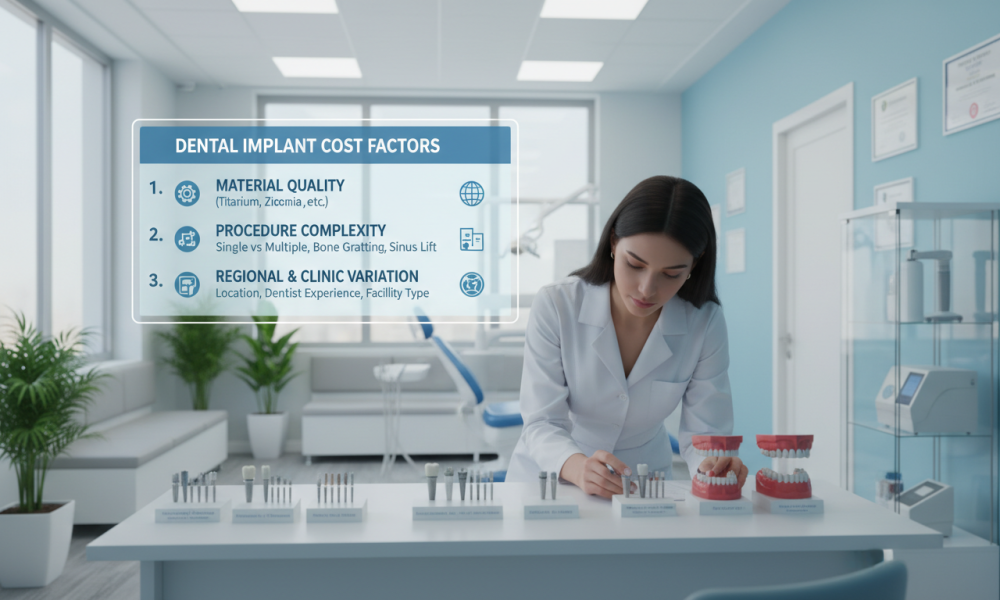
Factors That Influence the Total Cost of Treatment
Several choices a patient makes will shape the final price of their treatment. Costs listed in a quote are a starting point, not the whole story.
Selecting premium implant brands raises the price. Brands like Straumann command higher fees because of research, warranties, and proven materials. Choosing a premium system can mean fewer long-term repairs and a stronger long-term outcome.
Need for additional surgical procedures also affects cost. If a sinus lift, bone graft or multiple extractions are required, clinics add those services to the treatment plan and the total bill.
- The number of implants and type of crowns (zirconia vs. porcelain) change the quote.
- Regional clinic costs and lab fees influence the final price of package deals.
- A detailed consultation gives a clear breakdown so patients know what the quote covers.
| Factor | Typical impact | Why it matters |
|---|---|---|
| Implant brand | Low–High | Material quality, warranty, long-term durability |
| Extra procedures | Moderate–High | Needed for safe implant placement and bone support |
| Crown material | Low–Moderate | Affects aesthetics and longevity of the teeth |
| Clinic location & services | Variable | Operating costs and included accommodation or transfers |
“A transparent treatment plan helps patients balance cost with quality and peace of mind.”
Why All-Inclusive Packages Simplify the Experience
Choosing an all‑in‑one travel plan removes guesswork and turns a complex medical trip into a single, clear itinerary. Patients arrive knowing who will meet them, where they will stay, and what the treatment timeline looks like.
These programs bundle medical and non‑medical needs into one transparent price. Airport transfers, accommodation and consultations are scheduled in advance. This reduces stress and unexpected costs for international visitors seeking full mouth dental care.
- Coordinated care: a single team handles appointments, transfers and follow‑up.
- Clear pricing: X‑rays, meds and most procedures are included so there are no hidden costs.
- Comfort and recovery: hotel stays and prescribed medications support healing after surgery.
For many patients, these organized offers make it easier to access quality dental implants turkey services without juggling logistics. The streamlined approach delivers value and lets the patient focus on healing and enjoying their stay.
“All‑inclusive plans free patients from planning details so they can concentrate on care and recovery.”
Ensuring Safety and Hygiene Standards in Turkish Clinics
A patient’s peace of mind often starts the moment they enter a clinic that follows global standards.
International accreditation matters. Many clinics hold AACI and ISO certifications that confirm consistent quality and safety in surgical care.
Strict sterilization routines protect patients from infection. Instruments are processed with validated cycles and approved materials are used for every implant and prosthetic set.
What patients should look for
- Clear evidence of AACI or ISO accreditation and recent audit results.
- Documented sterilization protocols and single-use disposables where appropriate.
- Modern equipment for precise, minimally invasive procedures that protect bone and soft tissue.
- Transparent information on price, cost breakdown and included accommodation or follow-up care.
“Choosing an accredited clinic ensures procedures are carried out in a sterile, well‑regulated environment.”
Essential Aftercare for Long-Term Implant Success
Simple daily habits have a major influence on implant success and long-term comfort.
Essential aftercare helps prevent infection and supports bone healing after implant surgery. Patients should follow a soft food diet for the first few days to avoid pressure on new fixtures.
Gentle brushing and an antiseptic mouthwash are vital. These steps keep the surgical site clean and lower the risk of complications.
Avoid smoking and heavy alcohol during recovery. These habits slow healing and can raise long-term costs and the chance of failure.
- The clinic will give a clear aftercare plan and pain‑management tips.
- Regular follow-up visits with your dentist check bone integration and stability.
- Professional cleanings maintain gum health around the implant sites.
“Aftercare is the most important part of treatment — it turns surgical work into a lasting smile.”
| Aftercare step | Why it matters | Suggested timing |
|---|---|---|
| Soft diet | Reduces load on healing bone | First 3–7 days |
| Oral hygiene | Prevents infection | Daily, from day one |
| Follow-up visits | Monitors integration and detects issues | At 1 week, 1 month, and as advised |
Managing Expectations During the Recovery Period
Initial symptoms may include aching and pressure, which typically diminish within a few days. Some soreness is normal after the surgical process and is part of healing.
The jawbone needs months to fully integrate around each implant. While discomfort eases quickly, bone remodeling continues for several months and determines long-term stability.
Follow the dentist’s instructions for medication, activity limits, and oral care. Rest helps, and avoiding heavy lifting or strenuous exercise for a short time protects the healing sites.
Temporary teeth often feel different from final prosthetics. This is normal — they protect function while the bone and tissues adapt to the implant fixtures.
- Most patients return to daily routines quickly, with gradual increases in diet and activity.
- The clinic’s support team answers questions and provides reassurance during follow-up calls or visits.
- Each person’s timeline varies based on health, bone density, and the exact treatment plan.
“Patience and careful care now create a stable, lasting smile later.”
| What to expect | Typical timeframe | Why it matters |
|---|---|---|
| Initial soreness & pressure | 0–7 days | Normal inflammatory response; managed with meds and rest |
| Bone integration | 3–6 months | Critical for long-term strength and implant support |
| Adjustment to permanent teeth | After final prosthetic | Improved comfort, chewing, and appearance |
Remember: clear communication with your clinic about price, follow-up care, or any concerns makes the recovery process smoother. Focus on long-term benefits and follow the recommended care plan to help the treatment succeed.
Navigating Potential Challenges and Solutions
Post-operative issues are often predictable and manageable with proactive clinical care.
Minor infections or swelling are common and usually controlled with prescribed antibiotics and pain relief. The clinic provides clear dosing instructions and easy access to the care team if symptoms change.
When bone density is low, experienced surgeons use advanced grafting techniques to build support. These supplemental procedures add time, but they improve the long‑term success of each implant and the final teeth.
Open communication matters. Patients are encouraged to report concerns early so the team can adjust the treatment plan or arrange same‑day reviews. This reduces risk and speeds recovery.
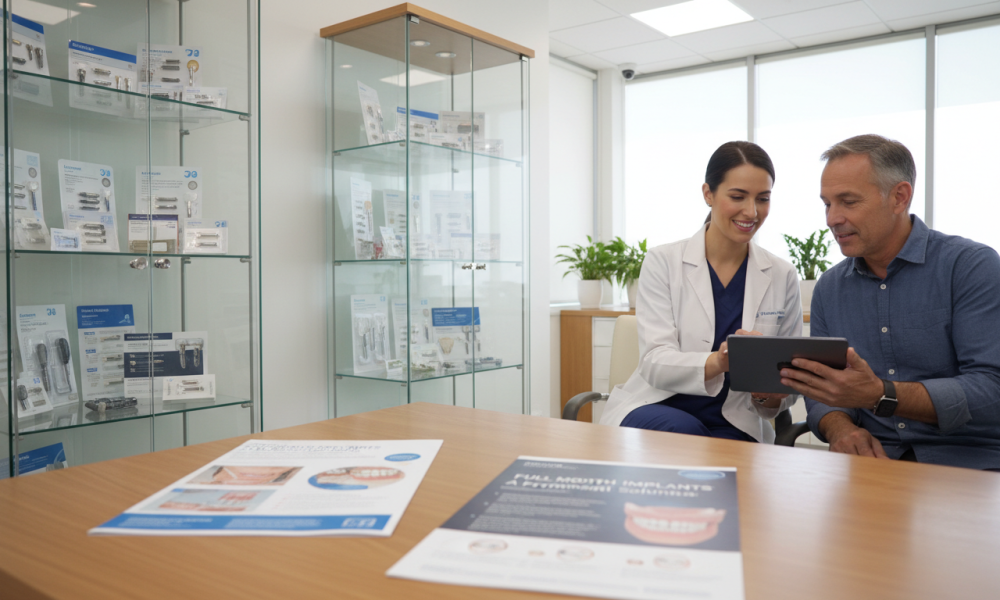
- Clinics supply all necessary medications and clear aftercare steps to manage common challenges.
- Skilled clinicians in the region have handled complex cases and provide proven solutions.
- Most complications are minor and resolved quickly with professional guidance and patient adherence.
“Knowing there is a plan for every issue gives patients the confidence to pursue a confident, lasting smile.”
Conclusion
A well-planned restoration trip can turn a complex treatment into a simple, predictable path to a new smile.
Choosing a reputable clinic gives patients clear pricing, organized visits and modern care so they know what to expect from consultation to final teeth. Skilled teams use advanced scans and guided placement to improve outcomes and reduce surprise costs.
Transparent offers speed decisions and support recovery with arranged transfers and follow-up. Contact a trusted clinic to review your case, compare price and create a personalized treatment plan that matches your goals and health.
Invest in lasting care—the right team helps restore function, confidence, and long-term oral health with professional attention every step of the way.
FAQ
What are dental implants and how do they replace missing teeth?
Dental implants are small titanium or zirconia posts inserted into the jaw to act as tooth roots. Once the bone heals around them, they support crowns or bridges that look and function like natural teeth. This restoration preserves bone, restores chewing ability, and improves speech and appearance.
How does the restoration function after implants are placed?
The restoration consists of an abutment and a prosthetic tooth or bridge attached to the implant. The implant transfers bite forces to the jawbone, keeping the prosthetic stable. Modern restorations use durable materials such as porcelain or hybrid acrylic to mimic natural tooth form and color.
Who is a suitable candidate for full-arch restoration?
Candidates are adults with significant tooth loss or failing teeth who want a stable, long-term solution. Good general health and realistic expectations are important. A dentist evaluates oral health, gum condition, and jawbone support before recommending treatment.
How is jawbone density assessed before treatment?
Clinicians use clinical exams and 3D imaging like cone beam CT to measure bone volume and quality. These scans guide implant placement and reveal whether grafting or sinus lifts are needed to achieve stable support.
What is an All-on-4 system and who benefits from it?
The All-on-4 method uses four strategically placed implants to support a full-arch prosthesis. It often benefits patients with moderate bone loss because tilted posterior implants can avoid anatomical structures and reduce the need for bone grafting.
How does All-on-6 differ from All-on-4?
All-on-6 uses six implants for additional support and load distribution. This can improve stability and longevity in patients with sufficient bone and can allow for a stronger fixed prosthesis with better force management.
When is an All-on-8 configuration recommended?
An eight-implant approach is recommended for patients seeking maximum support and redundancy, especially when bone volume allows it. It can offer greater long-term stability for patients with high bite forces or specific prosthetic demands.
How does digital technology change the treatment process?
Digital tools—CBCT scans, intraoral scanners, and guided surgery software—improve planning accuracy, allow precise implant placement, and streamline prosthetic design. This reduces chair time and can improve outcomes and patient comfort.
What records should patients gather before travel for treatment?
Patients should collect recent dental X-rays, any CBCT scans, medical history, list of medications, and previous treatment records. Sharing these with the clinic ahead of travel helps create a personalized treatment plan and speeds up the initial consultation.
How should patients manage travel logistics for a treatment trip?
Plan flights and accommodation around the clinic’s schedule, allow extra days for consultations and follow-ups, and verify visa or health requirements. Choose lodging near the clinic and arrange local transport to ensure smooth appointments and rest periods.
What happens during the first clinical visit?
The first visit includes a comprehensive exam, imaging, medical review, and treatment planning. The dentist discusses options, timelines, costs, and any preparatory procedures. Patients receive a clear plan and informed consent before treatment begins.
What is osseointegration and why is it important?
Osseointegration is the process where bone grows around the implant and bonds to its surface. This biological fusion creates the stable foundation needed for long-term prosthetic success. It typically takes several weeks to months depending on health and site conditions.
How is the final prosthetic smile completed?
After healing, the dentist takes precise impressions or digital scans to fabricate the final prosthesis. The permanent bridge or set of crowns is adjusted for fit, function, and aesthetics before final attachment, ensuring comfort and a natural appearance.
How do premium implant brands affect total treatment cost?
Established implant systems like Straumann, Nobel Biocare, or Dentsply Sirona use high-quality materials and long-term research backing. Choosing premium brands increases upfront cost but may offer greater predictability, warranty options, and long-term value.
When are additional surgical procedures needed and how do they affect price?
Procedures such as bone grafting, sinus lifts, or extractions may be necessary when bone or soft-tissue conditions are inadequate. These steps add to the timeline and expenses, but they enable safe implant placement and better long-term outcomes.
Why do all-inclusive packages simplify the patient experience?
All-inclusive plans bundle treatment, accommodation, transfers, and some follow-ups, reducing coordination stress. They often include transferable warranties and a single contact point, helping patients focus on recovery and care rather than logistics.
How do clinics meet international safety and hygiene standards?
Accredited clinics follow protocols from organizations like JCI or ISO, use sterilization cycles, single-use disposables where appropriate, and maintain documented infection-control procedures. Patients can request accreditation certificates and clinic hygiene policies.
What aftercare is essential for long-term implant success?
Regular oral hygiene, professional cleanings, and routine check-ups are vital. Patients should avoid smoking, follow dietary guidance during healing, and report any pain or mobility. Night guards may be recommended for bruxism management.
How long does recovery usually take and what should patients expect?
Initial healing after implant placement takes a few days to two weeks for soft tissue, while bone integration can take three to six months. Temporary prostheses restore function early, but patients must follow care instructions to minimize complications.
What common challenges can arise and how are they managed?
Possible issues include minor infections, delayed healing, or prosthetic adjustments. Clinics manage these with antibiotics, refinement of prosthetic fit, or additional minor procedures. Early communication and follow-up care reduce the risk of serious complications.
Related guides
How Long Does a Dental Implant Procedure Take?
Curious if the journey to a restored smile will fit your life? Many patients wonder about the full…
Best Hair Transplant in Istanbul,Turkey
Could one clinic end years of worry and restore your confidence with a clear, tailored plan?Dr. Serkan Aygin…
What is Zygomatic Dental Implant?
Could anchoring into the cheekbone restore a confident smile when the upper jaw can’t?Zygomatic dental implants offer an…