
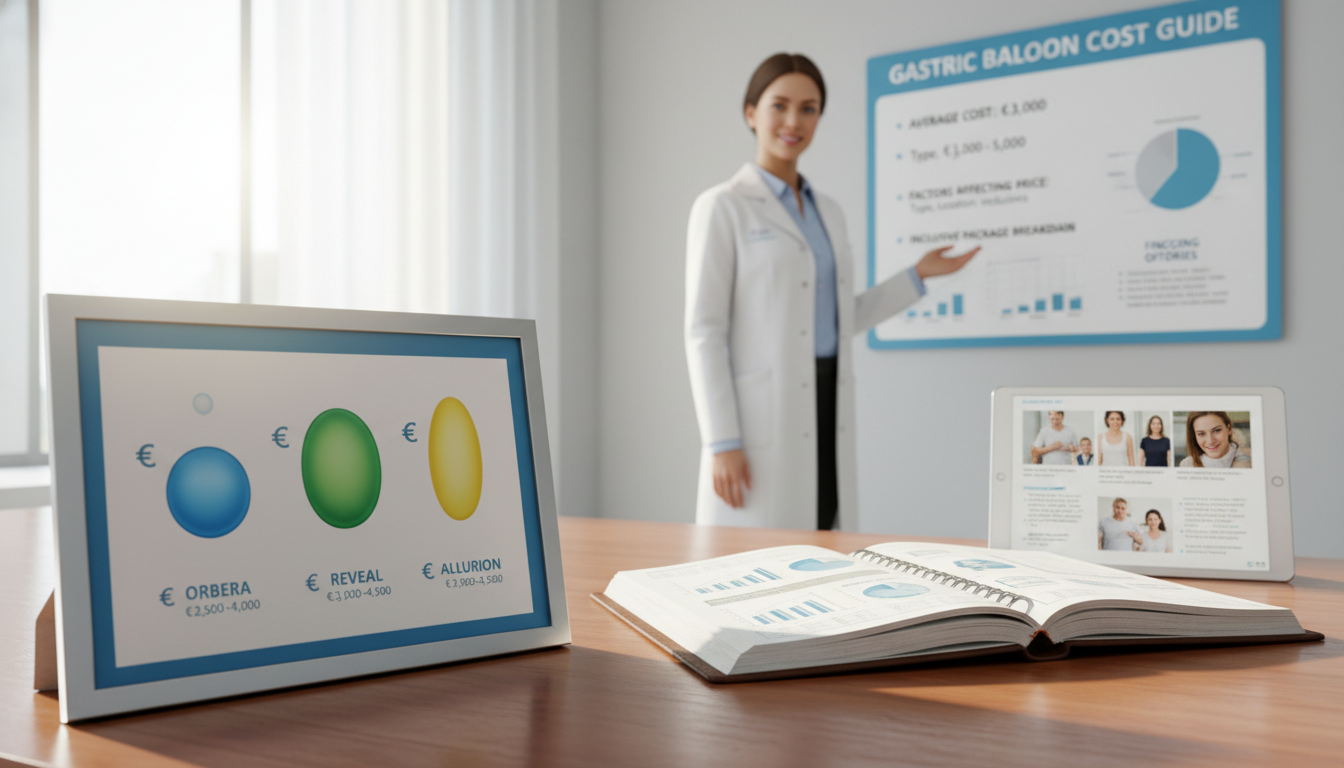
Curious which financial steps matter most when choosing a 12-month weight-loss device? This question matters because patients often face hidden fees and confusing offers when planning care.
The ORBERA 365 device is designed for a full year to support long-term weight goals. This guide offers clear, empathetic explanations about the expected price and the services included.
Readers will find a breakdown of the typical expenses: pre-op assessments, the placement procedure, and post-placement support. The goal is to give a realistic view of the investment so people can plan with confidence.
Practical clarity matters. By examining what influences total charges and what follow-up care to expect, this section helps patients and families make informed decisions that match their health needs and budgets.
Key Takeaways
- The ORBERA 365 is meant for a 12-month treatment plan to support weight management.
- Understanding the full price helps avoid surprise expenses later.
- Costs often include assessments, placement, and ongoing support services.
- Knowing what affects price empowers better health decisions.
- Patients should compare services and follow-up care, not just the listed price.
Understanding the Gastric Balloon Procedure
Left in the stomach for up to twelve months, the device reduces hunger and eases portion control. This extended placement gives patients time to learn new diet habits and reinforce healthy choices.
How the Device Works
The silicone implant is placed endoscopically and then filled with 550 to 650 milliliters of sterile saline. By occupying space, it helps individuals feel full sooner and lower calorie intake.
The Insertion Process
The placement step uses a flexible tube and endoscope while the patient is sedated. The non-surgical weight loss option avoids bariatric surgery and focuses on metabolic health and ongoing care.
“The goal is steady weight change supported by medical supervision and lifestyle coaching.”
| Step | What Happens | Typical Benefit |
|---|---|---|
| Consultation | Eligibility and plan set | Personalized diet and support |
| Insertion | Endoscopic placement under sedation | Minimally invasive care |
| Fill | 550–650 ml sterile saline added | Reduced hunger, smaller portions |
| 12-Month Support | Follow-up coaching and monitoring | Behavior change and metabolic gains |
Gastric Balloon Cost A Comprehensive Guide
Many clinics in the UK list the 12-month implant package between £4,500 and £6,000. This figure normally covers the pre-placement assessment, the insertion procedure, and routine follow-up visits.
Patients should note that quoted price often reflects a package rather than a single fee. Packages usually include clinical checks, diet coaching, and removal at the end of treatment.
Insurance rarely covers elective weight loss devices, so most people pay from pocket. That makes it important to compare what each price actually includes.
Comparing to gastric sleeve surgery shows clear differences: sleeve surgery is typically more expensive and may carry different insurance rules and recovery needs.
| Item | Typical UK Price | Included |
|---|---|---|
| Pre-placement assessment | £300–£700 | Consults, tests |
| Procedure & placement | £2,500–£4,000 | Endoscopy, sedation |
| Follow-up package (12 months) | £1,000–£1,500 | Coaching, check-ups, removal |
- Tip: Confirm which services are in the package before booking.
- Ask about financing and possible partial coverage from insurers.
Factors Influencing Total Treatment Expenses
Surgeon skill and clinic standards play a big role in the final price for this treatment. Patients should evaluate the team’s experience and the facility’s accreditation when comparing offers.
For example, Dr. Jorge Green performs procedures at the CER Hospital in Tijuana, which follows American Hospital Standards. That level of oversight often raises the base fee but can lower risk and improve outcomes.
Surgeon Expertise and Facility Standards
Experienced surgeons and high-quality centers charge more because they invest in training, staff, and equipment. That investment reflects in pre-op testing, monitoring, and post-procedure care.
Insurance rules, the complexity of individual procedures, and the local location also add to the final bill. Patients traveling for care may face travel and lodging expenses on top of medical fees.
- Team and services: Skilled staff and bundled follow-up raise value.
- Location: Accredited hospitals often cost more but maintain stricter safety standards.
- Insurance & complexity: Coverage limits and case difficulty change overall expenses.
Understanding these variables helps patients weigh the gastric balloon treatment price against the likely quality of care and long-term health benefits.
Comparing Different Balloon Systems
Some systems offer fixed volume design while others let clinicians adjust size after placement.
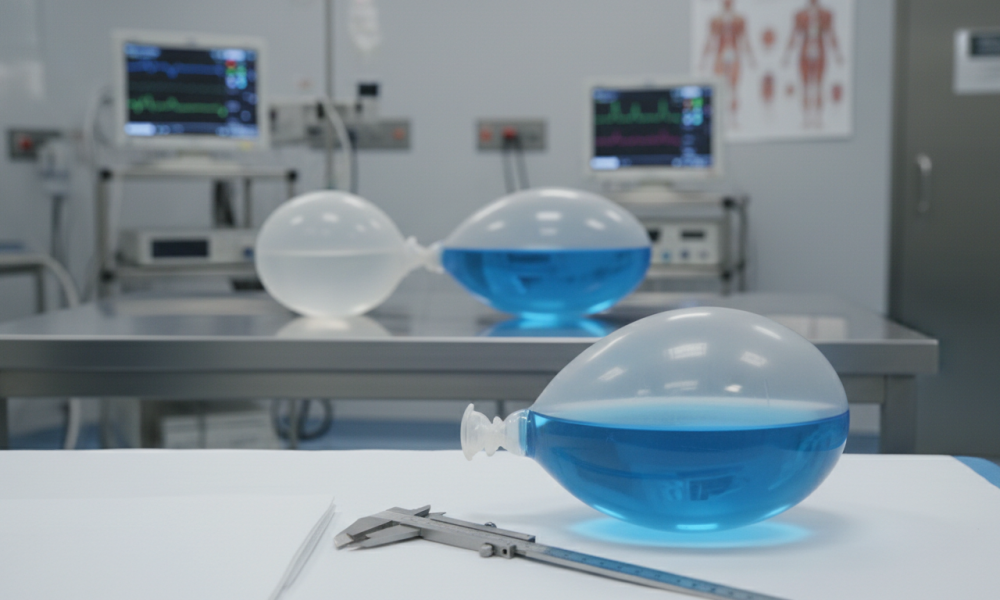
Orbera System
The Orbera device is filled with 300 to 750 ml of saline. It stays in the stomach for up to 12 months to support diet and lifestyle changes.
Spatz Adjustable System
The Spatz option is adjustable. Clinicians can change volume after the initial procedure to fine-tune results and comfort.
Obalon and ReShape Options
Other systems, like Obalon and ReShape, use different designs and follow-up needs. Each option has distinct follow-up and filling rules.
- Patients should weigh adjustability, support services, and the expected months of placement.
- Selecting an option affects procedure planning, outcomes, and post-placement diet coaching.
| System | Typical Volume | Adjustability | Support Services |
|---|---|---|---|
| Orbera | 300–750 ml saline | No (fixed) | 12 months coaching & checks |
| Spatz | Variable | Yes (on-table or later) | Custom follow-up visits |
| Obalon / ReShape | Smaller or multi-device | Limited | Regular monitoring and removal |
Regional Price Variations
The gastric balloon cost can differ sharply by country and city. In Ireland, packages typically range from €5,500 to €7,000. This often covers placement, follow-up visits, and removal.
Local healthcare fees, clinic reputation, and included services are key factors in price. Rural clinics may charge less, while accredited hospitals often cost more. Patients should check what each package includes to avoid surprises.
Practical advice: compare regional prices, read package details, and factor in travel and lodging if needed. Insurance rarely covers elective weight loss devices, so out-of-pocket expenses can vary.
“Researching regional options helps patients balance quality care with manageable expenses.”
| Region | Typical Price | Common Package Includes | Notes |
|---|---|---|---|
| Ireland | €5,500–€7,000 | Consults, placement, follow-up, removal | Higher clinic fees, comprehensive packages |
| UK | £4,500–£6,000 | Assessment, procedure, 12-month support | Package scopes vary by clinic |
| USA (example) | $4,000–$8,000 | Hospital fees, surgeon, coaching | Wide regional variation |
Navigating Insurance and Financial Coverage
Insurance rules often treat elective weight-loss devices as optional, so coverage can be limited or inconsistent. Most private insurers do not pay for the full price of these treatments.
Some patients with documented obesity-related conditions may qualify for partial reimbursement or medical funding. That approval depends on plan criteria and medical necessity documentation.
Discuss finances early with your care team. Ask clinics about flexible payment plans that spread the charge over months or years.
- Confirm what your plan defines as elective vs. medically necessary.
- Request pre-authorization when possible to avoid surprise bills.
- Compare clinic payment options and negotiated package details.
Proactively researching insurance and other plans helps patients prepare for out-of-pocket costs. Talking openly with your provider and insurer uncovers the best options for your long-term health and weight loss goals.
The Role of Medical Tourism in Weight Loss
Traveling for care can open access to skilled teams and lower prices. Many UK and Irish patients choose centres in Turkey, Poland, or Spain for affordable, high-quality bariatric options.
Benefits of International Bariatric Centers
Comprehensive packages often bundle the procedure, accommodation, and follow-up support. That makes planning simple and can cut overall cost compared with local quotes.
International clinics commonly specialize in treating obesity and offer personalized care. Patients benefit from experienced surgeons, nursing staff, and structured recovery plans.
- Lower fees for the same standards of care.
- Packaged stays that include consultations, the balloon placement, and recovery support.
- Access to teams focused on long-term weight loss and lifestyle coaching.
Due diligence matters: verify surgeon experience, read patient outcomes, and confirm accreditation before committing. For help in choosing where to go, see this resource on deciding where to go for medical.
Safety Profiles and Long Term Considerations
Short-term side effects usually ease within days, but long-term monitoring is key for safe outcomes.
The safety profile of the gastric balloon is well documented. Most patients report mild nausea and abdominal discomfort that fades in a few days to weeks.
Regular follow-up care helps track progress and guard against rare issues. Complications such as deflation or migration can occur and need prompt attention to protect health.

Proper patient selection and scheduled checks over the 12 months improve the chance of lasting weight loss results. Discuss risks, medication, and insurance coverage with your team before the procedure.
- Most side effects are temporary and manageable.
- Timely reviews reduce the chance of serious events.
- Adherence to post-procedure guidelines maximizes benefit.
| Risk | Typical Timing | Recommended Action | Outcome |
|---|---|---|---|
| Mild nausea & discomfort | Days–weeks | Medication, fluids, rest | Resolves |
| Deflation / migration | Any time while in stomach | Immediate medical review | Removal or intervention |
| Insufficient weight results | Months | Adjust coaching, diet, exercise | Improved long-term outcomes |
Preparing for Your Weight Loss Journey
A thorough initial consult helps patients and clinicians set safe, measurable goals for the coming months.
That visit evaluates medical history, current medications, and obesity-related factors that can affect outcomes. It also checks if a gastric balloon is a suitable option for the individual’s health.
Working closely with the care team creates tailored diet and lifestyle plans. These plans focus on steady weight change and practical habits that fit daily life.
Practical steps include pre-op tests, setting realistic targets, and discussing insurance and possible surgery alternatives. Understanding the procedure, follow-up schedule, and expected recovery builds confidence.
- Commit to regular follow-up appointments to track progress and adjust plans.
- Learn coping strategies for cravings and emotional eating as part of diet work.
- Plan logistics—time off work, support at home, and travel if needed.
Taking each preparatory step seriously increases the chance of lasting success and a positive experience on the weight loss journey.
Post Procedure Lifestyle and Dietary Support
Post-placement care focuses on gradual dietary changes and practical lifestyle shifts to keep weight off. The medical team gives staged diet plans that move from liquids to soft foods and then solids over several weeks.
Structured support helps patients adopt mindful eating and portion control. Regular follow-up visits during the 12 months let the team adjust plans based on real progress.
Ongoing sessions address emotional eating, stress triggers, and exercise routines. These check-ins are as important as the procedure itself for lasting results.
Consistent care from a multidisciplinary team—dietitians, nurses, and physicians—keeps motivation high and catches issues early. By following recommended diet and lifestyle steps, individuals boost their chances of long-term weight loss success.
- Follow-up schedule: regular reviews across the months to fine-tune diet and activity.
- Behavioral help: strategies for cravings, emotional eating, and relapse prevention.
- Outcome focus: small, steady changes lead to sustainable results beyond device removal.
Protecting Your Investment with Specialized Coverage
Investing in tailored travel medical cover is a practical step that safeguards recovery and reduces unexpected bills. Patients who travel for a gastric balloon procedure often face extra risks. Emergency care far from home can add large, unforeseen costs.
Clinic Hunter Cover, developed with AXA Assistance, provides strong protection. It offers up to €8 million for emergency medical care, hospitalization, and complications during the 12-month treatment period. That level of cover helps patients focus on health and weight loss goals instead of worry.
Include insurance when budgeting. Add the insurance premium to the package price so the total journey cost reflects real exposure. Many clinics will advise on options, but patients should confirm terms and exclusions before booking.
- Verify emergency evacuation and repatriation coverage.
- Check if follow-up care abroad is included or limited.
- Compare excesses, policy limits, and claim procedures.
With the right policy, patients can proceed confidently. Specialized cover turns an elective treatment into a managed plan—medical and financial protection that supports recovery every step of the way.
Conclusion
Deciding on an implant to aid weight loss requires both medical facts and personal readiness.
Prioritize quality care when comparing clinics, whether you stay local or travel for bariatric surgery. Prices and support plans vary, so check what the package covers and ask about follow-up services.
The balloon procedure can help jump-start change, but the device is only one part of lasting success. Commit to diet work, appointments, and exercise to keep weight off after removal.
Costs differ, yet the long-term gains from steady weight loss often outweigh the initial expense. Make decisions with your care team and trusted professionals to plan a safe, supported journey.
FAQ
What is the intragastric device and how does it help with weight loss?
The intragastric device is a temporary, space-occupying implant placed in the stomach to reduce hunger and portion sizes. It creates earlier satiety, helping patients eat less and adopt healthier habits while following a supervised diet and behavior program. Results vary by individual, but many achieve meaningful weight reduction over the months the device remains in place.
How is the insertion procedure performed and how long does it take?
The insertion is an endoscopic outpatient procedure done under mild sedation. A deflated device is introduced through the mouth and expanded once inside the stomach. The whole visit typically lasts one to two hours, including recovery time, and patients usually go home the same day with post-procedure instructions.
What different systems are available and how do they differ?
Several systems exist: Orbera is a single saline-filled implant removed after about six months; Spatz is adjustable and can remain longer; and capsule-based options like Obalon are swallowed and filled with gas, usually in a series. Each system differs in duration, adjustability, and follow-up needs, so clinicians tailor choice to the patient’s goals and medical profile.
What factors influence the total treatment expenses for this option?
Total expenses include the procedure fee, clinician and facility charges, pre-op testing, anesthesia, follow-up visits, nutritional counseling, and removal. Surgeon experience, clinic accreditation, geographic location, and whether a comprehensive care package is offered also affect the final price.
Are there notable price differences by region or country?
Yes. Prices vary widely across cities and countries due to differences in facility costs, clinician fees, and regulatory environments. Some people choose accredited international bariatric centers where bundled packages and travel-related savings can make treatment more affordable.
Will health insurance cover this treatment?
Coverage depends on the insurer and local policy. Many plans consider this a non-surgical, elective intervention and may not cover device fees. Some insurers offer partial coverage when linked to a documented weight-management program or when medically indicated. Patients should check benefits and request preauthorization when possible.
What safety concerns and long-term considerations should patients know?
Short-term risks include nausea, vomiting, and abdominal pain. More serious but rare complications include device deflation, migration, or perforation. Long-term success depends on lifestyle changes and follow-up care; some patients regain weight if behavior support is inadequate after removal. Regular monitoring reduces risk.
How do outcomes compare to surgical options like sleeve procedures?
The device typically produces moderate weight loss less than that seen with sleeve gastrectomy or bypass. It’s less invasive, reversible, and often chosen by people who prefer a non-surgical approach or need a bridge to more definitive surgery. Providers assess each patient’s health, weight-loss goals, and risk profile when recommending options.
What should patients do to prepare before the procedure?
Preparation includes medical evaluation, blood tests, imaging if needed, and nutritional counseling. Clinicians often require temporary changes to medications, a brief pre-op diet, and smoking cessation. Preparing mentally and arranging post-procedure support improves comfort and outcomes.
What type of follow-up and dietary support is required after placement?
Structured follow-up is essential. Typical programs include regular clinic visits, guidance from a registered dietitian, behavioral counseling, and exercise planning. Early weeks focus on progressive diets to reduce GI upset; long-term visits reinforce habits that sustain weight loss after removal.
Can travelers consider medical tourism for care, and what are the benefits and risks?
Medical tourism can offer lower bundled prices and experienced international centers. Benefits include cost savings and comprehensive packages. Risks involve continuity of care, follow-up logistics, and variable regulatory standards. Choose accredited centers, verify surgeon credentials, and plan post-travel follow-up with a local provider.
Are there financing options or specialized coverage to protect this investment?
Many clinics offer financing plans, payment packages, or partnerships with medical lenders. Some employers or health savings accounts can help cover expenses. Patients should compare package inclusions—procedure, follow-up, counseling, and removal—to avoid unexpected bills.
Who is an appropriate candidate and who should avoid this treatment?
Appropriate candidates typically have a body mass index (BMI) in the overweight to moderate obesity ranges and seek a non-surgical option or pre-surgical weight loss. Contraindications include certain stomach conditions, prior major GI surgery, or inability to comply with follow-up. A comprehensive medical evaluation determines candidacy.
Related guides
How Long Does a Dental Implant Procedure Take?
Curious if the journey to a restored smile will fit your life? Many patients wonder about the full…

Best Hair Transplant in Istanbul,Turkey
Could one clinic end years of worry and restore your confidence with a clear, tailored plan?Dr. Serkan Aygin…

What is Zygomatic Dental Implant?
Could anchoring into the cheekbone restore a confident smile when the upper jaw can’t?Zygomatic dental implants offer an…