

Wondering how one small change in the way you eat each day can shape long-term weight and health after surgery?
The path after bariatric surgery asks for thoughtful habits and clear steps. This concise guide explains why you must eat slowly, focus on protein and vegetables, and keep liquids separate from meals to aid healing and steady weight loss.
Simple behaviors—chewing thoroughly, limiting fats and sweets, and following care guidelines—help prevent discomfort and support nutrient intake. These routines make meals predictable and safe as you adapt to life after a procedure.
If questions arise, contact UCSF Bariatric Surgery at (415) 353-2161 for professional help. Implementing these tips day by day makes balanced eating feel natural and sustainable.
Key Takeaways
- Eat slowly and chew each bite to avoid discomfort and aid digestion.
- Prioritize protein and vegetables to meet nutrient needs and support loss.
- Keep liquids separate from meals and limit fats and sweets.
- Follow the guidelines set by your care team for safe progress.
- Contact UCSF Bariatric Surgery at (415) 353-2161 with any concerns.
Understanding Your Gastric Sleeve Dietary Guide
This procedure creates a limited stomach capacity, so every bite has purpose.
Preparing for life after bariatric surgery is exciting but requires clear, lasting changes in eating. The stomach now holds less than 1/4 cup—about the size of an egg—so portion control matters from day one.
Your doctor will give a tailored diet plan designed to protect healing and support steady weight loss. Follow those guidelines closely to avoid complications and to help the body adapt.
Every patient is different. Your doctor will monitor progress and adjust food and supplement plans over time to keep nutrition on track.
- Commitment: Small portions and mindful eating become part of daily life.
- Support: Follow your doctor’s care instructions for safe recovery.
- Outcome: These early steps set the stage for long-term weight loss and better health.
Preparing Your Body Before Surgery
Two weeks before the operation, the body begins a focused phase of preparation that helps lower surgical risks.
Shrinking the liver is the main presurgery goal. Many people carry extra fat in the liver, which makes the procedure harder. A short, strict diet reduces calories and carbohydrates to shrink that tissue.
The assigned plan emphasizes lean protein and vegetables. This helps preserve muscle while reducing liver fat and overall weight. Following the plan for two weeks makes the operation safer and eases recovery.
“A committed pre-op plan reduces risks and sets the stage for long-term success.”
- Reduce carbs and calories under your team’s guidance.
- Prioritize lean protein and non-starchy vegetables.
- Stick to the two-week plan to lower complication risk.
For patients exploring further options, see revision procedure candidates to learn more about eligibility and next steps.
Navigating the Immediate Post-Operative Liquid Phase
In the days right after the operation, fluids take center stage to protect the healing stomach.
Immediately following surgery, patients begin a clear liquids period. Start with broth and water to give the stomach time to recover. For the first two months after the procedure, calorie intake is purposely low—about 300 to 600 calories per day.

Clear Liquid Guidelines
Stick to clear liquids: plain broth, water, and prescribed protein drinks when allowed. Sip slowly—only two to three sips at a time—and wait about 10 minutes before more.
Aim to drink one cup of fluid between each small meal, six to eight times a day. Drinking enough fluids helps prevent constipation and supports healing.
Avoiding Dumping Syndrome
Avoid sugar, sugar-containing foods, and carbonated drinks to lower the risk of dumping syndrome. This condition can cause severe nausea, fatigue, and vomiting.
- Avoid alcohol; it is absorbed faster after bariatric surgery.
- Skip sugary drinks and sodas during this period.
- Follow your bariatric surgery team’s instructions on fluids and protein timing.
Transitioning to Pureed and Soft Foods
In the weeks that follow, introducing blended foods helps restore strength without overstressing the stomach.
About two weeks after surgery, most patients progress to pureed and soft foods. Start with cottage cheese, yogurt, mashed eggs, and well-cooked vegetables. These foods add texture while staying gentle on the surgical site.
Keep protein central. Protein helps recovery and supports weight loss. Use high-protein, low-calorie supplement drinks or powders if needed to reach targets.
Avoid rich, creamy items or anything high in sugar or fats. Those can trigger nausea, discomfort, or an upset in the small stomach during this period.
Take very small bites and chew thoroughly. Initially, limit to two bites every 20 minutes and sip broth or water between tiny portions. Add one new food at a time and watch how the body tolerates each item.
Listen to your care team and report any persistent pain or intolerance. Gradual steps now make future meals safer and more predictable.
Incorporating Solid Foods into Your Routine
Adding solid fare back into your routine is a careful, staged process after surgery.
Begin introducing small portions of well-cooked chicken, fish, and soft vegetables once you reach the one-month mark. Start with very small bites and eat slowly to avoid discomfort as the stomach adapts.
Protein Requirements
Aim for a minimum of 65 to 75 grams protein per day to preserve muscle during rapid loss. Include cottage cheese, eggs, lean fish, or protein drinks between tiny meals to hit this target.
Foods to Avoid
Avoid rice, bread, raw vegetables, fresh fruits, and tough meats like pork or steak. Skip high-sugar and high-fat items, and be cautious with nuts and dense bread that can cause blockage or pain.
- Track daily intake and follow your doctor’s guidelines.
- Keep liquids separate from meals and limit sugary drinks.
- Progress slowly over weeks and report any persistent pain.
| Phase | Allowed | Avoid | Protein Goal |
|---|---|---|---|
| 1 month+ | Well-cooked chicken, fish, soft vegetables | Rice, bread, raw veggies, tough meats | 65–75 g/day |
| Ongoing | Cottage cheese, eggs, lean proteins | High-sugar foods, fried fats, nuts if not tolerated | Maintain daily goal |
| Monitoring | Small frequent meals | Large portions, carbonated drinks | Adjust per doctor |
Essential Supplements for Long-Term Health
A clear plan for vitamins and minerals helps protect bone and nerve health after surgery.
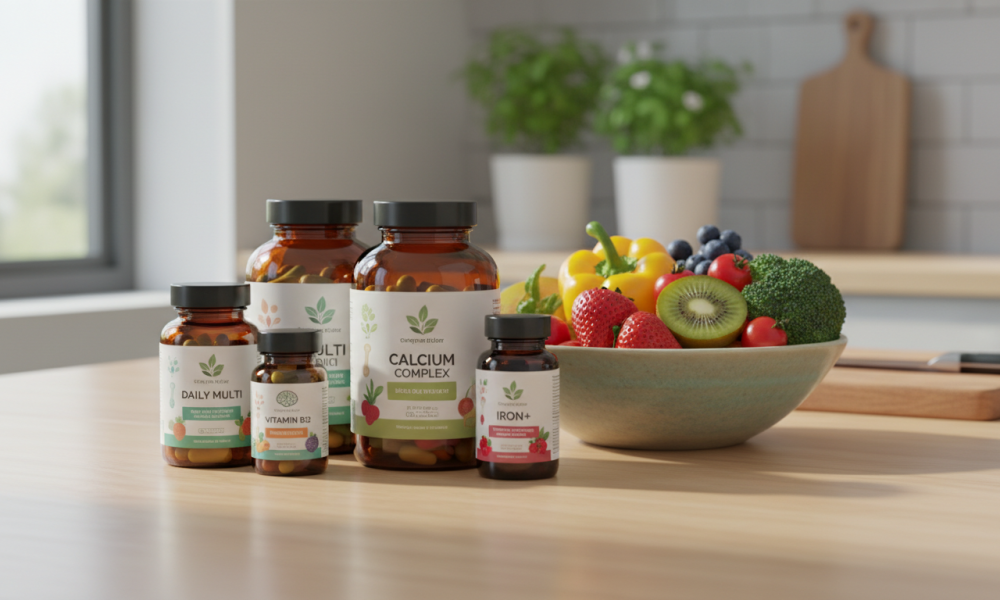
Daily supplements fill gaps that food alone cannot cover after this procedure. A high-potency chewable multivitamin is essential. Choose one that supplies at least 18 mg of iron to lower anemia risk for life.
Calcium and vitamin D work together to preserve bone. Aim for 1,200–2,000 mg of calcium per day in divided doses. Take 800–1,000 IU of vitamin D daily, often combined with calcium for convenience.
Vitamin B12 and Absorption
Take 500 mcg of vitamin B12 each day. Sublingual tablets or small chewable forms are effective for better absorption.
- Crush or cut large pills when needed—whole tablets absorb poorly after surgery.
- Meeting your target of 65 to 75 grams protein per day supports recovery alongside supplements.
- Keep a simple daily routine so supplements become a regular part of life.
Consistent supplements and adequate protein are the best safeguard for long-term health after surgery.
| Supplement | Daily Dose | Why It Matters |
|---|---|---|
| Multivitamin (chewable) | High-potency; ≥18 mg iron | Prevents broad nutrient deficiencies |
| Calcium | 1,200–2,000 mg (divided) | Protects bone density |
| Vitamin D | 800–1,000 IU | Supports calcium absorption and bone health |
| Vitamin B12 | 500 mcg (sublingual or tablet) | Prevents nerve damage and anemia |
Hydration Strategies and Fluid Intake
Drinking the right amount of water each day reduces the chance of nausea and supports recovery.
Aim for at least 2 liters (64 ounces or 8 cups) of water or non-caloric fluids daily to avoid dehydration. Sip slowly throughout the day rather than gulping large amounts at once.
Try to drink one cup of water between each small meal. This steady rhythm helps reach the 64-ounce goal and lowers the risk of constipation and fatigue.
Avoid drinking liquids while eating. Fluids with meals can fill the small stomach too fast and make it harder to get enough nutrients from food.
If plain water is difficult, ask your doctor about low-calorie electrolyte drinks. These options can help maintain fluid balance without adding significant calories.
“Proper hydration is a cornerstone of recovery—small sips, steady intake, better comfort.”
- Sip slowly and regularly.
- Aim for 64 ounces of fluids daily.
- Keep fluids between meals, not during them.
Lifestyle Habits for Sustained Weight Loss
How you move through each day plays a big role in sustaining weight loss.
Once cleared for activity, aim for about 30 minutes per day of moderate exercise. Walking, swimming, or cycling are gentle ways to build stamina without straining the body.
The Role of Regular Exercise
Build movement into life. A daily walk helps maintain weight loss and supports mood and sleep.
Keep foods nutrient-dense. Focus on lean protein, cottage cheese, and vegetables to meet needs and protect muscle during loss.
- Avoid alcohol: it is absorbed faster after the procedure and can harm recovery.
- Skip high-calorie snacks like nuts or sugary sweets when they displace protein-rich foods.
- Learn to tell physical hunger apart from emotional appetite to eat for real needs.
Consistency matters: turning movement into a habit makes it easier to keep weight off and preserve results long term.
| Action | Why it Helps | Target |
|---|---|---|
| Daily moderate activity | Burns calories and preserves muscle | 30 minutes/day |
| Nutrient-focused foods | Supports healing and protein needs | Lean protein, cottage cheese, vegetables |
| Avoid risky items | Prevents complications and excess calories | No alcohol; limit nuts, sweets |
Conclusion
A steady rhythm of nutrient-dense foods and regular check-ins with your care team supports lasting results.
Follow the guidelines from your medical team and keep scheduled visits with your doctor. Obesity is a chronic condition; lifelong follow-up protects your health and progress.
Choose protein-rich, whole foods and keep moving—small, daily habits add up over time. As recovery continues, you can widen the variety of foods in your diet, while still prioritizing nutrient-dense choices.
Stay committed to this new life and the routines that sustain it. For related body-contouring options and more information, see liposuction information.
FAQ
What should I eat in the first 24–48 hours after the procedure?
In the immediate post-op period, clear, noncarbonated liquids are best. Choose water, low-sodium broth, and sugar-free electrolyte drinks. Sip slowly and stop if you feel nausea. Avoid milk, cream, and juices with pulp until cleared by your surgeon.
How long will I stay on clear liquids before moving to pureed foods?
Most patients remain on clear liquids for about 1–2 days, then progress to full liquids or pureed foods over the next 1–2 weeks, depending on healing and your surgeon’s protocol. Follow the care team’s timeline closely.
How much protein do I need each day after surgery?
Aim for 60–80 grams of protein per day initially; many providers recommend 60–90 g for optimal healing and muscle retention. Prioritize lean poultry, fish, eggs, Greek yogurt, cottage cheese, and protein supplements formulated for bariatric patients.
When can I start eating solid foods again?
Solid foods are usually reintroduced around 6–8 weeks after surgery, once the stomach has healed and you tolerate purees and soft foods without pain or vomiting. Advance slowly—small portions and attentive chewing are essential.
What foods should I avoid permanently?
Avoid high-sugar, high-fat, and carbonated drinks, as well as tough meats, fibrous vegetables that cause blockage, and alcohol in the early months. Fried foods, candy, and regular soda commonly trigger discomfort and poor weight-loss outcomes.
How do I prevent dumping syndrome?
Prevent dumping by avoiding concentrated sugars, eating protein first, limiting simple carbohydrates, and separating liquids from meals by 30–60 minutes. Eat slowly and stop when comfortably full; this helps slow gastric emptying.
Do I need vitamin and mineral supplements for life?
Yes. A daily bariatric multivitamin, calcium with vitamin D, and vitamin B12 (oral or injections) are commonly recommended long-term. Iron and folate may also be needed—monitor levels with your doctor and adjust supplements accordingly.
How much water should I drink each day?
Aim for at least 48–64 ounces of fluids daily, sipping throughout the day. Avoid drinking 30 minutes before and after meals to prevent overfilling the new stomach pouch. Use a refillable bottle to track intake.
What can cause constipation after surgery and how is it managed?
Constipation may come from reduced food intake, pain meds, iron supplements, or low fiber. Increase fluid intake, add soft high-fiber foods as tolerated, and discuss gentle stool softeners or laxatives with the care team.
Is alcohol safe after the operation?
Alcohol is discouraged—especially in the first year. The altered stomach absorbs alcohol faster, increasing intoxication risk and calories. Discuss timing and limits with your surgeon and dietitian.
How should I handle nausea or vomiting after I start eating solids?
Stop eating, sip small amounts of clear fluid, and rest upright. Vomiting can signal eating too quickly, poor chewing, or problematic foods. Contact your surgeon if vomiting is frequent, severe, or accompanied by pain or fever.
Can I eat nuts, seeds, or tough meats?
These can be hard to tolerate early on. Finely chopped or ground nuts and well-cooked, tender lean meats are safer choices. Work with a dietitian to reintroduce these foods gradually and test tolerance in small amounts.
How do I meet calcium and vitamin D needs after the procedure?
Use bariatric-specific calcium citrate plus vitamin D supplements, as calcium citrate is better absorbed without stomach acid. Typical recommendations are 1,200–1,500 mg calcium and 800–2,000 IU vitamin D daily, tailored by lab results.
When should I call my doctor about weight-loss plateaus or rapid loss?
Contact your provider if weight loss stops for several months despite adherence, or if you experience very rapid loss causing fatigue, hair loss, or nutrient deficiencies. Regular follow-up helps identify metabolic, behavioral, or medical causes.
Are protein shakes necessary and which types are best?
Protein shakes help meet daily targets when whole foods fall short. Choose low-sugar, high-protein formulas designed for bariatric patients, providing at least 15–20 g protein per serving and minimal additives.
How should meals be structured to support long-term success?
Eat small, frequent meals focused on protein first, then vegetables and small amounts of healthy fats. Avoid grazing on calorie-dense snacks. Plan meals, measure portions, and eat mindfully—chew thoroughly and pause between bites.
Will I need to limit dairy like cottage cheese and yogurt?
Dairy can be an excellent protein source—opt for low-fat cottage cheese, Greek yogurt, and skim milk if tolerated. Monitor lactose sensitivity; some patients need to limit milk and cream but do well with fermented dairy.
How soon should exercise be added to the recovery plan?
Light activity, such as short walks, often begins within days after surgery. Gradually increase to moderate exercise over 4–6 weeks as cleared by the surgeon. Regular resistance and aerobic training support weight maintenance and lean mass.
Can blood sugar drops occur after the procedure?
Yes—especially when consuming high-sugar foods or in patients with prior diabetes medications. Monitor symptoms like shakiness or dizziness, carry a quick source of protein, and coordinate glucose management with your healthcare team.
How often should I have lab tests after the operation?
Typical schedules include checks at 3, 6, and 12 months, then annually to monitor nutrients like iron, B12, calcium, vitamin D, and others. Your surgeon or bariatric dietitian will recommend timing based on individual risk factors.
Related guides
How Long Does a Dental Implant Procedure Take?
Curious if the journey to a restored smile will fit your life? Many patients wonder about the full…

Best Hair Transplant in Istanbul,Turkey
Could one clinic end years of worry and restore your confidence with a clear, tailored plan?Dr. Serkan Aygin…
What is Zygomatic Dental Implant?
Could anchoring into the cheekbone restore a confident smile when the upper jaw can’t?Zygomatic dental implants offer an…