
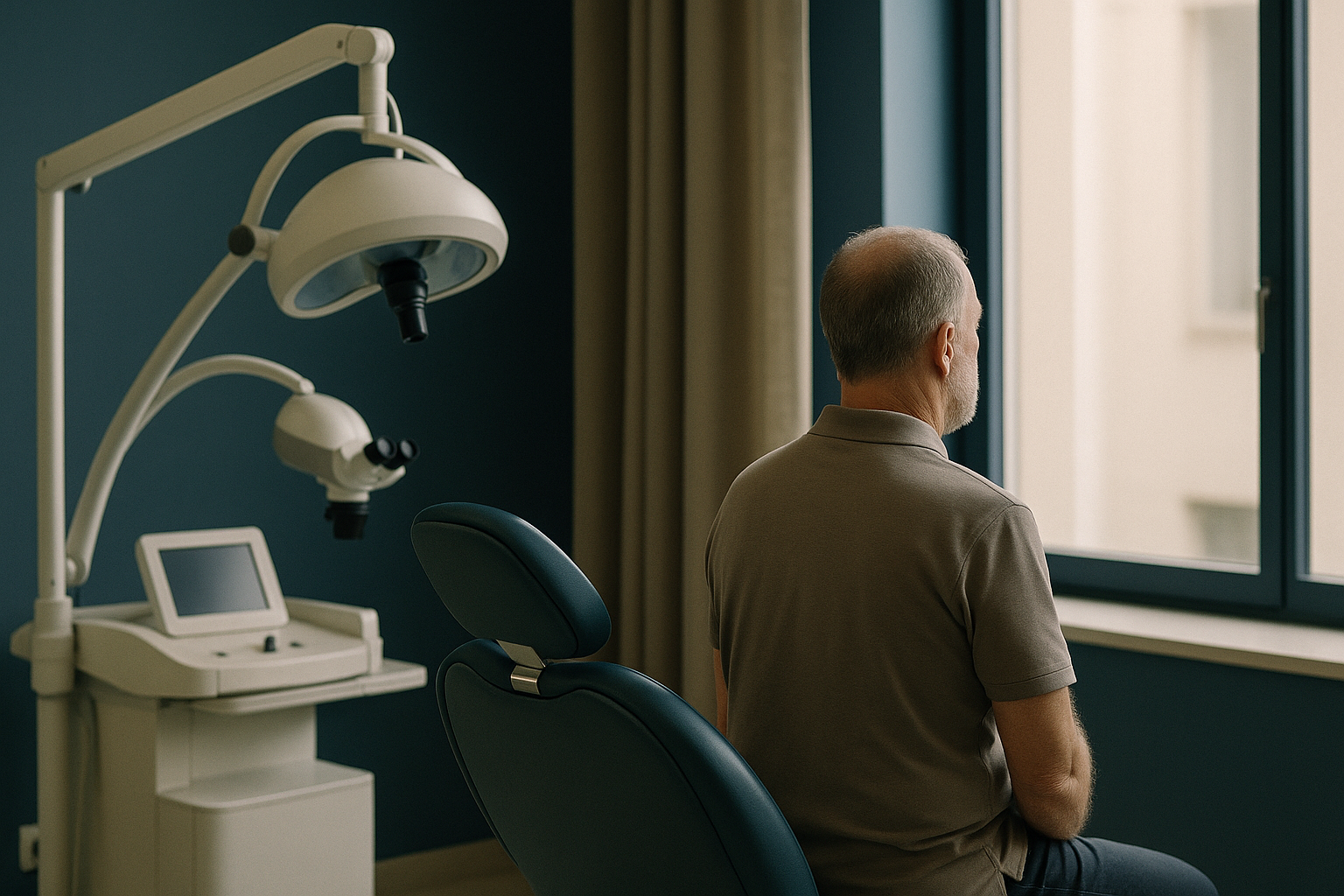
Hair transfer, a popular cosmetic procedure, offers hope to individuals experiencing hair loss. This article explores the various options, costs, and benefits associated with hair transfer, providing practical insights for those considering treatment abroad.
What is Hair Transfer?
Hair transfer, commonly known as hair transplant, involves moving hair follicles from donor sites to balding areas. This procedure can effectively restore hair growth and improve self-esteem. Hair transfer is widely sought after by both men and women experiencing hair loss due to genetics, age, or medical conditions. The global hair transplant market is thriving, with millions of procedures performed annually, reflecting the increasing demand for effective hair restoration solutions.
In terms of techniques, the two primary methods used in hair transfer are Follicular Unit Extraction (FUE) and Follicular Unit Transplantation (FUT). FUE involves harvesting individual follicles, which minimizes scarring and recovery time, while FUT involves removing a strip of scalp, which can be more efficient for large areas but may leave a linear scar. Each method has its benefits and considerations, which patients must weigh carefully. For instance, FUE is often chosen by those who prefer shorter haircuts, as the scars are less visible. On the other hand, FUT might be selected for its ability to move a larger number of follicles in one session.
When considering hair transfer, potential patients should be aware of the factors that influence the choice of technique. These include the extent of hair loss, the patient’s hair type, and the desired outcome. Consulting with a specialist can help individuals understand which method is best suited for their specific situation. Furthermore, understanding the differences between these techniques can empower patients to make informed decisions about their treatment options. It is crucial to consider the surgeon’s expertise with each technique, as their skill can significantly impact the final results.
Understanding FUE Hair Transplant
Follicular Unit Extraction (FUE) is a modern hair transplant technique that involves extracting individual hair follicles from the donor area and implanting them into the recipient area. This method is minimally invasive and leaves minimal scarring compared to traditional methods. FUE has revolutionized hair transplantation by offering patients a procedure that is less painful and requires shorter recovery time. The precision of FUE allows for the extraction of thousands of grafts in a single session, making it suitable for extensive hair restoration.
FUE is popular due to its precision and ability to create a natural-looking hairline. The procedure is performed under local anaesthesia, and patients typically experience a short recovery time. Most individuals can return to work and normal activities within a week, although full recovery and hair growth may take several months. It is important for patients to follow post-operative care instructions to ensure optimal results and minimize the risk of complications. Instructions often include avoiding strenuous activities and direct sun exposure to protect the newly transplanted follicles.
FUE is suitable for individuals with varying hair types and can be used to address hair loss in different areas, including the scalp, beard, and eyebrows. This versatility makes it an attractive option for those seeking to enhance their appearance comprehensively. Patients with curly or wavy hair may also benefit from FUE, as the technique can accommodate different hair textures. Ultimately, the success of FUE depends on the surgeon’s skill and experience, underscoring the importance of choosing a qualified professional. Prospective patients should request to see before-and-after photos and patient testimonials to evaluate the surgeon’s expertise.
Do Most Hair Transplant Surgeons Use Manual FUE or NeoGraft?
When considering a hair transplant, patients often wonder about the techniques used by surgeons. Manual FUE and NeoGraft are two common methods. Manual FUE involves the surgeon manually extracting hair follicles, providing greater control and precision, especially in complex cases. This method allows surgeons to customize the extraction process based on the patient’s unique hair characteristics, potentially leading to better outcomes. Surgeons who prefer manual FUE often cite the ability to make nuanced decisions about follicle selection and placement as a significant advantage.
NeoGraft, on the other hand, is an automated system that assists in the extraction process. It offers consistency in follicle harvesting and can reduce the duration of the procedure. NeoGraft’s automation can be advantageous in large-scale procedures, where time efficiency is crucial. The system reduces the likelihood of human error, which can result in a higher survival rate of transplanted follicles. Additionally, the use of NeoGraft can sometimes lower the physical demand on the surgeon, potentially leading to better outcomes in lengthy procedures.
The choice between manual FUE and NeoGraft often depends on the surgeon’s expertise and the patient’s specific needs. Some surgeons may prefer the control provided by manual FUE, while others may value the speed and consistency of NeoGraft. Patients should discuss both options with their surgeon to determine which method aligns best with their goals and expectations. Ultimately, the surgeon’s skill and experience play a significant role in the success of the procedure, regardless of the technique used. Surgeons should provide a detailed explanation of why they prefer one method over the other, including any relevant experience or success stories.
How Much Does FUE Hair Transplant Cost?
The cost of an FUE hair transplant varies based on several factors, including the extent of hair loss, the number of grafts required, and the location of the clinic. On average, the cost ranges from $4,000 to $15,000 globally. Clinics in countries like Turkey and India often offer competitive pricing, attracting many international patients seeking affordable yet high-quality treatment. For instance, Turkey has become a hub for hair transplants, with clinics offering packages that include the procedure, accommodation, and transportation for around $2,000 to $5,000.
Patients should consider additional expenses such as travel, accommodation, and post-operative care when planning for a hair transplant abroad. These costs can add up, making it essential for patients to budget accordingly. For example, a patient traveling to Turkey might spend an additional $1,000 to $2,000 on travel and lodging, depending on the duration of their stay and the level of comfort desired. It’s important to factor in the cost of post-operative medications and follow-up visits, which can vary significantly between clinics.
It’s crucial to consult with reputable clinics to obtain accurate cost estimates and ensure transparency about potential expenses. Patients should request detailed quotes that include all anticipated costs to avoid surprises. Additionally, financing options or payment plans may be available at some clinics, making the procedure more accessible to those who might otherwise be unable to afford it. Careful financial planning and consultation with a trusted financial advisor can help ensure a stress-free experience. Patients should also be wary of prices that seem too good to be true, as they may indicate lower standards of care or hidden fees.
Hair Transfer for Women: Is it Effective?
Hair transfer is not limited to men; women can also benefit from this procedure. Hair loss in women can be caused by hormonal changes, genetics, or medical conditions. FUE and FUT are both effective options for women seeking hair restoration. Unlike men, women often experience diffuse thinning rather than distinct bald patches, which requires a tailored approach to achieve natural-looking results. This can involve strategically placing grafts to increase hair density and create the appearance of fuller hair.
Women may experience hair thinning rather than complete baldness, making precise and natural-looking results essential. A thorough consultation with a specialist can help determine the most suitable approach for female patients. Women may also have different aesthetic goals compared to men, such as maintaining a softer, more feminine hairline. This requires careful planning and execution by the surgeon to meet the patient’s expectations. For women, achieving a successful outcome often involves a detailed understanding of female hairlines and styling preferences.
It’s important for women to select a surgeon experienced in treating female hair loss, as the causes and patterns of hair loss can differ significantly from those seen in men. Surgeons should conduct a comprehensive evaluation to identify the underlying cause of hair loss and recommend the most appropriate treatment plan. By addressing these unique challenges, women can achieve satisfactory results that enhance their appearance and boost their confidence. Choosing a surgeon who understands female hair loss patterns can make a significant difference in the quality of the results.
Safety and Accreditation in Hair Transfer
Ensuring safety and accreditation is paramount when considering a hair transfer abroad. Patients should research clinics that hold international accreditations and have experienced, board-certified surgeons. Accreditation bodies such as the International Society of Hair Restoration Surgery (ISHRS) and the Joint Commission International (JCI) set rigorous standards for clinic operations and patient care. These standards cover a wide range of areas, from surgical techniques to patient safety protocols, ensuring a high level of care.
It’s advisable to read patient reviews and ask for before-and-after photos to gauge the clinic’s expertise. Patient testimonials can provide insight into the overall experience and satisfaction with the results. Additionally, patients should inquire about the clinic’s safety protocols, including sterilization practices and emergency preparedness, to ensure a safe surgical environment. Clinics that openly share their protocols and success rates typically have nothing to hide and are confident in their services.
Accredited clinics adhere to strict hygiene and procedural standards, reducing the risk of complications and ensuring a successful outcome. Patients should also confirm the surgeon’s credentials, including their training and experience in performing hair transfer procedures. By choosing a reputable clinic with a proven track record, patients can have greater confidence in the quality and safety of their care, ultimately leading to better results and a more positive experience. Verification of the surgeon’s membership in professional organizations can further assure patients of their proficiency and dedication to the field.
Conclusion: Making an Informed Decision
Hair transfer offers a viable solution for those facing hair loss, with options like FUE and FUT providing effective results. By understanding the costs, techniques, and safety measures, patients can make informed decisions about pursuing treatment abroad. The decision to undergo a hair transfer should be made after careful consideration of all factors, including the potential benefits, risks, and long-term outcomes. Patients should weigh the pros and cons of each method and consider personal factors such as lifestyle and financial situation.
Consulting with accredited clinics and experienced surgeons is essential to achieving the desired outcome. Patients should prepare a list of questions to ask during consultations to ensure they fully understand the procedure and what to expect. This proactive approach can help alleviate concerns and provide a clearer picture of the anticipated results. Questions might include inquiries about the surgeon’s experience, the number of procedures performed, and specific aftercare instructions.
With the right guidance and preparation, hair transfer can significantly enhance one’s appearance and confidence. By taking the time to research and select a qualified provider, patients can increase their chances of a successful procedure and enjoy the long-term benefits of restored hair and improved self-esteem. Informed decision-making is key to a positive experience and satisfactory results in hair transfer treatments. The journey to hair restoration begins with choosing the right path, and being well-informed is the first step towards achieving the desired transformation.
Proven result
20 to 200 hair-transplant patients a month from Australia
Aesthetic surgery group
Frequently asked questions
What is FUE hair transplant?
FUE hair transplant involves extracting individual hair follicles and implanting them into balding areas, offering a natural look.
How much does FUE hair transplant cost?
The cost of FUE hair transplant ranges from $4,000 to $15,000, depending on various factors like the number of grafts needed.
Do most hair transplant surgeons use manual FUE or NeoGraft?
Surgeons may use manual FUE for precision or NeoGraft for efficiency, depending on the patient’s needs and surgeon’s expertise.
Is hair transplant effective for women?
Yes, hair transplant is effective for women, providing solutions for hair thinning and loss due to various causes.
Related guides

What Is a Medical Travel Facilitator and Why Use One?
A lower treatment quote can look compelling until you try to compare what it actually includes: surgeon fees,…

What Hospital Accreditation Reviews Really Tell You
A hospital can have polished facilities, prominent surgeons, and hundreds of five-star ratings, yet those signals do not…

International Patient Onboarding Guide for Hospitals
An international patient inquiry is not simply a lead. It is a person weighing a major medical decision…