
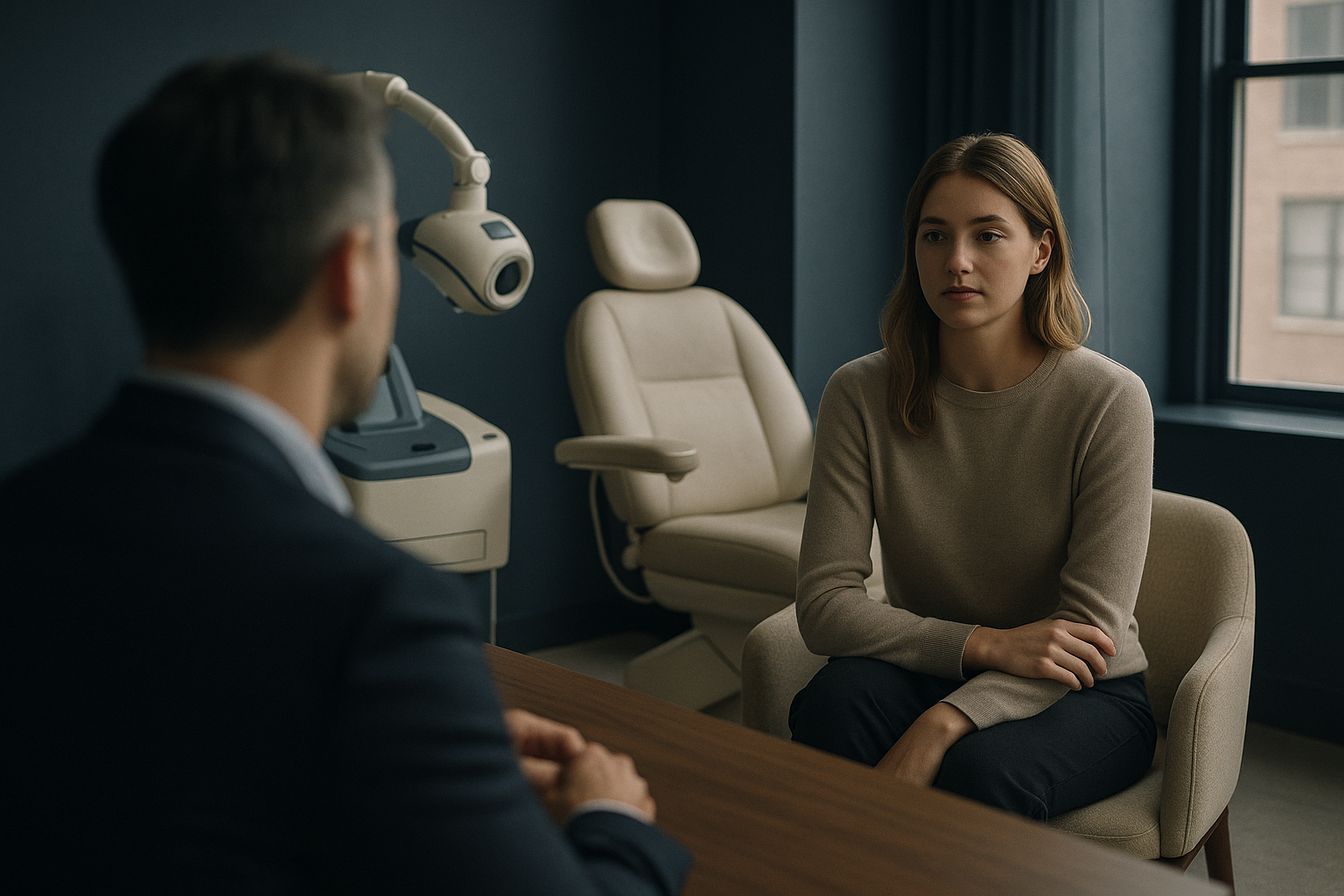
Considering a hair transplant in NYC is a significant decision for international patients seeking effective solutions for hair loss. This guide provides essential information on available options, costs, procedures, and what to expect when choosing NYC for your hair transplant needs.
What is a Hair Transplant?
A hair transplant is a surgical procedure aimed at restoring hair to areas affected by hair loss. The most common techniques are Follicular Unit Extraction (FUE) and Follicular Unit Transplantation (FUT). In NYC, clinics offer state-of-the-art procedures that ensure natural-looking results. Hair transplantation involves the relocation of hair follicles from a donor site, typically the back or sides of the scalp, which are genetically resistant to balding, to a bald or thinning area of the scalp.
The FUE technique involves extracting individual hair follicles using precise micro-punch tools, which are then implanted into balding areas. This method is known for being minimally invasive and leaving no linear scars, making it a preferred choice for those seeking a seamless, undetectable outcome. It is ideal for patients who prefer shorter hairstyles since the lack of a linear scar allows for flexibility in hair length.
On the other hand, FUT involves removing a strip of skin from the donor area and dissecting it into individual follicular units under a microscope. While this method can effectively cover larger areas of hair loss in a single session, it may result in a linear scar at the donor site. Patients with longer hairstyles often opt for FUT, as the scar can be easily concealed by surrounding hair. Moreover, FUT might be a more suitable option for individuals needing a large number of grafts.
In NYC, the choice between FUE and FUT frequently depends on the patient’s specific needs, lifestyle, and aesthetic goals. Surgeons typically discuss the pros and cons of each method during the initial consultation. For instance, FUE might be recommended for someone looking for a gradual change with minimal downtime, while FUT could be the go-to for someone with extensive hair loss and the desire for a more dramatic transformation in fewer sessions. The location of the clinic and the expertise of the surgeon also significantly influence which method is recommended.
How Much Does a Hair Transplant Cost in NYC?
The cost of a hair transplant in NYC varies depending on several factors, including the chosen technique, the surgeon’s expertise, clinic reputation, and location. On average, the cost of an FUE hair transplant ranges from $4,000 to $15,000. This price range reflects the complexity and detail involved in the procedure, as each hair follicle must be individually extracted and implanted. Patients should consider that while FUE is generally more expensive than FUT, it offers advantages such as less scarring and a quicker recovery period.
FUT procedures, while slightly more affordable, typically range from $3,000 to $10,000. The cost difference is partly due to the technique’s ability to harvest larger numbers of grafts more efficiently, making it a cost-effective option for extensive hair restoration. However, patients should also weigh the longer recovery time and potential for a noticeable scar when choosing this method.
It’s important for patients to consider both the immediate hair implant price and the long-term benefits when deciding on a procedure. Factors such as the extent of hair loss, the number of grafts required, and the desired density should be discussed during consultations to obtain a more tailored and accurate estimate. Additionally, some clinics offer financing options to help manage the cost over time, making hair transplants more accessible to a broader range of patients.
In NYC, the competitive market for hair transplants also influences pricing structures. Clinics located in more affluent areas might charge higher fees due to increased operational costs. However, this does not always correlate with better results, so prospective patients should carefully evaluate the quality of care and outcomes when considering their budget. Additionally, seasonal discounts or promotions might be available, allowing patients to access top-tier services at reduced rates. Careful planning and negotiation during the consultation phase can also play a role in securing a financially feasible solution.
Do Most Surgeons Use Manual FUE or Neograft?
In NYC, many hair transplant surgeons employ both manual FUE and automated techniques like Neograft. The choice between these methods often depends on the surgeon’s preference and expertise, as well as the specific needs of the patient. Manual FUE involves extracting follicles using handheld instruments, which allows for greater precision and control. This approach is often favored by surgeons who value the ability to tailor each extraction to the unique characteristics of the patient’s hair and scalp.
Neograft, on the other hand, is an automated system that can speed up the process and reduce fatigue for the surgeon. This technology uses a pneumatic pressure system to extract and implant follicles, potentially increasing the efficiency of the procedure. However, the success of Neograft largely depends on the surgeon’s skill and experience with the device. While automation can offer consistency, the artistry involved in hairline design and graft placement remains a critical factor in achieving natural results.
Patients should inquire about the surgeon’s preferred techniques and success rates during consultations. Understanding the rationale behind the surgeon’s choice can provide insight into the expected outcomes. Additionally, patients may want to seek testimonials or before-and-after photos from previous clients to gauge the surgeon’s proficiency with either method. Ultimately, the goal is to select a technique that aligns with the patient’s aesthetic goals and ensures a high level of satisfaction with the final result.
The choice between manual and automated techniques often comes down to the specific goals of the patient and the unique characteristics of their hair loss pattern. For example, manual FUE might be preferred for small, targeted areas requiring precise attention, while Neograft might be suitable for clients seeking to cover larger areas efficiently. The technology behind Neograft offers benefits such as reduced surgical time, which can lead to a shorter recovery period. However, the hands-on approach of manual FUE allows for a more personalized touch, making it a popular choice for those seeking a nuanced and tailored outcome. When consulting with a surgeon in NYC, it’s crucial to discuss these factors to make an informed decision.
Understanding the FUE Hair Transplant Procedure
The FUE procedure begins with the donor area being shaved and local anesthesia applied to ensure patient comfort throughout the procedure. The surgeon then uses a micro-punch tool to carefully extract individual hair follicles. This precision tool allows for the removal of follicles with minimal damage to the surrounding tissue, preserving the integrity of the donor site.
Once extracted, the follicles are meticulously implanted into the recipient area, taking care to mimic the natural growth pattern and direction of the patient’s existing hair. This step is crucial in creating a natural hairline and seamless blend with the surrounding hair. The meticulous nature of FUE allows for strategic placement, ensuring that the density and distribution of the transplanted hair look as natural as possible.
Recovery time for FUE is relatively short, with most patients returning to normal activities within a few days. Post-operative care involves following specific instructions provided by the surgeon, which may include gentle washing techniques and avoiding direct sunlight. While initial results can be seen within a few months, full results may take up to a year as the transplanted hair goes through a normal growth cycle. FUE is often preferred for its minimally invasive nature, lack of visible scarring, and quick recovery, making it a popular choice for those seeking a discreet solution to hair loss.
Understanding the nuances of the FUE procedure is critical for setting realistic expectations. For instance, patients should be aware that while FUE is less invasive, it still requires a commitment to aftercare to ensure optimal results. This includes using prescribed shampoos, avoiding heavy physical activities, and attending regular follow-up appointments to monitor progress. In NYC, many clinics provide comprehensive aftercare packages that include products and services designed to enhance recovery and promote healthy hair growth. Additionally, potential patients should inquire about the surgeon’s experience with FUE, as the skill and precision of the procedure are largely dependent on the practitioner’s expertise.
What to Expect After Hair Transplant Surgery
After hair transplant surgery, patients can expect some mild swelling and discomfort in the treated areas, which usually subsides within a week. This is a normal part of the healing process and can be managed with prescribed medications and cold compresses. Patients are advised to follow the aftercare instructions provided by their surgeon closely to ensure optimal healing and to promote the best possible hair growth outcomes.
Regular follow-up appointments are essential to monitor progress and address any concerns that may arise. During these visits, the surgeon can assess the healing process, evaluate the growth of the transplanted hair, and make any necessary adjustments to the care plan. Patients should avoid strenuous activities and direct sun exposure during the initial recovery period to prevent complications and support healing.
In the months following the procedure, patients will notice the transplanted hair shedding and new hair growth beginning. This is a normal part of the process known as “shock loss,” and the new hair will gradually thicken and strengthen over time. Long-term success depends on proper care and adherence to medical advice, ensuring that the transplanted hair integrates seamlessly with the existing hair and maintains a natural appearance. With patience and diligence, patients can achieve satisfying and lasting results.
It is also worth noting that hair growth patterns can vary significantly from person to person, influenced by factors such as age, genetics, and the extent of hair loss prior to surgery. In NYC, clinics often provide detailed timelines and personalized care plans to help patients understand what to expect in terms of growth and coverage. For example, some patients may see noticeable improvements in density and texture within six months, while others may take closer to a year to observe full results. Continuous consultation with the hair transplant team is key to navigating this journey effectively and ensuring any concerns are addressed promptly.
Accreditation and Safety Considerations
When choosing a clinic in NYC for a hair transplant, ensuring accreditation and adherence to safety standards is paramount. Reputable clinics are often accredited by recognized organizations such as the American Board of Hair Restoration Surgery or the International Society of Hair Restoration Surgery. These accreditations ensure that the clinic maintains high standards of care and employs qualified, experienced professionals.
Patients should thoroughly research potential clinics, checking for certifications and reading reviews from previous patients. Online platforms and forums can provide valuable insights into the experiences of others and help identify clinics with a proven track record of success. A transparent approach to discussing risks and benefits is a hallmark of a trustworthy clinic, and patients should feel comfortable asking questions and expressing any concerns during consultations.
Accreditation assures patients of the clinic’s commitment to maintaining quality and safety in procedures. It reflects a dedication to ongoing education and training, ensuring that the latest techniques and technologies are employed to achieve the best possible results. By prioritizing safety and accreditation, patients can confidently choose a clinic that aligns with their expectations and delivers exceptional care.
Furthermore, clinics in NYC often participate in industry conferences and workshops to stay at the forefront of advancements in hair restoration techniques. This commitment to continuous improvement is crucial, as the field of hair transplantation is constantly evolving with new technologies and methods. Prospective patients should inquire about the clinic’s involvement in such professional development activities as a measure of their dedication to providing cutting-edge care. Additionally, the clinic’s handling of patient confidentiality and data protection should also be discussed, especially for international patients, to ensure compliance with global privacy standards.
Conclusion: Making an Informed Decision
Choosing a hair transplant in NYC involves careful consideration of costs, techniques, and surgeon expertise. International patients should conduct thorough research and consult with multiple clinics to make an informed decision. Comparing options and understanding the nuances of different procedures can help patients choose a path that aligns with their goals and budget.
The right choice can lead to successful hair restoration, boosting confidence and improving quality of life. To ensure satisfaction, patients should verify the credentials of their chosen surgeon and clinic, review before-and-after photos, and seek feedback from past clients. This due diligence helps build trust and establishes realistic expectations for the outcome.
Ultimately, the goal is to achieve natural-looking results with minimal risk and downtime. By taking the time to explore all available options and asking the right questions, patients can feel confident in their decision to pursue a hair transplant in NYC. With the right team and approach, hair restoration can be a life-changing experience that enhances both appearance and self-esteem.
Making an informed decision also involves considering the long-term implications of the procedure. Patients should think about how hair restoration fits into their broader aesthetic goals and lifestyle. For instance, maintaining a relationship with the clinic for future touch-ups or enhancements might be necessary, depending on changes in hair loss patterns over time. In this regard, NYC clinics often provide comprehensive care plans that include follow-up sessions to ensure lasting satisfaction. By evaluating all these factors, patients can make a well-rounded decision that supports their vision for hair restoration success.
Proven result
20 to 200 hair-transplant patients a month from Australia
Aesthetic surgery group
Frequently asked questions
What is FUE hair transplant?
FUE, or Follicular Unit Extraction, is a minimally invasive procedure where individual hair follicles are extracted and transplanted to balding areas.
How much does a FUE hair transplant cost?
In NYC, the cost of a FUE hair transplant typically ranges from $4,000 to $15,000, depending on various factors such as the extent of hair loss.
Do most hair transplant surgeons use manual FUE or Neograft?
Many surgeons in NYC use both methods, with manual FUE allowing for precision and Neograft offering faster, automated extraction.
What should I expect during recovery from hair transplant surgery?
Post-surgery, expect mild swelling and discomfort. Following aftercare instructions is crucial for successful healing and hair growth.
Related guides

When to Hire a Healthcare SEO Consultant: Benefits and Timing
Quick answerHiring a healthcare SEO consultant is crucial when aiming to expand your hospital's international patient base. They…

Harnessing Local SEO: 3 Steps for Doctors to Gain Visibility
Quick answerLocal SEO for doctors involves optimising online presence to improve visibility in local search results, attracting more…

How to Compare Health Coverage Quotes: A Step-by-Step Guide
Quick answerComparing health coverage quotes involves evaluating policy details, understanding coverage limits, and considering international treatment needs. This…