
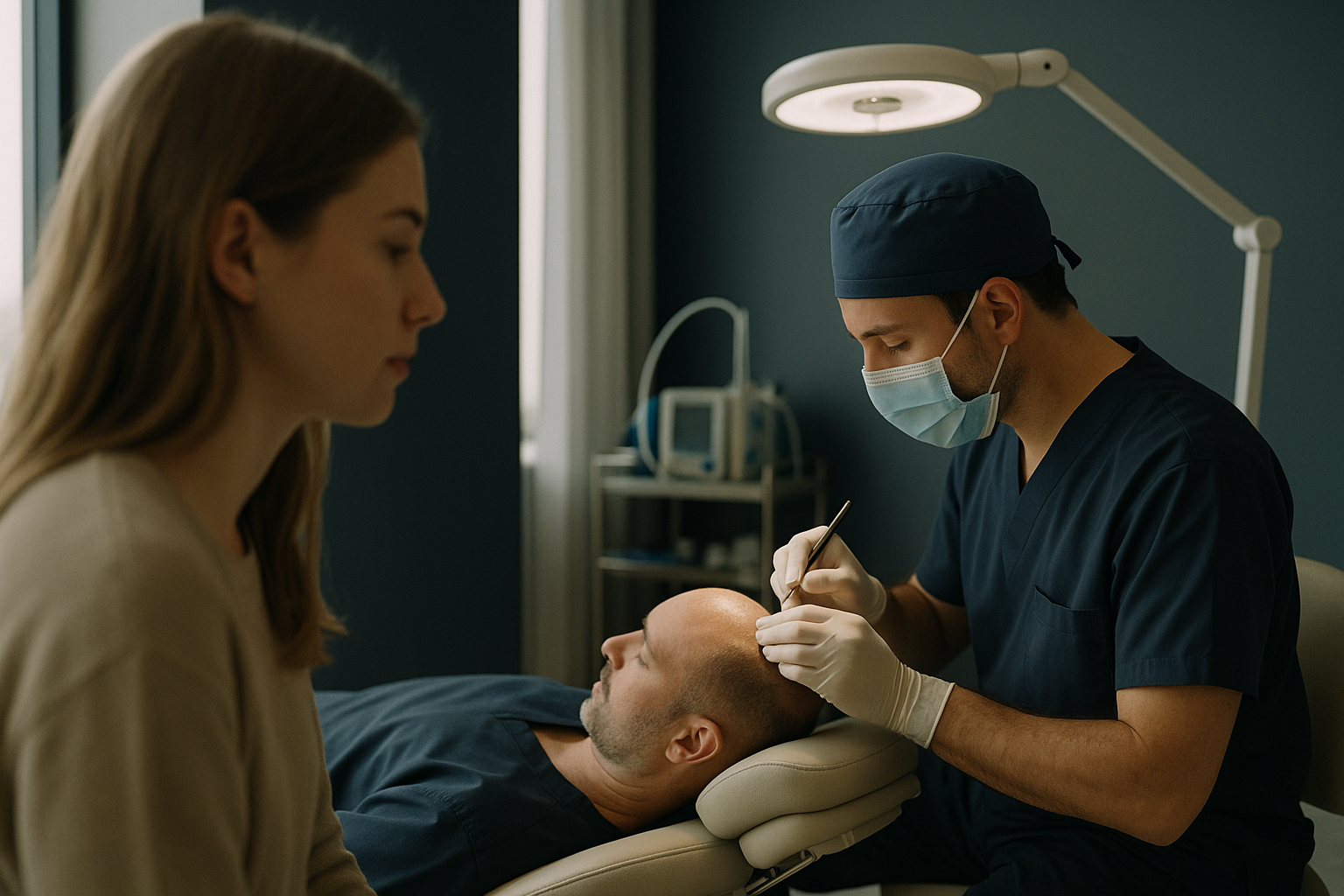
Hair transplant surgery is a popular solution for individuals experiencing hair loss. Understanding the procedure, costs, and potential outcomes is crucial for those considering this treatment. This article provides comprehensive insights to help you make an informed decision.
What is Hair Transplant Surgery?
Hair transplant surgery is a medical procedure that involves the transfer of hair follicles from a donor site, typically the back or sides of the head, to areas experiencing thinning or balding. This procedure is often chosen by individuals looking to restore a natural hairline or add density to thinning areas. By utilizing the patient’s own hair, the surgery aims to create a seamless integration with existing hair, making the results appear natural and undetectable.
There are two main techniques used in hair transplant surgery: Follicular Unit Transplantation (FUT) and Follicular Unit Extraction (FUE). FUT involves removing a strip of scalp tissue, while FUE extracts individual follicles directly from the scalp. Each method has its advantages and disadvantages. FUT might result in a linear scar but allows for a larger number of grafts in a single session, making it suitable for extensive hair loss. In contrast, FUE is less invasive and leaves minimal scarring, making it a preferred choice for those who wish to wear shorter hairstyles.
Choosing between FUT and FUE depends on various factors such as the patient’s hair loss pattern, the quality and quantity of available donor hair, and personal preferences regarding scarring and recovery time. Consulting a qualified surgeon can provide insights into which method aligns best with the patient’s goals and expectations. Surgeons often assess the elasticity of the scalp, hair color, and curliness, as these factors can influence the aesthetic outcome of the transplant. A detailed consultation will also involve discussing the patient’s medical history to ensure there are no contraindications for surgery.
How Much Does a Hair Transplant Cost?
The cost of hair transplant surgery varies significantly depending on the country, clinic, and the extent of hair loss. In the USA, the price typically ranges from £6,000 to £15,000. Factors such as surgeon experience, clinic location, and the chosen technique can influence the final cost. For instance, clinics in metropolitan areas or those with highly reputable surgeons may charge a premium for their services, reflecting both the quality of care and the demand. It is important for prospective patients to consider these factors when budgeting for their procedure.
In Turkey, a popular destination for hair transplants, the cost is significantly lower, ranging from £1,500 to £3,500. This affordability, combined with skilled surgeons and state-of-the-art facilities, makes Turkey an attractive option for international patients. The lower cost is often due to lower operational expenses and the competitive nature of the medical tourism market in Turkey. However, patients should not compromise on quality for cost and must ensure that the clinics they choose adhere to international standards of care. Checking for certifications and patient testimonials can help in verifying the credibility of the clinic.
Additional costs may also arise from travel, accommodation, and post-operative care, especially for those traveling abroad for the procedure. Potential patients should budget for these expenses and consider them as part of the overall cost of their hair transplant journey. Some clinics offer package deals that include these additional costs, providing a comprehensive solution for international patients.
What to Expect During the Procedure
Undergoing hair transplant surgery is a meticulous process that typically lasts between four to eight hours, depending on the extent of the transplant. Patients are usually awake during the procedure, receiving local anaesthesia to numb the scalp. This allows the patient to remain comfortable and pain-free while the surgeon meticulously places the grafts in the desired areas.
During the procedure, the surgeon will carefully prepare the recipient sites and place the grafts in a strategic manner to mimic natural hair growth patterns. This includes considering the direction, angle, and density of the hair to ensure a natural appearance. It is essential for the surgeon to have a keen eye for detail and an artistic touch to achieve optimal results. Surgeons may use magnification tools to enhance precision, ensuring that each graft is placed correctly to achieve a cohesive look.
After the surgery, it is common to experience mild discomfort, redness, and swelling in the treated areas. Recovery time varies, but most patients can return to work within a week. The transplanted hair will initially shed before new growth begins, usually within three to four months. Full results are typically visible after 12 to 18 months, as the hair continues to grow and thicken over time. Patients are advised to follow their surgeon’s post-operative care instructions closely to facilitate the healing process and optimize results.
Is Hair Transplant Surgery Safe?
Hair transplant surgery is generally considered safe when performed by qualified and experienced surgeons. However, as with any surgical procedure, there are risks involved, such as infection, scarring, or unnatural-looking results. To mitigate these risks, it is crucial for patients to follow all pre-operative and post-operative instructions provided by their healthcare team.
To ensure safety, it is essential to choose a reputable clinic with a proven track record. Verify the accreditation of the clinic and the credentials of the medical team. Look for clinics that are accredited by recognized international bodies such as the Joint Commission International (JCI) or equivalent organizations in your country. These accreditations indicate that the clinic adheres to stringent safety and quality standards.
Proper pre-operative and post-operative care also play a crucial role in achieving successful outcomes. This includes avoiding certain medications, refraining from smoking and alcohol, and following a prescribed regimen for scalp care after the surgery. The patient’s commitment to following these guidelines can significantly impact the overall success and safety of the procedure. Regular follow-up appointments with the surgeon will also help monitor the healing process and address any concerns promptly.
How to Choose the Right Clinic
When selecting a clinic for hair transplant surgery, consider factors such as the surgeon’s experience, patient reviews, and the quality of care provided. It is advisable to have consultations with multiple clinics to compare their approaches and pricing. A good clinic should offer transparent information about the procedure, expected outcomes, and potential risks involved. This transparency helps build trust and ensures that patients are well-informed before making a decision.
- Check the clinic’s accreditation and certifications. Look for affiliations with reputable medical associations, which can be a testament to the clinic’s credibility and adherence to industry standards.
- Review before-and-after photos of previous patients to gauge the clinic’s ability to deliver natural-looking results. Pay attention to the density and direction of hair growth in the photos, as these factors are indicative of the clinic’s expertise.
- Ask about the clinic’s follow-up care and support. Post-operative care is crucial for the success of a hair transplant, and a good clinic will provide comprehensive aftercare instructions and support to ensure optimal healing and growth.
Additionally, consider the clinic’s location and accessibility, especially if you will need to attend follow-up appointments. Proximity to the clinic can make the process more convenient and less stressful. Some clinics offer virtual consultations to accommodate patients who are unable to travel frequently.
Hair Transplants in Turkey: What to Know
Turkey is renowned for its expertise in hair transplant surgery, attracting thousands of medical tourists each year. The country’s competitive pricing, coupled with high standards of care, makes it a preferred destination for many. The Turkish government actively supports medical tourism, and many clinics have English-speaking staff to accommodate international patients.
When considering hair transplants in Turkey, research the legal requirements for medical tourism and ensure that the clinic complies with international standards. This includes checking for JCI accreditation, which signifies adherence to global healthcare practices. Additionally, investigate the clinic’s reputation by reading reviews from past patients and seeking recommendations from trusted sources. Online forums and social media groups can also provide valuable insights from individuals who have undergone similar procedures.
It is also important to be aware of the travel logistics involved, such as visa requirements and travel restrictions. Plan your trip carefully, taking into account the time needed for recovery before returning home. Many clinics offer packages that include accommodation and airport transfers, providing convenience and peace of mind for international patients. These packages can help streamline the process, allowing patients to focus on their recovery without worrying about logistical details.
Preparing for Your Hair Transplant Journey
Before undergoing hair transplant surgery, proper preparation is crucial. This includes consulting with your surgeon to discuss your medical history, expectations, and the potential outcomes of the procedure. A thorough consultation will help the surgeon tailor the procedure to your specific needs and ensure that you have realistic expectations about the results. During this consultation, the surgeon may also conduct a scalp analysis to determine the best approach for your transplant.
Additionally, follow any pre-surgery instructions provided by your healthcare provider, such as avoiding specific medications and refraining from smoking or drinking alcohol. These precautions can reduce the risk of complications during and after the surgery. Your surgeon may also recommend certain vitamins or supplements to promote healing and hair growth. It is important to adhere to these recommendations to ensure a smooth surgical experience and recovery.
Being well-prepared can contribute to a smoother surgical experience and recovery. Arrange for someone to drive you home after the procedure and plan to take time off work to allow for adequate rest and recovery. Prepare your home environment to facilitate comfort and convenience during the initial recovery period. Stock up on necessary supplies, such as ice packs for swelling and gentle shampoos that your surgeon approves.
| Aspect | USA | Turkey |
|---|---|---|
| Average Cost | £6,000–£15,000 | £1,500–£3,500 |
| Recovery Time | 1 week | 1 week |
| Accreditation | Various bodies | JCI and others |
Conclusion
Hair transplant surgery offers a viable solution for those seeking to regain their confidence and improve their appearance. By understanding the procedure, costs, and safety measures, you can make an informed decision about whether this treatment is right for you. The advancements in surgical techniques and the expertise of skilled surgeons have made hair transplants more accessible and effective than ever before.
Researching reputable clinics and consulting with experienced professionals will help ensure a successful outcome, whether you choose to undergo surgery in your home country or abroad. Take the time to thoroughly investigate your options, ask questions, and seek second opinions if necessary. A well-informed decision can lead to a positive and satisfying experience, ultimately restoring not just hair, but also self-esteem and quality of life.
Proven result
20 to 200 hair-transplant patients a month from Australia
Aesthetic surgery group
Frequently asked questions
How much does a hair transplant cost in the USA?
In the USA, hair transplant surgery typically costs between £6,000 and £15,000, depending on various factors including the surgeon’s expertise and the extent of hair loss.
How much does a hair transplant cost in Turkey?
Hair transplant surgery in Turkey is more affordable, with prices ranging from £1,500 to £3,500, making it a popular choice for international patients.
What are the main types of hair transplant techniques?
The two primary techniques are Follicular Unit Transplantation (FUT) and Follicular Unit Extraction (FUE), each with its own method of extracting and transplanting hair follicles.
Is hair transplant surgery safe?
When performed by qualified surgeons, hair transplant surgery is generally safe. However, risks can include infection or scarring, so choosing a reputable clinic is essential.
How should I prepare for hair transplant surgery?
Preparation involves consulting your surgeon about your medical history and following pre-surgery guidelines, such as avoiding certain medications and substances.
Related guides

Turkey Hospitals vs Local Hospitals Compared
A lower procedure quote can get a patient’s attention. It should not make the decision on its own.…

Patient Experience That Drives Trust and Growth
A patient who has already uploaded medical records, compared providers, and arranged time away from work is not…

What Is a Medical Travel Facilitator and Why Use One?
A lower treatment quote can look compelling until you try to compare what it actually includes: surgeon fees,…