
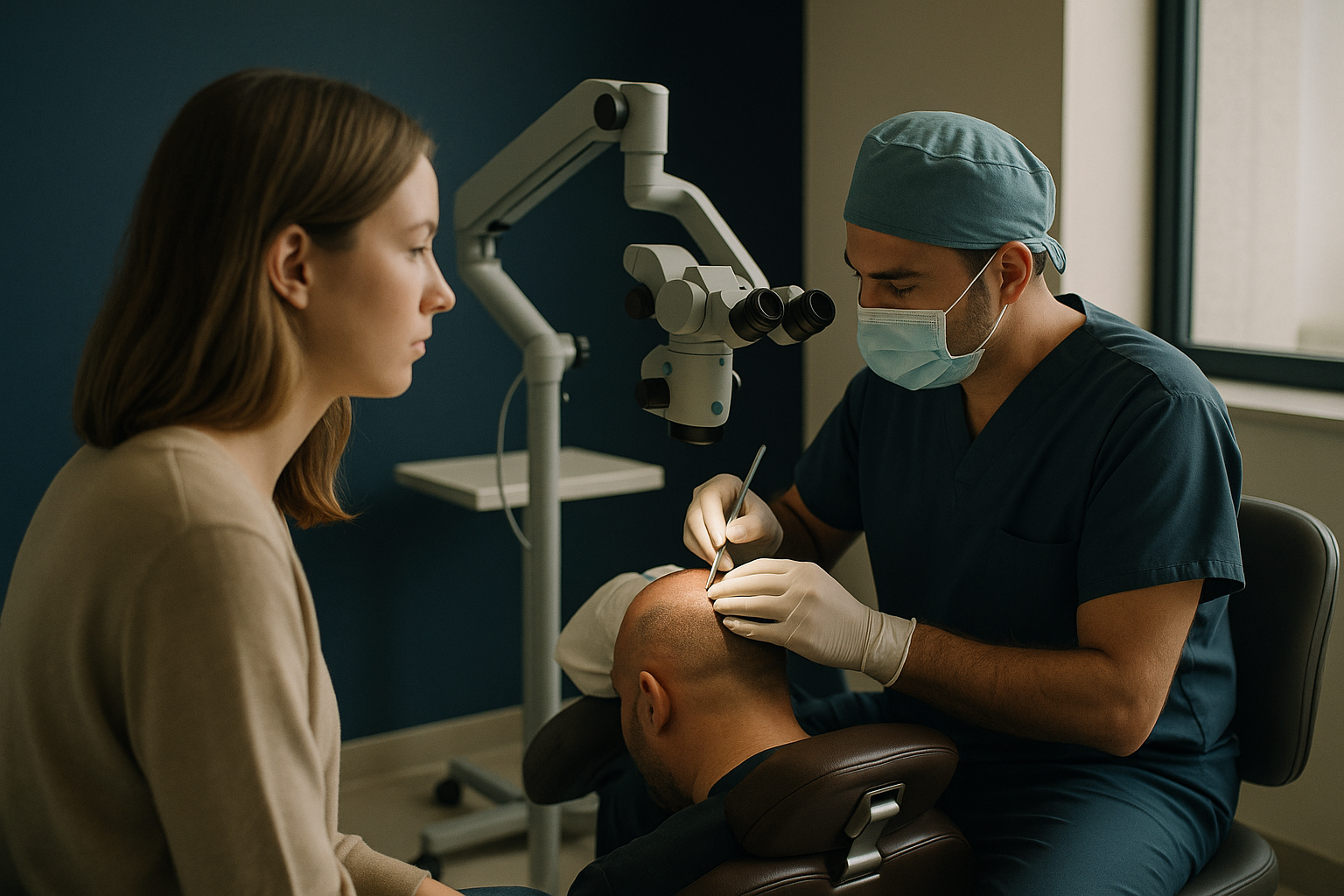
Unshaven hair transplants offer a discreet alternative for those seeking hair restoration without the need to shave their head. This innovative method is gaining popularity, especially in Turkey, where advanced techniques are available at competitive prices. In this article, we delve into the benefits, costs, and considerations of opting for this procedure.
What is an Unshaven Hair Transplant?
An unshaven hair transplant, often referred to as U-FUE (Unshaven Follicular Unit Extraction), is a method where the donor area and recipient area of the scalp are not shaved. This technique is particularly appealing for those who prefer to keep the procedure discreet. The process involves extracting and transplanting individual hair follicles without the need for a visible haircut.
This method is suitable for individuals who need to return to work or social activities soon after the procedure, as it minimizes the visible signs of surgery. Additionally, it caters to those with professional or social obligations that require maintaining a certain appearance. Despite its benefits, the unshaven method can be more time-consuming and requires a skilled surgeon to ensure natural-looking results. The complexity of the procedure increases the demand for precision and experience, which is why selecting the right clinic and surgeon is crucial.
Moreover, the unshaven technique can be particularly advantageous for those who have a specific hairstyle they wish to maintain throughout the process. By avoiding a complete shave, patients can seamlessly continue their daily routine without drawing attention to the recent procedure. This aspect is a significant draw for individuals who may be in the public eye or have a strong personal preference for a particular look. As such, the unshaven hair transplant method provides both aesthetic and practical benefits.
How Does the Procedure Work?
The unshaven hair transplant procedure begins with a thorough consultation to assess the patient’s scalp and hair condition. This assessment is crucial for determining the number of grafts needed and the suitability of the patient for the unshaven method. The surgeon then selects individual hair follicles from the donor area, typically located at the back or sides of the head, which are then transplanted to the thinning or bald areas.
The precision required in this method means the procedure can take longer than traditional methods, sometimes up to 8 hours, depending on the number of grafts needed. This meticulous approach involves using specialized tools to carefully extract each hair follicle while ensuring minimal damage to the surrounding tissue. As the process requires such precision, it is often more labor-intensive, demanding a high level of skill and concentration from the surgical team.
However, the main advantage is the ability to maintain the original hair length, making the procedure less noticeable. Patients can often go about their daily lives with minimal disruption, as the natural length and flow of their hair remain intact. This factor not only aids in faster social recovery but also enhances the psychological comfort of the patient, knowing that their appearance remains largely unchanged. The unshaven technique is thus ideal for those prioritizing discretion and convenience.
How Long Do You Need to Stay in Turkey for the Procedure?
Patients typically need to stay in Turkey for about 3 to 5 days for an unshaven hair transplant. This duration includes time for consultation, the actual procedure, and initial recovery. The initial days are crucial for post-operative care, where the clinic will monitor the patient’s progress and provide necessary aftercare instructions. It is advisable to plan for some rest days post-surgery to allow for proper healing and follow-up consultations.
While the procedure itself might only take a single day, the additional time allows for proper assessment and post-operative care. Surgeons often recommend staying nearby for at least a few days to ensure that any immediate post-surgical needs can be addressed effectively. This timeframe also allows patients to acclimate to any minor discomfort or swelling that may occur, ensuring they are in the best possible condition before returning home.
Turkey is renowned for its medical tourism, offering world-class facilities and experienced surgeons at lower costs compared to many Western countries. The country has become a hub for hair restoration, attracting international patients seeking quality care at affordable prices. By planning a short stay, patients can also take the opportunity to explore the rich cultural heritage of Turkey, turning their medical trip into a memorable experience. Careful planning and communication with the clinic can help optimize both the medical and leisure aspects of the visit.
Understanding the Costs: Hair Transplant Cost in Turkey
The cost of an unshaven hair transplant in Turkey varies depending on several factors, including the clinic’s reputation, the surgeon’s experience, and the number of grafts required. On average, the cost can range from $2,000 to $4,000, significantly lower than prices in Europe or the United States. This cost-effectiveness does not compromise on quality, as many Turkish clinics boast state-of-the-art facilities and highly trained medical staff.
Turkey’s competitive pricing, combined with the high quality of care, makes it an attractive destination for hair restoration. Patients considering this option should conduct thorough research into the clinics and surgeons available, looking for those with strong credentials and positive patient reviews. It’s important for patients to consider travel and accommodation costs as part of their overall budget. Many clinics offer comprehensive packages that include accommodation and transportation, which can further enhance the affordability of the procedure.
In addition to the procedure itself, patients should factor in any potential post-operative care products or follow-up visits that may be required. While the initial cost is a significant factor, the overall value lies in the results and the experience provided by the clinic. By planning carefully and selecting a reputable provider, patients can achieve optimal outcomes without breaking the bank. The combination of cost savings and quality care makes Turkey a compelling choice for those seeking hair transplant without shaving head.
How Long Do Results Last?
The results of a hair transplant, whether unshaven or traditional, are generally permanent. After the initial shedding phase, transplanted hair starts to grow naturally, blending seamlessly with existing hair. This new growth is comprised of the patient’s own hair follicles, ensuring a natural appearance and texture. Patients can expect to see significant growth within 6 to 12 months post-surgery, with full maturation occurring around the 18-month mark.
Proper post-operative care and following the surgeon’s advice are crucial to ensuring long-lasting results. This includes adhering to recommended hair care routines, avoiding certain activities that may stress the scalp, and attending scheduled follow-up appointments. Regular follow-ups and a healthy lifestyle can further enhance the longevity of the transplant. Maintaining a diet rich in essential nutrients and managing stress levels can support hair health and overall well-being.
While the procedure offers a permanent solution, it’s important to understand that the natural aging process will continue to affect hair density and quality over time. Patients should set realistic expectations and maintain an open line of communication with their surgeon to address any future concerns. By doing so, they can enjoy the benefits of their hair transplant for many years to come. The success of the procedure relies not only on the skill of the surgeon but also on the patient’s commitment to post-surgical care.
Safety and Accreditation: Ensuring a Successful Procedure
Choosing a reputable clinic and an experienced surgeon is essential for the success of the procedure. Accreditation by international bodies such as the Joint Commission International (JCI) can offer assurance of quality and safety standards. These accreditations ensure that the clinic adheres to strict healthcare guidelines, providing patients with peace of mind regarding their safety and the quality of care they will receive.
Patients should research thoroughly, read reviews, and ensure the clinic adheres to international health and safety protocols. This due diligence helps mitigate risks and enhances the likelihood of a positive outcome. Checking the surgeon’s credentials, including their training, experience, and any specializations in hair transplant techniques, is equally important. Reputable clinics often provide detailed information about their surgical team, allowing potential patients to make informed decisions.
In addition to accreditation, patients should inquire about the clinic’s infection control measures and post-operative care services. High standards in these areas are indicative of a clinic’s commitment to patient safety and satisfaction. By prioritizing safety and accreditation, patients can increase their chances of achieving a successful hair transplant without shaving head, benefitting from both aesthetic improvements and peace of mind. Comprehensive research and careful selection of healthcare providers are key components of a successful medical tourism experience in Turkey.
Conclusion: Weighing the Benefits and Considerations
Unshaven hair transplants offer a discreet and effective solution for hair restoration, particularly appealing for those who wish to maintain their current hairstyle. While the procedure may require a larger time investment, the benefits of minimal visibility and natural results are significant. For individuals considering this option, the decision should be informed by a thorough understanding of the process, the potential outcomes, and the commitments required in terms of time and aftercare.
Turkey provides a compelling choice with its combination of expertise, affordability, and internationally accredited healthcare facilities. By choosing a clinic with a strong reputation and proven track record, patients can ensure they receive high-quality care. The cost-effective nature of the procedure in Turkey, coupled with the expertise available, makes it an attractive option for those looking for hair transplant without shaving head.
Overall, the unshaven hair transplant technique offers a unique blend of practicality and aesthetic benefit, allowing patients to achieve their desired appearance while maintaining discretion. With careful planning and consideration, individuals can enjoy the transformative effects of this procedure, gaining not only hair but also confidence and satisfaction in their appearance. As with any medical procedure, informed decision-making and commitment to follow-up care are essential to achieving the best possible results.
Proven result
20 to 200 hair-transplant patients a month from Australia
Aesthetic surgery group
Frequently asked questions
How long to stay in Turkey for hair transplant?
Typically, patients should plan to stay in Turkey for 3 to 5 days for a hair transplant, including consultation and recovery time.
How long do Turkey hair transplants last?
Turkey hair transplants are generally permanent, with results visible within 6 to 12 months post-procedure, given proper care.
How long does a hair transplant take in Turkey?
The procedure can take 6 to 8 hours, depending on the number of grafts. Additional time for consultation and recovery is recommended.
What is the cost of hair grafts in Turkey?
The cost varies, but on average, it ranges from $2,000 to $4,000, depending on the clinic and number of grafts.
Related guides

What Is a Medical Travel Facilitator and Why Use One?
A lower treatment quote can look compelling until you try to compare what it actually includes: surgeon fees,…

What Hospital Accreditation Reviews Really Tell You
A hospital can have polished facilities, prominent surgeons, and hundreds of five-star ratings, yet those signals do not…

International Patient Onboarding Guide for Hospitals
An international patient inquiry is not simply a lead. It is a person weighing a major medical decision…